


Blog
How to Train Your Cleaning Staff: Tips for Business Owners from the Pros

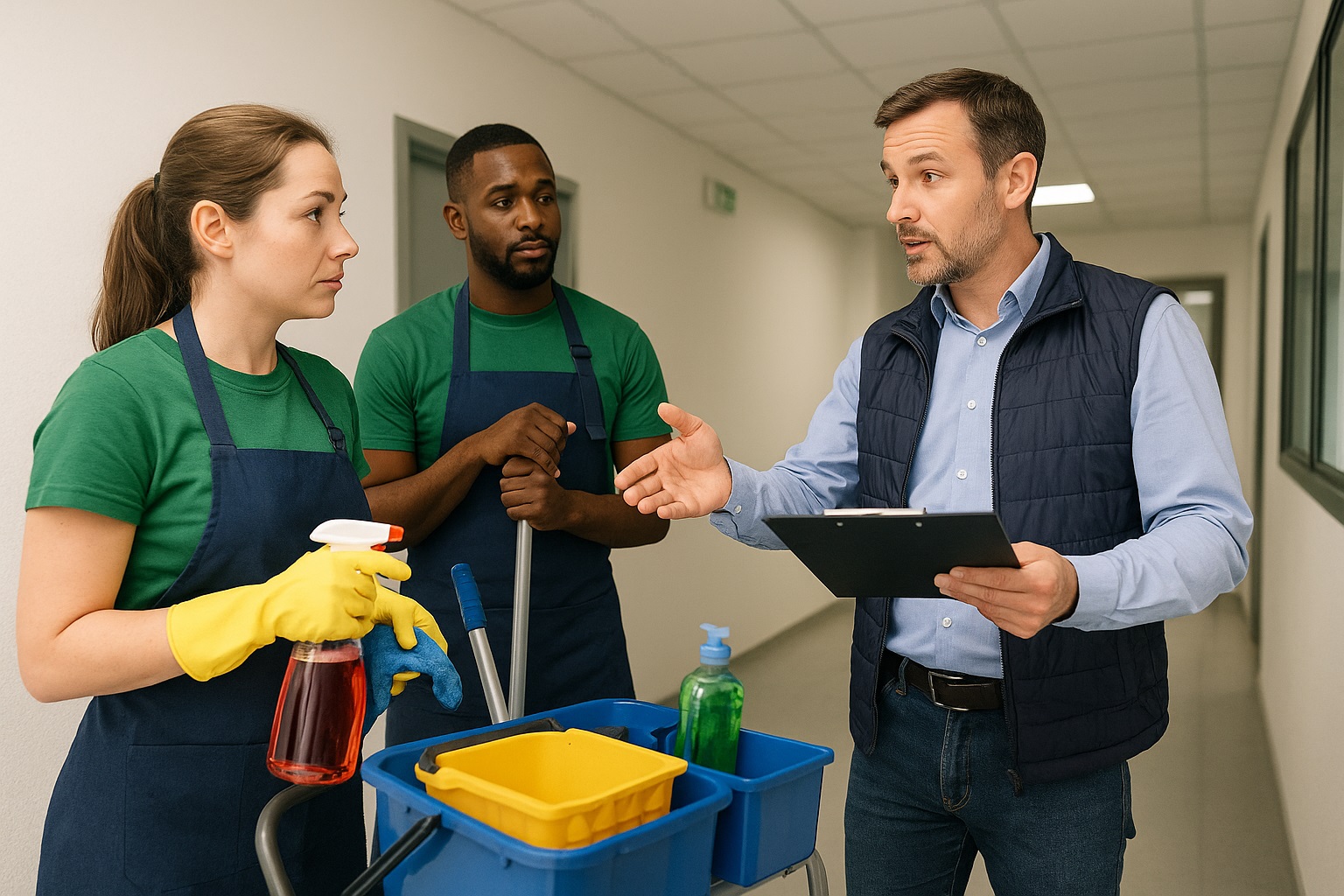
Any cleaning business that is a successful endeavour, be it a local contract team in Perth or the in-house team of a busy office, is not solely based on good products. The actual distinction is reduced to humanity. Professional work can also be done in a space that has been transformed by trained staff in an efficient, safe, and professional way. Untrained personnel, on the contrary, leave behind the lines, uncleaned spots, and unsatisfied customers.
This is why knowing how to train cleaning staff is crucial for business owners. Training ensures consistency, protects equipment, reduces accidents, and boosts morale. It’s also one of the smartest investments a business can make: while equipment and products are essential, it’s the people using them who deliver results.
This article breaks down practical business cleaning training tips from industry pros, drawn from years of experience managing large cleaning teams.
Why Training Matters
Training is not a box to be checked in a box of compliance; it is all about developing a professional culture. Cleaning staff are the invisible hand in business. Their work defines the initial impressions of the clients, as well as employees and visitors.
When staff are trained:
- Safety improves: they handle chemicals properly and avoid injuries.
- Efficiency rises: jobs are completed faster with fewer mistakes.
- Consistency increases: every space meets the same high standard.
- Retention improves: staff feel valued and supported.
A Short Anecdote
One of the Perth property management companies once lost a big client due to the failure of its cleaning team to live up to its standards. It was not about laziness; the team had not been taught how to deal with various surfaces in the right way. As soon as the introduction of proper training, standards improved, and the satisfaction of clients came back.
The moral: equipment and supplies are essential, but training is what makes sure that they are utilised to their maximum potential.
Step 1: Establishing Standards
Before you can teach methods, you need clear standards. Staff should understand what “clean” means in your business context. For some offices, it may be a spotless presentation in client-facing areas. For industrial sites, it might mean hygiene and safety above appearance.
Practical ways to establish standards:
- Provide written checklists for daily, weekly, and monthly tasks.
- Walk staff through spaces, pointing out priority areas.
- Explain why specific tasks matter (e.g., disinfecting touchpoints reduces sick leave).
Clear standards prevent confusion. Staff know what’s expected, and managers have benchmarks to measure performance.
Step 2: Teaching Product Knowledge
Among the business cleaning training tips that have been neglected is educating the staff on learning about the cleaning products. Most people interpret all-purpose as working on everything. Factually, improper usage of the incorrect product may destroy surfaces, cause time loss, and create safety hazards.
Key lessons for staff:
- Read labels carefully; dilution instructions matter.
- Match product to surface; acidic products don’t belong on marble, for example.
- Less is more. Using many chemicals doesn’t clean better; it just leaves residue.
Relevant tools for training:
- A general-use cleaner like Mr Bean 5L All-Purpose Cleaner, perfect for training staff on safe everyday cleaning.
- A disinfectant such as Comet Foaming Cleaner & Sanitiser is used for hygiene training in kitchens and bathrooms.
Step 3: Demonstrating Equipment Use
Commercial cleaning equipment is powerful, but without training, it’s easy to misuse. A vacuum misused leaves dirt behind. A floor scrubber with the wrong pad damages surfaces.
Hands-on training sessions should cover:
- How to assemble and safely use equipment.
- Best practices for ergonomics (lifting, carrying, posture).
- Daily maintenance (emptying tanks, cleaning filters, charging batteries).
For example, the Pacvac Superpro 700 Backpack Vacuum requires training on proper harness fitting to reduce back strain. Teaching staff how to adjust straps makes long shifts far more comfortable.
Training staff on equipment use prevents costly downtime and ensures safety.
Step 4: Safety and Compliance
Cleaning consists of chemicals, wet floors, and physical monotony. Risks are increased without training. Accidents at the workplace may cause compensation claims, tarnished reputations and employee turnover.
Core safety topics include:
- Chemical handling: never mixing products, always diluting as directed.
- Personal protective equipment (PPE): gloves, goggles, and masks when appropriate.
- Manual handling: safe lifting, pushing, and carrying.
- Slips and falls: correct signage and floor care.
Real-world example: a warehouse cleaner once mixed bleach and ammonia-based products, releasing toxic fumes. Proper training could have prevented a near-disaster.
Step 5: Efficiency and Time Management
Cleaning is as much about workflow as it is about effort. Poorly trained staff often repeat work, clean in random patterns, or waste time fetching supplies.
Teach staff to:
- Work top to bottom, left to right. This prevents dust from falling onto freshly cleaned surfaces.
- Group tasks logically (e.g., dust all surfaces before vacuuming).
- Use caddies and carts to keep supplies nearby.
A simple tool like the Cleaning Hand Caddy reduces wasted time walking back and forth for products.
Anecdote
A Perth café once spent over two hours each night cleaning. After staff were trained on systematic workflows, they cut cleaning time in half while improving quality. The café owner noticed happier staff and better customer feedback on cleanliness.
Step 6: Ongoing Evaluation and Feedback
Training isn’t “one and done.” Staff need feedback, encouragement, and periodic refreshers. Without ongoing evaluation, bad habits creep back.
Ways to maintain standards:
- Shadow staff periodically to check techniques.
- Provide constructive feedback and recognition.
- Run refresher sessions on new products or equipment.
- Encourage peer learning, and experienced staff mentoring new hires.
A team that sees training as continuous improvement, not punishment, takes more pride in its work.
Tools That Support Training
To make training stick, staff need the right tools. Professional products and equipment simplify training because they perform consistently and intuitively.
Examples:
- Multi-surface cleaner: Mr Bean 5L All-Purpose Cleaner.
- Disinfectant for hygiene training: Comet Foaming Cleaner & Sanitiser.
- Ergonomic equipment: Pacvac Superpro 700 Backpack Vacuum.
- Organisational tools: Cleaning Hand Caddy.
Training is far more effective when staff are equipped with professional-grade supplies rather than struggling with consumer products.
Creating a Positive Training Culture
Training does not merely entail processes, but culture. Respected and supported staff are more engaged and will tend to be proud of the work.
Suggestions regarding developing a positive culture:
- Train as an empowerment, not as a criticism.
- Appreciate employee performance and success.
- Promote the questions and feedback.
- Managers should also be good role models by example.
Analogy
Training cleaners is like coaching a sports team. Skills improve with practice, but players also need guidance, encouragement, and strategy. A motivated team works harder, supports each other, and delivers winning results.
Conclusion: Invest in Your People
Knowing how to train cleaning staff is one of the most valuable skills for any business owner or facility manager. With the proper training, staff work faster, safer, and more effectively. Clients notice the difference, and so does the bottom line.
To recap the essential business cleaning training tips:
- Establish clear standards.
- Teach product knowledge.
- Demonstrate equipment use.
- Prioritise safety and compliance.
- Train efficiency and workflow.
- Provide ongoing feedback and support.
With professional-grade supplies from WesKleen Supplies and the right training culture, your staff can deliver results that set your business apart. For tailored advice on tools and training essentials, get in touch with our team.