


Blog
Year-Round Cleaning Calendar: A Seasonal Maintenance Guide for Perth Facilities

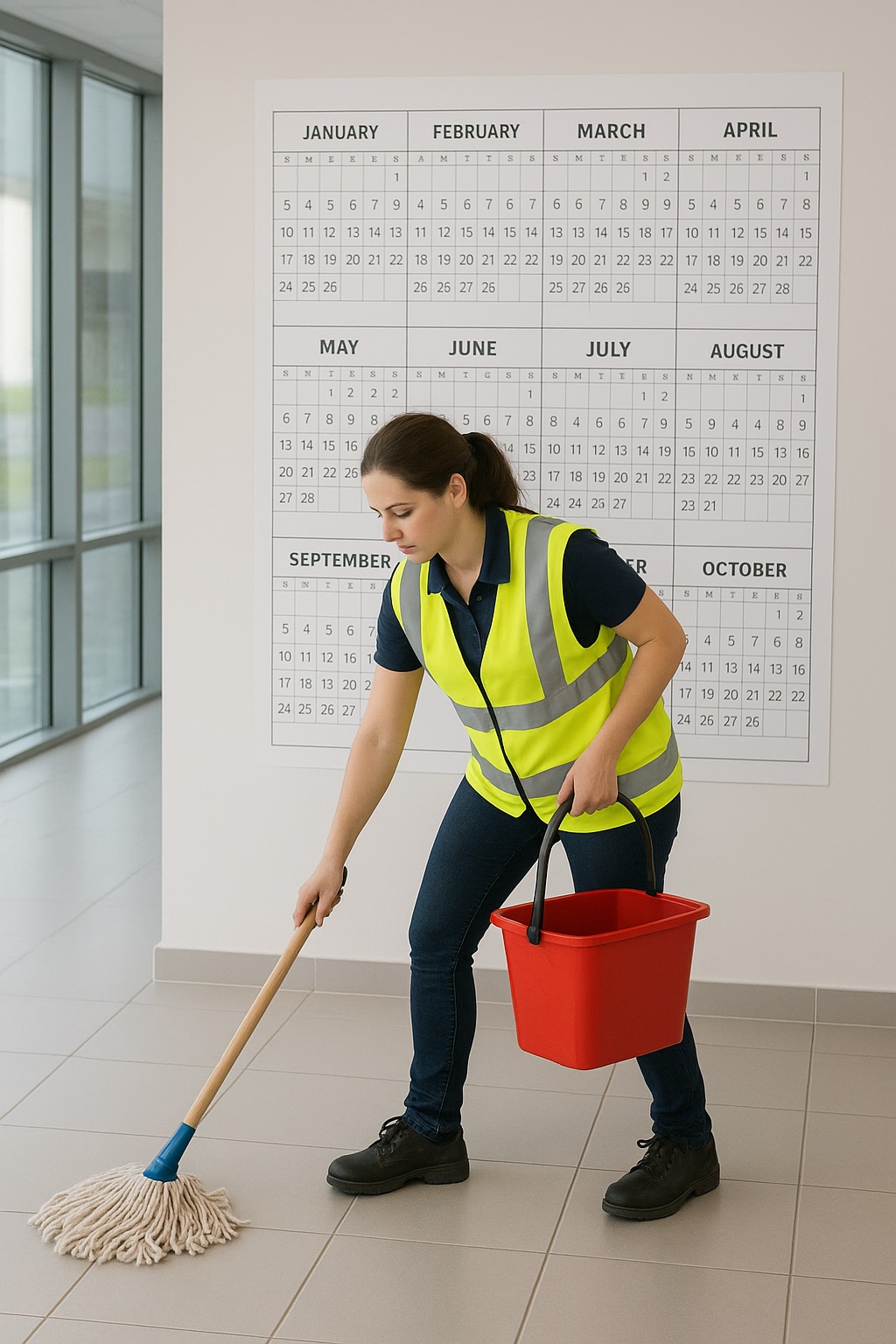
For Perth businesses and facility managers, cleaning isn’t a one-off chore. It’s an ongoing cycle shaped by Western Australia’s unique climate. Hot summers, sudden autumn rains, cool winters, and pollen-heavy springs each present their own set of cleaning challenges.
When cleaning becomes reactive instead of proactive, problems escalate. Floors wear down, air quality declines, staff call in sick, and maintenance costs rise. By contrast, facilities that implement a structured cleaning calendar Perth approach benefit from healthier workspaces, fewer safety risks, and consistent presentation that clients and visitors notice.
This guide is designed as a practical seasonal maintenance WA plan. Broken down by summer, autumn, winter, and spring, with monthly cross-seasonal tasks, it offers a roadmap for year-round facility care. From schools and shopping centres to healthcare facilities and warehouses, any business can adopt this calendar to stay ahead of cleaning demands.
Summer (December – February): Heat, Dust, and High Traffic
Perth summers are long, hot, and dry, with average highs regularly exceeding 30°C. For facilities, this means dust is ever-present, indoor spaces are under pressure from cooling systems, and holiday foot traffic pushes cleaning schedules to their limits.
Summer Cleaning Priorities
- Dust Management
Dust settles quickly on hard floors, shelves, and air vents. Using dust control mops daily prevents particles from becoming airborne allergens or scratching floor finishes. - Glass and Façades
Bright sunlight magnifies every smudge on the windows. Cleaning glass regularly, with extension poles for height, keeps building exteriors professional. - Air Conditioning Systems
Dirty filters and vents spread dust and compromise efficiency. Facilities should schedule cleaning every few weeks during peak summer. - Restrooms
High summer traffic in shopping centres, airports, and public buildings requires daily deep cleaning to avoid odours and bacteria build-up.
Extra Tips for Summer
- Schedule outdoor pressure washes to remove built-up grime before tourists or holiday shoppers arrive.
- Rotate cleaning shifts to avoid peak heat times for staff safety.
- Stock extra consumables (soap, paper, sanitiser) to handle holiday crowds.
Scenario
A Perth shopping centre implemented a summer cleaning schedule that included twice-daily dust mopping and fortnightly glass façade cleans. Within a month, tenant feedback improved significantly, with one retailer noting customers “stopped sneezing the moment they walked inside.”
Autumn (March – May): Preparing for Rainy Weather
As the heat eases, autumn introduces unpredictable rain showers and falling leaves. For facilities, this means clogged drains, muddy entrances, and rising slip hazards.
Autumn Cleaning Priorities
- Gutters and Drainage
Leaves and debris block water flow. A simple quarterly clean prevents water pooling, which can lead to foundation damage. - Entryway Safety
Wet mats, non-slip surfaces, and squeegees and mops help prevent accidents in foyers and reception areas. - Mould Prevention
Damp weather creates ideal conditions for mould. Early intervention with pH-balanced cleaners keeps surfaces safe. - Industrial Floors
Warehouses with concrete floors see dust transform into mud once wet. Scheduled scrubbing prevents traction issues.
Extra Tips for Autumn
- Install floor signage to remind staff and visitors of wet conditions.
- Double-check storage rooms and basements for leaks.
- Audit pest control as autumn rains often drive pests indoors.
Scenario
In April, a logistics warehouse in Welshpool suffered a forklift accident on a slick floor. After reviewing their procedures, management introduced daily dry mopping at entry points and fortnightly scrubbing. The following autumn, accidents dropped by 80%.
Winter (June – August): Cold, Damp, and Indoor Focus
Winter in Perth may be milder than in Europe, but the dampness brings its own headaches. Rain-soaked shoes, wet carpets, and stuffy rooms can quickly erode facility hygiene and safety.
Winter Cleaning Priorities
- Carpet & Upholstery Maintenance
Professional carpet cleaning machines extract moisture, reducing mould risk and extending carpet life. - Heating Systems
Dust accumulates in ducts and vents during summer. Winter is the time to clean them for healthier indoor air. - Restrooms
Humidity creates odours and bacteria build-up. Daily sanitation and weekly deep cleans are essential. - Shared Spaces
Kitchens and breakout rooms require frequent disinfecting as colds and flu spread more easily in winter.
Extra Tips for Winter
- Encourage staff to use umbrella stands at entrances.
- Use mats to capture water before it reaches carpets.
- Schedule mid-season equipment checks to ensure vacuums and dryers are running efficiently.
Scenario
A Perth healthcare centre struggled with musty odours in patient waiting areas during winter. By upgrading to commercial vacuums and scheduling monthly carpet extractions, air quality improved dramatically, leading to better patient satisfaction survey scores.
Spring (September – November): Refresh and Reset
Spring in WA signals growth and renewal. For facilities, it’s the ideal season for deep cleaning and reorganising before the high-traffic summer months return.
Spring Cleaning Priorities
- Floor Scrubbing and Polishing
Floor scrubbers in Perth restore shine and traction to floors dulled by winter wear. - Timber Surfaces
Polishing protects against scuffs and extends lifespan. - Allergen Control
Rising pollen levels trigger allergies. Deep cleaning carpets and vents reduces symptoms. - Storage & Equipment
Spring is perfect for decluttering and checking that cleaning equipment is in good repair.
Extra Tips for Spring
- Schedule window and façade cleaning before the summer sun intensifies streaks.
- Reorder consumables ahead of December’s rush.
- Trial new products or methods when workloads are lighter.
Scenario
A high school in Fremantle uses spring to overhaul its facilities. The gymnasium floors are scrubbed and polished, classrooms undergo allergen-focused deep cleans, and storage rooms are reorganised. By November, the school is ready for exam season and summer activities.
Monthly Facility Tasks (Cross-Seasonal)
While seasonal tasks vary, certain duties repeat every month. These are the backbone of the cleaning calendar Perth businesses depend on:
- Vacuuming: Daily or weekly, depending on foot traffic. Commercial units like the Pacvac Superpro 700 deliver consistent results across large spaces.
- Bathroom Checks: Restocking consumables, disinfecting surfaces, and removing odours.
- Bins & Waste Removal: Prevents pests and keeps facilities presentable.
- Safety Inspections: Monthly walkthroughs spot hazards before they escalate.
Why Seasonal Planning is a Game-Changer
Reactive cleaning is costly. By implementing structured seasonal maintenance WA strategies, businesses gain:
- Lower Maintenance Costs: Prevention avoids expensive repairs.
- Improved Safety: Clean floors and dry entryways reduce slip incidents.
- Healthier Staff: Better air quality reduces absenteeism.
- Enhanced Reputation: Clients, visitors, and staff notice when facilities are cared for.
Weskleen Supplies provides professional-grade tools and chemicals that support this year-round approach. With reliable equipment, businesses maintain consistent standards, season after season.
Conclusion: Cleaning Without the Guesswork
Every season in Perth presents new cleaning challenges, from summer dust to autumn drains, winter damp to spring allergens. By adopting a structured cleaning calendar, facilities managers move away from firefighting problems and towards proactive, preventative care.
This approach saves money, improves safety, and keeps environments professional and welcoming all year. For tailored advice or customised supply plans, get in touch with Weskleen today and start building your own facility cleaning calendar.