


Blog
Eco-Friendly vs. Traditional Cleaning Products: Do Green Solutions Work as Well?

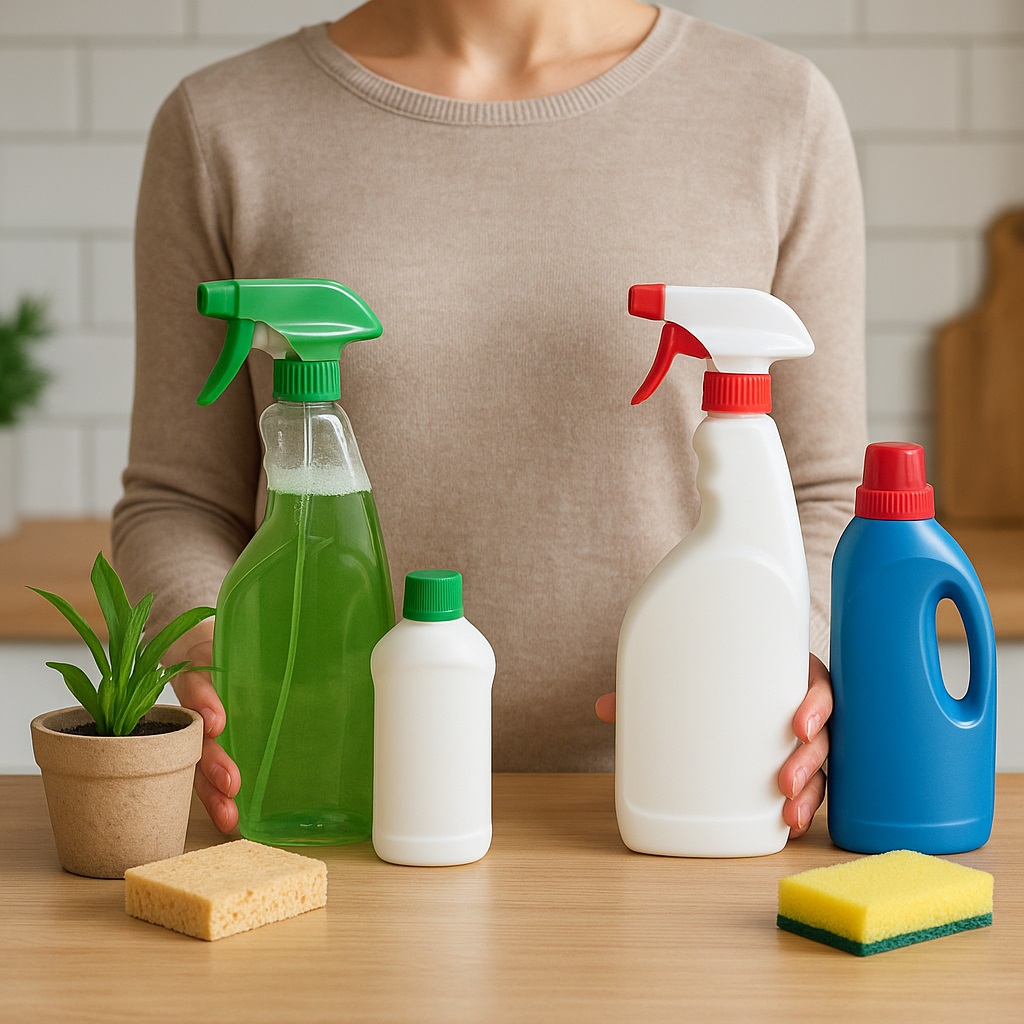
For years, facility managers and business owners in Perth have relied on strong, chemical-based cleaning solutions. They’ve been the default choice for tackling grease, killing germs, and delivering visibly “clean” results. But in recent years, the rise of eco-friendly alternatives has posed an important question: are non-toxic cleaning products Perth businesses can now access truly as effective as traditional chemical cleaners?
This isn’t just a trend or a matter of preference. The debate between eco vs chemical cleaners reflects a global shift in how we think about workplace health, environmental responsibility, and operational efficiency. The goal of this guide is to weigh both sides, dispel common myths, and provide practical insights so Perth businesses can make informed, sustainable decisions.
Traditional Cleaning Products: Strengths and Weaknesses
Traditional cleaning products have earned their place in facilities across Perth. They’re powerful, readily available, and deeply ingrained in the way many businesses operate.
Strengths
- High Performance on Stubborn Stains: Strong degreasers, bleaches, and solvents excel at cutting through grease, mould, and heavy build-up.
- Proven Track Record: Chemical cleaners have been used for decades in commercial and industrial settings.
- Low Upfront Cost: Consumer-grade versions are often cheaper at checkout compared to eco alternatives.
- Broad Range: There’s a chemical cleaner for almost every purpose, from descalers to disinfectants.
Weaknesses
- Health Risks: Harsh chemicals can irritate skin, eyes, and the respiratory system. In enclosed office or hospitality environments, fumes may lead to headaches or longer-term health concerns.
- Environmental Impact: Chemical runoff into the waterways and volatile organic compounds (VOCs) increase indoor air pollution.
- Surface Damage: There are products which are aggressive and wear down the surface protective layers, thus dulling the surfaces.
- Hidden Costs: Although it may be inexpensive at first, frequent replacement, PPE needs, and sick days of the staff attributed to exposure add to the cost in the long run..
The traditional cleaners are not to be undermined, but the cons of their offer are becoming too sophisticated to be overlooked by modern businesses.
Eco-Friendly Cleaning Products: Modern Alternatives
Environmentally friendly products were considered as soft or could only be used for light-duty cleaning. That perception is outdated. Modern non-toxic cleaning products Perth suppliers provide are specifically engineered to deliver professional results, often outperforming their chemical counterparts in the long term.
Strengths
- Healthier Workspaces: They are also safer to the staff and clients by using less VOCs, less harsh formulations, and biodegradable substances.
- Environmental Responsibility: Green cleaners reduce pollution, minimise waste packaging by buying in bulk, and comply with the policies of sustainability.
- Durability and Prevention: Products like pH-neutral cleaners protect surfaces, extending their lifespan.
- Staff Preference: Employees tend to feel safer working with products which do not have any strong-smelling chemicals or rough impacts..
Weaknesses
- Perception of Lower Strength: Despite advancements, some staff still believe green products don’t clean as effectively.
- Higher Upfront Cost: Many eco products cost more initially, although they last longer and reduce indirect expenses.
- Not Always “One Size Fits All”: For some heavy industrial cleaning, a balance of eco and chemical solutions may still be necessary.
Example Product: Mr. Bean 5L All-Purpose Cleaner combines versatility with biodegradable, non-toxic credentials, making it perfect for everyday use in offices and hospitality venues.
Eco vs Chemical Cleaners: Head-to-Head Comparison
1. Effectiveness on Different Surfaces
- Hard Floors: Microfibre used with environmentally friendly cleaners works as well as the chemicals, and there is reduced streaking.
- Carpets: Eco-friendly carpet cleaning machines and solutions remove dirt without leaving harsh residues.
- Bathrooms: Traditional bleaches kill germs instantly, but green sanitisers such as Comet Foaming Cleaner & Sanitiser disinfect while protecting staff health.
- Kitchens: Eco-degreasers are now powerful enough to manage grease without toxic fumes.
2. Impact on Staff Health
- Traditional Products: Frequent exposure to chlorine, ammonia, and solvents increases risks of skin irritation, respiratory distress, and even long-term health effects.
- Eco Products: Dynamically safer to handle, and less PPE. Employees get fewer headaches, skin drying or allergies.
3. Environmental Footprint
- Chemicals: Harsh cleaners pollute the waterways and cause carbon emissions by producing chemicals with high energy.
- Eco-Friendly Products: Biodegradable, sustainably packaged, and often sold in concentrates to minimise waste.
4. Long-Term Costs
- Traditional: They are more expensive in the long run due to frequent replacements, the cost of PPE is higher, and liability claims are possible.
- Eco-Friendly: Higher upfront, but savings on health, equipment longevity, and reputation outweigh initial costs.
Common Misconceptions About Green Cleaners
“They Don’t Work as Well”
Early eco cleaners were underpowered. Modern formulas have evolved to meet professional standards, with many designed for high-demand industries like healthcare and hospitality.
“They’re Too Expensive”
While the price tag is higher initially, bulk eco products last longer and reduce costs linked to surface damage, staff downtime, and waste disposal.
“They’re Only for Light-Duty Cleaning”
From industrial floors to commercial kitchens, green cleaners are built to handle demanding conditions. Products like the Pacvac Superpro 700 Backpack Vacuum show how equipment can combine performance with energy efficiency.
Case Study Scenarios
A Perth Café’s Transition
Northbridge One of the cafes replaced heavy-duty degreasers with non-toxic cleaners. Employees did not immediately believe that they were effective; however, they soon started noticing fewer skin problems and headaches. Another comment aired by the clients was a fresher environment without a strong odour of chemicals.
Office Environment Upgrade
A mid-sized Perth law firm adopted eco-friendly sanitisers and biodegradable floor cleaners. Over six months, sick leave dropped by 12%, and staff surveys highlighted improved satisfaction with workplace hygiene.
How to Choose the Right Product for Your Facility
The truth is, there isn’t always a clear winner in the eco vs chemical cleaners debate. There are other cases where conventional products might still be required, as is the case when handling some industrial grease or specialised sanitisation. Nevertheless, on most tasks of cleaning done on a daily basis, the non-toxic products are the better option.
Key Considerations
- Type of Facility: Schools, offices, and retail benefit most from eco options. Heavy industrial facilities may need a hybrid approach.
- Surface Materials: Timber, tiles, and carpets respond better to pH-neutral eco cleaners that preserve longevity.
- Budget: Factor in long-term savings, not just upfront cost.
- Supplier Support: Work with a partner like Weskleen Supplies for tailored advice.
Why Professional-Grade Eco Products Matter
It’s important to note that not all “green” products are equal. Consumer-grade eco products may not perform to professional standards. That’s why sourcing from trusted suppliers is critical. Professional-grade non-toxic products combine sustainability with the strength required for commercial environments.
At Weskleen Supplies, eco-friendly doesn’t mean compromising on results. From microfibre tools to biodegradable chemicals, we provide Perth businesses with sustainable options that work as hard as traditional cleaners, without the drawbacks.
Conclusion: Do Green Solutions Work as Well?
The answer is yes, in most cases, eco-friendly cleaners perform just as well, if not better, than traditional chemicals. The debate between eco vs chemical cleaners isn’t about which one “wins” universally, but about choosing the right solution for each setting. For the majority of workplaces, switching to non-toxic cleaning products Perth suppliers now offer is a safer, more innovative, and more sustainable move.
Businesses that embrace green solutions not only protect their staff and the environment but also save money in the long run and strengthen their reputation with clients. The future of cleaning is green, and it’s already here.
For tailored advice on the best eco solutions for your workplace, get in touch with the Weskleen team today.