


Blog
Benefits of Green Cleaning in Healthcare Facilities

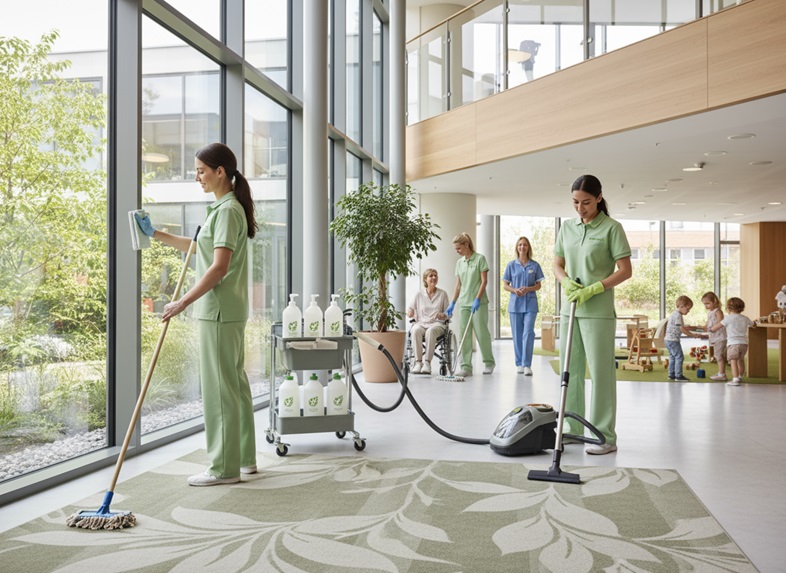
Healthcare environments demand the highest standards of cleanliness to protect vulnerable patients, staff, and the public. Yet, reliance on traditional cleaning chemicals introduces risks that extend beyond immediate disinfection. These chemicals can compromise air quality, irritate respiratory systems, and contribute to long-term environmental harm.
The adoption of green cleaning in hospitals is no longer an optional measure. It is a necessary advancement in professional healthcare cleaning, combining rigorous infection control with environmentally responsible practices. The benefits of green cleaning are clear: healthier facilities, safer working conditions, lower lifecycle costs, and greater trust from patients and communities.
With Weskleen Supplies as a partner, healthcare providers gain access to eco-friendly products, technical expertise, and structured training to implement sustainable programs without sacrificing hygiene outcomes.
What is Green Cleaning?
Green cleaning represents a holistic cleaning strategy that prioritises both safety and sustainability. It goes beyond branding or surface-level claims. In healthcare facilities, it means using cleaning agents that are:
- Non-toxic: Safe for staff, patients, and visitors.
- Biodegradable: Break down without harming ecosystems.
- Low VOC: Reduce airborne pollutants that affect respiratory health.
- pH-appropriate: Maintain material safety while achieving sanitisation.
The approach extends beyond chemical choices. It incorporates practices such as waste reduction, water conservation, and the use of durable equipment designed for long-term service.
Analogy: Choosing eco-friendly cleaning is like investing in preventative healthcare. Both protect immediate wellbeing while reducing long-term risks.
Key Takeaways:
- Green cleaning combines safe products with sustainable practices.
- It prioritises non-toxic, biodegradable, and low VOC agents.
- It integrates lifecycle efficiency into hospital cleaning programs.
Why Green Cleaning Matters in Healthcare
Hospitals are unique environments where cleaning standards directly impact patient outcomes. The stakes are higher than in commercial offices or schools. Patients often have weakened immune systems, respiratory conditions, or heightened sensitivities. In such spaces, the use of harsh cleaning agents can create avoidable complications.
For example, ammonia-based cleaners may achieve surface sanitisation but release fumes that trigger asthma or cause eye irritation. Chlorine-based products, while effective, can linger in the air and worsen respiratory symptoms.
By shifting to green cleaning in hospitals, healthcare facilities protect patients and staff from unnecessary chemical exposure while maintaining uncompromised hygiene. The shift aligns with public expectations for safer, more sustainable care environments.
Key Takeaways:
- Hospitals require cleaning that prioritises vulnerable patients.
- Harsh chemical products risk worsening respiratory conditions.
- Green cleaning aligns safety with hygiene and sustainability.
The Benefits of Eco-Friendly Products in Hospitals
The benefits of green cleaning in hospitals are measurable across health, environmental, and operational dimensions.
Reduced Health Risks
Eco-friendly cleaning agents are designed to minimise irritation. For example, neutral pH products protect staff handling them daily, while patients avoid exposure to unnecessary toxins. A neutral pH disinfectant (around 7) is gentle yet effective, compared to alkaline cleaners (pH 11–13) that can corrode skin and surfaces.
Improved Air Quality
Traditional products often release VOCs such as formaldehyde or benzene derivatives. VOC levels above 500 µg/m³ can contribute to headaches, fatigue, and respiratory distress. Green cleaning agents typically contain less than 50 µg/m³ VOCs, supporting cleaner, safer indoor air.
Lifecycle Cost Savings
Eco products sometimes cost more upfront, but concentrated formulas reduce the quantity required per application. For example, a 5-litre concentrate of Mr. Bean All-Purpose Cleaner can yield up to 500 litres of ready-to-use solution. Over one year, this results in lower consumption compared to single-use conventional products.
Enhanced Patient Confidence
Sustainability is increasingly important to communities. Facilities that use eco-friendly solutions demonstrate responsibility beyond immediate medical care. Patients equate these measures with higher care standards, boosting overall trust and satisfaction.
Key Takeaways:
- Neutral pH cleaners reduce risks for staff and patients.
- Green solutions lower VOC exposure significantly.
- Lifecycle costs favour concentrated eco products.
- Sustainable practices increase patient confidence.
Addressing Infection Control with Green Cleaning
Concerns often arise around whether eco-friendly cleaning can meet infection control standards. Evidence shows that green cleaning in hospitals delivers equal — and in some cases superior results when implemented correctly.
Selecting Certified Products
Products certified by organisations such as the Environmental Protection Agency (EPA) or Good Environmental Choice Australia (GECA) undergo rigorous testing. For example, Comet Foaming Cleaner & Sanitiser is formulated to disinfect high-touch surfaces effectively while remaining safe for healthcare use.
The Role of pH in Infection Control
Disinfectants with slightly alkaline pH levels (8–10) enhance microbial kill rates without damaging surfaces. In contrast, overly acidic or alkaline products increase surface wear and health risks. Green solutions are carefully balanced to provide efficacy without harm.
Training for Consistency
Even the most advanced disinfectant is ineffective if applied incorrectly. Staff training ensures dwell times are respected, dilution ratios are correct, and PPE is consistently used.
Case Study: A mid-sized private hospital in Melbourne transitioned to eco-certified sanitisers. Initial concerns from infection control staff were resolved when audits showed no increase in hospital-acquired infections. Air quality improved, and staff reported fewer respiratory irritations after just three months.
Key Takeaways:
- Eco disinfectants are certified for microbial efficacy.
- Balanced pH formulations ensure both safety and effectiveness.
- Staff training secures consistent infection control results.
How to Implement a Green Cleaning Program
Shifting to sustainable cleaning requires a structured, staged approach.
Step 1: Conduct a Facility Audit
Review current chemical use, waste management, and air quality levels. Identify products with the highest VOC levels or hazardous handling requirements.
Step 2: Set SMART Goals
Define measurable targets such as reducing chemical consumption by 30% within 12 months or lowering indoor VOC levels by 50 µg/m³.
Step 3: Select Eco-Friendly Products
Choose certified solutions that balance cost and efficacy. For example:
- Mr. Bean All-Purpose Cleaner – everyday cleaning.
- Comet Foaming Cleaner & Sanitiser – infection control.
- Polystar Orbital Floor Scrubber – floor hygiene.
Step 4: Standardise Procedures
Develop written protocols for dilution, dwell times, and product handling to ensure consistent outcomes.
Step 5: Train and Empower Staff
Hold structured training sessions that combine product demonstrations with safety reinforcement. Staff confidence directly influences outcomes.
Step 6: Monitor and Review
Track results through regular audits, measuring patient satisfaction, infection rates, and chemical usage. Adjust goals and products as needed.
Case Study: A regional aged-care network introduced eco cleaning gradually, starting with common areas. Within six months, staff chemical-related sick days decreased by 20%, and water use dropped after switching to concentrated products. Expansion to all wards followed after positive audit results.
Key Takeaways:
- Audits identify high-impact opportunities.
- SMART goals make progress measurable.
- Structured staff training ensures long-term adoption.
Weskleen Supplies: Your Partner in Green Healthcare Cleaning
Sustainable healthcare cleaning requires reliable products, technical guidance, and ongoing support. Weskleen Supplies provides all three.
Eco-Friendly Products for Hospitals
- Mr. Bean 5L All-Purpose Cleaner – concentrated, biodegradable, and versatile.
- Comet Foaming Cleaner & Sanitiser – targeted disinfection with foaming action.
- Polystar Orbital Floor Scrubber – durable equipment for consistent floor hygiene.
- Medusa Battery-Powered Sweeper – lightweight and efficient for hard floors and carpets.
Expert Guidance
Our team helps facilities align product selection with infection control requirements and sustainability goals. Each recommendation is backed by technical knowledge and real-world application experience.
Training and Resources
Comprehensive staff training programs build confidence and ensure compliance. Resources include written protocols, demonstration videos, and ongoing technical support.
Case Study: A Perth healthcare provider partnered with Weskleen to overhaul its cleaning program. After product selection and staff training, the facility achieved a 40% reduction in chemical consumption and reported higher patient satisfaction scores during accreditation reviews.
Key Takeaways:
- Weskleen offers eco products tailored to healthcare.
- Expert advice ensures product compatibility and compliance.
- Training secures long-term program success.
Next Steps
Healthcare facilities ready to embrace safer, more sustainable cleaning can act immediately.
- Explore Weskleen’s range of eco-certified cleaning solutions.
- Contact us for personalised technical advice.
- Schedule a consultation to design and implement a tailored green cleaning program.
By embracing green cleaning in hospitals, facilities not only achieve compliance but also deliver long-term health benefits, cost savings, and community trust.