


Blog
Comparing disinfectants: bleach vs. detergent vs. eco alternatives

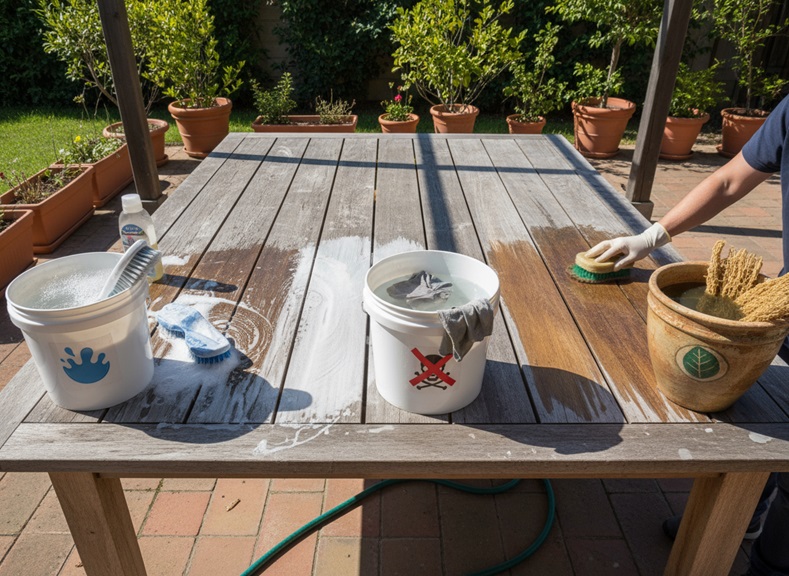
Disinfectants define the standard of hygiene in both commercial and residential cleaning. They decide whether a hospital stays infection-free, whether a café maintains compliance, and whether families feel confident about the safety of their homes. Comparing disinfectants specifically bleach, detergents, and eco friendly disinfectants reveals not only their unique advantages but also the specific roles they play in a balanced cleaning strategy.
From the strength of bleach to the versatility of detergents and the sustainability of green solutions, each option has a place. Choosing wisely ensures efficiency, safety, and long-term value.
Understanding Disinfectants
A disinfectant is a chemical solution designed to kill or inactivate harmful microorganisms such as bacteria, viruses, and fungi. These organisms thrive on unclean surfaces, creating risks for health and safety. Disinfectants intervene at the molecular level, breaking down cell structures and proteins to neutralise threats.
In settings where hygiene is mission-critical hospitals, food production facilities, schools, aged-care centres disinfectants are not optional. They are the line of defence that keeps operations safe and compliant. In homes, disinfectants provide reassurance that common surfaces, from bathroom sinks to kitchen benchtops, are truly sanitised.
Key takeaways
- Disinfectants kill or deactivate microorganisms rather than just removing them.
- They are essential across healthcare, hospitality, and residential cleaning.
Bleach: The Old Reliable
Bleach has been the cornerstone of disinfection for decades. Its active ingredient, sodium hypochlorite, is highly effective at denaturing proteins in microorganisms, ensuring rapid and complete kill rates. In healthcare, food processing, and sanitation sectors, bleach has remained trusted for its proven performance.
How Bleach Works
When bleach contacts organic matter, it oxidises it. This reaction disrupts cellular structures, leaving bacteria, viruses, and fungi inactive. It is this fast-acting chemical reaction that makes bleach the go-to option for high-risk, high-turnover environments.
Advantages of Bleach
- Broad-spectrum efficiency: Neutralises bacteria, fungi, and viruses, including common strains of norovirus and influenza.
- Speed: Acts within minutes, ideal where downtime must be minimised.
- Economical: Highly affordable for large-scale use.
Limitations of Bleach
- Corrosive properties: Prolonged use may damage surfaces, especially metals, fabrics, and porous flooring.
- Safety risks: Can irritate skin, eyes, and lungs. Requires PPE for professional use.
- Unpleasant odour: Strong smell lingers without ventilation.
- Environmental impact: Generates harmful by-products in waterways.
Professional Safety Practices
- Always dilute bleach according to manufacturer specifications.
- Maintain airflow by opening windows or using fans.
- Use protective gloves and eyewear to minimise exposure.
- Never mix bleach with ammonia or acidic cleaners to avoid toxic gases.
Key takeaways
- Bleach delivers unmatched germicidal power at low cost.
- Strict handling protocols are essential to ensure safety.
Detergents: More Than Just Soap
Detergents often get mistaken for disinfectants. Their primary role is to break down and lift away soil, grease, and organic matter from surfaces. While detergents alone do not always neutralise microorganisms, they are essential in cleaning because disinfectants cannot perform effectively on dirty surfaces.
Some formulations combine detergent cleaning power with disinfectant properties, creating two-in-one solutions suited to daily use in kitchens, classrooms, and hospitality environments.
How Detergents Work
Detergents use surfactants to reduce surface tension between water and grease. This allows grime and oils to be lifted and rinsed away. When combined with antimicrobial agents, they not only clean but also sanitise.
Advantages of Detergents
- Effective soil removal: Grease and dirt are lifted quickly.
- Dual-purpose options: Available with added disinfectant.
- Gentler than bleach: Safer for everyday surfaces and frequent use.
Limitations of Detergents
- Variable germicidal capacity: Depends on whether disinfectants are included.
- Residue potential: May leave films requiring rinsing.
- Pre-cleaning required: Heavy soiling may reduce effectiveness.
Selecting the Right Detergent
- Match the detergent to surface type (timber, vinyl, stainless steel).
- Adjust based on level of soiling.
- Choose products with integrated disinfectant for dual benefits.
Key takeaways
- Detergents provide strong cleaning power with some germicidal benefit.
- The right formulation depends on surface and cleaning needs.
Eco friendly disinfectants: The Green Choice
Sustainability has become central in facilities management and residential cleaning alike. Eco friendly disinfectants address this demand by using biodegradable, plant-based ingredients such as vinegar, citric acid, and essential oils.
They deliver effective cleaning for low-to-medium risk areas while protecting indoor air quality and reducing chemical impact on waterways.
How Eco Alternatives Work
- Acids such as vinegar or citric acid break down microbial structures.
- Plant extracts like tea tree oil inhibit bacterial and fungal growth.
- Natural surfactants lift dirt and prevent re-deposition.
Advantages of Eco Friendly Disinfectants
- Lower toxicity: Safer for staff, families, and pets.
- Reduced environmental footprint: Biodegradable and safer for ecosystems.
- Improved air quality: Lacks harsh synthetic odours.
Limitations of Eco Friendly Disinfectants
- Lower kill spectrum: May not eliminate all pathogens.
- Higher price point: Natural ingredients increase cost.
- Storage challenges: Shorter shelf life than synthetic products.
Everyday Applications
Eco friendly disinfectants suit offices, schools, homes, and businesses prioritising sustainability. For tasks requiring deep cleaning power, they are best supported by professional-grade equipment such as the Medusa Battery-Powered Sweeper, which enhances efficiency without reliance on harsh chemicals.
Key takeaways
- Eco friendly disinfectants balance cleanliness with sustainability.
- They are best applied in routine cleaning where low-to-medium germicidal coverage is acceptable.
Making the Right Choice for Your Needs
Comparing disinfectants shows that no single product suits every situation.
- Bleach: Ideal for high-risk, infection-sensitive environments.
- Detergents with disinfectant properties: Suitable for daily maintenance in kitchens, offices, and classrooms.
- Eco friendly disinfectants: Best for sustainability-focused cleaning in homes or eco-conscious businesses.
The decision depends on:
- Surface material
- Level of soiling
- Hygiene standards required
- Environmental considerations
Key takeaways
- Disinfectant choice must align with environment and operational priorities.
- Balance safety, performance, and sustainability before selecting.
Practical Applications
Disinfectants reveal their value when applied to real-world conditions:
- Hospital operating rooms: Bleach ensures high-level, fast-action sterilisation.
- Commercial kitchens: Detergents with disinfectant power tackle grease and germs together.
- Family bathrooms: Eco friendly disinfectants maintain hygiene without harsh fumes.
Anecdote
Sarah, a café owner in Perth, struggled with stained, greasy tiles that resisted scrubbing. She adopted the Polystar Orbital Floor Scrubber, which lifted deep-seated dirt with ease. The machine’s orbital action reminded her of a chef’s whisk rapidly breaking down lumps in batter it dispersed grime without damaging the surface. With less manual effort and safer cleaning products, her café stayed spotless while preserving an eco-conscious image.
Key Takeaways
- Bleach: Broad-spectrum, fast, economical but corrosive and hazardous.
- Detergents: Effective cleaners, some with germicidal properties.
- Eco friendly disinfectants: Safe, sustainable, but less potent.
- Correct choice: Dependent on environment, surface, and safety needs.
Next Steps
To refine your cleaning routine:
- Assess needs: Consider environment, surfaces, and level of disinfection required.
- Evaluate formulations: Compare bleach, detergent, and eco friendly disinfectants carefully.
- Test safely: Trial products on a hidden section before wider application.
For professional-grade products that balance quality and durability, explore the main hub for all Weskleen Supplies and information. For direct enquiries or tailored advice, get in touch with our team.