


Blog
Effective Waste Management: Selecting the Right Bins and Liners

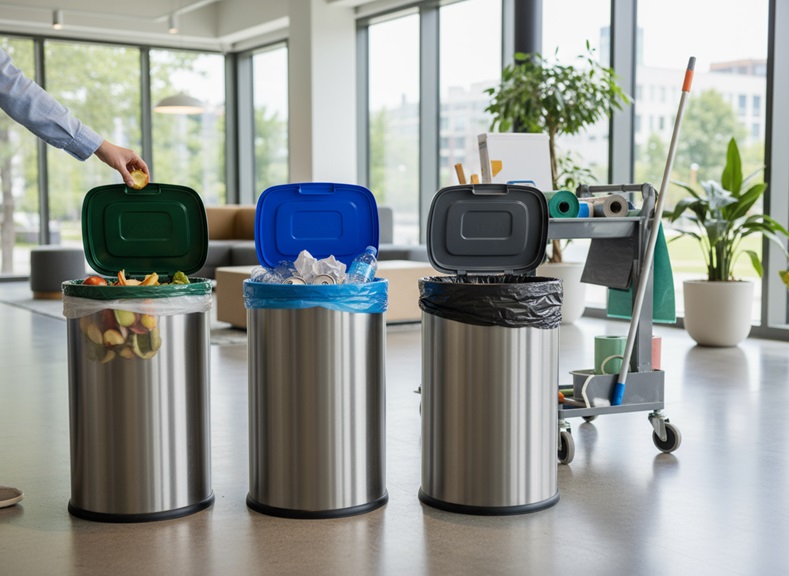
Nobody enjoys handling rubbish, yet waste is an inevitable part of every business and household. A poorly managed system leads to overflowing bins, bad odours, and unnecessary costs. By contrast, a professional approach to waste management creates order, improves hygiene, and strengthens environmental responsibility.
Selecting the right bins and liners is central to building a system that works. Professional waste management supplies are designed for efficiency, durability, and hygiene, helping facilities of every size meet high standards. This guide sets out the essential considerations for choosing bins and liners that support both operational needs and sustainability goals.
Why Proper Waste Management Matters
Effective waste management underpins safe, clean, and professional environments. In commercial settings, it’s about protecting staff, clients, and reputation. In residential contexts, it ensures households remain hygienic and sustainable.
Health and Safety
Improperly managed bins attract pests, spread bacteria, and create slip hazards. Overflowing containers in food-handling areas, for example, increase the risk of cross-contamination. For healthcare facilities, poor waste segregation can even result in regulatory breaches.
Operational Efficiency
A structured system saves time and labour. Clear bin placement, consistent colour coding, and well-fitted liners reduce errors and minimise the need for extra cleaning.
Environmental Responsibility
Waste management plays a direct role in reducing landfill use, conserving resources, and lowering carbon footprints. Segregating recyclables, composting organics, and selecting biodegradable liners are tangible ways to improve sustainability.
Key Takeaways:
- Proper waste management supports health, efficiency, and compliance.
- Overflowing bins and poor segregation lead to higher costs and risks.
- A structured system strengthens environmental performance.
Understanding Your Waste Needs
Before investing in bins or liners, facilities must evaluate the type and scale of waste produced. A small law office, for example, primarily generates paper and packaging, while a busy hotel produces a complex mix of food waste, recyclables, and general rubbish.
Types of Waste
- General waste: Everyday items that cannot be recycled, such as food wrappers.
- Recyclables: Paper, cardboard, glass, plastics, and metals.
- Food waste: Perishable waste that requires leak-proof containment.
- Hazardous waste: Sharps, chemicals, or biohazards, demanding specialist disposal.
Volume Considerations
Accurate estimation prevents both overspending and operational issues. Large facilities may require industrial bins and wheeled carts, while smaller sites can manage with compact pedal bins.
Foot Traffic and Space
Busy corridors, communal kitchens, or open-plan offices demand bins that balance capacity with accessibility. Space restrictions may call for slimline or stackable options.
Key Takeaways:
- Waste profiles vary across industries, from offices to food service to healthcare.
- Understanding volume and type ensures correct bin and liner selection.
- Traffic flow and space availability must guide bin placement.
Choosing the Right Bins
The choice of bin impacts hygiene, usability, and durability. Consumer-grade products may suffice for domestic use but rarely meet the demands of high-traffic commercial environments. Professional-grade bins withstand constant use, rigorous cleaning, and specific industry requirements.
Size and Capacity
Match bin size to waste output:
- Small bins (10–20L): Ideal for offices or washrooms.
- Medium bins (50–100L): Suitable for kitchens and communal areas.
- Large bins (120–240L): Essential for outdoor waste collection or industrial use.
Material and Durability
- Plastic bins: Affordable and lightweight but less resistant to heat or impact.
- Stainless steel bins: Highly durable, resistant to corrosion, and easy to sanitise.
- Heavy-duty plastic bins: Offer impact resistance and are often designed with wheels for mobility.
Functional Features
- Pedal operation: Essential for kitchens, preventing hand contact.
- Wheeled designs: Allow staff to transport heavy loads safely.
- Lockable bins: Required for confidential paper waste or hazardous items.
Case Example:
A medical practice reduced cross-contamination by upgrading from open-top plastic bins to stainless steel pedal bins. Staff no longer touched bin lids with contaminated gloves, improving compliance with hygiene protocols.
Weskleen Supplies complements these solutions with floor scrubbers in Perth, ensuring waste areas remain sanitised and professional.
Key Takeaways:
- Bin capacity must match daily output.
- Material selection balances durability and hygiene.
- Functional features improve safety and efficiency.
Colour Coding and Labelling
Colour-coded bins simplify segregation and reduce contamination errors. Clear labelling reinforces the system, supporting both staff and visitors in disposing of waste correctly.
Standard colour coding includes:
- Blue for paper and cardboard
- Yellow for plastics
- Green for glass
- Red for general waste
Case Example:
A primary school reduced contamination in recycling bins by introducing pictorial labels alongside colours. Children quickly understood where to place their waste, improving recycling rates and reducing janitorial workload.
Key Takeaways:
- Colour coding simplifies user decisions and improves recycling success.
- Labels provide clarity and consistency across facilities.
Selecting the Right Liners
Liners form the protective layer between bins and waste, preventing leaks, odours, and damage. Choosing liners that align with waste type and bin size is critical for operational efficiency.
Size and Fit
A liner should extend slightly beyond the rim to allow secure fastening. Oversized liners waste material, while undersized liners tear easily.
Thickness and Strength
- Standard liners (15–20 microns): Light office waste.
- Medium liners (20–35 microns): General use, including food packaging.
- Heavy-duty liners (40+ microns): Sharps, broken glass, or heavy waste.
Specialised Options
- Leak-proof liners: Prevent spillage in food or liquid waste bins.
- Antimicrobial liners: Reduce bacterial growth, ideal for healthcare.
- Compostable liners: Support sustainability initiatives, provided composting systems are available.
Keep liners organised with a cleaning hand caddy to streamline access and reduce clutter.
Case Example:
A restaurant avoided costly pest issues by switching to thicker, leak-proof liners that prevented drips and odours from escaping waste bins.
Key Takeaways:
- Fit liners correctly to avoid tearing and waste.
- Select thickness based on weight and content.
- Use specialist liners for food, hazardous, or compostable waste.
Sustainability and Waste Management
Sustainability is integral to modern facilities management. Responsible choices in bins, liners, and processes reduce costs and environmental impact.
Reduce, Reuse, Recycle
Adopt reusable containers, eliminate unnecessary packaging, and maximise recycling opportunities.
Waste Audits
Regular audits identify the biggest contributors to waste streams, providing data for targeted reductions.
Sustainable Supplies
Switching to biodegradable liners or durable, long-lasting bins reduces replacement frequency and landfill contributions.
Case Example:
A catering company conducted a waste audit and discovered large volumes of single-use packaging. By replacing disposable containers with reusable alternatives, waste was cut by 40%, reducing both costs and environmental footprint.
Key Takeaways:
- Waste reduction begins with smarter purchasing decisions.
- Audits highlight areas for improvement and accountability.
- Biodegradable products support long-term sustainability.
Maintenance and Hygiene
Hygiene is central to every waste management system. Without maintenance, bins quickly become breeding grounds for bacteria, odours, and pests.
Cleaning Protocols
Clean bins with disinfectants such as Comet Foaming Cleaner & Sanitiser. Schedule cleaning after liner changes and deep cleans weekly for high-use bins.
Liner Replacement
Replace liners regularly, even before they are full, to prevent leaks and odours.
Pest Control
Integrated pest management should be part of the routine. Keep lids closed, repair damaged bins, and use sealed liners for food waste.
Key Takeaways:
- Clean bins regularly with professional disinfectants.
- Replace liners frequently to prevent build-up of odours.
- Maintain pest control practices as part of facility hygiene.
Key Takeaways
- Assess waste type and volume to determine equipment needs.
- Select bins with the right size, material, and functional features.
- Choose liners with the correct fit, thickness, and waste compatibility.
- Prioritise sustainability through reusable products, audits, and eco-friendly supplies.
- Maintain hygiene with regular cleaning, liner replacement, and pest management.
Next Steps
Waste management systems can transform a facility’s efficiency and sustainability.
- Assess current practices and identify weak points.
- Choose bins and liners from the range at Weskleen Supplies.
- Implement colour coding to support recycling initiatives.
- Train staff or household members to follow consistent waste protocols.
- Monitor results and adapt strategies as waste volumes or needs change.
For tailored advice and product recommendations, get in touch. The Weskleen Supplies team will help design systems that balance hygiene, efficiency, and sustainability.