


Blog
Non-Toxic Cleaning Agents Safe for Schools and Homes

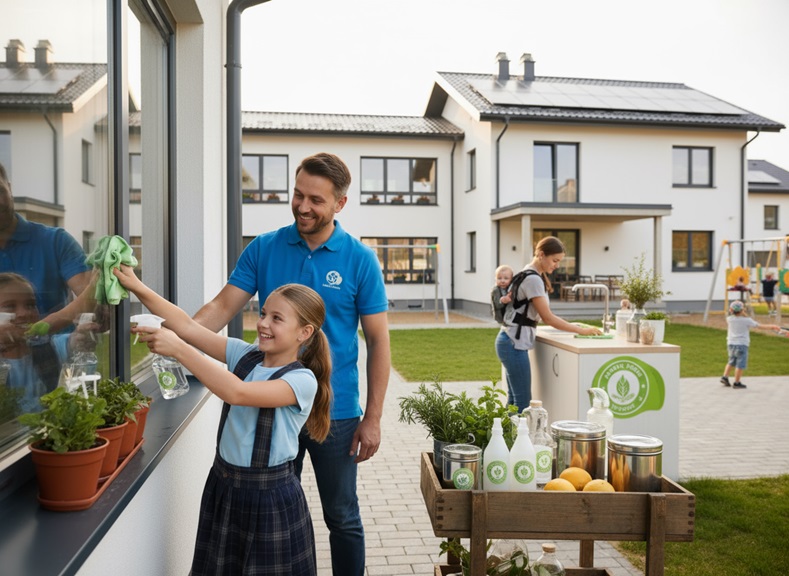
Cleanliness is essential in any environment where health and safety are priorities. Schools require rigorous hygiene to prevent the spread of illness, while homes need reliable solutions that protect children, pets, and family members. Choosing the right cleaning products goes beyond shine and fragrance it’s about protecting what matters most.
Non-toxic cleaning agents provide the balance between powerful performance and safety. These solutions eliminate dirt, germs, and odours without introducing harmful chemicals into the air or onto surfaces. For facility managers, parents, and business owners, they represent an investment in well-being as much as cleanliness.
What Makes a Cleaning Agent Non-Toxic?
A cleaning product is considered non-toxic when it achieves effective results without exposing users to dangerous chemicals or leaving residues that could harm health. Unlike industrial-grade bleach or ammonia, which deliver results but compromise safety, non-toxic cleaning agents are engineered to protect both people and surfaces.
They are typically:
- Plant-based or naturally derived, often formulated with biodegradable ingredients.
- Low in VOCs (Volatile Organic Compounds), reducing air pollution and respiratory irritation.
- pH-balanced, ensuring they clean effectively without corroding or damaging materials.
- Certified by independent organisations such as EcoLogo or Green Seal, proving their safety and performance.
A simple analogy illustrates the difference. Think of skin care: a gentle moisturising soap cleans effectively without irritation, while a harsh chemical scrub strips the skin and leaves damage behind. The same principle applies to cleaning products safety and strength can coexist when formulated correctly.
Why Choose Non-Toxic Cleaning Agents?
The decision to switch to safer cleaning solutions is more than a preference; it’s a necessity. Traditional chemical-heavy cleaners often cause:
- Respiratory irritation.
- Allergic reactions.
- Long-term health effects when used consistently in enclosed spaces.
For schools, the stakes are higher. Children breathe faster, have thinner skin, and absorb chemicals more readily than adults. Using non-toxic products ensures safe cleaning for schools, protecting young students and the staff who clean daily. Cleaner indoor air contributes to fewer absences, better concentration, and a healthier learning environment.
For homes, pets face their own risks. Dogs and cats often lick floors, nibble toys, or groom themselves after contact with treated surfaces. Even small traces of bleach, ammonia, or synthetic fragrances can lead to poisoning or skin issues. Non-toxic cleaning agents prevent these risks, ensuring families maintain both cleanliness and peace of mind.
Key Ingredients to Avoid
Understanding what doesn’t belong in safe cleaning products helps narrow the search for the right solutions. Several common ingredients found in mainstream cleaners are best avoided:
- Phthalates – Common in fragranced cleaners, these are linked to hormonal disruption.
- Ammonia – A strong irritant that can cause burns to skin and lungs.
- Chlorine bleach – Effective at disinfecting, but corrosive and dangerous if mixed with acids.
- Triclosan – An antibacterial additive now tied to antibiotic resistance.
- VOCs (Volatile Organic Compounds) – Responsible for headaches, nausea, and long-term respiratory issues.
By reading labels carefully, consumers and facility managers can avoid these hazards. Products that carry certifications from Green Seal or EcoLogo provide confidence that formulas meet strict health and environmental safety standards.
Understanding pH Levels in Cleaning Agents
One often overlooked aspect of cleaning solutions is pH level. The pH scale runs from 0 to 14, with 7 being neutral. Cleaning agents are formulated at different points on the scale for specific tasks:
- Acidic cleaners (pH 0–6): Designed for dissolving mineral deposits, soap scum, or rust.
- Neutral cleaners (pH ~7): Gentle and versatile, suitable for daily cleaning of floors and surfaces without damaging finishes.
- Alkaline cleaners (pH 8–14): Effective at breaking down grease, oils, and heavy soils.
For schools and homes where safety is paramount, neutral pH cleaners are the most reliable choice. They clean effectively without corroding surfaces or irritating skin. For example, Mr. Bean 5L All-Purpose Cleaner provides everyday cleaning power while maintaining a balanced pH suitable for sensitive environments.
Top Non-Toxic Cleaning Agents for Schools
Schools present a complex cleaning challenge. Large foot traffic, shared facilities, and strict hygiene demands mean only high-performance products will do. Yet those products must also support safe cleaning for schools.
Recommended categories:
- Multi-Surface Cleaners: Ideal for desks, tables, and whiteboards. Mr. Bean 5L All-Purpose Cleaner delivers versatility with a coffee scent that masks odours without synthetic perfumes.
- Floor Care: Corridors and classrooms need products that leave surfaces safe and residue-free. Neutral solutions protect finishes while reducing slip hazards. Pairing with the Polystar Orbital Floor Scrubber ensures deep, even cleaning.
- Disinfection: Classrooms, restrooms, and cafeterias require targeted sanitising. The Comet Foaming Cleaner & Sanitiser uses a foaming action for coverage without harsh fumes.
- Dust Control: Regular sweeping with Dust Control Mops reduces allergens and airborne particles.
Training staff is critical. Proper dilution, correct equipment use, and consistent schedules guarantee safe results. A professional tool like the Cleaning Hand Caddy helps keep supplies organised and accessible during busy shifts.
Non-Toxic Cleaning Agents for Homes with Pets
For households, safety means protecting every family member, including four-legged companions. Non-toxic cleaning agents reduce risks without compromising cleanliness.
Effective solutions include:
- Enzyme Cleaners – Perfect for pet accidents, these biologically active formulas break down stains and neutralise odours.
- Vinegar and Water Mixes – A reliable DIY solution for floors and surfaces.
- Baking Soda – Neutralises odours in carpets and soft furnishings.
- Mild Soaps – Suitable for washing food bowls, toys, and bedding.
Anecdote: A family in Perth replaced their bleach-based floor cleaner after noticing their cat, Milo, developed irritated paws. By switching to Mr. Bean 5L All-Purpose Cleaner diluted with water, the household maintained hygiene without exposing Milo to harmful residues. Within weeks, the irritation disappeared.
DIY Non-Toxic Cleaning Solutions
Homemade cleaning solutions are cost-effective and eco-friendly. They reduce packaging waste while allowing total control over ingredients.
Popular recipes:
- All-Purpose Spray: ¼ cup white vinegar, 2 tbsp baking soda, a few drops of lemon essential oil, topped up with water.
- Glass Cleaner: Equal parts vinegar and water applied with a microfibre mop head.
- Carpet Deodoriser: Baking soda sprinkled over carpets, left for several hours, then vacuumed with the Pacvac Superpro 700 Backpack Vacuum.
DIY solutions are not only safe but often surprisingly powerful when combined with professional-grade equipment.
Certifications and Standards That Matter
When selecting non-toxic cleaning agents, certifications provide assurance of performance and safety. Trusted standards include:
- EcoLogo (UL Environment) – Recognises reduced environmental impact.
- Green Seal – Focuses on health, safety, and product lifecycle.
- Safer Choice (EPA) – Identifies products safer for families and workers.
Products carrying these certifications have undergone rigorous testing, ensuring they meet the highest benchmarks for both safety and cleaning performance.
Proper Storage and Handling of Cleaning Agents
Even safe products require responsible handling. Key practices include:
- Store all cleaning agents in a cool, dry place away from sunlight.
- Keep products securely out of children’s and pets’ reach.
- Never mix different products, even if both are labelled non-toxic.
- Always follow manufacturer instructions for dilution and application.
Organising supplies in a Cleaning Hand Caddy ensures quick access while preventing unnecessary spills.
Making the Switch to Non-Toxic Cleaning
Transitioning is most effective when approached step by step. Start by replacing heavily used products such as floor or multi-surface cleaners. Once satisfied with their performance, continue with disinfectants and specialised products.
Over time, schools can shift entirely to safe cleaning for schools, ensuring long-term health benefits for students and staff. Homes will experience fewer allergy flare-ups and healthier pets. Businesses benefit from stronger reputations built on safe, sustainable practices.
Conclusion
The choice of cleaning products influences far more than appearances. With non-toxic cleaning agents, schools, homes, and workplaces achieve cleanliness while protecting health, safety, and the environment. By focusing on certified solutions, balanced pH formulas, and safe storage, organisations and households create healthier spaces for every occupant.For reliable, professional-grade solutions, explore Weskleen Supplies the hub for cleaning excellence. For enquiries or tailored advice, get in touch with the team