


Blog
Spot Cleaning vs Deep Cleaning: Choosing the Right Chemicals

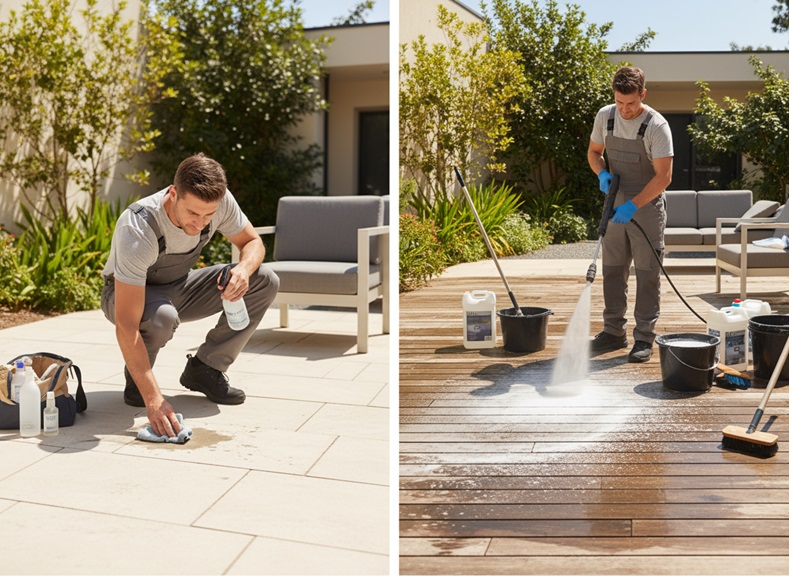
Cleaning isn’t a one-size-fits-all process. The difference between a tidy, well-kept environment and a professional-standard finish often comes down to how cleaning is approached and the types of products used. Spot cleaning and deep cleaning serve very different purposes, and using the wrong chemicals or techniques for the task at hand can lead to wasted time, unnecessary damage, or even safety risks. Think of it as the difference between a quick touch-up on a scuffed shoe versus a full polish and restoration – both are important, but each requires a different approach.
This article explores the nuances of spot cleaning vs deep cleaning, with a particular focus on choosing cleaning chemicals that deliver safe, effective, and professional-grade results. By understanding how to differentiate between routine touch-ups and periodic intensive cleaning, facility managers, business owners, and homeowners can achieve higher standards of hygiene while extending the life of their surfaces and equipment.
What is Spot Cleaning?
Spot cleaning is the frontline defence against everyday mess. It addresses spills, smudges, and stains immediately, ensuring they don’t set in or spread. Quick action reduces the chance of permanent damage and keeps surfaces looking presentable between scheduled cleans.
Examples include wiping a coffee spill on a countertop, cleaning a muddy footprint off a tiled floor, or removing fingerprints from a glass door. These quick interventions require products that are safe for daily use and versatile enough to handle a range of surfaces.
Key Takeaways:
- Spot cleaning prevents stains and dirt from becoming embedded.
- It is frequent, immediate, and maintenance-focused.
- It requires mild but effective cleaning solutions.
What is Deep Cleaning?
Deep cleaning is the comprehensive, scheduled process designed to remove ingrained dirt, bacteria, and grime from areas often missed during daily routines. It’s about restoring spaces to a hygienic baseline, improving not only appearance but also safety and health standards.
This type of cleaning covers hidden or neglected areas such as grout lines, behind appliances, ventilation systems, or high-touch areas that accumulate bacteria. Deep cleaning may occur monthly, quarterly, or seasonally, depending on the environment.
Key Takeaways:
- Deep cleaning is thorough, less frequent, and often labour-intensive.
- It uses stronger, specialised chemicals for targeted results.
- It ensures long-term cleanliness and hygiene compliance.
Key Differences Between Spot Cleaning and Deep Cleaning
The contrasts between the two methods can be summarised in three dimensions: frequency, intensity, and chemical requirements.
- Frequency: Spot cleaning is daily or ongoing; deep cleaning is periodic.
- Intensity: Spot cleaning is light and preventative; deep cleaning is comprehensive and restorative.
- Chemicals: Spot cleaning products are gentler, while deep cleaning chemicals are more specialised and powerful.
An easy analogy is oral care: brushing your teeth daily is like spot cleaning, while scheduled visits to the dentist for scaling and polishing represent deep cleaning. Both are non-negotiable for overall health.
Key Takeaways:
- Spot cleaning = frequent maintenance.
- Deep cleaning = periodic reset.
- Different chemical strengths are required for each.
Choosing Cleaning Chemicals for Spot Cleaning
When choosing cleaning chemicals for daily messes, the priority is safety and versatility. Products must deliver results without damaging delicate finishes or leaving behind harmful residues.
Recommended solutions:
- Mr. Bean 5L All-Purpose Cleaner: A versatile, coffee-scented solution ideal for everyday cleaning across multiple surfaces.
- Enduro Microfibre Mop Head: Lifts dirt without scratching, enhancing chemical efficiency.
- 16L Mop Bucket: A durable, ergonomic bucket for easy deployment of spot cleaning solutions.
Key Takeaways:
- Select gentle, multipurpose products for frequent use.
- Microfibre accessories increase cleaning effectiveness.
- Quick intervention reduces the workload of future deep cleans.
Deep Cleaning Chemicals: Choosing the Right Solutions
Deep cleaning chemicals are formulated to break down stubborn grime, sanitise high-risk areas, and restore heavily used surfaces. These are not for daily use but are indispensable for periodic overhauls.
Examples include:
- Comet Foaming Cleaner & Sanitiser: Ideal for high-hygiene environments such as bathrooms and kitchens.
- Polystar Orbital Floor Scrubber: When paired with heavy-duty cleaning agents, this machine provides deep restoration for hard floors.
- Long Life Timber Floor Polish: Restores and protects natural wood after a deep clean.
For commercial carpets, a Steamvac HP Auto 2 Carpet Steamer provides the intensity required to remove ingrained dirt that spot vacuums cannot reach.
Key Takeaways:
- Deep cleaning requires stronger, targeted products.
- Sanitisers, polishers, and heavy-duty machines deliver professional results.
- These processes should be scheduled and carefully planned.
Safety First: Chemical Handling and Storage
Professional standards demand consistent attention to chemical safety. Regardless of the task, chemicals should always be handled with respect.
Best practices include:
- Always wear appropriate PPE such as gloves and protective eyewear.
- Store chemicals in a cool, dry location away from direct sunlight.
- Never decant chemicals into unlabelled containers.
- Keep products out of reach of children and pets.
- Never mix chemicals unless specified as safe to do so.
For additional guidance, refer to the Safety Data Sheets (SDS) provided with all Weskleen products, or get in touch with the support team.
Key Takeaways:
- Safety comes before speed.
- Correct PPE and storage are non-negotiable.
- Consult SDS for detailed handling instructions.
Real-World Scenarios: Matching Chemicals to Cleaning Tasks
To illustrate how professional cleaners apply these principles, consider a café environment.
During service hours, a customer spills coffee on a tiled floor. A staff member immediately uses Mr. Bean All-Purpose Cleaner with a microfibre cloth. The stain is removed quickly, preventing a sticky residue. That’s spot cleaning at work.
At the end of the week, when foot traffic has taken its toll, the café manager wheels out a Polystar Orbital Floor Scrubber and applies a heavy-duty tile cleaner. Grout lines are restored, and the floor regains its original shine. This is deep cleaning, supported by the right tools and chemicals.
Key Takeaways:
- Use all-purpose cleaners for quick spill management.
- Employ specialised machines and chemicals for scheduled deep cleans.
- Matching chemicals to the scenario ensures efficiency and safety.
Maintaining Cleanliness: Integrating Spot and Deep Cleaning
The most effective strategy combines both approaches. Spot cleaning preserves appearance and prevents build-up, while deep cleaning eliminates long-term contaminants and restores materials.
Benefits of integration:
- Reduced labour costs by preventing accumulation.
- Extended life of flooring, furniture, and fixtures.
- Consistently hygienic environments that support staff and customer well-being.
Key Takeaways:
- Spot cleaning supports daily upkeep.
- Deep cleaning ensures compliance and hygiene excellence.
- Balance both methods for optimal efficiency.
Final Thoughts: Making the Right Choice
The success of any cleaning strategy rests on choosing cleaning chemicals that align with the task. Professional-grade spot cleaning products maintain daily standards, while deep cleaning chemicals restore and protect surfaces for the long term. By combining both methods, businesses and households ensure healthier environments, reduced downtime, and cost savings.
For expert guidance or tailored product recommendations, contact us today. Weskleen Supplies is the trusted partner for facility managers, contract cleaners, and homeowners seeking professional-grade solutions that deliver results without compromise.
Actionable Next Steps:
- Audit your current cleaning routine to identify gaps.
- Ensure you have both daily-use and deep-cleaning products in your inventory.
- Partner with Weskleen Supplies for long-term cleaning excellence.