


Blog
The Dos and Don’ts of Mixing Cleaning Chemicals

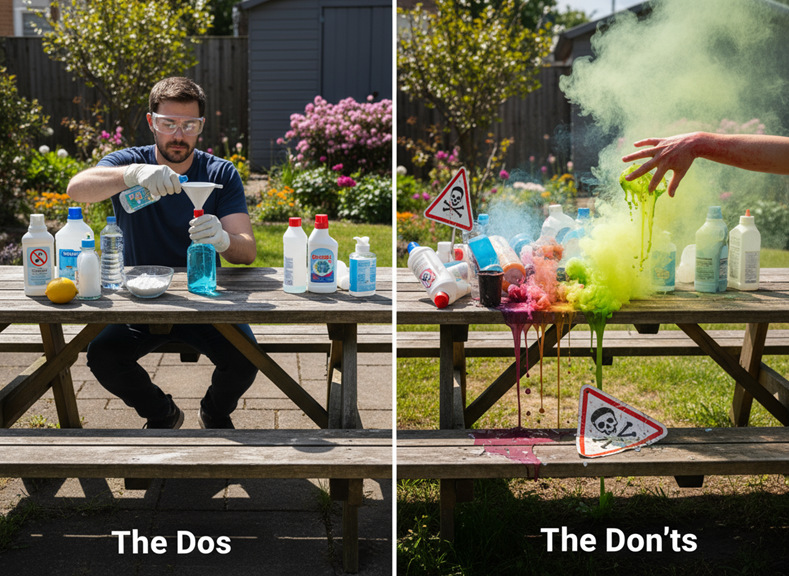
Mixing cleaning chemicals is one of the most common mistakes in both residential and professional cleaning. It often comes from the idea that combining two products will create extra strength or faster results. In reality, this practice is not only ineffective but also highly dangerous. Over the years, countless incidents have occurred where individuals have suffered from toxic fumes, burns, or hospitalisation simply because two products were combined.
Understanding the dangers of mixing cleaning chemicals, learning which combinations to avoid, and applying safe working practices are essential for anyone responsible for cleaning tasks. From facility managers overseeing large teams to homeowners carrying out routine cleaning, the same rules apply: safety first, quality results second.
This comprehensive guide provides cleaning chemical safety tips, examples of hazardous combinations, accident response steps, and professional alternatives for safe, effective cleaning.
Why Mixing Cleaning Chemicals Is Dangerous
On the surface, the logic seems straightforward: two strong products combined should produce a stronger result. In practice, the science works differently.
Key dangers include:
- Toxic fumes – Many reactions release gases that irritate the eyes, throat, and lungs. Some can be fatal after even brief exposure.
- Chemical burns – Mixing incompatible products can create caustic solutions that damage skin, surfaces, and protective equipment.
- Explosions – Certain mixtures generate unstable compounds that can ignite or explode unexpectedly.
- Neutralisation – Instead of boosting cleaning power, the active ingredients often cancel each other out, leaving you with a weaker, ineffective solution.
Cleaning chemicals are engineered much like specialised tools. A floor scrubber and a vacuum both clean, but they do so in very different ways. Trying to use them together for the same purpose makes no sense. The same principle applies to cleaning formulas. Each is designed to solve a problem on its own, and altering that balance is a recipe for trouble.
The Chemicals That Should Never Be Mixed
Some combinations are so dangerous they’ve become textbook examples in cleaning safety training. These are the most critical to remember.
Bleach and Ammonia
Combining bleach (sodium hypochlorite) with ammonia produces chloramine gas. Symptoms from exposure can include coughing, chest pain, severe shortness of breath, and in extreme cases, fluid in the lungs.
An incident occurred when a contract cleaner thought mixing these two would speed up stain removal on a tiled floor. Instead, he collapsed and required hospital treatment for respiratory damage. The cost of recovery far outweighed any perceived benefit.
Bleach and Acids
When bleach meets acidic products such as vinegar, toilet bowl cleaners, or rust removers, the reaction produces chlorine gas. This substance is historically infamous for its use as a weapon in World War I. Even low levels cause burning in the throat and eyes, breathing difficulties, and pneumonia. High concentrations can be fatal.
Bleach and Alcohol
Mixing bleach with isopropyl alcohol (common in disinfectants and hand sanitisers) generates chloroform. At first, exposure may cause dizziness or nausea, but higher concentrations can lead to unconsciousness or death.
Hydrogen Peroxide and Vinegar
Separately, both are useful cleaning agents. Together, especially in a closed container, they form peracetic acid. Even in small quantities, this substance irritates the skin, eyes, and respiratory tract. Concentrated exposure can cause burns and long-term health effects.
Different Drain Cleaners
Drain cleaners are designed with powerful formulas that break down hair, grease, and blockages. Some are acidic, others alkaline. Mixing them together often leads to violent reactions, producing heat and gas buildup that can result in an explosion.
Summary of danger zone chemicals:
- Bleach with ammonia creates chloramine gas.
- Bleach with acids produces chlorine gas.
- Bleach with alcohol generates chloroform.
- Hydrogen peroxide with vinegar creates peracetic acid.
- Different drain cleaners together may cause explosions.
Real-World Consequences of Unsafe Mixing
Incidents caused by unsafe mixing of cleaning chemicals are more common than most realise. Emergency services regularly attend calls where incorrect product use leads to toxic gas release or surface damage.
Case example: A small café in Perth once suffered an evacuation when staff unknowingly mixed two drain cleaners while trying to clear a blocked sink. The reaction produced fumes that quickly filled the kitchen. The café closed for two days, losing income and facing an expensive clean-up bill.
Accidents are not limited to workplaces. Domestic environments are equally risky. Homeowners frequently attempt to combine products to remove stubborn stains or sanitise bathrooms more quickly. These practices can result in burns, breathing issues, or long-term respiratory damage.
What to Do If Chemicals Are Accidentally Mixed
Even when following safety procedures, mistakes can still happen. Responding correctly minimises harm.
Steps to follow immediately:
- Ventilate the space – Open doors and windows to allow fresh air to disperse fumes.
- Evacuate occupants – Remove people and pets from the affected area without delay.
- Call emergency services – If anyone experiences symptoms such as coughing, dizziness, or breathing difficulty, seek professional medical help immediately.
- Contain only if safe – Use absorbent materials such as paper towels or cat litter to stop a spill spreading, but only if there’s no immediate danger.
- Contact waste management – Local authorities can advise on safe disposal of hazardous mixtures.
Key cleaning chemical safety tips for accidents:
- Always prioritise personal safety over saving materials.
- Never attempt to neutralise a reaction with another chemical.
- Leave serious clean-ups to professionals equipped with protective gear.
Safe Cleaning Practices That Deliver Results
Avoiding the dangers of mixing cleaning chemicals doesn’t mean sacrificing cleaning power. Safe and effective practices ensure hygiene standards without risking health or property damage.
Read and Follow Product Labels
Manufacturers provide detailed usage instructions for a reason. Labels highlight ingredients, dilution guidelines, and safety precautions. Reading them prevents misuse and ensures optimal results.
Use Products for Their Intended Purpose
A bathroom cleaner should stay in the bathroom. A degreaser is designed for kitchens and industrial environments, not for polishing timber floors. Misapplication not only risks safety but can also damage surfaces.
Work in Ventilated Areas
Cleaning in confined, poorly ventilated spaces increases the risk of inhaling fumes. Open windows and doors whenever strong chemicals are in use.
Store Chemicals Correctly
Keep products in original containers with intact labels. Store them in a cool, dry space, away from children and pets. Avoid transferring liquids into unmarked bottles, which increases the risk of accidental misuse.
Invest in Professional-Grade Products
Professional-grade products are formulated to be powerful, efficient, and safe when used correctly. They remove the temptation to experiment with unsafe mixtures by delivering results as intended.
Examples from Weskleen Supplies:
- Mr. Bean 5L All-Purpose Cleaner – versatile, everyday cleaning with a pleasant coffee scent.
- Polystar Orbital Floor Scrubber – professional-grade machine for deep cleaning floors without damage.
- Carpet Cleaning Machines – reliable equipment for extracting dirt and stains from carpets.
Anecdote: Lessons From the Café Floor
A café owner in Perth once faced a persistent problem: dark coffee stains on tiled flooring. Frustrated, he tried mixing various household cleaning agents, hoping the combined power would cut through the grime. Instead, the stains remained, and the fumes made the café unpleasant for staff.
Eventually, he invested in a Polystar Orbital Floor Scrubber and the appropriate cleaning solution. Within hours, the tiles looked brand new, and the air was clear of chemical smells. His staff could work comfortably, and customers noticed the fresh appearance immediately. The right tool achieved what unsafe improvisation could not.
Key Cleaning Chemical Safety Tips
- Mixing cleaning chemicals is hazardous and often counterproductive.
- The most dangerous combinations involve bleach with ammonia, acids, or alcohol.
- If an accident occurs, ventilate the area, evacuate occupants, and call for help if symptoms arise.
- Safe practices include reading labels, ventilating spaces, using products as intended, and storing chemicals securely.
- Professional-grade products from Weskleen Supplies offer safe, effective alternatives without the risks.
Conclusion and Next Steps
Mixing cleaning chemicals is a shortcut that never pays off. The risks of toxic gas, explosions, or ineffective results far outweigh any perceived benefit. By applying professional cleaning chemical safety tips and investing in the right products, you protect both people and property while still achieving spotless results.
Explore high-quality equipment and supplies through Weskleen Supplies. For tailored advice or assistance, get in touch with the team today. Safety and efficiency are always better when backed by professional expertise.