


Blog
Safe Waste Disposal Practices for Commercial Cleaning Crews

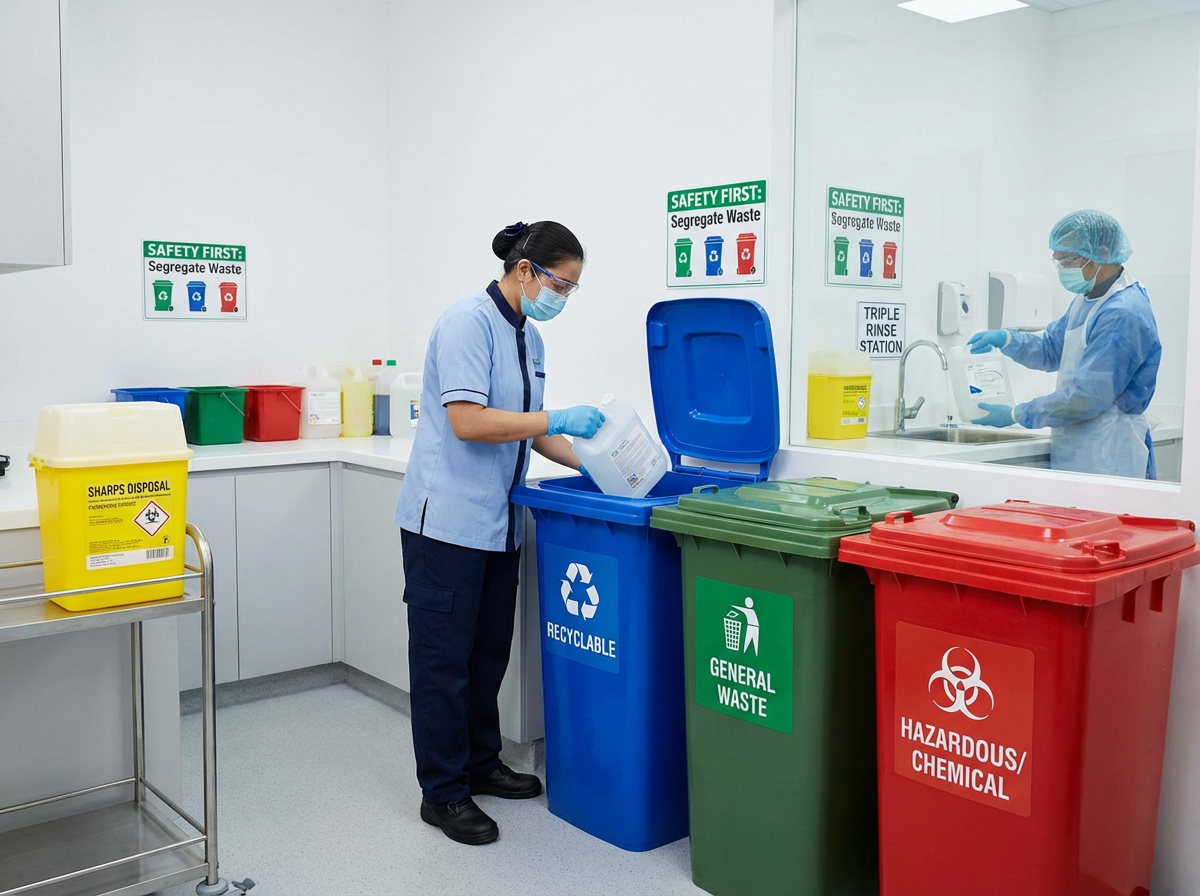
Commercial cleaning teams do more than polish floors and disinfect surfaces. They also handle the waste left behind – from chemical containers and contaminated materials to potentially hazardous substances. Safe waste disposal practices are what separate a professional cleaning operation from one that puts people, property, and the environment at risk. For dependable products and tools that support compliant waste management, you can explore the full range of professional cleaning solutions from Weskleen Supplies.
Correct waste disposal is not optional. It’s a legal and operational necessity that protects your crew, your clients, and your reputation.
Understanding Commercial Cleaning Waste Categories
Not all waste is the same. Knowing what type you’re handling determines the correct disposal route.
General Waste
Everyday items like paper towels, packaging, and non-contaminated rubbish go into standard bins. These are low-risk and follow routine disposal processes.
Chemical Waste
Empty containers, expired products, and concentrated solutions fall into this category. Even “empty” containers often contain residues that can react with other chemicals or pollute water systems.
Refer to the Safety Data Sheet (SDS) for each product from Weskleen Supplies before disposal.
Biohazardous Waste
This includes items contaminated with bodily fluids or medical waste from first-aid areas and healthcare facilities. These require strict protocols and approved waste contractors.
Recyclable Materials
Cardboard, certain plastics, and metals can be recycled – but only if clean and uncontaminated. Residue from cleaners or disinfectants disqualifies them from recycling streams.
Analogy: Think of waste segregation like sorting laundry. Mixing colours with whites ruins the whole load. Mixing waste types has the same costly effect.
Chemical Container Disposal Requirements
Empty doesn’t mean safe. Residual chemicals can still harm people and the environment.
- Drain thoroughly: Let containers empty completely – inverting for at least 30 seconds helps capture leftover product.
- Follow labels: Manufacturer disposal instructions are mandatory, not optional.
- Triple rinse: Fill one-quarter with water, shake, and pour into a designated collection container. Repeat three times.
- Collect rinse water: Never pour it down regular drains. Use dedicated disposal points or hazardous waste collection.
- Keep labels attached: Never remove or obscure labels. They identify what was inside and how to handle it safely.
If a product can’t be rinsed – such as those containing heavy metals, acids, or persistent compounds – the entire container must be treated as hazardous waste.
Personal Protective Equipment (PPE) for Waste Handling
Waste handling concentrates every hazard from the cleaning process. Proper PPE prevents injuries and contamination.
- Gloves: Use puncture-resistant gloves for waste tasks – not light nitrile gloves used for surface cleaning.
- Eye protection: Compressing rubbish bags can release contaminants. Safety goggles prevent exposure.
- Respiratory protection: Use N95 or half-face respirators when handling biological or chemical waste.
- Footwear: Slip-resistant, puncture-proof shoes prevent injuries from hidden sharp objects.
When removing PPE, take off gloves first, wash hands, then remove eye and respiratory protection. This sequence avoids cross-contamination.
Segregation Systems That Work
Complex systems often fail. Keep it simple, clear, and consistent.
- Three-bin system: General waste, hazardous/chemical waste, and recyclables.
- Clear labelling: Use text and symbols, not colour alone. Large, legible signs prevent confusion.
- Bag colour: Clear for general waste, yellow for hazardous materials. Avoid opaque black bags.
- Right size bins: Prevent overfilling, which causes splitting and spills.
- Separation: Store different waste types apart to avoid cross-contamination.
Storage Requirements Before Collection
Waste storage carries its own risks before pickup.
- Separate storage areas: Keep waste away from chemical stock or food preparation zones.
- Ventilation: Prevent heat buildup; high temperatures can cause pressure in chemical containers.
- Containment: Use bunded trays or secondary containment to capture leaks.
- Access control: Lock storage areas to prevent unauthorised entry.
- Time limits: Biological waste should not be stored beyond seven days; log disposal dates to ensure compliance.
Sharps and Broken Glass Protocols
Sharp injuries are among the most serious workplace risks. They are entirely preventable with the right system.
- Never handle sharps or glass by hand, even with gloves.
- Use tools: Tongs, dustpans, or brushes to collect sharp objects safely.
- Rigid containers: Dispose of sharps in puncture-proof, sealable containers. Never overfill beyond the marked line.
- Mark waste bags: Label clearly with warnings such as “Caution: Glass” or “Sharps Inside.”
- Incident logging: Record near misses as well as injuries to improve protocols.
Liquid Waste Management Standards
Pouring chemicals into drains is never an acceptable shortcut.
- Check pH: Wastewater systems can only handle near-neutral liquids (pH 5-10). Strong acids or bases require neutralisation or specialist collection.
- Track volumes: Follow local regulations on maximum discharge quantities.
- Never mix liquids: Combining incompatible chemicals can cause reactions or gas release.
- Avoid oil-based products: Polishes, waxes, and petroleum-based products must go to licensed collection facilities.
- Mop water: Drain only if products used are certified drain-safe and properly diluted. Otherwise, treat as liquid waste.
For safe and compliant cleaning, the Comet Foaming Cleaner & Sanitiser offers an effective option that rinses clean and supports environmentally responsible disposal.
Documentation and Compliance Records
Regulations demand proof of correct disposal practices.
- Waste tracking logs: Record date, type, quantity, and disposal method for each waste event.
- Chain of custody: Maintain paperwork from creation to contractor collection for hazardous waste.
- Compliance certificates: Keep disposal certificates on file for audits or client reviews.
- Training records: Maintain documentation of crew training sessions, including topics and attendance.
- Incident reports: Record spills, segregation errors, or near misses. Use findings to update procedures.
Handling Unknown or Unlabelled Waste
Treat all unknown waste as hazardous until proven otherwise.
- Isolate immediately: Move it to a secure, ventilated area away from other materials.
- Document everything: Photograph the container, any markings, and note where it was found.
- Do not open: Never attempt to identify by smell or direct contact.
- Consult specialists: Engage licensed waste professionals for testing and disposal if needed.
Prevent recurrence by maintaining legible labels on every container and using tools like the Cleaning Hand Caddy to keep products organised and properly marked.
Training Crews on Disposal Protocols
Training turns written procedures into consistent practice.
- Practical demonstrations: Show proper sealing, lifting, and segregation methods using real materials.
- Scenario-based learning: Present situations such as a leaking container or unlabelled waste and walk through responses.
- Regular refreshers: Focus on one aspect monthly, such as chemical disposal or sharps safety.
- Include disposal in product training: Every time a new chemical or tool is introduced, teach its disposal method alongside use.
Real-world example: A Perth cleaning company reduced chemical incidents by 40% after incorporating five-minute waste protocol reviews at the end of weekly safety meetings.
Supporting Tools for Safer Waste Disposal
Weskleen Supplies provides a wide range of equipment that supports compliance and efficiency:
- Comet Foaming Cleaner & Sanitiser: Rinses clean for safer chemical management.
- Cleaning Hand Caddy: Keeps products labelled and segregated.
- Oates Ergo Extra-Long Toilet Brush: Reduces splash risk in amenity maintenance.
- Dust Control Mops: Captures fine particles during clean-up.
- 16L Mop Bucket: Ideal for segregated mop-water disposal.
To develop a compliant waste management framework for your facility, including bin configurations and chemical disposal systems, feel free to get in touch with the Weskleen team for tailored support and product guidance.