


Blog
How Automation and Smart Tools Improve Cleaning Consistency

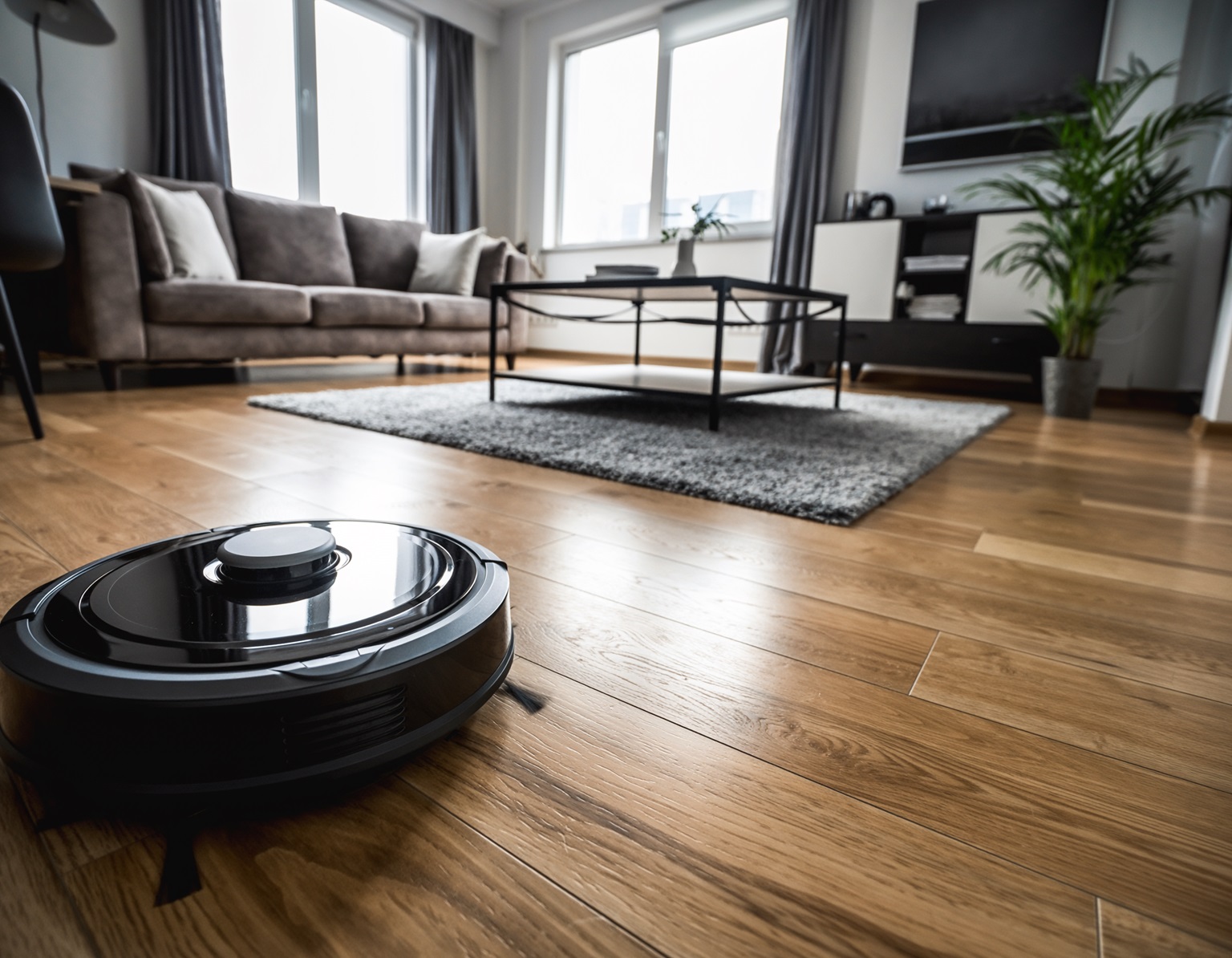
Walk into any well-managed commercial facility at six in the morning, and it becomes immediately clear why automation matters. The floors gleam uniformly, surfaces are streak-free, and no corner is overlooked. This is not a matter of luck or overextended staff effort. It is the result of automated cleaning tools designed to deliver consistent, high-quality results every time.
The contrast between manual and automated cleaning is stark when maintaining large areas. A floor scrubber does not tire after two hours or rush through the final corridor before finishing. From shopping centres to aged care facilities, automation enhances both efficiency and reliability.
Why Manual Methods Create Inconsistent Results
Human error is inevitable. When someone mops a 200-square-metre warehouse floor by hand, fatigue sets in. Pressure changes, coverage overlaps, and cleaning strokes vary. Small differences accumulate, creating visible inconsistencies that facility managers and clients notice quickly.
Cleaning outcomes also differ based on technique. One cleaner may prefer circular motions, another straight lines. Some may dilute chemicals slightly differently each time. These variations lead to inconsistent results.
Automated systems remove these uncertainties. The Polystar Orbital Floor Scrubber applies the same downward pressure and rotational speed on every use, regardless of the operator. The process remains uniform from start to finish.
A contract cleaning company that transitioned from manual mopping to automated scrubbers across three office buildings recorded a 73% reduction in client complaints within two weeks. The cleaning frequency remained the same, but the consistency improved dramatically.
How Automation Standardises Chemical Application
Consistency in chemical dilution is vital to achieving uniform cleaning outcomes. Using too much product can leave residue, while using too little may lead to poor sanitisation. Automated dispensing systems measure and mix chemicals precisely, ensuring optimal concentration in every cycle.
It works much like a calibrated coffee machine that delivers identical strength every time. Manual preparation depends entirely on an individual’s attention and accuracy.
A leisure centre struggling with inconsistent sanitisation found success after installing automated chemical dispensers linked to its cleaning equipment. The system maintained consistent chemical ratios across all shifts, ensuring reliable hygiene standards.
Research from the International Sanitary Supply Association shows that automated chemical systems reduce waste by 25–30% annually, saving costs while maintaining consistent quality.
Smart Sensors That Detect What Humans Miss
Modern cleaning equipment integrates sensors that analyse surface conditions in real time. These smart tools detect soil levels, debris density, and moisture, automatically adjusting brush speed, suction, or solution flow for optimal results.
The Medusa Battery-Powered Sweeper exemplifies this technology. It increases power when encountering heavily soiled areas and conserves energy when surfaces are already clean.
Sensor-enabled machines have been shown to remove up to 60% more fine particulate matter than traditional machines, improving both hygiene and indoor air quality. The difference lies not in operator skill but in the equipment’s precision.
Programmable Cleaning Routes Eliminate Missed Areas
Missed areas are a common issue in commercial cleaning. Corners and sections are sometimes overlooked due to human oversight or time pressure. Robotic and semi-automated cleaning equipment prevent this problem through programmable routes.
Once a space is digitally mapped, the equipment follows the same path on every cycle. The system ensures complete coverage without depending on memory or manual tracking.
A shopping centre in Perth adopted robotic scrubbers for its main concourse. Prior to automation, the cleaning team occasionally missed sections during peak hours. After programming the robots to operate overnight, 100% of the area was cleaned consistently. Customer satisfaction and cleanliness scores improved significantly within a month.
Automated window cleaning systems operate on similar principles, maintaining streak-free surfaces and full coverage without variation between operators.
Scheduled Maintenance Prevents Equipment Decline
Consistency in results depends on the condition of the equipment used. A mop head past its service life or a vacuum with a blocked filter cannot perform optimally. Smart machines now monitor their internal systems and provide alerts for maintenance before performance drops.
The Pacvac Superpro 700 Backpack Vacuum includes a filter monitoring system that alerts operators when airflow becomes restricted. This prevents reduced suction and ensures each clean is as effective as the last.
Automated maintenance logs also extend equipment lifespan by scheduling servicing based on actual usage hours, not arbitrary time intervals.
Real-Time Data Improves Accountability
Traditional quality control methods rely on random inspections or feedback after issues arise. Connected cleaning equipment now records and transmits data in real time, offering complete transparency and accountability.
Performance logs show which areas were cleaned, when tasks were completed, and whether standards were met. This data supports accurate reporting, quality assurance, and continuous process improvement.
A facility services company that implemented connected floor scrubbers across its sites reported a major reduction in client disputes. Cleaning activity was verified through data rather than memory, enhancing trust and operational clarity.
Battery Technology That Delivers Consistent Power
Declining suction or power output during a shift can lead to uneven cleaning. Modern lithium-ion battery systems eliminate this issue by maintaining consistent power throughout their charge cycle.
The Pacvac Superpro 700 Battery Kit provides stable suction from start to finish, ensuring all areas receive equal attention. Multiple interchangeable batteries allow continuous operation without downtime.
Testing shows that consistent-power systems remove up to 35% more soil in later stages of cleaning compared to older battery types, directly improving overall consistency.
Automated Dispensing Reduces Cross-Contamination
Facilities such as hospitals, childcare centres, and food production sites cannot risk cross-contamination. Manual preparation of chemicals introduces opportunities for contamination through spills, overhandling, or solution reuse.
Automated dispensing eliminates these risks. Chemicals move from sealed containers directly into the cleaning equipment, maintaining concentration and hygiene integrity.
The Comet Foaming Cleaner & Sanitiser performs effectively in these systems, providing visible coverage through foam while ensuring correct concentration.
A pathology clinic that adopted an automated dispensing setup achieved a 60% improvement in environmental hygiene test results within three months. The cleaning products remained the same; the consistency of application changed everything.
How Floor Scrubbers Outperform Manual Mopping
The difference between mopping and automated scrubbing is significant. A mop redistributes water and chemicals, removing surface dirt but leaving residue. A floor scrubber applies solution, agitates with rotating brushes or pads, and extracts dirty water immediately.
Testing in industrial environments shows that scrubbed floors retain 60% fewer particulates after drying compared to manually mopped surfaces. The cleaned areas look similar to the naked eye, but microscopic cleanliness is far superior.
Automated scrubbers also extract moisture efficiently, leaving floors dry within minutes. This minimises slip risks and downtime, allowing facilities to remain operational during cleaning.
Explore the range of floor scrubbers available in Perth for suitable models that match various floor types and cleaning volumes.
Colour-Coded Systems Prevent Cross-Use Errors
Even advanced cleaning technology requires proper procedural support. Colour-coded systems help prevent the use of the wrong tools in sensitive areas, reducing the risk of bacterial transfer.
The Enduro Microfibre Mop Head supports this practice by offering multiple colours for zone-specific cleaning. The system is simple and visual, reducing errors even among new staff.
Research by the Global Hygiene Council shows that facilities using colour-coded systems reduce cross-contamination incidents by up to 78%, proving that visual organisation enhances hygiene and consistency.
Microfibre Technology Combined With Automation
Microfibre materials deliver exceptional cleaning performance because of their fine split fibres, which trap dirt and moisture more effectively than cotton or synthetic fibres. When combined with automation, they elevate results even further.
Machines using microfibre pads or dust control mops remove up to 50% more soil per pass than traditional materials. The combination of microfibre’s mechanical capture and the machine’s agitation provides a deeper, more uniform clean.
Microfibre also maintains performance across hundreds of laundering cycles, ensuring consistent efficiency over time.
Ergonomic Design Improves Operator Consistency
Operator fatigue can reduce cleaning quality. Ergonomic equipment is designed to minimise physical strain, enabling consistent performance throughout long shifts.
The Cleaning Hand Caddy enhances workflow efficiency by keeping supplies organised and within reach, reducing unnecessary trips. Similarly, well-balanced backpack vacuums distribute weight evenly, allowing longer use with less effort.
Facilities using ergonomic tools report up to a 35% improvement in task consistency compared to those relying on traditional equipment. Consistency in technique and energy directly translates to consistent results.
The Operational Advantage of Automation
Automation enhances the reliability, safety, and quality of cleaning operations. By removing guesswork, fatigue, and variability, automated cleaning tools ensure predictable, professional outcomes across every surface and shift.
Smart technology not only improves hygiene and efficiency but also reduces costs, product waste, and maintenance downtime. It supports operators by standardising tasks and empowering teams to maintain high standards with less effort.
To achieve long-lasting, professional results, explore the full range of advanced cleaning solutions from Weskleen Supplies or get in touch with the Weskleen team for expert advice on selecting the right automated systems for your facility.