


Blog
Proper Storage of Cleaning Chemicals in Australia’s Climate

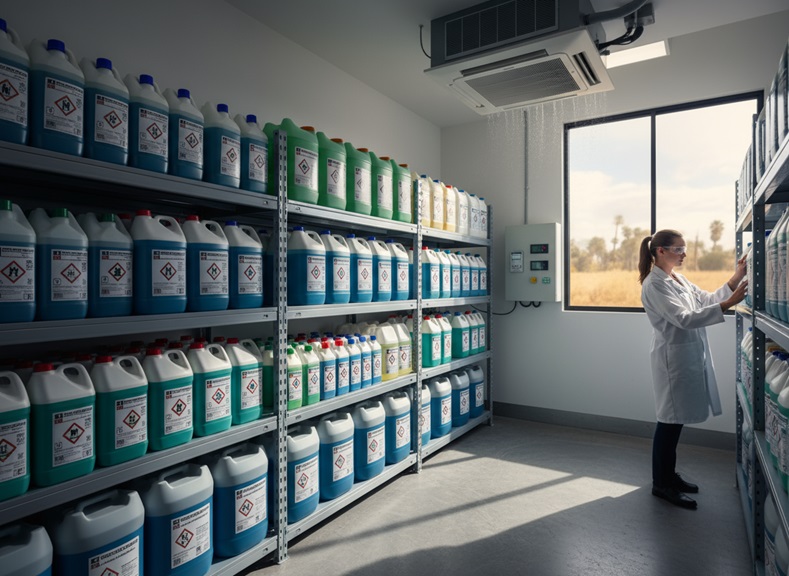
Australia’s climate is as diverse as it is unforgiving. From the dry desert heat of the interior, to the tropical humidity of the north, and the coastal summers of Western Australia, these conditions can wreak havoc on cleaning products if they’re not stored correctly. Proper storage of cleaning chemicals in Australia’s climate is more than just a matter of convenience , it directly impacts safety, effectiveness, and compliance with workplace standards. When handled well, your investment in cleaning supplies lasts longer, performs better, and protects both people and property.
This article serves as a comprehensive guide for facility managers, business owners, and homeowners who rely on cleaning chemicals every day. By understanding chemical hazards, adopting safe storage practices, and choosing quality products, you can ensure that every bottle, container, and machine delivers the results it was designed for.
Why proper storage matters
Cleaning chemicals are designed to perform specific functions. Their formulas are carefully balanced, but that balance is easily disrupted by extreme heat, humidity, or exposure to light. Improper storage can lead to:
- Reduced effectiveness: Heat and sunlight accelerate chemical breakdown, meaning products lose their cleaning power.
- Safety hazards: Poorly stored chemicals can leak, release harmful fumes, or cause accidental reactions.
- Increased costs: When products degrade, you use more for the same result. That’s wasted money and wasted effort.
Storing cleaning chemicals correctly keeps them safe to use and ensures they work as intended. It also reduces the risk of harm to staff, customers, or family members. In a commercial environment, correct storage protects your reputation and ensures compliance with Work Health and Safety (WHS) regulations.
Safety first
Accidents involving cleaning chemicals often come down to simple storage mistakes. A bottle left in direct sunlight, an acid stored next to bleach, or a leaking container placed near electrical equipment can quickly escalate into a dangerous situation.
Safe storage reduces risks such as:
- Children or pets accessing chemicals in residential settings.
- Accidental mixing of incompatible chemicals, which can release toxic gases.
- Spills and leaks that create slip hazards or corrosive damage.
- Fire hazards when flammable products are left near ignition sources.
Every workplace or home should have a dedicated storage plan for chemicals, supported by clear labelling, restricted access, and regular checks for leaks or expired products.
Maintaining effectiveness
Chemical stability is critical to performance. Products that are degraded by poor storage don’t just clean less effectively; they may leave behind residues, create unpleasant odours, or require repeat applications.
Heat, sunlight, and humidity are the main culprits. In many parts of Australia, summer conditions regularly exceed the recommended storage temperatures printed on product labels. The result is:
- Shortened shelf life.
- Ineffective cleaning power.
- The need for premature disposal, creating environmental waste.
Correct chemical storage in Australia means adapting to regional conditions and investing in storage solutions that protect your supplies year-round.
Understanding chemical hazards
Before determining where and how to store your chemicals, you must understand the hazards they present.
Reading the label
Every product label contains vital safety information, including handling precautions, storage requirements, and first aid instructions. Industrial-grade products will also be accompanied by a Safety Data Sheet (SDS), which outlines specific hazards and safe handling practices.
Common hazard symbols
Becoming familiar with hazard symbols is essential:
- Skull and crossbones – toxic substances.
- Flame icon – flammable chemicals.
- Corrosive symbol – acids or alkalis that can burn skin or corrode materials.
By understanding these symbols, you can instantly assess what risks a product poses and how it must be stored.
Best storage practices in Australia’s climate
Location
Choose a cool, dry, and well-ventilated area. Avoid exposure to direct sunlight and sources of heat such as ovens, hot water pipes, or machinery. While garages or sheds may seem convenient, they often trap heat in summer. For businesses, dedicated storage cabinets are ideal.
Segregation
Always separate incompatible chemicals. For example, acids and alkalis must never be stored side by side, as a leak could cause a violent reaction. Bleach and ammonia, when combined, release toxic chloramine gas. A simple rule: keep different chemical families apart.
Containers
Keep chemicals in their original containers wherever possible. If transfer is necessary, use a container designed for chemical storage, label it clearly, and ensure it has a secure seal. Never reuse food or drink containers for chemicals.
Ventilation
Poor ventilation allows fumes to build up, creating an unsafe environment. Storage areas should be equipped with vents or air circulation systems to prevent the accumulation of hazardous vapours.
Western Australia-specific considerations
Western Australia’s climate presents unique challenges. During summer, Perth and surrounding regions regularly experience temperatures above 35°C. Such heat accelerates chemical degradation and creates pressure inside sealed containers.
For businesses operating in WA, consider:
- Temperature-controlled storage cabinets for sensitive chemicals.
- Fire-resistant cabinets for flammables.
- Spill containment systems to prevent leaks spreading.
Anecdote: The Fremantle café
Take the example of a small café in Fremantle. The owners initially stored their cleaning chemicals under the kitchen sink. In summer, the cramped space reached extreme temperatures, causing containers to swell and leak. After investing in a ventilated storage cabinet placed in a cool storeroom, their products lasted longer, their staff felt safer, and compliance audits ran smoothly.
Specific chemical storage tips
Flammables
Flammable liquids such as solvents and alcohol-based cleaners should be kept in fire-resistant cabinets, well away from ignition sources. Even static electricity can pose a risk.
Corrosives
Acids and alkalis can damage containers and cause severe injuries. Store them in corrosion-resistant cabinets with spill trays underneath. Always use gloves and eye protection when handling.
Oxidisers
Chemicals like hydrogen peroxide are highly reactive. Keep them away from flammables and store them in cool, shaded areas to reduce the risk of violent reactions.
Emergency procedures
Even with the best storage practices, accidents can still happen. Preparedness makes all the difference.
Spill response
Keep spill kits in every area where chemicals are stored. A good kit includes absorbent pads, neutralising agents, and protective equipment. Follow SDS instructions for specific clean-up methods.
First aid
Know what to do if someone is exposed. Common responses include rinsing skin or eyes with water for at least 15 minutes or seeking immediate medical attention. Ensure staff are trained to act quickly.
Emergency contacts
Display key contact numbers near storage areas:
- Poisons Information Centre (13 11 26).
- Local fire and emergency services.
Legal requirements and standards in Australia
Work Health and Safety (WHS) regulations
WHS Regulations require businesses to manage risks associated with hazardous chemicals. This includes proper storage, accurate labelling, and access to SDS documents.
Australian Standards
Standards such as AS 3780 (storage and handling of corrosive substances) provide detailed technical guidance. These cover everything from ventilation to container materials.
Western Australia compliance
WA has its own specific WHS framework. Certain businesses may require licences to store particular classes of hazardous substances. Staying informed about local obligations prevents costly penalties.
Choosing the right cleaning supplies
Quality matters
Not all cleaning chemicals are created equal. Low-cost, consumer-grade products often sacrifice stability and safety for price. Over time, this leads to higher usage rates, safety risks, and inconsistent results.
Professional-grade solutions
Weskleen Supplies offers a wide range of professional-grade cleaning chemicals and equipment, engineered for performance and durability. For example:
- Mr. Bean 5L All-Purpose Cleaner – versatile and effective for everyday use.
- Comet Foaming Cleaner & Sanitiser – ideal for high-hygiene areas.
- Long Life Timber Floor Polish – protects and enhances timber flooring.
Environmentally friendly choices
Eco-conscious businesses are increasingly selecting biodegradable and low-toxicity cleaning solutions. These products reduce environmental impact while maintaining professional-grade performance.
Analogy: Chemicals and food freshness
Think of chemicals like fresh produce. If you leave vegetables in the sun or meat on the counter, they spoil quickly. In the same way, cleaning chemicals lose their effectiveness when exposed to heat, humidity, or light. Proper storage is the equivalent of refrigeration , it keeps everything fresh, safe, and ready to use.
Practical steps for facilities and homes
- Audit your current storage practices.
- Group chemicals by hazard type.
- Invest in suitable storage cabinets or shelving with containment features.
- Train staff or household members on handling and first aid.
- Keep SDS sheets accessible for all chemicals.
Next steps
- Review your current storage practices for gaps or risks.
- Train staff or family members in safe handling and emergency response.
- Invest in appropriate storage solutions, from spill kits to ventilated cabinets.
- Explore the full range of professional cleaning products available at Weskleen Supplies.
- For tailored advice, get in touch with the team for expert guidance.
Conclusion
Proper storage of cleaning chemicals in Australia’s climate is a matter of safety, efficiency, and compliance. By understanding hazards, respecting environmental conditions, and investing in high-quality solutions, you protect your staff, your customers, and your property. With the right storage practices, chemicals last longer, perform better, and pose fewer risks.
For reliable, professional-grade solutions, Weskleen Supplies provides products designed to meet the challenges of the Australian climate. With planning and commitment, every business and household can create a safer, more effective cleaning environment.