


Blog
Stain Removal Tips: Best Chemicals for Tough Stains

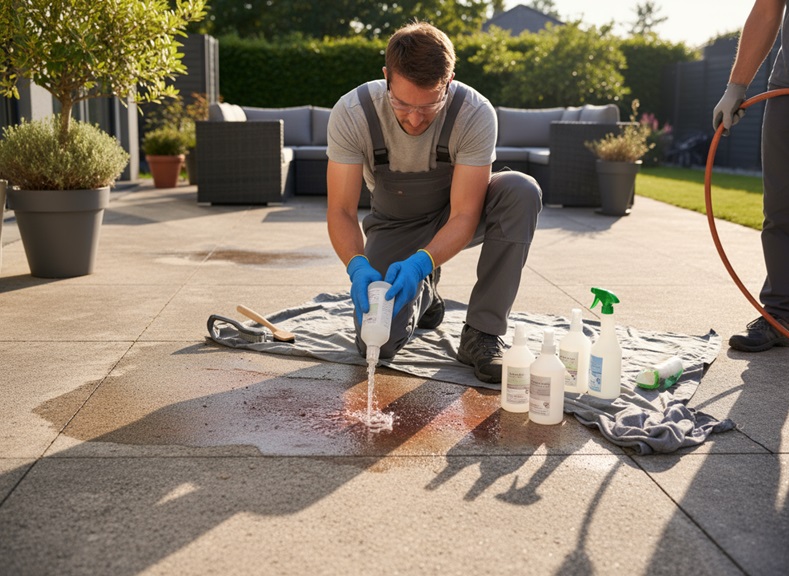
Tough stains can ruin the appearance of a space if they are not handled correctly. Coffee on carpet, grease in a commercial kitchen, or rust in a washroom are more than cosmetic blemishes they’re challenges that demand professional solutions. Success depends on using the right stain removal chemicals, matched precisely to the stain, and applying tested, practical methods. With the right knowledge and products, even the most stubborn marks can be eliminated.
Understanding Stains: The Basics
Stains are chemical interactions between soiling agents and the surface material. They don’t simply sit on top they bond. To break those bonds, you need chemistry that’s suited to the type of contaminant.
- Organic stains (coffee, wine, blood): respond best to enzymatic cleaners, which break down organic molecules at their root.
- Inorganic stains (rust, mineral deposits): require acidic stain removal chemicals to dissolve mineral bonds.
- Grease and oils: are effectively tackled with solvents or strong alkaline detergents that emulsify and lift residues.
Cleaning professionals know that using the wrong solution can set a stain permanently or damage the surface itself. Matching stain type to chemical is always the starting point.
Key takeaways:
- Correct identification is essential.
- Organic, inorganic, and greasy stains all require different chemistry.
- The right choice prevents further damage.
The Arsenal: Essential Stain Removal Chemicals
Every professional cleaning kit should be stocked with reliable, purpose-built stain removal chemicals. A well-equipped arsenal ensures readiness for any situation:
- All-Purpose Cleaners: Flexible for daily stains. Mr. Bean 5L All-Purpose Cleaner is an excellent everyday choice, handling light stains while leaving a subtle coffee scent.
- Degreasers: A must in food preparation areas or industrial workshops where oil and grease dominate.
- Enzymatic Cleaners: Break down food, blood, and other protein-based stains at a molecular level.
- Sanitisers: Combine cleaning power with disinfection, protecting hygiene-critical environments. Comet Foaming Cleaner & Sanitiser is one such product.
- Adhesive Removers: Designed for sticky messes. Goof Off Adhesive Remover dissolves glue, tape, and sticker residues quickly.
Key takeaways:
- A balanced range covers daily needs and specialist problems.
- Adhesive removers and degreasers are vital in professional settings.
- Relying on professional-grade solutions delivers consistency.
A Detailed Breakdown of Chemical Types
Acidic Cleaners
Acidic stain removal chemicals work by dissolving mineral-based soils. They are essential for removing rust, lime, or calcium build-up. Think of acid as the dissolver: it eats away at deposits that alkalines or detergents can’t touch.
- Common Uses: rust stains, mineral deposits, toilet bowls, shower tiles.
- Example Products: Oxalic acid-based removers for rust.
- Analogy: Just as lemon juice cuts through scale in a kettle, acidic cleaners dissolve deposits on hard surfaces.
Alkaline Cleaners
Alkalines break down fats, oils, and proteins. They work by saponifying grease, turning it into a form that can be rinsed away.
- Common Uses: kitchens, greasy floors, machinery.
- Strengths: Effective on food-service stains, from fryer oil to baked-on food.
- Analogy: An alkaline cleaner is like hot water on butter—it melts the fat, making it easier to remove.
Solvents
Solvent-based stain removal chemicals dissolve stains that water-based products cannot touch, such as ink, paint, or adhesives.
- Common Uses: ink stains on desks, adhesive residue, marker pen stains.
- Example Products: Goof Off Adhesive Remover.
- Analogy: Solvents are like dissolving sugar in hot tea—they break apart compounds at a molecular level.
Enzymatic Cleaners
These use biological catalysts to break down stains from organic matter. They target proteins, fats, or carbohydrates, making them perfect for blood or food-based stains.
- Common Uses: blood in healthcare, pet stains in carpets, food spills in restaurants.
- Strengths: Gentle on materials but highly effective at breaking down organic soils.
- Analogy: Enzymatic cleaners work like digestive enzymes in your stomach breaking down complex matter into smaller, manageable particles.
Matching Stains to Solutions: A Practical Guide
Practical application is where tough stain removal tips come into play. Here’s a reference for everyday challenges:
- Coffee/Tea: All-purpose cleaner first, vinegar solution if needed.
- Red Wine: Blot quickly, cover with salt, then follow with a remover.
- Grease/Oil: Degreaser applied directly, allowed to sit, then rinsed.
- Blood: Cold water and an enzymatic cleaner.
- Ink: Alcohol-based cleaners, applied by blotting.
- Rust: Oxalic acid-based cleaners.
Case story – Hospitality: A café in Perth once faced multiple coffee spills during a packed morning service. With Mr. Bean All-Purpose Cleaner stocked, staff were able to clean chairs and tables immediately, preventing permanent staining and avoiding disruption to business.
Key takeaways:
- Speed of action matters most.
- Always test cleaners on a hidden area.
- Blot stains rather than scrubbing.
Safety First: Handling Chemicals Responsibly
With strong cleaning power comes responsibility. Professional-grade stain removal chemicals must be handled with care:
- Always read the label.
- Wear gloves and protective eyewear.
- Ensure ventilation.
- Never mix chemicals.
- Store securely away from children and pets.
Case story – Healthcare: A hospital cleaning team used an acid-based descaler in a poorly ventilated space. Symptoms of irritation forced them to halt work. After correcting the protocol ventilation and masks tasks were completed without risk. This highlights why safety rules matter.
Key takeaways:
- PPE is not optional.
- Ventilation protects users.
- Safe storage prevents accidents.
Pro Tips for Stubborn Stains
When stains won’t budge, these professional techniques provide results:
- Pre-soak textiles to loosen embedded particles.
- Steam cleaning with the Steamvac HP Auto 2 Carpet Steamer combines heat and moisture for deep results.
- Professional call-outs resolve stains that resist every other attempt.
Case story – Office: A law firm in Perth had permanent ink stains on boardroom tables. Consumer cleaners failed. A solvent-based adhesive remover restored the table without damaging the finish, proving the value of professional-grade products.
Key takeaways:
- Persistence matters.
- Steam cleaning refreshes fibres and upholstery.
- Professionals deliver when in-house solutions fail.
Maintaining Cleanliness: Prevention is Key
Prevention reduces stain incidents and prolongs surface life:
- Implement regular cleaning schedules.
- Apply protective coatings like Long Life Timber Floor Polish to shield vulnerable surfaces.
- Respond immediately to spills.
Case story – Healthcare: A clinic applied protective polish to waiting room floors. Spills were cleaned faster, and long-term staining was reduced, lowering maintenance costs.
Key takeaways:
- Routine maintenance saves effort.
- Protective finishes extend surface life.
- Immediate responses prevent permanence.
Product Comparisons: Professional vs Consumer-Grade
All-Purpose Cleaner
Consumer-grade options include generic supermarket sprays.
The professional-grade choice, Mr. Bean 5L All-Purpose Cleaner, offers a concentrated formula that lasts longer and is safe on multiple surfaces.
Adhesive Remover
Most consumer products come from small-scale domestic brands.
In contrast, Goof Off Adhesive Remover provides faster action and works effectively on industrial adhesives.
Carpet Cleaner
Household users typically rely on basic rental units.
Professionals use the Steamvac HP Auto 2 Carpet Steamer, which delivers deep cleaning and ensures longer equipment life.
Sanitiser
Consumer-grade sanitisers are often simple household disinfectant sprays.
The professional-grade Comet Foaming Cleaner & Sanitiser combines cleaning and sanitising functions, making it ideal for high-hygiene environments.
Key takeaway: Consumer products may suffice for light cleaning, but professional-grade stain removal chemicals deliver efficiency, safety, and lasting results.
Conclusion: The Path to Stain-Free Success
The challenge of stains is solved by combining the right stain removal chemicals with proven professional methods. From cafés managing coffee spills to hospitals protecting hygiene, the correct products make all the difference.
Weskleen Supplies provides a complete range of professional-grade solutions. Whether it’s protecting timber floors, removing adhesives, or sanitising critical spaces, the products are designed for reliability and safety. For tailored advice, get in touch with our team today.
Actionable Next Steps
- Identify the stains most common in your setting.
- Stock up on the right stain removal chemicals.
Build a preventative cleaning routine for long-term success.