


Blog
Guide to Commercial Cleaning Trolleys and Kits

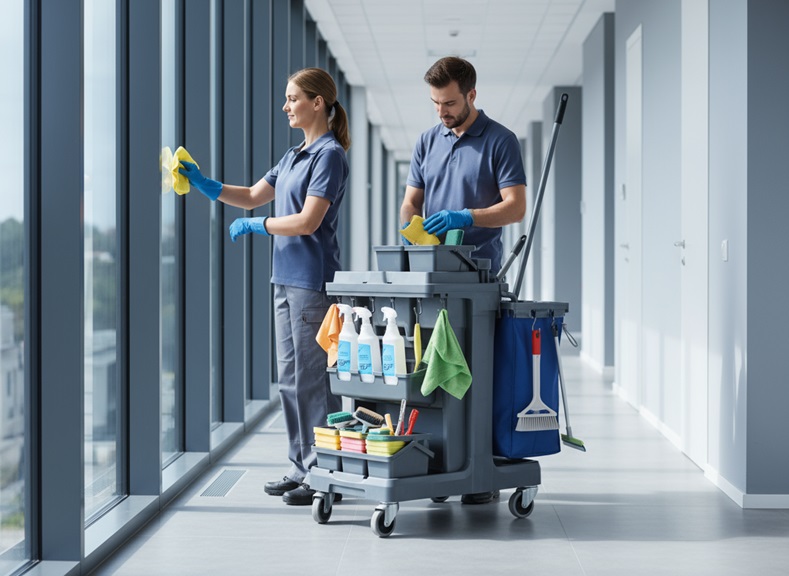
Professional-grade cleaning equipment is an investment. The right mop, scrubber, or vacuum from Weskleen Supplies doesn’t just help deliver superior cleaning results — it ensures efficiency, hygiene, and durability over the long term. But that investment only pays off when the tools are cared for properly. Maintaining cleaning tools and learning how to store cleaning tools correctly are essential practices that separate professionals from amateurs.
Every well-run cleaning operation, whether in a commercial facility, a small café, or a busy household, relies on equipment that is ready for action every day. Neglecting even the simplest tool can result in wasted effort, poor hygiene, and unnecessary replacement costs. Proper maintenance keeps everything in peak condition and guarantees reliable results.
This comprehensive guide lays out the proven methods for maintaining and storing cleaning tools. It covers everything from mops and vacuums to floor scrubbers, chemicals, and general storage systems, providing clear, practical steps that ensure longevity, hygiene, and efficiency.
Why Proper Maintenance Matters
Cleaning equipment is no different from a car or a piece of industrial machinery. Without regular attention, performance suffers, small issues grow into costly problems, and breakdowns happen at the worst possible time. A neglected mop is as ineffective as a car that hasn’t had an oil change in years.
- Extends lifespan: Regular care prevents premature wear and tear.
- Maintains hygiene: Clean tools prevent cross-contamination and the spread of germs.
- Ensures efficiency: Equipment works at its designed capacity, saving both time and labour.
When cleaning tools are not maintained, they quickly become liabilities. A mouldy mop head spreads bacteria. A clogged vacuum reduces productivity. A floor scrubber with neglected hoses ends up sidelined for expensive repairs. Consistent care and smart storage are small steps that prevent bigger costs down the line.
Cleaning Basics for All Tools
Every tool, regardless of its design, follows the same foundational principles of care. By applying these universal rules, you create a baseline for cleanliness and performance.
- Rinse thoroughly: Always rinse tools with clean water after each use to remove debris and chemical residues.
- Disinfect regularly: Choose a disinfectant designed for professional use, such as Comet Foaming Cleaner & Sanitiser, which both sanitises and deodorises.
- Dry completely: Moisture promotes mould and bacterial growth. Drying is just as important as cleaning.
Skipping any of these steps shortens tool life and increases health risks. Think of rinsing, disinfecting, and drying as the “holy trinity” of maintaining cleaning tools. Without all three, hygiene and efficiency are compromised.
Mop Maintenance
Mops are the unsung workhorses of cleaning. Day after day, they’re tasked with tackling spills, stains, and everyday grime. Without proper care, however, they quickly go from cleaning surfaces to spreading dirt.
Washing Mop Heads
Microfibre mop heads, like the Enduro Microfibre Mop Head, are highly effective because of their absorbency and ability to trap fine dirt particles. But they demand specific care to maintain those properties.
- Machine wash separately to prevent fibres from clogging with lint.
- Use warm water, avoiding high heat that damages fibres.
- Never use fabric softener it leaves a residue that reduces absorbency.
- Air dry mop heads, as tumble drying breaks down fibres over time.
Anecdote: Sarah, who runs a bustling café in Perth, learned this lesson the hard way. For months, she washed mop heads with regular laundry and added fabric softener, thinking it would keep them fresh. Instead, her floors stayed streaky. Once she switched to washing them separately and skipping softener, her café floors gleamed again, and her mop heads lasted twice as long.
Storing Mops Properly
Cleaning isn’t finished until the mop is stored correctly.
- Hang mop heads to dry completely.
- Use a mop holder to keep them off the floor.
- Store in a ventilated area to discourage mould growth.
Key Takeaways:
- Wash microfibre mop heads regularly without fabric softener.
- Store mops by hanging in a well-ventilated space.
Vacuum Cleaner Care
Vacuum cleaners are vital for maintaining hygiene across carpets and hard floors, especially in commercial settings. A powerful unit like the Pacvac Superpro 700 Backpack Vacuum provides unmatched mobility and suction, but only when maintained properly.
Emptying and Cleaning
- Empty the dust bag or container after every use or once it’s two-thirds full.
- Clean filters frequently. Washable filters should be rinsed and dried thoroughly before reinsertion. Replace disposable filters as per manufacturer recommendations.
- Inspect hoses and attachments for clogs that reduce airflow.
Cord and Hose Maintenance
Vacuum cords and hoses take daily abuse, but care prevents premature failure.
- Avoid pulling cords harshly; unwind them carefully.
- Regularly check for frays, cracks, or cuts.
- Store hoses without sharp bends or twists to prevent damage.
Key Takeaways:
- Empty bags or containers after use.
- Clean or replace filters to maintain suction.
- Inspect cords and hoses to avoid downtime.
Floor Scrubber Upkeep
Machines like the Polystar Orbital Floor Scrubber represent a significant investment, and proper upkeep protects that investment.
Cleaning After Use
- Empty recovery and solution tanks immediately after use.
- Rinse tanks thoroughly to prevent odours and bacterial growth.
- Clean pads or brushes, removing any entangled debris.
- Wipe down machine surfaces with a damp cloth.
Inspecting and Maintaining
- Regularly check hoses and connections for leaks or wear.
- Inspect brushes or pads for wear and replace as needed.
- Lubricate moving parts following manufacturer guidelines.
Analogy: A floor scrubber is like a pair of running shoes. With proper care — cleaning the soles, airing them out, and checking the laces — they’ll take you far. Ignore them, and they’ll break down mid-run.
Key Takeaways:
- Clean tanks and pads after every use.
- Inspect and lubricate regularly to catch issues early.
Chemical Storage Best Practices
Maintaining cleaning tools also extends to the chemicals that support them. Storing chemicals properly is essential for safety, efficiency, and compliance.
- Always follow label instructions carefully.
- Store chemicals in a cool, dry area, away from direct sunlight.
- Keep chemicals secured, out of reach of children or unauthorised personnel.
- Never mix chemicals unless explicitly directed. Mixing the wrong solutions can release toxic fumes.
Analogy: A chemical storage area should be treated like a medicine cabinet. Each product has a specific use, and combining them without guidance is dangerous.
Key Takeaways:
- Follow manufacturer labels.
- Store in safe, controlled environments.
- Keep chemicals separate and secured.
General Storage Tips
Beyond specific tools, organisation and storage play a critical role in efficiency. Tools stored improperly waste time and create hazards.
- Organise storage areas: Use racks, holders, and a Cleaning Hand Caddy for easy access.
- Label everything: Clear labelling avoids confusion and misuse.
- Rotate stock: Use older products first to minimise waste.
Knowing how to store cleaning tools efficiently also contributes to professionalism. A well-organised cleaning cupboard is a sign of discipline and pride in the work.
Key Takeaways:
- Keep equipment storage neat and labelled.
- Use caddies and racks for organisation.
- Rotate supplies to prevent expiry.
Key Takeaways
- Maintaining cleaning tools extends their lifespan and ensures hygiene.
- Rinse, disinfect, and dry tools thoroughly after each use.
- Store mops and vacuums properly to avoid contamination or damage.
- Floor scrubbers require thorough cleaning and regular inspections.
- Chemicals must be stored safely and securely.
- Organised storage saves time and supports professional results.
Next Steps
Putting these practices into action ensures long-term benefits.
- Assess current equipment for condition and cleanliness.
- Create a maintenance schedule for daily, weekly, and monthly tasks.
- Stock up on essential supplies such as Comet Foaming Cleaner & Sanitiser, Enduro Microfibre Mop Heads, or the Pacvac Superpro 700 Backpack Vacuum.
- Train staff to follow maintenance routines consistently.
- For personalised product advice, get in touch with the Weskleen Supplies team.
These steps help maintain efficiency and protect your investment, ensuring cleaning operations remain professional, hygienic, and reliable.