


Blog
Bleach vs. Detergent: When to Use Each for Effective Cleaning

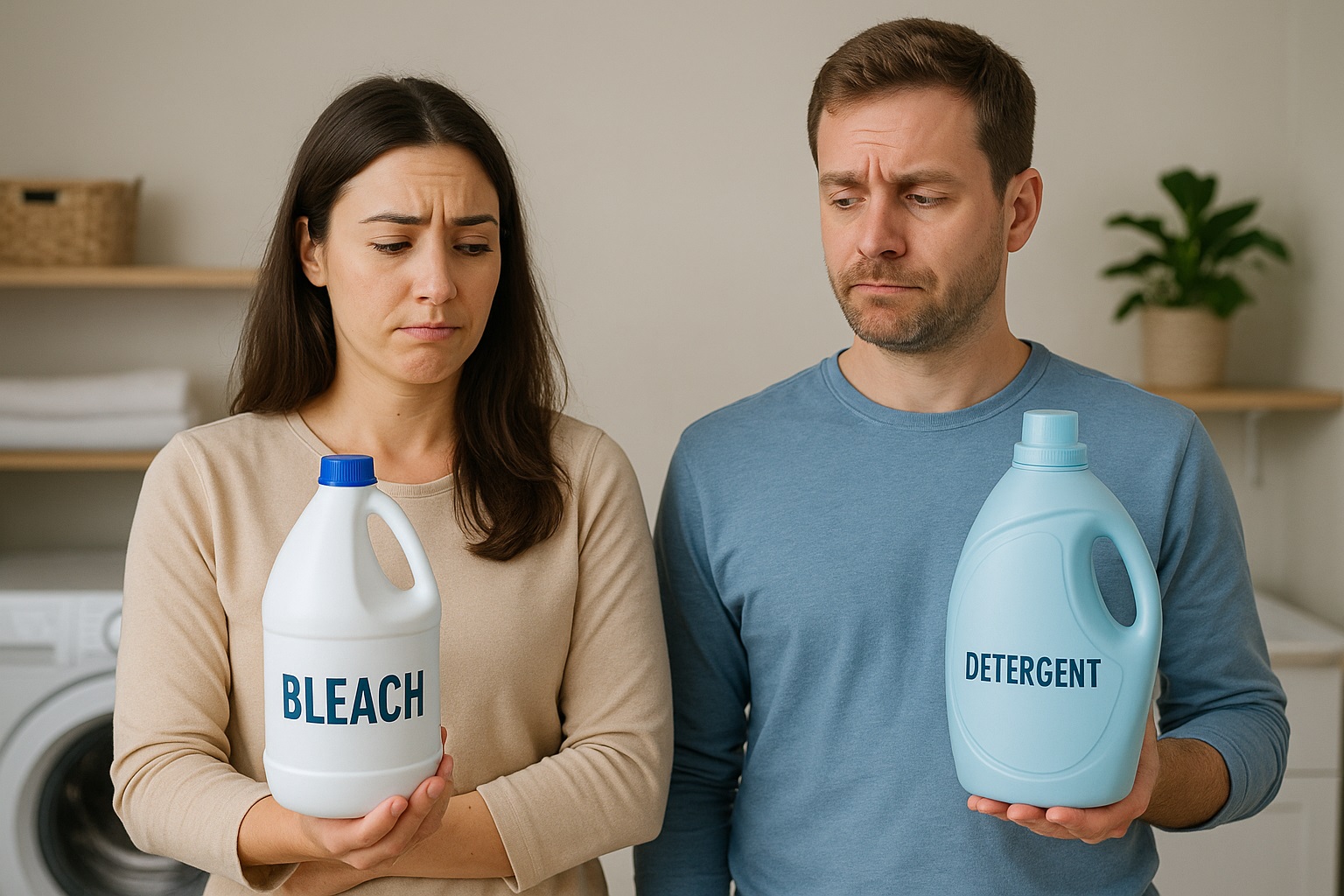
Not many cleaning issues are more controversial than bleach and detergent. Specific individuals claim to use bleach on all matters, whereas other people use detergent in their kitchens, bathrooms, and all corners of their homes. The two camps are out of the big picture. These two products do not compete; they are friends. They both have their distinct functions, and the distinction between clean and dirty is the difference between a good appearance and an actual safe and clean surface.
For business owners, facility managers, or start-ups building cleaning routines from scratch, this clarity matters. Misusing products can damage surfaces, put staff at risk, or even lead to compliance failures. At home, it might mean lingering germs in the kitchen or discoloured timber floors.
Understanding bleach vs detergent and the right cleaning product uses is one of the simplest ways to raise standards while saving time and money.
What Detergent Actually Does
Detergent is the go-to for tackling visible dirt and grease. It’s built to break the bond between soil and surfaces, making grime easier to lift away. In technical terms, it works by using surfactants that loosen particles so they can be rinsed. In everyday terms, it’s what makes a greasy frying pan spotless or a tiled floor shine again.
Where detergent is most effective:
- Wiping down benchtops in kitchens or canteens.
- Mopping floors in offices, shops, or homes.
- Keeping desks and workstations free of coffee rings and dust.
- Laundry use for uniforms or fabrics.
A product like Mr Bean 5L All-Purpose Cleaner is designed for this daily role. It’s powerful enough for commercial use but safe for routine jobs, leaving surfaces clean and fresh.
The important reminder here: detergent deals with dirt, but not germs. A spotless countertop cleaned with detergent alone may still carry bacteria invisible to the eye.
What Bleach Really Does
Bleach plays a different role. It is a disinfectant and oxidiser. Its main job is to kill germs, whiten surfaces, and eliminate odours. Unlike detergent, it doesn’t remove grease or soil effectively. Instead, it finishes the job the detergent started by ensuring hygiene.
Where bleach is most effective:
- Toilets, bathrooms, and showers.
- Food-preparation areas where cross-contamination risks are high.
- Tiles and grout that need whitening.
- Treating mould or mildew in damp corners.
Products like Comet Foaming Cleaner & Sanitiser combine the disinfecting power of bleach with foaming action, allowing longer contact time on surfaces that need deeper sanitisation.
The takeaway: Bleach eliminates germs and brightens surfaces, but won’t cut through greasy residue.
Bleach vs Detergent: Why the Difference Matters
Imagine that detergent is the soap that removes dirt from hands. The bleach, on the other hand, is the sanitiser which is used to ensure that bacteria are killed. They both help but are best used one right after another, not as isolated tools.
A surface treated with detergent alone may sparkle but still carry unseen germs. A surface treated with bleach alone may be sanitised but still look grubby. This is why training cleaning staff, or simply setting up more brilliant home routines, must involve teaching not just what to use, but when to use it.
When Detergent is the Right Choice
Detergent should be the first product reached for in most cases. It lifts away grease, dirt, and residue, leaving a clean canvas ready for further sanitisation if required.
Typical detergent tasks:
- Wiping down kitchen counters after cooking.
- Cleaning office desks and meeting room tables.
- Mopping retail or office floors.
- General daily cleaning at home, from bedrooms to laundries.
Using a reliable all-purpose solution, such as Mr Bean 5L All-Purpose Cleaner, ensures that surfaces are not only visibly clean but also prepared for disinfection when needed. Staff training should also emphasise the importance of correct dilution; too much detergent can leave sticky residues, while too little reduces effectiveness.
When Bleach is the Right Choice
Bleach should be brought in where hygiene and disinfection are the priorities. It’s not for every job, but it is essential for controlling germs and preventing the spread of illness.
Typical bleach tasks:
- Disinfecting toilets, sinks, and bathroom fixtures.
- Sanitising cutting boards and food-prep benches after raw meat handling.
- Removing mould in showers or outdoor walls.
- Whitening grout lines or keeping tiles bright.
For convenience in commercial settings, products like Comet Foaming Cleaner & Sanitiser make the job easier by combining cleaning and disinfection.
When Not to Use Them
Misuse of bleach or detergent is a common source of complaints and costly mistakes.
Avoid bleach when:
- Cleaning wooden floors, stone, or granite, bleach corrodes and discolours.
- Washing coloured fabrics or carpets strips colour.
- Maintaining metal fixtures, bleach accelerates rust.
Avoid detergent-only cleaning when:
- Sanitisation is essential in areas such as food-prep areas or healthcare facilities.
- Preventing cross-contamination in shared offices or kitchens.
The Safe Way to Use Both
One of the most dangerous errors is mixing bleach with other chemicals. When combined with acids or ammonia, bleach produces toxic gases that can hospitalise staff.
The safe, professional sequence is straightforward:
- Use detergent first to clean away visible dirt and grease.
- Rinse thoroughly with clean water.
- Apply bleach (or a bleach-based sanitiser) to disinfect.
- Rinse again if product instructions recommend it.
This routine ensures surfaces are both visually clean and hygienically safe.
Relatable Scenarios
At Home: A kitchen bench that has been wiped with detergent could appear clean after the preparation of raw chicken. However, in the absence of bleach or a sanitiser, dangerous bacteria may remain. It is better to use detergent and then do it with bleach because this way the family will not be exposed to unnecessary risks.
In Business: This was a small cafe that used detergent to clean the premises at night. In a health check-up, they failed on hygiene, even in the case of clean-looking surfaces. The proposed solution to the issue, which was adding a step of detergent followed by bleach, helped reach compliance and resolve the problem.
The cleaning teams in the Office offer significant attention to vacuuming and dusting desks, but leave the door handles and light switches uncleaned. These high contact points are fast transmitters of germs – in one office in Perth, the training staff were trained on the use of detergent cleaning, followed by specific bleach sanitising and sick days were reduced.
Tips for Business Owners
Understanding cleaning product uses is crucial, but so is ensuring staff know how to apply that knowledge. Without clear training, mistakes are inevitable.
Practical steps to implement:
- Keep bleach and detergent in different stores, marked.
- Offer easy checklists on where each of the products belongs.
- Provide the staff with PPE, including gloves and goggles.
- Vindicate the process of detergent first and then bleach.
- Provide refresher courses to keep the staff safe.
For tailored advice, the team at WesKleen Supplies can guide you in choosing the right products for your facility.
Conclusion
The debate around bleach vs detergent is only confusing until the purpose of each is made clear.
- Detergent removes dirt, grease, and visible mess.
- Bleach disinfects, whitens, and kills germs.
Neither is better; each has its role. Used in sequence, they provide both cleanliness and safety. For businesses, that means satisfied clients and healthier workplaces. For households, it means hygienic kitchens, bathrooms, and living spaces.
Professional-grade products like Mr. Bean All-Purpose Cleaner and Comet Foaming Cleaner & Sanitiser simplify the process, ensuring results that last.
For tailored recommendations and support, connect with WesKleen Supplies.