


Blog
Creating a Sustainable Office Cleaning Plan: Reduce Waste and Chemicals

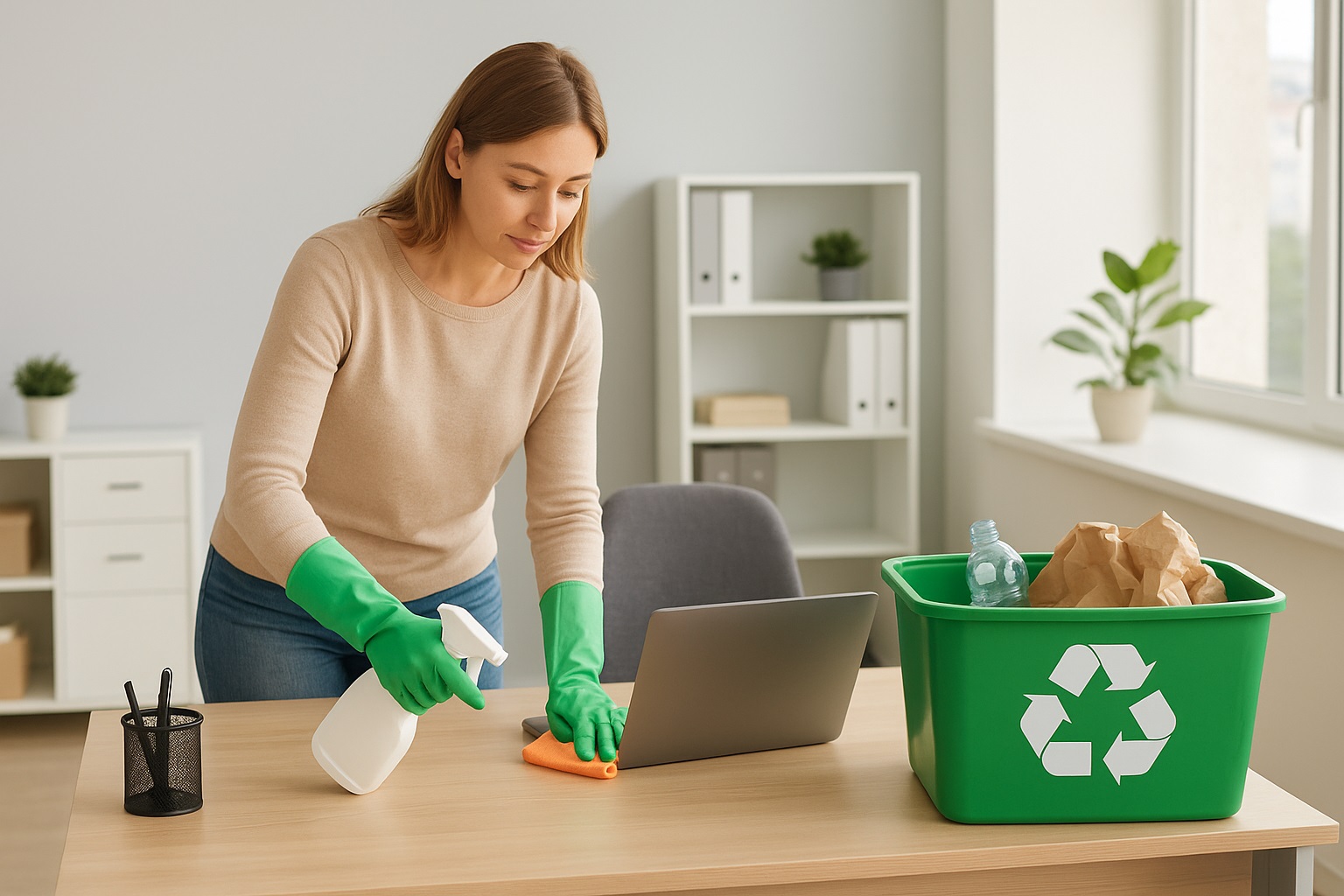
In the case of modern offices in Perth, productivity or profitability is no longer considered the sole criterion used to judge them. Clients, employees, and partners more closely note the sustainability practices. Cleaning is one of the spaces that go unnoticed, but it is a visible change.
A practical, sustainable office cleaning plan goes beyond appearances. It secures the health of the staff, enhances environmental performance and long-term cost reduction through waste reduction and chemical dependency minimisation. Regarding the products you select, the manner in which the staff use them, each choice counts.
This guide provides a step-by-step framework for Perth businesses to rethink their cleaning strategy and reduce cleaning waste without compromising on hygiene or efficiency.
Step 1: Assess Current Practices
Categorising the current position would be the first task in a sustainable plan. Most offices usually fail to recognise the amount of waste and unnecessary use of chemicals that are part of their day-to-day operations.
Common Problem Areas
- Excessive use of Chemicals: Cleaners tend to pour more than what is required, believing that more is better. As a matter of fact, overdosing wastes money and destroys surfaces.
- Disposable Products: Paper towels, single-use wipes, and low-quality mop heads add up to large volumes of landfill waste.
- Energy-Intensive Machines: Old vacuums or polishers consume more electricity and often perform less effectively.
- Packaging Waste: Single-use spray bottles and small chemical containers increase plastic waste.
How to Audit
- Track monthly chemical and consumable use.
- Review bin contents for recyclable or compostable materials.
- Speak with cleaning staff about their routines and challenges.
- Identify equipment that frequently breaks or needs replacement.
By establishing a baseline, you can set realistic goals for improvement.
Step 2: Set Measurable Sustainability Goals
A plan without measurable goals is just a good intention. Establishing clear targets ensures accountability and progress.
Examples of Office Cleaning Sustainability Goals
- Reduce cleaning waste (paper towels, packaging, disposable wipes) by 25% within 12 months.
- Replace at least 50% of chemical products with eco-friendly, non-toxic alternatives within six months.
- Cut water use in mopping and cleaning by 20% by introducing microfibre systems.
- Extend the lifespan of flooring and carpets through proper maintenance, reducing replacement costs.
Make these cleaning objectives congruent with larger company sustainability objectives like energy saving, recycling or waste diversion. This integration will make cleaning not an incident but a form of the overall strategy.
Step 3: Choose Eco-Friendly Products and Tools
The choice of products and equipment that you make will define the level of success in your plan. The appropriate tools not only do the cleaning better, but they also become helpful towards long-term sustainability.
Smarter Product Choices
- Microfibre Technology: Traps more dirt and requires less water and chemical use.
- Example: Enduro Microfibre Mop Head.
- Durable Mop Buckets: Reusable, long-lasting buckets reduce waste compared to cheaper, breakable versions.
- Example: 16L Mop Bucket.
- All-Purpose Eco-Friendly Cleaners: Concentrated, biodegradable formulas that clean multiple surfaces, replacing several traditional chemicals.
- Example: Mr Bean 5L All-Purpose Cleaner.
- Sanitising Alternatives: Eco sanitisers reduce reliance on harsh bleach-based products.
- Example: Comet Foaming Cleaner & Sanitiser.
Energy-Efficient Equipment
Investing in modern, efficient machines is one of the fastest ways to reduce environmental impact.
- Battery-powered sweepers reduce electricity use.
- High-efficiency vacuums like the Pacvac Superpro 700 combine ergonomic design with strong suction, improving air quality.
It is important to note that by concentrating on professional-level sustainable workplace supplies, offices do not suffer the so-called false economy of cheaply made products that fail to break easily or perform poorly.
Step 4: Train and Engage Staff
Staff that is not trained well cannot perform even the best products. Human behaviour usually dictates whether a plan is successful or not.
Training Focus Areas
- Correct Dilution: Many eco products are concentrated. Staff must know the proper mixing ratios to avoid waste.
- Efficient Application: Demonstrate the best techniques for mopping, sanitising, and dusting.
- Equipment Care: Proper maintenance extends the life of vacuums, scrubbers, and buckets.
- Waste Awareness: Encourage staff to think before using disposable wipes or overloading bins.
Engagement Tactics
- Encourage cleaning teams on the sustainability of shares.
- Reward employees who make contributions to waste reduction.
- Make sustainable choices feasible by making refill stations and microfibre cloths more accessible.
Whenever employees feel part of it, they tend to adopt and maintain new practices.
Step 5: Implement Waste Reduction Strategies
Reducing waste is central to any sustainable office cleaning plan. This doesn’t mean compromising cleanliness; it means using more innovative methods.
Practical Approaches
- Switch to Refillables: Replace single-use spray bottles with refillable systems.
- Compost Paper Towels: Offices with composting facilities can divert huge volumes of waste.
- Recycle Packaging: Partner with suppliers that offer bulk packaging or take-back schemes.
- Replace Wipes with Microfibre: Cloths and mop heads can be washed and reused hundreds of times.
- Durable Tools: Invest in equipment built to last, avoiding constant replacement waste.
These strategies not only reduce cleaning waste but also cut supply costs over time.
Step 6: Monitor, Measure, and Improve
Sustainability isn’t a one-off effort; it’s a cycle of continuous improvement.
Setting Key Metrics
- Chemical Use: Track litres used per month before and after switching.
- Waste Volumes: Measure how much rubbish is diverted from landfill.
- Equipment Lifespan: Record how long tools last compared to older products.
- Staff Feedback: Regularly ask cleaning teams for input on new processes.
Adjusting the Plan
Review quarterly to identify successes and challenges. For example, if microfibre uptake is high but paper towel use remains steady, investigate whether more compost bins or better staff education are needed.
Practical Perth Office Example
A Perth CBD law firm implemented a structured, sustainable cleaning plan in 2022.
- They replaced disposable wipes with microfibre cloths.
- Swapped half their chemicals for eco alternatives like Mr Bean 5L Cleaner.
- Introduced refill stations to cut down plastic waste.
- Trained staff on correct product usage.
Within 12 months, the firm reported:
- A 30% reduction in chemical purchases.
- 40% less waste generated from cleaning operations.
- Improved staff feedback on air quality and overall workplace freshness.
This case demonstrates that sustainable cleaning is both achievable and impactful in Perth’s business context.
Why Partnering with the Right Supplier Matters
The best plans succeed when backed by the right expertise. Sourcing eco-friendly supplies from trusted providers ensures performance matches sustainability goals.
Weskleen Supplies supports Perth businesses with professional-grade sustainable cleaning solutions, from non-toxic cleaners to reusable tools and energy-efficient machines. By partnering with experts, offices can avoid common pitfalls and tailor strategies that align with their needs.
Conclusion: Cleaning That Protects Both People and the Planet
Building a sustainable office cleaning plan is about more than ticking a corporate responsibility box. It’s about protecting staff health, reducing costs, and contributing to a greener Perth. By cutting back on harsh chemicals and adopting more innovative waste practices, businesses create workplaces that are cleaner, safer, and future-ready.
The results speak for themselves: lower expenses, happier staff, and a stronger reputation with clients who value sustainability. For offices ready to reduce cleaning waste and embrace greener operations, the first step is simple: start planning today.
For expert guidance or tailored product recommendations, get in touch with the Weskleen team. Together, we can create a cleaning plan that delivers both spotless results and long-term sustainability.