


Blog
Pacvac Superpro 700 Battery: The Complete Performance and Maintenance Guide

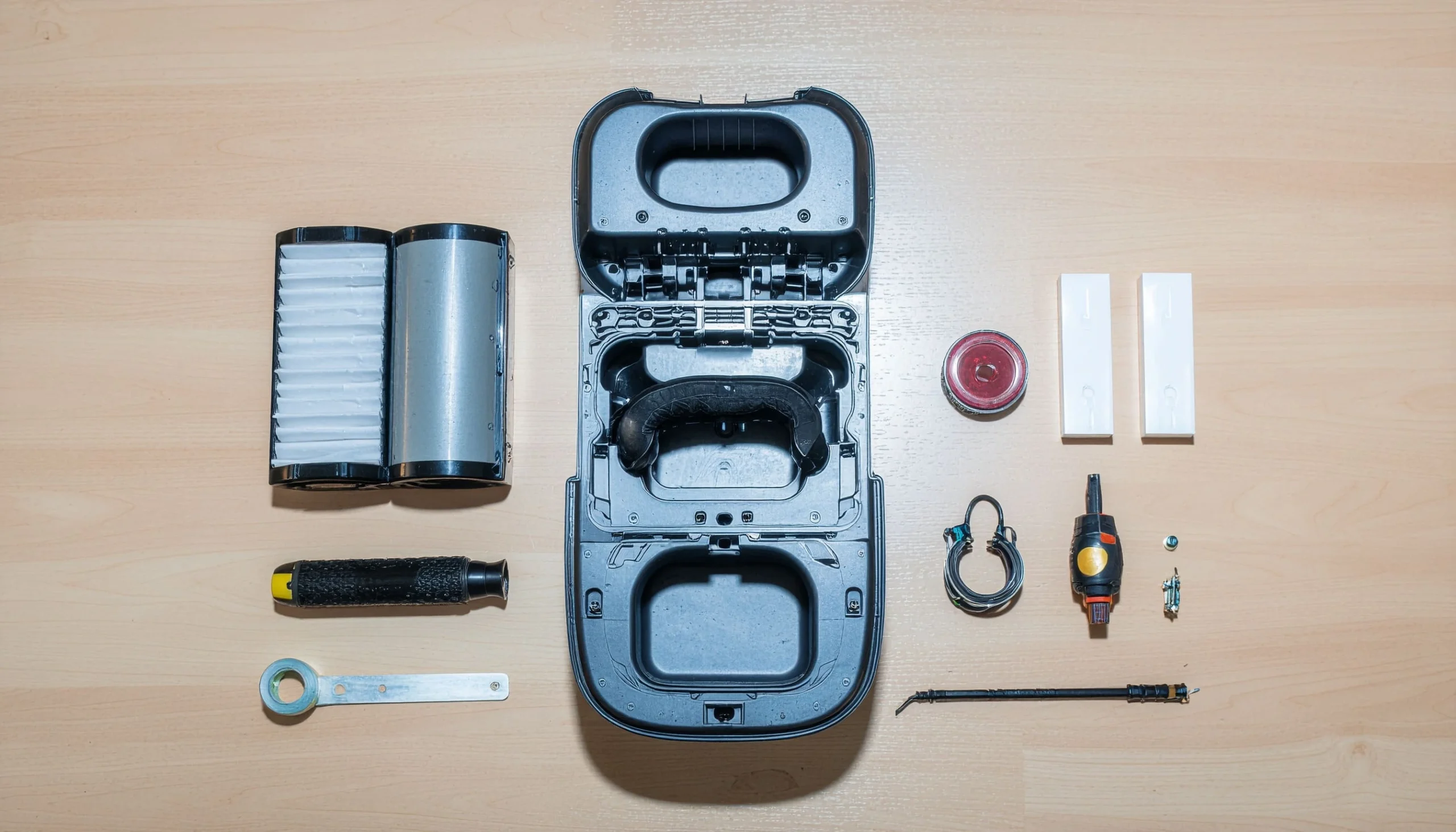
The moment a commercial cleaner switches from a corded vacuum to a battery-powered system, everything changes. No more hunting for power points. No more dragging cables through crowded offices or tripping hazards across retail floors. The freedom of cordless operation is transformative, but only if you understand how to maximise its performance and extend its working life.
We’ve watched cleaning teams slash their job completion times by 30% after switching to battery power. But we’ve also seen businesses burn through an expensive pacvac superpro 700 battery pack in under a year because they didn’t follow basic maintenance protocols. The difference isn’t the equipment; it’s how you use it. This vacuum battery guide breaks down everything you need to know about professional battery systems, from runtime expectations to charging best practices that prevent premature degradation.
Understanding the Battery System
The Pacvac Superpro 700 battery kit uses lithium-ion battery technology, the same chemistry that powers professional power tools and electric vehicles. This isn’t a coincidence. Lithium-ion cells deliver consistent power output throughout their discharge cycle, meaning your vacuum maintains full suction until the battery depletes, unlike older nickel-based batteries that gradually lose power.
Each pacvac superpro 700 battery pack provides approximately 30-40 minutes of continuous runtime under normal operating conditions. That’s enough to clean 200-300 square metres of mixed flooring, depending on pile depth and debris load. For a typical office cleaning route, you’re looking at 2-3 battery swaps per shift.
The four-battery kit includes a four-bay charger, which means you can rotate batteries throughout the day without downtime. One battery runs the vacuum, two charge, and one stays ready as backup. It’s the same rotation system professional tradies use on construction sites.
Real-World Runtime: What Actually Affects Battery Life
Here’s what the specifications don’t tell you: runtime varies dramatically based on how you clean.
A cleaner working through an open-plan office with low-pile carpet will get close to 40 minutes per charge. But switch to high-pile carpet in a hotel corridor, and that same battery might only last 25 minutes. The motor draws more current when fighting resistance, draining the battery faster.
Surface type matters more than most people realise. Hard floors require less power than carpets. Smooth vinyl or polished concrete gives you maximum runtime. Deep-pile carpet or outdoor matting cuts it by 30-40%.
Suction settings also play a role. Running a commercial vacuum cleaner at full power continuously will drain batteries faster than using variable suction and adjusting based on the task. We’ve seen experienced cleaners extend their runtime by 15-20% simply by dialling back suction on light-duty areas and reserving full power for high-traffic zones.
Temperature affects lithium-ion performance too. Batteries deliver peak performance between 15-25°C. In a cold warehouse during winter, you might notice slightly reduced runtime. In a hot car boot during summer, batteries can overheat and trigger thermal protection that limits output.
Charging Best Practices That Double Lifespan
Optimal Recharging Habits
Lithium-ion batteries don’t have memory effect, which means you don’t need to fully discharge them before recharging. In fact, doing so actually shortens their lifespan. The optimal approach is to recharge when batteries hit 20-30% capacity remaining.
Partial charging is perfectly fine. If you’ve got 15 minutes between jobs, topping up a half-depleted battery won’t harm it. Think of it like refuelling a car; you don’t wait until empty to visit the servo.
Smart Charging Technology
The four-bay charger uses smart charging technology that prevents overcharging. Once a battery reaches 100%, the charger switches to trickle mode, maintaining charge without damaging the cells. You can safely leave batteries on the charger overnight without degradation.
Storage Protocols
However, storing fully charged batteries for extended periods does cause gradual capacity loss. If you’re not using the vacuum for more than a week, charge batteries to approximately 50-60% and store them in a cool, dry location. This is the same advice battery manufacturers give for power tools and laptops.
Daily Maintenance Routine
Here’s a maintenance routine that extends battery life by 12-18 months:
- Charge batteries after each shift, even if they’re not fully depleted
- Avoid letting batteries sit dead for more than 48 hours
- Store spare batteries at 50-60% charge if not rotating them regularly
- Keep battery contacts clean; wipe them monthly with a dry cloth to prevent resistance buildup
- Don’t charge immediately after heavy use; let batteries cool for 10-15 minutes first
Recognising Battery Degradation and When to Replace
All lithium-ion batteries degrade over time. It’s not a matter of if, but when. With proper care, a pacvac superpro 700 battery pack typically delivers 500-800 full charge cycles before capacity drops noticeably.
Early warning signs include:
- Runtime dropping below 20 minutes on surfaces that previously gave you 30+ minutes
- Batteries feeling unusually warm during normal use
- Charge times extending beyond the standard 90-120 minutes
- The vacuum losing suction power earlier in the discharge cycle
A Perth facility manager once called us frustrated that his team’s batteries “suddenly died” after 18 months. When we checked his charging setup, batteries were stored on a shelf in direct sunlight, regularly hitting 40°C+. Heat is lithium-ion’s biggest enemy. Those batteries didn’t fail suddenly; they degraded gradually under constant thermal stress.
Replace batteries when capacity drops to 60-70% of original performance. At that point, you’re spending more time swapping batteries than cleaning, which kills productivity. The four-battery kit gives you flexibility; you can replace batteries individually rather than buying an entire new set at once.
Maximising Productivity With Battery Rotation Strategies
Professional cleaning teams don’t just buy battery-powered equipment; they build workflows around it. The difference between a productive battery system and a frustrating one comes down to rotation strategy.
The four-battery rotation works like this:
- Battery 1 powers the vacuum
- Batteries 2 and 3 charge in the four-bay charger
- Battery 4 stays fully charged as hot-swap backup
- When Battery 1 depletes, swap to Battery 4 instantly with no downtime
- Battery 1 goes on charge while Battery 2 or 3 becomes the new backup
This system eliminates the single biggest complaint about battery-powered equipment: waiting for charges. With proper rotation, you never stop working.
For multi-site contractors, keeping a spare charged battery in the vehicle means you can run a commercial vacuum cleaner continuously across 6-8 hours of cleaning without ever plugging into a client’s power. That’s a genuine advantage when you’re working in occupied offices or retail spaces during business hours.
Comparing Battery Performance to Corded Systems
The question we hear most often: “Is battery power actually as good as mains power?”
For suction performance, yes. The motor delivers identical airflow and filtration whether running on battery or mains power. The motor doesn’t know the difference; it receives the same voltage either way.
Where battery power wins:
- Mobility: no cord management, no power point hunting, no extension leads
- Safety: eliminates the single biggest trip hazard in commercial cleaning
- Speed: cleaners move 30-40% faster without cord drag
- Access: you can clean stairwells, outdoor areas, and spaces without power points
Where corded systems still have advantages:
- Unlimited runtime: no battery swaps required
- Lower upfront cost: no battery investment
- No degradation: performance stays consistent for years
For high-rise offices, shopping centres, and large commercial spaces, battery power makes sense. For small sites with abundant power points and limited floor area, corded might still be more practical. Weskleen Supplies helps clients assess which system fits their specific workflow when evaluating their commercial cleaning supplies perth.
Troubleshooting Common Battery Issues
Resolving Charging Failures
Battery won’t charge: Check the contacts first. Dust and debris create resistance that prevents proper charging. Wipe both the battery terminals and charger contacts with a dry cloth. If the charger light doesn’t activate when you insert the battery, the issue is usually contact-related, not battery failure.
Managing Storage and Heat Issues
Reduced runtime after storage: Batteries naturally self-discharge during storage. If you haven’t used the vacuum for several weeks, batteries might need 2-3 charge cycles to return to normal capacity. This is expected behaviour, not a defect.
Battery gets hot during use: Some warmth is normal; lithium-ion cells generate heat during discharge. However, if a battery becomes too hot to hold comfortably, stop using it immediately and let it cool. Excessive heat indicates either a failing battery or an obstruction in the vacuum creating excessive motor load. Check your filters and ensure airflow isn’t restricted.
Charger light flashing red: This indicates a charging error. Remove the battery, wait 30 seconds, and reinsert it. If the error persists, the battery may have entered protection mode due to over-discharge or thermal stress. Most protection mode issues can be reset through diagnostic support.
Integrating Battery Maintenance Into Your Cleaning Workflow
The businesses that get the most value from battery-powered equipment treat the steps in this vacuum battery guide as part of the daily routine, not an afterthought.
End-of-shift protocol:
- Return all used batteries to the charger
- Wipe down battery contacts if visibly dirty
- Check charger lights to confirm all batteries are charging properly
- Ensure at least two batteries reach full charge overnight for next-day use
Weekly checks:
- Inspect battery casings for cracks or damage
- Test runtime on a standard cleaning route to spot degradation early
- Clean charger contacts with a dry cloth
Monthly maintenance:
- Record approximate runtime for each battery to identify underperformers
- Rotate battery positions in the charger to ensure even wear
- Check firmware updates for the charger (if applicable)
This routine takes less than five minutes but prevents 90% of battery-related downtime. Think of it like checking tyre pressure on a vehicle; small effort, big impact.
Why Professional-Grade Battery Systems Matter
Consumer-grade battery vacuums use smaller cells and cheaper battery management systems. They’re designed for 15-minute cleaning sessions twice a week, not 4-hour commercial shifts five days a week.
Professional battery systems use commercial-grade lithium-ion cells rated for professional duty cycles. The battery management system monitors cell temperature, voltage, and current draw in real-time, protecting against over-discharge and thermal damage that kills cheaper batteries.
This is the same engineering approach used in professional power tools. A tradie’s cordless drill costs three times more than a hardware store special because the battery system is built to survive daily punishment. The same logic applies to commercial cleaning equipment.
When you’re running a cleaning business, battery failure means lost productivity, missed deadlines, and frustrated clients. Professional-grade systems reduce that risk dramatically. We’ve tracked these batteries delivering 2-3 years of daily use before needing replacement, roughly double the lifespan of consumer-grade alternatives.
Making the Switch to Battery Power
If you’re currently running corded backpack vacuums and considering the switch to battery power, start with one unit. Test it on your most challenging sites; the ones with limited power points, complex layouts, or strict safety requirements.
Track your completion times. Most cleaning teams report 20-30% faster job completion once they eliminate cord management. That time saving often justifies the battery investment within 6-12 months.
The four-battery kit provides enough capacity for full-day commercial cleaning without mains power. For smaller operations or residential work, you might only need two batteries to start. We can help you calculate the right battery count based on your typical workload.
Pair your battery-powered vacuum with other cordless tools, like the medusa battery powered sweeper, and you can run entirely cord-free across most cleaning tasks. That’s when the real productivity gains appear.
Conclusion
As outlined in this vacuum battery guide, the transition to battery power transforms commercial cleaning from a tethered, power-point-dependent process into a genuinely mobile operation. But like any professional tool, performance depends on proper use and maintenance.
Charge batteries after each shift. Rotate them strategically. Store them properly when not in use. These simple practices extend battery life by years and eliminate the frustration of mid-job power failures.
The upfront investment in quality battery technology pays back through faster cleaning times, improved safety, and the freedom to work anywhere without hunting for power points. We’ve seen it transform one-person operations and large contract cleaning teams alike who rely on professional commercial cleaning supplies perth.
If you’re ready to eliminate cords from your cleaning workflow, this battery system delivers professional-grade performance with the runtime and reliability commercial work demands. Get the equipment right, maintain it properly, and watch your productivity climb. For expert advice on configuring your setup, contact Weskleen Supplies on 1800 728 926.