


Blog
Safe Surfaces: How to Use Goof Off on Metal, Glass, and Stone Without Damage

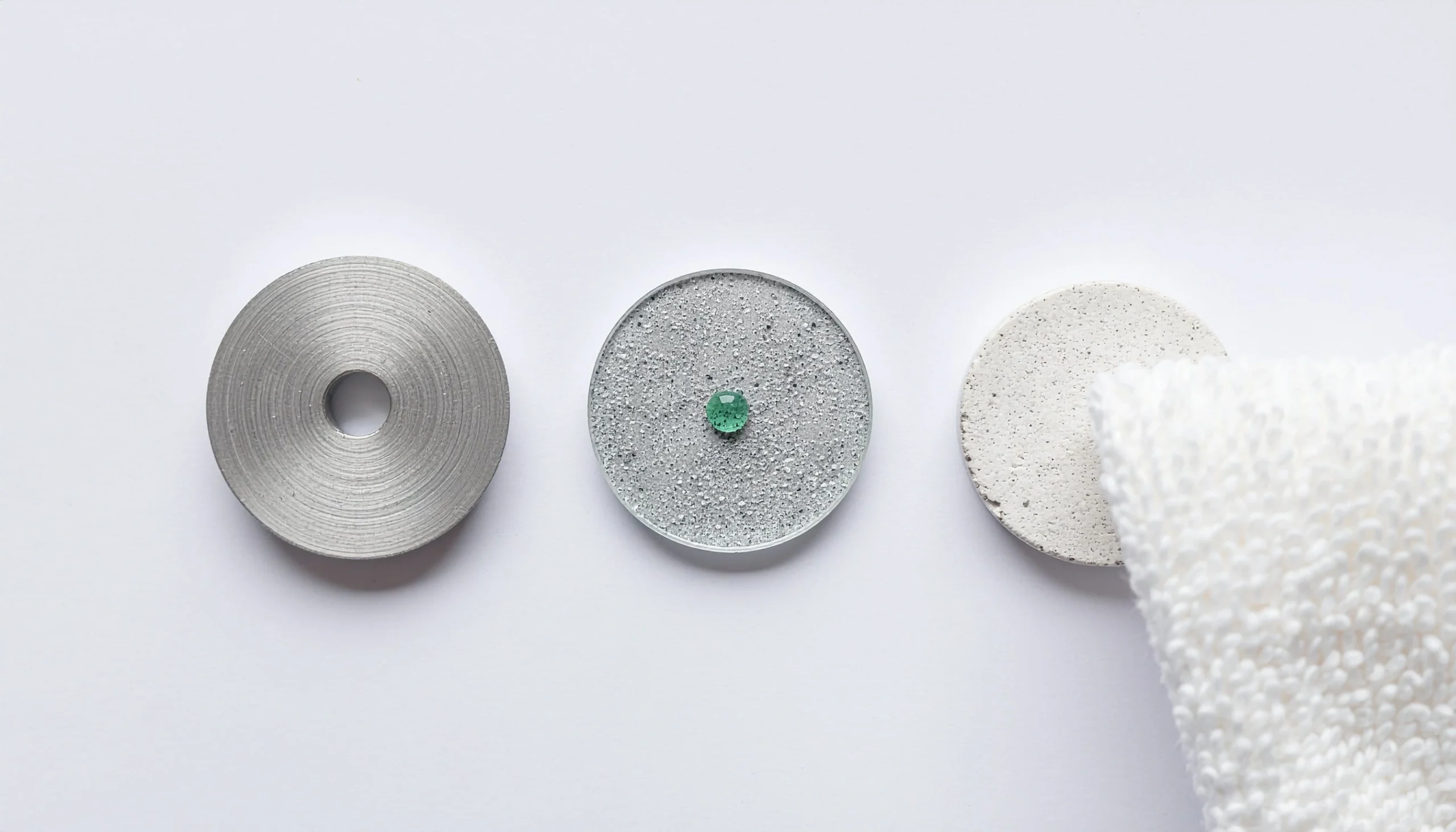
In the world of professional maintenance, few tasks are as frustrating as dealing with stubborn, bonded residues. Whether it is leftover tape from a construction project or industrial glue on a glass partition, the bond can feel permanent. But what does “surface safety” actually mean when you are staring down a mess that won’t budge? For cleaning professionals and homeowners alike, the answer lies in chemistry and delivery. Selecting a high-performance chemical solution is often the difference between a five-minute task and an hour of fruitless scrubbing that could lead to permanent surface damage.
Industrial adhesives are designed to stay put. Unlike consumer-grade tapes, commercial adhesives often contain cross-linking polymers that harden over time or when exposed to UV light. This makes them incredibly resistant to standard soap and water. When you’re managing a high-value architectural site, you cannot afford to waste time on ineffective solutions that leave the job half-done. Every minute spent fighting a single sticker is a minute taken away from more critical maintenance tasks. This is why professional teams at Weskleen Supplies focus on identifying a non damaging solvent that works at a molecular level to ensure the longevity of their surfaces.
Think of stubborn adhesive like a microscopic lock. A standard cleaner is like a butter knife trying to pick that lock; it might scratch the surface, but it won’t open the bond. A professional-grade chemical acts like the master key, sliding into the molecular structure of the glue and releasing it from the substrate without force. This is why facility managers must prioritise stocking solutions that work at a molecular level to ensure the longevity of their surfaces. It is not just about the immediate result, but about preserving the value of the assets under your care, whether those assets are polished granite or architectural glass.
The Molecular Science of Surface Safety
To understand how to remove a substance safely, we must first understand how it sticks. Modern industrial adhesives are masterpieces of chemical engineering. They are often comprised of acrylics, rubbers, or epoxies that rely on high-energy surface bonding. When these adhesives are applied, they wet the surface, flowing into the microscopic pores of the material. Over hours or days, they cure, creating a mechanical and chemical bridge that is difficult to break. This is why professionals often recommend beginning with a deep analysis of the substrate before selecting a removal agent.
In many industrial and domestic environments, heat plays a secondary role in bonding. For instance, in an Australian warehouse or a sunny storefront, temperatures can soar, causing the adhesive’s resin to soften and then re-harden into an even more brittle, stubborn state. This cycle of thermal expansion and contraction makes the residue exceptionally dense. A generic cleaner will only slide over the top of this “baked-on” mess. You need a non damaging solvent that can permeate the outer layer of the resin and begin the process of solvation, where the solvent molecules surround the adhesive molecules and pull them apart.
Effective removal requires breaking both the cohesive strength of the adhesive and its adhesive bond to the substrate. Cohesion is the internal strength that keeps the glue together, while adhesion is the attraction between the glue and the surface. A high-quality solvent must tackle both. It first penetrates the outer layer, reducing the internal cohesion, which effectively turns the solid mass back into a semi-liquid state. Once this state is reached, the mechanical bond with the surface is weakened, allowing the residue to be lifted rather than scraped away, which is the primary cause of surface scratching.
Solvent Interaction and Solubility Parameters
The choice of solvent is critical because “like dissolves like.” This fundamental principle of chemistry means that to dissolve a non-polar adhesive, you need a non-polar solvent. However, the solvent must also be balanced so it doesn’t attack the substrate underneath. A solvent that is too aggressive might remove the glue but could also eat through the powder coating of a metal frame or the protective layer of a stone countertop.
Solubility parameters help chemists determine exactly how a liquid will interact with a solid. For professional cleaners, this manifests as “dwell time.” If a solvent evaporates too quickly, it won’t have time to travel into the pores of the adhesive. If it is too thick, it may not penetrate deeply enough. Finding the middle ground is what separates professional products from supermarket alternatives. The scientific approach to cleaning involves understanding the Hildebrand solubility parameter, which measures the degree of interaction between materials.
In applications involving architectural finishes, we often differentiate between aliphatic and aromatic hydrocarbons. Aliphatic solvents are generally milder and better suited for plastics and painted surfaces, whereas aromatic solvents are highly effective against heavy-duty industrial glues but carry a higher risk of surface damage. Understanding this distinction allows cleaning supervisors to select a product that provides maximum cleaning power with minimum risk to the underlying assets. By choosing the correct molecular weight for the solvent, you can control the evaporation rate and ensure the chemical stays active long enough to do its job.
Evaluating Professional Delivery Systems for Precise Cleaning
When evaluating products for your cleaning kit, the delivery system is just as important as the chemical formula itself. While liquid-poured removers have their place for horizontal soaking, they often fail on vertical glass panes or intricate machinery parts where the liquid simply runs off before it can work. This leads to wasted product and uneven cleaning results, which is unacceptable in a high-volume commercial setting where margins are tight and results are scrutinized.
Using a dedicated glue remover glass professionals recommend allows for a targeted application that stays in place. This targeted approach ensures that the chemical has sufficient dwell time to penetrate the residue on a vertical window or storefront. In professional settings, efficiency is king. By using a specialised aerosol system, staff can cover larger areas with less waste, ensuring that every drop of product is actively working on the bond rather than pooling on the floor or dripping into sensitive electronics. This control is vital for maintaining a safe and tidy workspace.
Modern facility managers are increasingly moving away from bulk-pour chemicals in favour of pre-measured or aerosolised systems. This move is driven by the need for consistency across large cleaning teams. When a product is poured from a jug, there is a high likelihood of over-application, which creates slipping hazards and increases chemical costs. Conversely, a controlled spray ensures that the exact amount of chemical needed is applied to the specific area of concern. It also reduces the need for secondary cleaning of the surrounding area.
The Rise of Aerosol Precision on Architectural Surfaces
Aerosol technology has revolutionised how we handle spot-cleaning on glass and stone. The fine mist produced by a high-quality nozzle ensures that the solvent is distributed evenly across the surface. This is particularly important for textured surfaces like hammered metal or wood grain, where the adhesive can hide in deep recesses. The pressure from the can actually helps drive the chemical into these low points, facilitating a more thorough clean. It is a level of precision that simply cannot be achieved with a rag or a sponge.
Furthermore, aerosols are inherently more stable for long-term storage. Because the can is sealed and pressurised, the solvent doesn’t lose its potency through evaporation or contamination from the air. For a maintenance team that only needs adhesive removal periodically, knowing that the can will work exactly as intended months after its first use is a significant logistical advantage. It eliminates the problem of “shelf-life” that often plagues bulk liquid chemicals stored in plastic containers.
The atomisation process in an aerosol can also lowers the surface tension of the solvent. This allows it to “wet” the adhesive more effectively than a standard liquid stream. When the solvent particles are smaller, they can bridge the gap between the molecules of the glue more efficiently, leading to faster breakdown times. This speed is essential when managing tight maintenance windows in active retail environments. In a busy logistics hub, every second saved on a cleaning task contributes to the overall throughput of the facility.
Surface Compatibility: A Comprehensive Matrix
The biggest risk in adhesive removal isn’t the glue staying on; it is the surface coming off. Substrates vary wildly in their chemical resistance. Stainless steel, for example, is generally robust but can suffer from “tea staining” if aggressive chemicals are left to sit too long without being neutralised. Conversely, aluminium is highly reactive and can be etched by certain alkaline or acidic components if the solvent isn’t pH-neutral or specifically formulated for soft metals.
For large stone floor areas, such as removing the glue left behind by old carpet tiles in a lobby, the process needs to be scaled. This often involves applying the solvent and then using a mechanical scrubber to pick up the dissolved slurry. Using the right tools ensures that you aren’t just spreading the thinned glue around, but actually lifting it off the floor for safe disposal. To achieve this level of cleanliness, a high-absorbency microfibre mop head is often the final step in the process, ensuring no oily residue remains.
Plastics represent an even greater challenge. Many modern offices use acrylic or polycarbonate partitions. These materials are “solvent sensitive.” If you apply a harsh toluene-based remover to an acrylic screen, you will likely see immediate “crazing”, a network of tiny cracks that ruins the transparency of the panel. For these areas, a gentler but effective non damaging solvent is required, often one that relies on citrus oils or specific aliphatic hydrocarbons that are safer for polymers.
Why Testing is Non-Negotiable for Stone and Metal
No matter how confident you are in a product, every new surface requires a test. Variations in manufacturing, age, and previous cleaning history can all change how a substrate react to a solvent. A simple ten-second test on the underside of a desk or behind a machine can save a company thousands of dollars in replacement costs. It’s the mark of a true professional to prioritise surface safety over speed. Even the most reputable products can react unexpectedly to a non-standard coating.
Testing should ideally be conducted on an inconspicuous area under the same environmental conditions as the main task. Factors like ambient temperature and humidity can influence how the chemical interacts with the paint or plastic. If the test area shows any softening of the paint, discolouration, or loss of gloss, the application should be aborted, and a milder alternative should be sought. Documenting these tests is also a vital part of professional quality assurance. It provides a record of care that can be essential for compliance and liability purposes.
The testing phase is also an opportunity to determine the optimal dwell time for that specific combination of adhesive and substrate. By timing how long it takes for the bond to break in the test area, you can create a more accurate schedule for the full project. This data-driven approach allows for better resource allocation and prevents the common mistake of either rushing the job or leaving chemicals on the surface for longer than necessary.
Why Professional Efficacy Works on Delicate Substrates
For those tough, “impossible” spots on stone or glass, a professional delivery method is particularly effective. The pressurised spray breaks the liquid into fine particles that can penetrate porous residues more effectively than a heavy stream. Because the aerosolized solution clings to the surface, it is the ideal choice for cleaning window frames, door jams, or the sides of heavy machinery where gravity usually works against you.
Consider the case of James, a specialist cleaner working on a luxury apartment complex in Perth. He was tasked with removing tape residue from expensive black granite fireplaces. The adhesive had been there for weeks, and the owner was terrified of staining the stone. James knew that a standard scraper would leave visible marks on the polished surface. By using a high-quality non damaging solvent, he was able to soften the glue until it could be wiped away with a simple cloth. It transformed a potential insurance claim into a satisfied client.
James’s experience is not unique. Across Western Australia, from high-rise offices to residential estates, the challenge of sun-baked adhesive is a daily reality. The intense UV radiation in these regions essentially “cooks” the adhesive, turning a flexible glue into a hard, crystalline substance. In these scenarios, the right formula provides the heavy-duty power needed to soften that crust so it can be mechanically removed without damaging the underlying paint, glass, or stone.
The aerosol delivery also provides a cooling effect as the propellant evaporates. This can be beneficial when working on heat-sensitive materials, as it helps counteract the exothermic reaction that can sometimes occur when certain solvents interact with industrial-grade glues. This thermal management ensures that the adhesive is softened without the risk of “melting” the underlying substrate into the residue, which would make removal virtually impossible. It is this combination of chemical power and temperature control that makes the product so versatile.
Operational Safety and Regulatory Compliance
Industrial cleaning is not without its risks. High-performance solvents, by their very nature, are designed to be reactive. This means that staff safety must be the primary consideration during any large-scale removal project. It is not enough to simply hand a worker a can and point them at a wall. They must be trained in the nuances of chemical handling and the specific risks associated with the products they are using. Safety is a culture, not just a set of rules.
Personal Protective Equipment (PPE)
Respiratory protection is often the most overlooked aspect of solvent use. Even low-odour chemicals can release vapours that are harmful if inhaled in high concentrations. For indoor projects, staff should be provided with charcoal-filtered respirators that are rated for organic vapours. Similarly, dermal protection is vital. Standard latex gloves are often insufficient against industrial solvents, which can permeate the material and cause “chemical burns” or dermatological issues. Nitrile or neoprene gloves are usually the preferred choice for solvent-based tasks.
Eye protection is equally critical. During the agitation phase, where a brush or scraper is used on a wet surface, there is a high risk of “flick” or splash-back. A single drop of solvent in the eye can cause permanent damage. Requiring full-seal goggles or face shields for all staff working with a potent non damaging solvent is a standard safety protocol in high-compliance industrial environments. Providing high-quality PPE not only protects the workers but also demonstrates the company’s commitment to their well-being.
Ventilation and Air Quality Management
Most effective adhesive removers contain solvents that release vapours as they work. In a small, enclosed room, these vapours can quickly reach concentrations that cause headaches, dizziness, or respiratory irritation. Ensuring adequate airflow is essential. This might involve opening external doors, using industrial fans, or scheduling the work for hours when the building is unoccupied. Maintaining a healthy air exchange rate is a key responsibility for any site supervisor.
Furthermore, long-term exposure to certain chemicals can have cumulative effects. This is why many facilities are moving toward products with lower VOC (Volatile Organic Compound) profiles. While these might require a slightly longer dwell time, the safety benefits for the staff are immense. Always consult the label and ensure that your team is wearing the appropriate gloves and eye protection to prevent accidental splashes during the agitation phase. VOC compliance is also becoming a major factor in green building certifications.
The management of air quality also extends to the storage areas where these chemicals are kept. Storage lockers should be well-ventilated and located away from heat sources or electrical panels. By maintaining a cool and airy storage environment, you prevent the buildup of pressure in the aerosol cans and ensure that the chemicals remain stable and ready for use.
Logistics and Organisation for Surface Restoration Teams
Efficiency in the field is often determined by how well the team is organised. A cleaner who has to walk back to the supply closet because they forgot their scraper or their microfibre cloth is a cleaner who is costing the business money. For professional results, we recommend keeping all necessary items in a specialised hand caddy. This keeps your solvent, scrapers, and cloths in one place, allowing for a mobile and responsive cleaning operation that can cover more ground in less time.
In large-scale industrial operations, logistics extend to the management of “spend” on chemicals. Using an aerosol system helps supervisors track usage more accurately. It is much easier to count empty cans than it is to estimate how many litres have been poured from a 20-litre drum. This data allows for more accurate budgeting and ensures that the facility never runs out of critical supplies during a major shutdown or renovation project. Accurate tracking also helps in identifying potential theft or misuse of supplies.
The organisation of the workspace itself also contributes to safety. When working with flammable solvents, it is imperative that all “hot work”, such as welding or grinding, is suspended in the immediate vicinity. Creating a “chemical exclusion zone” with proper signage ensures that other contractors on-site are aware of the risks, preventing accidental ignition or exposure. This often involves applying the solvent and then using a mechanical floor scrubber to pick up the dissolved slurry. This coordinated approach ensures that the project moves forward smoothly without compromising the safety of other workers.
Effective organisation also includes the proper labeling of all secondary containers. While aerosol cans are pre-labeled, any liquid decanted from bulk drums must be clearly marked with the product name and relevant safety warnings. This prevents the accidental mixing of incompatible chemicals, which can lead to dangerous reactions. Site-wide consistency in labeling is a hallmark of a well-run industrial cleaning department.
Step-by-Step Guide to Using a Glue Remover Glass Experts Trust
To achieve a flawless finish on metal, glass, or stone, follow this professional protocol:
- Preparation: Clear the area of dust and loose debris. If you are working on a vertical glass pane, place a drop cloth below the work area to catch any drips or falling residue. This prevents secondary messes on floors or furniture that may not be solvent-resistant. A clean start is the best foundation for a successful job.
- Application: Shake the aerosol well to ensure the active ingredients are properly mixed with the propellant. Spray directly onto the adhesive residue from a distance of about 10-15 centimetres. Ensure that the edges of the residue are well-covered, as this is where the lifting process begins. Uniform application leads to uniform results.
- Dwell Time: Let the glue remover glass professionals rely on sit for 2 to 5 minutes. You will see the adhesive begin to “pucker” or change colour as the solvent breaks the bond. Do not let it dry completely; if it begins to evaporate, apply a light “refresh” coat. Dwell time is the most critical factor; rushing this step often results in more mechanical scrubbing and potential surface damage. Patience is a virtue in the world of chemical cleaning.
- Agitation: Use a non-scratch pad or a plastic scraper to lift the softened residue. Start from the edges and work toward the centre to prevent spreading the mess. For very thick deposits, you might find that the top layer comes off first, requiring a second application of the non damaging solvent to reach the substrate. Mechanical action should always be the minimum required to get the job done.
- Wipe Down: Use a clean, dry microfibre cloth to remove the slurry. For very thick buildup, you may need to repeat the application. Ensure you are using a clean section of the cloth for each pass to avoid reapplying the dissolved glue. A dirty cloth is just a tool for spreading contamination.
- Neutralise: This is the most forgotten step. Once the glue is gone, wash the area with a mild detergent. This removes the oily film left by the solvent, ensuring that the surface is safe for people to touch and ready for any future paint or new adhesive. This step is particularly vital on stone floors, where solvent residue can create a significant slip risk. Neutralisation completes the chemical process.
Choosing the Right Product for Specific High-Value Surfaces
Different industries face unique adhesive challenges on high-value surfaces. In the Retail and Hospitality industry, the challenges are more about “sticker gum” and “double-sided mounting tape.” These are often found on delicate surfaces like polished wood, plexiglass, or painted drywall. Here, the emphasis is on a “gentle but effective” approach where the chemical is used sparingly to avoid soaking into the paintwork or discolouring the furniture. Aesthetics are everything in retail, so the cleaner must be as invisible as possible in its action.
For the Automotive and Transport sector, the focus shifts to “decal removal” from glass and metal. When a fleet vehicle is rebranded, the old vinyl often leaves behind a massive amount of glue. Because vehicle paint is high-gloss and expensive, using a safe but powerful goof off aerosol is essential to prevent the need for a full respray. The solvent must be strong enough to lift the glue but gentle enough to leave the clear coat untouched.
In the Food Processing sector, the challenge is even greater. Adhesives used on labels for food containers must be removed using chemicals that are either food-safe or can be completely rinsed away without leaving toxic residues. In these high-hygiene environments, using a non damaging solvent and following the neutralisation step is not just a best practice; it is a regulatory requirement to prevent cross-contamination.
Furthermore, using a dedicated glue remover glass formulation is essential in the architectural glazing industry. When modern commercial buildings are completed, window frames are often covered in protective films that have been exposed to the sun for months. Removing these without leaving “ghost” marks or scratches on the glass requires a combination of chemical power and non-abrasive agitation.
Environmental Considerations and Disposal
As global standards for environmental protection evolve, so too does the cleaning industry. Modern adhesive removers are being formulated to be more biodegradable and less harmful to aquatic life. However, even the most “eco-friendly” solvent becomes a hazardous waste product once it is mixed with industrial glue. Responsible disposal is the final act of a professional cleaning project.
Saturated cloths and scraped-up glue slurry should never be tossed directly into the general waste bin if they are dripping with solvent. Instead, they should be placed in a sealed container and disposed of according to local industrial waste regulations. This not only protects the environment but also protects your business from potential fines and liability. Many local councils provide specific drop-off points for industrial chemical waste.
Businesses should also consider the “carbon footprint” of their cleaning operations. Choosing products that are more efficient, meaning you use less volume of chemical to achieve the same result, is a key part of a sustainable procurement strategy. Aerosols are particularly good for this, as they minimise over-pouring and spills, ensuring that the maximum amount of product is used for its intended purpose. Sustainability is no longer an option; it is a business necessity in the modern world.
Troubleshooting Stubborn Bonds on Glass and Metal
Sometimes, even with the best products, a bond refuses to break. This usually happens when the adhesive has “carbonised” due to extreme heat or age. In these cases, a “mechanical-chemical” sandwich technique is often required. This involves a more intensive interaction between the chemical agent and the physical structure of the adhesive. It is the last resort for the most difficult residues.
- Lightly scoring the surface of the adhesive with a utility knife (carefully!) to create channels that allow the solvent to reach the substrate. This breaks the surface tension and gives the chemical a path into the heart of the bond.
- Applying the glue remover glass experts trust and letting it soak into those channels for several minutes. This ensures that the chemical is working from the inside out.
- Covering the area with a piece of plastic wrap or a “solvent-soaked” cloth to prevent evaporation, allowing the solvent to work for 15-20 minutes. This creates a “micro-environment” where the chemical remains liquid and active for much longer.
- Scraping while the area is still wet to lift the bond from the bottom up. This mechanical action is far more effective when the chemistry has had a chance to fully compromise the adhesive’s internal structure.
This extra effort is rarely needed with high-quality products, but it is a useful trick to have in your professional arsenal for those truly nightmare-inducing jobs where the substrate is highly valuable and cannot be replaced. It is the difference between giving up and getting the job done. Every professional should know when to escalate their tactics to meet the challenge of the task.
Conclusion
Choosing the right chemical for the job saves more than just time; it saves your surfaces from permanent damage and keeps your labour costs manageable. By incorporating a professional non damaging solvent into your standard cleaning protocols, you ensure that your team can handle any sticky situation with total confidence. Whether you are dealing with sun-baked stickers on a Perth bollard or industrial tape on a glass partition, the right tool makes all the difference in achieving a professional result. The quality of your tools is a reflection of the quality of your work.
Ultimately, the goal of any facility manager is to maintain a clean, safe, and professional environment for employees and visitors alike. High-performance products from Weskleen Supplies allow you to achieve this goal without compromise, providing the reliability that commercial operations demand. By investing in the right chemistry and delivery systems, you protect your assets and your reputation. If you have questions about which chemical is best for your specific facility or need help choosing between different delivery systems, please reach out to us 1800 728 926 for expert recommendations tailored to your unique industrial needs and challenges. We are here to help you find the best path forward for your facility’s maintenance and surface protection.