


Blog
Tackling Tough Scuff Marks in WA Warehouses: Why Goof Off is a Toolkit Essential

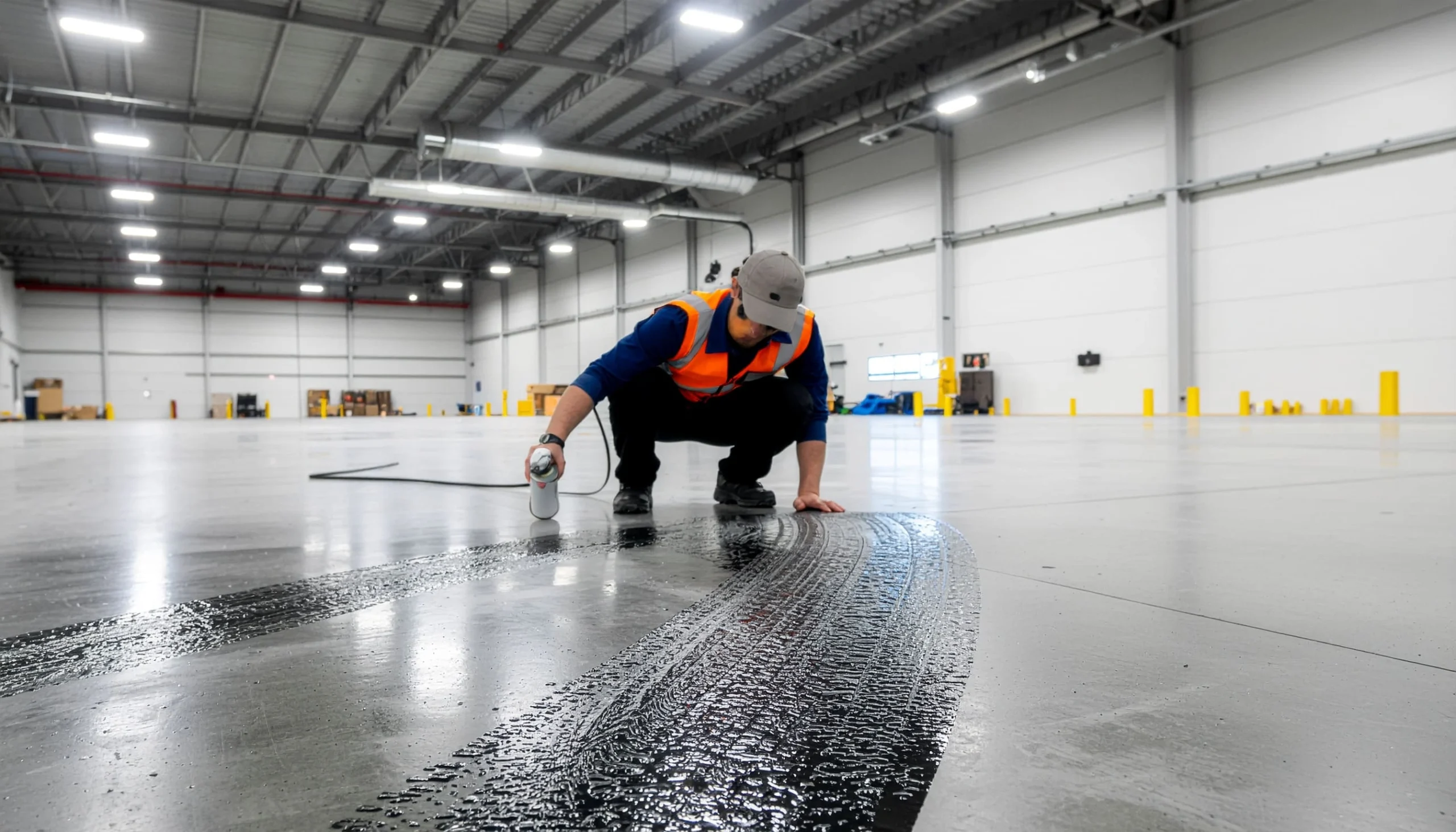
Warehouse managers across Western Australia know the struggle of maintaining a pristine facility in an environment that seems designed to create mess. Between the constant hum of forklifts and the relentless movement of heavy pallets, floors endure a beating that would destroy most domestic surfaces. But what does ‘commercial-grade’ actually mean for the chemicals and equipment you use to combat this daily wear? For many logistics professionals in Perth, the answer lies in having a high-performance warehouse floor cleaner integrated into their toolkit. It is fundamentally about operational integrity, protecting significant capital investments, and ensuring that daily workflows are not hindered by surface degradation or safety hazards.
Maintaining these surfaces isn’t just about making the workspace look tidy for a site visit. Think of your warehouse floor like a high-performance engine in a heavy-duty road train. Just as carbon build-up can choke an engine’s performance and lead to a catastrophic breakdown, layers of rubber and grime can create slip hazards and obscure vital safety markings. You wouldn’t expect a million-dollar truck to run on low-grade fuel, so why expect your industrial floors to stay safe and clean with domestic-standard products? Achieving a level of cleanliness that meets Australian industrial standards requires a systematic approach to surface chemistry and mechanical agitation. This specific mindset shift is what separates top-tier facilities from average ones.
The High Stakes of Industrial Flooring in Western Australia
In the competitive world of logistics and distribution, the condition of your floor is a silent communicator of your operational standards. A floor covered in forklift tyre marks doesn’t just look unprofessional; it suggests a lack of attention to detail that can worry potential clients and safety inspectors alike. In Western Australia, where industrial standards are rigorously enforced by bodies like WorkSafe WA, the stakes for floor maintenance have never been higher. Proactive management of these surfaces ensures that a facility remains compliant and operationally sound. As a leading provider of professional hygiene solutions, Weskleen Supplies understands that the unique conditions of WA, ranging from the fine red dust of the north to the coastal humidity of Fremantle, require a specific approach to maintenance.
When a forklift executes a sharp turn on an epoxy-coated surface, the friction generates significant heat. This heat causes a microscopic layer of the tyre rubber to melt and bond with the floor coating. This isn’t just a stain sitting on top of the surface; it’s a heat-bonded physical layer that standard mopping simply cannot touch. If these marks are ignored, they build up over time, creating a physical “hump” of rubber that reduces the effectiveness of the floor’s slip-resistance. This can lead to dangerous conditions for both vehicular and pedestrian traffic, particularly in high-speed picking zones where precision movement is required.
Managing the scuff mark removal process requires an understanding of the regional variables. Western Australia’s climate plays a significant role in floor degradation. In the Pilbara or Goldfields, the iron-rich dust acts as an abrasive, grinding the bonded rubber deeper into the concrete pores. In Perth’s coastal suburbs, humidity can affect the “tackiness” of adhesives and rubber, making them more difficult to lift without the correct chemical intervention. A generic warehouse floor cleaner may work for surface dust, but for these ingrained problems, a specialised approach is mandatory to prevent long-term damage to the floor substrate. Neglecting these marks often results in a cumulative effect where the floor becomes progressively harder to restore to its original state.
The Anatomy of the Scuff: Physics and Chemistry
To effectively manage scuff mark removal, one must first understand the physics at play. Most industrial tyres are composed of heavy-duty rubber compounds designed for durability, not cleanliness. When these tyres skid or pivot, they leave behind carbon black and synthetic polymers. These materials are chosen by tyre manufacturers because they are incredibly resistant to wear, which unfortunately makes them equally resistant to removal once they’ve bonded to your floor. Standard cleaning agents simply lack the chemical power to penetrate these polymer chains.
Traditional water-based cleaners are designed to surround and lift dirt particles. However, because rubber is hydrophobic, meaning it repels water, these standard cleaners often bead up on the surface of the scuff mark rather than penetrating it. This is why many warehouse teams find themselves scrubbing for hours with little to show for their effort. The secret to professional-grade results is breaking the chemical bond between the rubber and the floor using a targeted solvent. This allows the rubber to be lifted without aggressive mechanical force that might compromise the floor’s finish.
Understanding the Solvent Advantage
Solvent-based cleaners work differently. Instead of trying to lift the mark, they dissolve it. A high-quality solvent works by breaking down the polymers in the rubber or adhesive, turning a solid streak back into a liquid state that can be wiped away. This process is essential for maintaining the clarity of safety lines and pedestrian walkways, which are frequently the most scuffed areas in any facility. Without this chemical breakdown, the rubber effectively becomes a permanent part of the floor surface, attracting further grime and complicating future cleaning efforts.
When applying an industrial adhesive remover like Goof Off, the chemistry reacts specifically with the long-chain polymers found in rubber and glues. By liquefying these bonds, the cleaner allows for a clean extraction, leaving the underlying epoxy or polished concrete unaffected. This precision is vital because aggressive mechanical scrubbing can actually create microscopic scratches in the floor, providing even more surface area for future scuffs to grip. Maintaining a smooth surface is the best way to prevent future contamination and ensure the longevity of the floor coating.
The Financial Cost of Flooring Neglect
Many facility managers view floor cleaning as an overhead cost to be minimised. However, a more accurate perspective is to view it as asset protection. The cost of grinding back and re-coating a 2,000-square-metre warehouse floor in Perth can run into the tens of thousands of dollars, not to mention the massive operational downtime required for the coating to cure. This expense is largely avoidable with the correct maintenance regime. A well-maintained floor is a sign of a well-run business, reflecting efficiency and professional pride throughout the organisation.
By investing in a regular scuff mark removal program, you are effectively extending the life of your floor coating by years. When rubber build-up is allowed to remain, it acts like sandpaper under the wheels of the next forklift, grinding into the epoxy and accelerating wear. Consistent spot cleaning prevents this “sandpaper effect” and keeps the underlying substrate protected from oil and chemical spills. This proactive care reduces the need for expensive surface restorations, ensuring that your facility remains operational and profitable for the long term.
Furthermore, the labour costs associated with inefficient cleaning are astronomical. If a team member spends twenty minutes scrubbing a single scuff mark with an inferior warehouse floor cleaner, they are wasting valuable time that could be spent on core logistics tasks. Switching to a product that works in seconds provides an immediate return on investment through reduced labour hours. This economic reality is why successful WA businesses treat their cleaning supply cabinet as a strategic asset. By streamlining these repetitive maintenance tasks, companies can redirect their human resources toward higher-value activities that drive growth.
The Role of Workplace Safety Compliance
Safety is the ultimate priority in any industrial setting. The accumulation of tyre rubber and adhesive residue creates a surface that is noticeably slicker than the rest of the floor, especially when wet. If a pedestrian worker slips on a patch of rubber build-up near a loading dock, the resulting liability and WorkSafe investigation can be devastating for a business. Keeping these zones clear isn’t just about appearances; it’s about meeting your duty of care to your employees. Regular inspections and cleaning protocols are key components of a robust safety management system that protects both the workers and the company’s reputation.
Integrating a Powerful Warehouse Floor Cleaner into Daily Operations
The most efficient warehouses don’t wait for a “cleaning day” once a quarter. Instead, they empower their staff with the tools to handle spills and scuffs as they happen. This “clean-as-you-go” philosophy is significantly more cost-effective than attempting a massive restoration every six months. It ensures that the facility remains in a state of “audit readiness” at all times, which is essential for businesses handling food, pharmaceuticals, or high-value electronics. This approach reduces the stress of sudden inspections and maintains a high baseline of hygiene.
When you use a dedicated warehouse floor cleaner designed for industrial use, you ensure that the pH levels are compatible with the resins in your floor coating. Many generic cleaners are either too acidic or too alkaline, which can cloud the finish of an epoxy floor or cause concrete to “dust” over time. A professional solution provides a deep clean while maintaining the structural integrity of the floor. For larger facilities, integrating these chemicals into a high-quality floor scrubber can automate the process, ensuring consistent results across tens of thousands of square metres with minimal manual intervention.
The Case of the Canning Vale Distribution Centre
Consider the experience of Mike, a veteran operations manager at a busy distribution centre in Canning Vale. For years, Mike’s team relied on a general-purpose degreaser for all their floor needs. While it worked for basic dust, the facility’s floors were a mess of black streaks that wouldn’t budge. Mike’s team was spending four hours every Saturday trying to manually scrub these marks, leading to high labour costs and frustrated staff. They were fighting a losing battle against the heat-bonded rubber and industrial adhesives common in their sector.
After a consultation with our experts, Mike switched to a targeted strategy. He equipped his floor team with specialised solvent sprays for spot treatment and a high-performance warehouse floor cleaner for the automated scrubber. The result? The Saturday scrubbing marathon was eliminated. By treating scuffs as they appeared, the team reduced floor maintenance hours by over sixty per cent. More importantly, the facility’s safety audit scores improved because the high-visibility safety yellow lines were finally visible again. This shift in culture transformed the warehouse from a cluttered, stained environment into a flagship facility for their national network, demonstrating the power of the right tools.
The Toolset: Beyond the Chemical Solution
While chemistry does the heavy lifting, the mechanical tools you use are just as important. For heavy-duty industrial scuffs, a simple rag isn’t enough. You need tools that can provide enough agitation to lift the dissolved rubber without scratching the floor. In Western Australia’s harsh conditions, where grit and heat are constants, the durability of your tools is paramount. Selecting the right pads and brushes is a critical part of the maintenance equation, ensuring that the chemical solution can penetrate the grime effectively.
We recommend using a heavy-duty microfibre mop head for general areas, but for stubborn scuffs, a stiff-bristled hand brush or a dedicated floor machine is often necessary. The microfibre is particularly effective because the tiny fibres can reach into the microscopic pores of the concrete or the texture of a non-slip coating to pull out the grime that a cotton mop would simply push around. Using the correct tools ensures that the warehouse floor cleaner can reach the deepest parts of the surface contamination, resulting in a cleaner and safer work environment.
Managing Adhesives and Tape Residue
Warehouses are hubs of adhesive use. From floor marking tapes that need to be replaced to shipping labels that fall off pallets, adhesive residue is a constant plague. This residue is even more problematic than rubber because it acts as a magnet for dust. A single piece of tape residue can quickly become a large, black, sticky patch as it collects dirt from every passing pallet jack. This not only looks poor but can also cause equipment wheels to jam or slide, creating an unnecessary operational bottleneck.
Using an industrial adhesive remover is the only way to effectively clear these spots. Trying to scrape off adhesive often results in damage to the floor coating, creating a permanent scar on the floor. A solvent-based remover penetrates the adhesive, allowing it to be lifted cleanly away without the need for sharp scrapers or abrasive pads. This is especially critical in facilities that use specialised machinery for other cleaning tasks, as cross-contamination of sticky residue can damage expensive equipment and affect the quality of the products being handled.
A Step-by-Step Professional Restoration Guide
To get the most out of your scuff mark removal efforts, follow this professional workflow used by cleaning contractors across Western Australia. This systematic approach ensures that you aren’t just moving dirt from one spot to another, but actually removing it from the facility entirely. By following these steps, you maintain a high standard of floor care that protects the underlying substrate from unnecessary wear and chemical degradation.
- Preparation: Ensure the area is clear of loose debris. A quick sweep prevents you from grinding dust into the mark while you work. In dusty environments like those found in the WA industrial parks, this step is vital to prevent the creation of an abrasive “slurry” that can dull your floor’s shine.
- Targeted Application: Apply your industrial adhesive remover or scuff remover directly to the mark. If using an aerosol spray, apply from about 10-15cm away to ensure even coverage. Focus on the edges of the mark, as this is where the bond is often the strongest and most likely to resist initial penetration.
- The Dwell Factor: This is the step most people skip. Give the chemical time to work. For light scuffs, 30 seconds is enough. For thick, “burnt” rubber marks, give it a full minute. This allows the solvent to dissolve the bond at a molecular level, making the physical removal significantly easier.
- Agitation: Use a brush or a floor machine to agitate the area. You’ll see the black rubber start to liquify and turn into a grey slurry. The goal is to suspend the rubber in the cleaning solution so it can be easily extracted without being smeared further across the floor.
- Extraction: Wipe up the slurry immediately with a clean cloth or a vacuum. Don’t let the dissolved rubber dry back onto the floor, or you’ll have to start again. Using a clean section of cloth for each wipe ensures you don’t re-deposit the rubber into the floor’s pores.
- Final Wash: Clean the area with your standard warehouse floor cleaner to remove any solvent residue. This ensures the floor isn’t slippery and is ready for traffic. This final step also neutralises any remaining chemicals, protecting the long-term health of your floor coating and ensuring employee safety.
Safety and Longevity in the WA Climate
In Western Australia, our industrial environments are often subject to extreme heat, which can make chemical cleaning more challenging. Solvents evaporate faster in 40-degree heat, meaning you might need to work in smaller sections during the summer months to prevent the product from drying before you can wipe it up. Additionally, the high UV levels in WA can make some epoxy coatings more brittle, making it even more important to avoid aggressive mechanical scraping that could lead to chipping or surface cracking.
Safety is paramount. When using any scuff mark removal product, ensure your team is trained in the correct PPE, usually nitrile gloves and eye protection, and that the area is well-ventilated. Using a high-quality, targeted product means you use less chemical overall, which is better for your staff’s health and the environment. Modern formulations used by professionals are designed to be effective without the overwhelming fumes associated with older industrial solvents, aligning with contemporary health and safety standards.
By focusing on high-traffic areas like loading docks, charging stations, and main aisles, you can maintain a safe facility without needing to deep-clean the entire warehouse every day. This strategic approach to scuff mark removal allows you to allocate your maintenance budget where it has the most impact on safety and compliance. It also reduces the frequency of total floor restorations, which are both costly and disruptive to the supply chain. Maintaining this balance is the hallmark of an efficient facility manager who understands the value of their operational environment.
Building a Sustainable Maintenance Culture
The most successful facilities are those that treat maintenance as a shared responsibility. When forklift operators are aware of the impact of “spinning their wheels” and are provided with the tools to clean up small marks immediately, the overall condition of the warehouse improves significantly. This cultural shift reduces the burden on dedicated cleaning staff and fosters a sense of pride in the workplace. It turns the floor into a source of professional pride rather than a constant point of friction.
A warehouse floor cleaner is more than just a chemical in a bucket; it is a tool for professional excellence. By selecting high-performance products and training your staff in their correct use, you protect your infrastructure and your people. The investment in quality supplies pays for itself through increased efficiency, improved safety, and the long-term preservation of your facility’s most valuable surface. This commitment to excellence ensures that your warehouse remains a benchmark for industrial standards.
Ultimately, maintaining a world-class warehouse facility requires the right combination of strategy, staff training, and high-performance chemistry. By treating your flooring as a critical asset rather than a forgotten surface, you reduce long-term costs and create a safer, more productive environment for your team. This proactive approach ensures that your operations are never hindered by the simple presence of dirt or rubber streaks. A clean facility is a clear indicator of a healthy, productive business that is ready for the future.
If you are struggling with persistent floor stains or are looking to upgrade your current cleaning protocols, we invite you to contact us today. Our team of experts can help you select the ideal warehouse floor cleaner for your specific substrate and traffic levels. We understand the unique challenges of the WA industrial landscape and provide tailored solutions that work in the real world. Our goal is to ensure your facility meets every safety and professional standard required by the modern logistics industry. We are dedicated to providing the technical support needed for your success.
Whether you are managing a small workshop in Osborne Park or a massive logistics hub in Welshpool, having a toolkit essential like Goof Off on hand ensures that tough scuff marks never slow you down. For all your industrial cleaning needs, trust Weskleen Supplies to provide the solutions that keep WA moving. Our commitment to quality ensures that your facility remains safe, compliant, and professional-looking for years to come. By choosing the right maintenance partners, you ensure your warehouse remains a productive asset that supports your broader business objectives. This is the Weskleen promise for WA businesses.