


Blog
Cleaning Automation for Smarter Daily Work

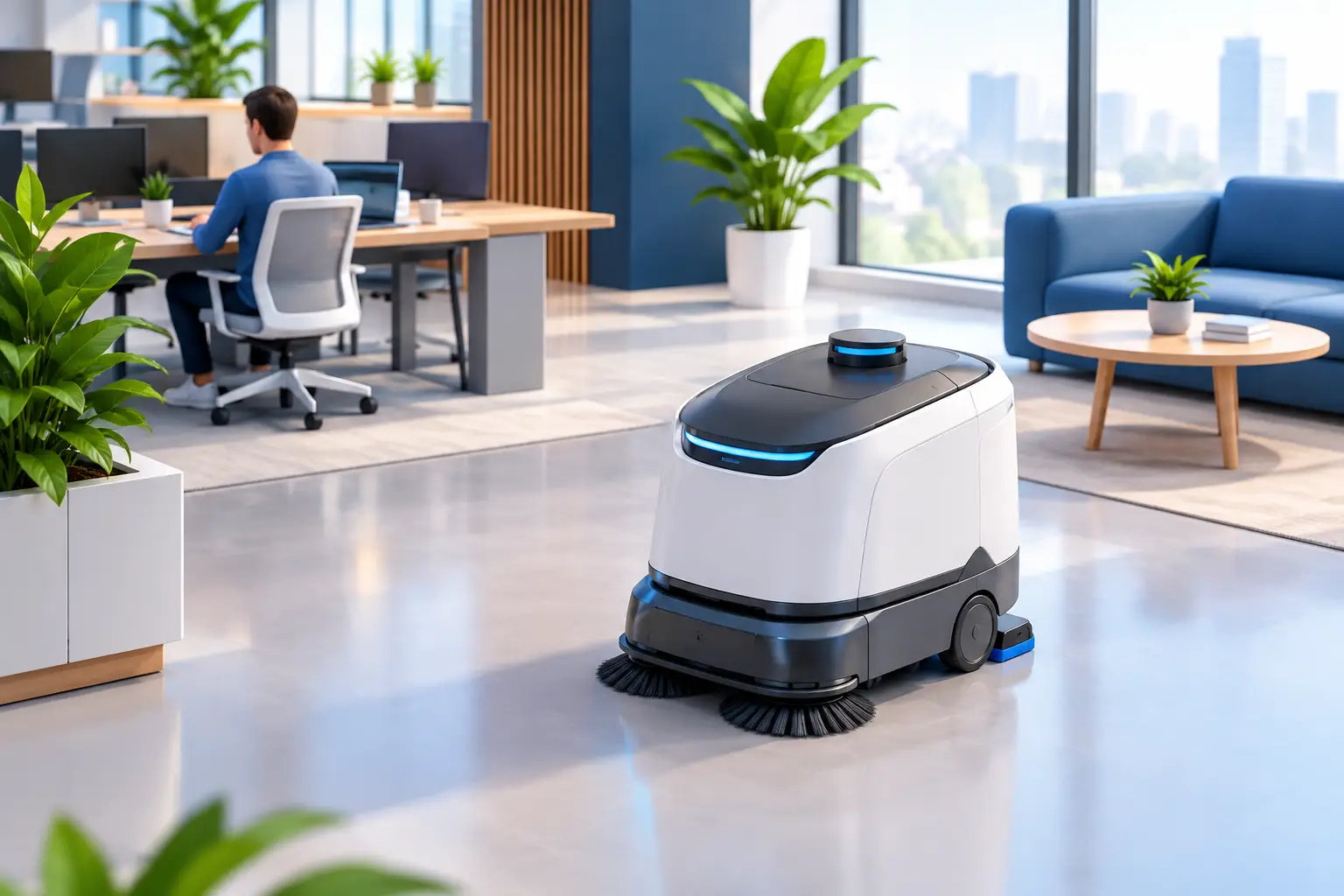
A cleaner arriving to find overflowing bins, marked floors and empty washroom dispensers is already behind schedule. Cleaning automation helps prevent that familiar rush by making repetitive work more consistent, measurable and easier to plan. For Perth businesses, contractors and busy households, it is less about replacing people and more about giving them the right equipment and systems to get better results with less wasted time.
The best setup depends on your site, traffic levels, floor types and cleaning standards. A small office may benefit most from dosing control and touch-free washroom products, while a large facility may need machine-based floor care and scheduled consumable checks. The practical question is not whether to automate everything. It is where automation will remove the most repeated effort without compromising cleaning quality.
What cleaning automation means in practice
Cleaning automation covers equipment and processes that reduce manual, repetitive tasks. This can include scrubber dryers that wash and recover water in one pass, commercial vacuums designed for fast daily use, chemical dilution systems, touch-free dispensers and programmed schedules for washroom servicing or bin collection.
Some workplaces also use autonomous floor machines. These can be useful in large, open and predictable spaces such as warehouses, shopping centres and broad office corridors. They are not the right answer for every site, particularly where rooms are crowded, layouts change regularly or close-detail work is the priority.
For most cleaning teams, the strongest gains often come from simpler systems. Correctly diluted chemicals, reliable dispensers, colour-coded tools and equipment suited to the surface can improve productivity before a business needs to consider advanced machinery.
Where cleaning automation saves the most time
Floor care is usually the first place to look. Mopping a large hard-floor area is labour-intensive, and poor water recovery can leave slippery surfaces or streaks. A quality scrubber dryer applies solution, agitates soil and picks up dirty water in the same operation. The result is a cleaner floor that is ready for traffic sooner.
The machine must match the job. A compact unit can suit tight retail aisles, cafés and smaller facilities, while walk-behind or ride-on equipment makes more sense for larger floor areas. Consider access through doorways, storage space, battery run time, noise limits and the type of soil being removed. A machine that is too large to manoeuvre or too small for the workload quickly loses its value.
Washrooms are another high-return area. Touch-free soap, sanitiser and paper dispensers reduce contact points and help control product use. When paired with a simple servicing routine, they can reduce complaints about empty supplies and improve the presentation of the facility throughout the day.
Chemical control matters just as much. Over-dosing does not usually produce a cleaner result. It increases cost, can leave residue on floors and may create safety issues for staff. Closed-loop dispensing or measured dilution tools deliver the required concentration more consistently, helping teams use chemicals as intended by the manufacturer.
Build a practical cleaning automation plan
Start by looking at actual cleaning time, rather than choosing equipment based on what looks impressive. Walk through the site and identify the jobs that take place every day or several times a day. Pay attention to tasks involving large floor areas, repeated refilling, constant checking or frequent rework.
Then measure the baseline. How long does it take to clean the entry floor? How often are washroom consumables replaced? How much chemical is used each week? Are cleaners returning to a room because bins were missed or dispensers ran out? These details show where time and stock are being lost.
Once priorities are clear, choose one area to improve first. A facility with poor-looking vinyl floors may begin with a scrubber dryer, the right floor pad and a suitable neutral cleaner. A hospitality venue managing busy amenities may focus on touch-free dispensers, toilet care products and a restocking checklist. Starting small makes it easier to train staff, check results and prove the value of the investment.
It also helps to set simple standards. Define who refills consumables, where equipment is charged and stored, which chemicals are approved for each surface and how often machine tanks are emptied and cleaned. Automation still needs ownership. Equipment that is poorly maintained, incorrectly stocked or used with the wrong chemical will not deliver reliable results.
The right chemicals and consumables still matter
Automation is only as effective as the products supporting it. A floor machine needs compatible pads, clean water and chemicals designed for the flooring material. Using an overly aggressive product on sealed timber, polished concrete or vinyl can cause damage that no machine can correct.
The same applies to washroom systems. Dispensers should be matched with suitable refills, and toilet cleaning chemicals should be chosen for the bowl, urinal or surface being treated. In high-traffic facilities, dependable bin liners, hand towels, toilet paper and sanitiser refills are not minor purchasing details. They are part of keeping the site operating without interruption.
Buying from one local supplier can make this easier. It allows facility teams and cleaners to source equipment, spare parts, chemicals and everyday consumables together, rather than chasing stock from several places when something runs out. WesKleen Supplies can help Perth customers select practical products for routine cleaning, floor maintenance and hygiene requirements.
Train people for better results, not just faster work
A common mistake is assuming a new machine will immediately save hours. It may, but only when staff understand how to operate it safely and use it for the right application. Training should cover daily checks, charging or power requirements, filling and emptying tanks, pad selection, chemical dilution and safe storage.
Cleaners also need to know when manual work remains the better choice. Edges, corners, stairs, spills and detailed washroom cleaning often require conventional tools and close attention. Automation should free up time for those quality-critical tasks, not create an expectation that every surface can be handled by a machine.
For contractors, clear training protects the margin on every job. For facility managers, it reduces equipment misuse, helps maintain hygiene standards and gives staff more confidence in their process. A short documented procedure beside the equipment is often more useful than a lengthy manual sitting in an office drawer.
Consider the total cost, not just the purchase price
The cheapest option is not always the most affordable over time. When comparing cleaning equipment, consider water and chemical use, battery replacement, servicing, consumable pads, spare parts and expected operating hours. Also consider how easily the machine can be repaired locally if it is needed for daily operations.
There are trade-offs. A larger machine may cut cleaning time significantly but require more storage and upfront spend. An autonomous machine can support consistent coverage in an open area, but it needs a suitable environment, staff oversight and a plan for exceptions. A smaller, dependable machine may be the more profitable choice for a contractor moving between sites.
Keep safety in the decision as well. Wet-floor signs, correct personal protective equipment, chemical safety information and clear access around work areas remain essential. Automation reduces some risks, but it does not remove the need for sound cleaning procedures.
The most useful next step is to choose one repeated task that regularly slows your team down, then match it with equipment and supplies that suit the job. A well-chosen improvement can make cleaning easier to manage, help staff focus on the work that needs human attention and keep your premises looking ready for customers, tenants and visitors.