


Blog
Facility Hygiene That Works Across Your Site

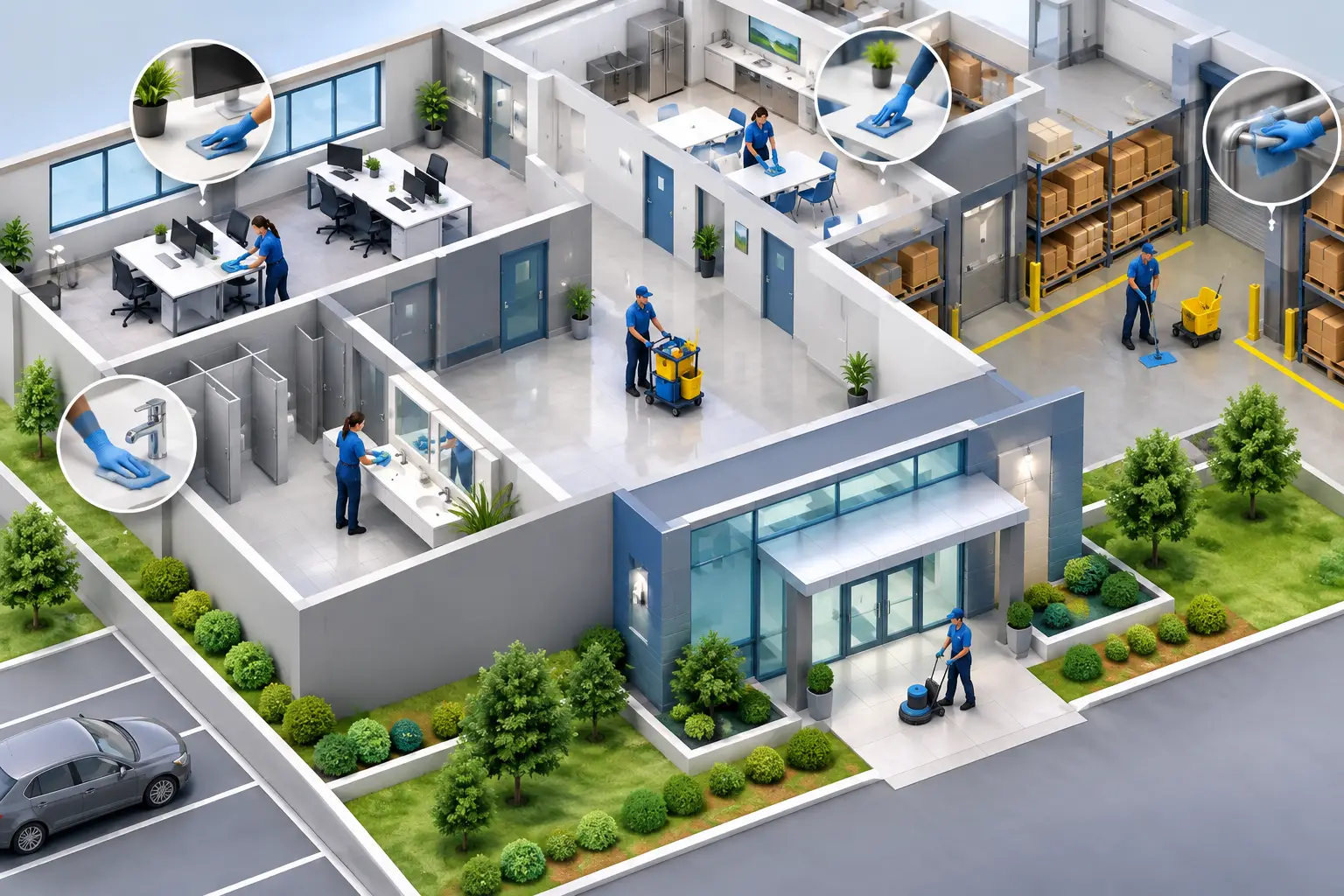
A washroom that runs out of soap at 10 am, a sticky entry floor after lunch, or an overflowing bin near a customer counter can undo a great deal of good work. Facility hygiene is not simply about making a site look clean at the end of a shift. It is the everyday system that keeps shared spaces safer, more pleasant and easier to operate for staff, visitors and customers.
For Perth businesses, cleaners and property teams, the challenge is usually not knowing that hygiene matters. It is keeping standards consistent across different areas, busy periods and changing staff rosters without overspending on unsuitable products. A practical plan starts by matching the task, the surface and the level of risk with the right supplies and equipment.
Start with the areas people notice and use most
Not every part of a building needs the same cleaning frequency or product. A reception desk, public washroom, lunchroom and high-traffic entry all need regular attention because they are touched often, viewed closely or exposed to food, moisture and rubbish. Storage rooms and low-use back areas may need a different schedule, but should not be ignored until a problem develops.
Walk through the site at its busiest time rather than relying on a checklist written months ago. Look for touchpoints such as door handles, lift buttons, handrails, EFTPOS terminals, taps, flush buttons and shared equipment controls. Then look down. Floors around entrances, kitchens and washrooms often tell you where cleaning routines are falling short.
This simple assessment helps turn vague expectations such as “keep it clean” into clear tasks. For example, a washroom may need soap, paper towel and bin checks several times a day, while a hard floor may need spot mopping during peak traffic and a full machine clean after hours.
Build a facility hygiene routine people can follow
The best routine is detailed enough to be useful and simple enough to be completed properly. Assign areas, frequency and responsibility, then make sure the required products are close to where the work happens. If a cleaner has to search a storeroom for a replacement liner or decant a chemical from an unlabelled bottle, the routine will slow down and standards will vary.
A workable schedule normally separates tasks into three levels. Daily cleaning covers visible soil, rubbish removal, washroom servicing and high-touch surfaces. Periodic work deals with deeper floor care, wall marks, glass, vents and hard-to-reach areas. Response cleaning covers spills, bodily fluid incidents, weather-related dirt and unexpected mess in customer-facing spaces.
Timing matters as much as frequency. Cleaning a foyer only before opening may not be enough for a retail store, medical practice or busy office. Likewise, servicing a washroom after the morning rush can prevent empty dispensers and overflowing bins for the rest of the day. Review the routine after a few weeks and adjust it to real usage, not assumptions.
Keep roles clear across contractors and staff
Many sites rely on both in-house staff and contracted cleaners. That can work very well, provided there is no confusion about who refills dispensers, handles spot spills or orders consumables. Set the handover points clearly. A cleaner might complete the scheduled service, while site staff monitor essential items between visits.
A short stock and issue record is useful here. It highlights recurring problems, such as a washroom that uses far more hand towel than expected or an entryway that needs extra matting during winter. Small changes based on that information can reduce waste and complaints.
Choose chemicals for the job, not the label colour
Using one general-purpose product for every surface seems convenient, but it can lead to poor results, damaged finishes or unnecessary chemical use. Neutral cleaners are often suitable for routine hard-surface cleaning, while washroom cleaners are designed to deal with soap residue, mineral deposits and toilet soils. Degreasers suit commercial kitchens, workshops and food preparation areas where oils build up.
Disinfectants have a specific role. They should be used where the cleaning plan calls for them, particularly on high-touch points, in washrooms, around food-related areas where appropriate, or when responding to an infectious control issue. Cleaning removes soil first; applying disinfectant over visible grime is unlikely to deliver the intended result. Follow the product directions for dilution, contact time, surface suitability and personal protective equipment.
Concentrated chemicals can offer good value for larger sites, but only if dilution is controlled. A dosing system or clearly marked bottles can reduce overuse, protect surfaces and make purchasing more predictable. Ready-to-use products may be the better choice for small teams, quick-response kits or areas where staff are not trained to mix concentrates.
Never transfer chemicals into unlabelled containers or mix products together. Apart from creating a safety risk, it makes it difficult to know what has been used on a surface and how it should be handled.
Get washrooms right every time
Washrooms influence how visitors judge the whole facility. Even a clean office, café or showroom can feel poorly managed if the washroom smells unpleasant, has wet floors or lacks basic consumables.
A reliable washroom set-up starts with adequate soap, hand towel or hand dryers, toilet tissue, sanitary disposal options where required, bins and a consistent cleaning program. Air fresheners can improve the experience, but they are not a substitute for removing the cause of odours. Check toilets, urinals, drains, bins and floor edges, as these are common sources of lingering smells.
Consider dispenser capacity and placement before choosing a product. High-traffic locations may benefit from larger dispensers and bulk consumables to reduce refill frequency. Smaller sites may prefer compact units that suit limited wall space. The cheapest roll or refill is not always the lowest-cost option if it runs out too quickly, creates excessive waste or does not fit the dispenser correctly.
Match floor care to the surface and traffic
Floors take the hardest daily wear, and poor floor maintenance becomes visible quickly. Grit at an entry can scratch vinyl, tile or polished surfaces. Excess water can create a slip risk. The wrong pad, chemical or machine setting can dull a finish that is costly to restore.
Use entrance matting and regular sweeping or vacuuming to capture dry soil before it spreads. Then choose the cleaning method for the floor type. Smooth hard floors may suit a mop-and-bucket system for smaller areas, while larger sites can save time with a scrubber dryer. Carpet requires regular vacuuming and prompt treatment of spills, with periodic deep cleaning based on traffic and soil levels.
Floor pads should be selected for the task, from gentle daily maintenance through to stripping or restoration work. Using an aggressive pad on the wrong surface can create more work than it saves. If you are unsure, test a small inconspicuous area or seek product advice before treating the entire floor.
Stock the essentials before they become urgent
Facility hygiene often breaks down because a basic consumable disappears at the wrong time. Keep a sensible reserve of bin liners, toilet paper, hand towel, soap refills, gloves, wipes, mop heads, vacuum bags, floor pads and replacement parts. The ideal quantity depends on site size, delivery timing and storage space, but running with no buffer usually costs more in emergency purchases and staff time.
It also helps to standardise where practical. Using compatible dispensers, a manageable range of bin liner sizes and clearly identified chemical bottles makes training, ordering and storage easier. Standardisation should not mean forcing one product into every task. It means reducing unnecessary variation while retaining the right tools for specialist work.
For local teams that need dependable access to cleaning chemicals, washroom consumables, machinery and janitorial tools, WesKleen Supplies can help simplify purchasing with practical product guidance and a broad Perth-based range.
Make hygiene visible without making it complicated
People are more likely to follow a cleaning routine when they can see what good looks like. Clean, labelled storage shelves, stocked washrooms, dry floors and properly maintained equipment set the standard for everyone using the site. Supervisors do not need lengthy reports to spot whether the system is working, but they do need regular checks and a way for staff to report shortages or faults.
A facility hygiene plan should evolve with the building. A new tenant, a change in opening hours, wet weather, a busier lunchroom or a different floor surface can all change what the site needs. Start with the practical basics, keep the right supplies on hand, and review the routine before small issues become the first thing your customers notice.