


Blog
Is Bleach on Stainless Steel Safe for Cleaning?

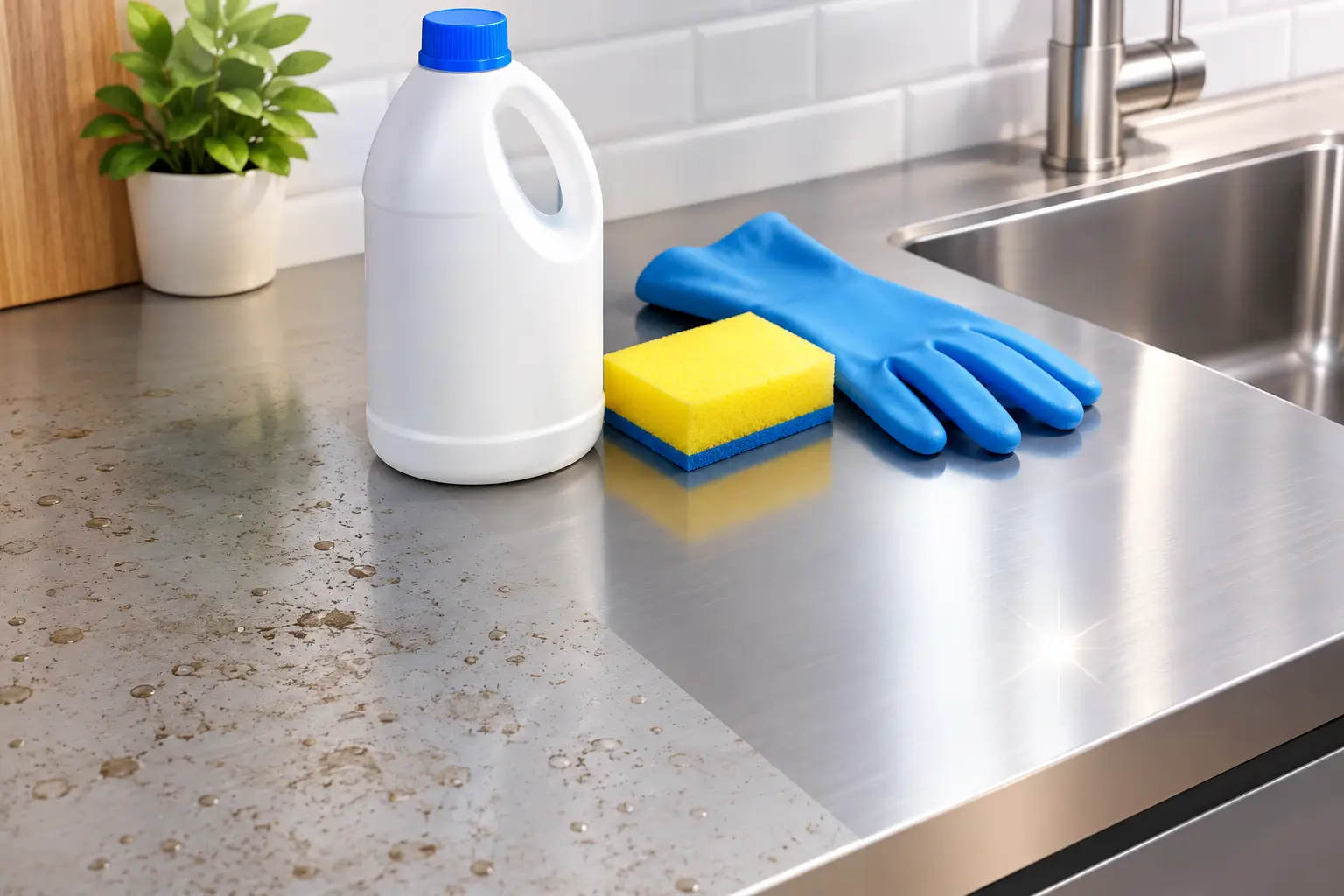
A stainless steel sink can look perfectly clean after a quick spray, then develop dull marks or tiny rust spots days later. That is why the question of whether you can bleach stainless steel matters in homes, commercial kitchens, washrooms and cleaning cupboards. Bleach may be a familiar disinfectant, but it is generally not the right choice for routine stainless steel cleaning.
Chlorine bleach can attack the protective surface of stainless steel, particularly when it is left sitting, used too strongly or trapped in joins and crevices. The smarter approach is to match the cleaner to the job, then rinse and dry the surface properly.
Why bleach can damage stainless steel
Stainless steel resists rust because chromium in the metal forms a thin, protective oxide layer on the surface. This layer repairs itself when exposed to oxygen, which is why quality stainless steel performs so well in sinks, benches, appliances, handrails and food preparation areas.
Sodium hypochlorite, the active chemical in household bleach, contains chlorides. Chlorides can break down that protective layer. Once this happens, the steel may develop discolouration, rough patches, brown spotting or pitting corrosion. Pitting is more than a cosmetic issue. It creates tiny holes where soil and bacteria can collect, making the surface harder to maintain over time.
Risk increases when bleach is concentrated, warm, repeatedly used or allowed to dry on the surface. Commercial environments can be especially vulnerable because chemical residue may remain around sink rims, bench joins, drainboards, dishwasher surrounds, trolley frames and equipment fasteners after a busy shift.
Not every stainless steel item reacts in exactly the same way. Grade 316 stainless steel has better resistance to chloride exposure than common grade 304, for example. Even so, better resistance does not mean bleach-proof. Manufacturer cleaning instructions should always take priority, particularly for expensive appliances, medical equipment, food-service equipment and polished architectural surfaces.
When bleach on stainless steel is a bad idea
Avoid using chlorine bleach for everyday wiping, degreasing, stain removal or polishing. It is also a poor option for cleaning tea stains, fingerprints, water marks and ordinary food residue. Bleach does not remove grease particularly well, and using it for the wrong job can create damage without delivering a better clean.
Never soak stainless steel in bleach or leave a bleach-soaked cloth on the surface. Do not use bleach in a stainless steel sink as a long contact-time disinfectant, and do not pour it into equipment where it may sit in hidden channels or seals. These habits can leave concentrated chemical residue exactly where corrosion is most likely to start.
Be careful with diluted bleach solutions too. A diluted solution may sometimes be specified by a product manufacturer or hygiene procedure for a particular sanitising task. If that is the case, follow the stated dilution and contact time precisely, rinse the stainless steel thoroughly with clean water afterwards, and dry it where practical. Do not assume a stronger mix will clean better.
Bleach should never be mixed with other cleaning chemicals. Mixing it with acids, ammonia-based products or certain toilet cleaners can release dangerous fumes. Use one chemical at a time, read the label, wear appropriate gloves and make sure the area is well ventilated.
Better ways to clean stainless steel
For most routine jobs, warm water, a clean microfibre cloth and a neutral detergent are enough. Wipe in the direction of the grain where visible, rinse away detergent residue, then buff dry with a separate clean cloth. Drying matters because minerals in Perth water can leave spotting if water is allowed to evaporate on the surface.
For greasy benches, rangehoods, splashbacks and appliance exteriors, choose a commercial degreaser that is labelled suitable for stainless steel. Apply it according to the label, allow only the recommended dwell time, then wipe, rinse if required and dry. Strong alkaline degreasers can also affect finishes if overused or left too long, so product selection still matters.
If the goal is sanitising rather than simply cleaning, use a food-safe sanitiser or disinfectant that is approved for the setting and compatible with stainless steel. A café kitchen, aged-care facility and household laundry do not necessarily need the same chemical or process. The right choice depends on the surface, the type of contamination, food-contact requirements and the site’s cleaning procedure.
For water marks and light mineral build-up, a purpose-made stainless steel cleaner is usually the safest option. Mild acidic products can help with mineral residue, but they should be tested in an inconspicuous spot first and used exactly as directed. Rinse well afterwards. Avoid harsh abrasive powders, steel wool and scouring pads that can scratch the finish and make future staining more noticeable.
How to remove bleach residue quickly
If bleach has accidentally been used on stainless steel, act promptly. Wipe up the solution straight away, then rinse the entire affected area with plenty of clean water. Pay attention to seams, edges, screw heads, drains and undersides where residue can linger.
Dry the surface with a clean, soft cloth rather than leaving it to air dry. Inspect it over the next few days for rainbow marks, dull patches, brown spots or small pinholes. A mild stainless steel cleaner may improve superficial marks, but it cannot repair deep pitting.
Where rust spotting has started, do not reach for steel wool or a harsh acid without checking the equipment manufacturer’s advice. Light surface contamination may be removable with a suitable stainless steel restoration product, but serious corrosion can require professional assessment or replacement of affected components. This is particularly relevant for commercial food equipment, safety rails and high-use fixtures where a damaged surface can become a hygiene and maintenance issue.
A practical cleaning routine for commercial sites
For cleaning contractors and facility teams, consistency prevents chemical damage. Keep stainless steel procedures simple enough that staff can follow them during a busy shift. Use clearly labelled bottles, colour-coded cloths where your site uses them, and separate products for cleaning, degreasing and sanitising.
Start by removing visible soil with detergent and a clean cloth. Rinse or wipe off residue as required by the product directions. Apply the chosen sanitiser only where sanitising is needed and only for its stated contact time. Finish by rinsing and drying stainless steel if the product instructions call for it.
This approach is usually faster than fixing chemical damage later. It also helps avoid a common mistake: using bleach as a catch-all solution when the real issue is grease, scale, soap scum or poor drying practices.
Choosing the right products for the job
A well-stocked cleaning cupboard should give staff and household users safer options than a single bottle of bleach. Neutral cleaners handle everyday soils, degreasers cut through kitchen build-up, washroom chemicals address soap and mineral residue, and purpose-made sanitisers support hygiene procedures where needed.
When buying for a site, consider the surfaces you are cleaning as closely as the soil you need to remove. Stainless steel benches, lift surrounds, commercial appliances, sinks and handrails may look similar, yet they can have different finishes, usage levels and manufacturer requirements. Checking compatibility before purchasing saves time, protects assets and reduces unnecessary chemical use.
WesKleen Supplies can help Perth cleaners, businesses and households choose practical cleaning chemicals, cloths and accessories for stainless steel and other hard surfaces. The right product does not need to be complicated, but it does need to suit the task.
Bleach has a place in some cleaning programs, but stainless steel is rarely where it performs best. When you are unsure, choose a compatible cleaner, rinse thoroughly and protect the surface you rely on every day.