


Blog
Sticky Floor Causes and Simple Practical Fixes

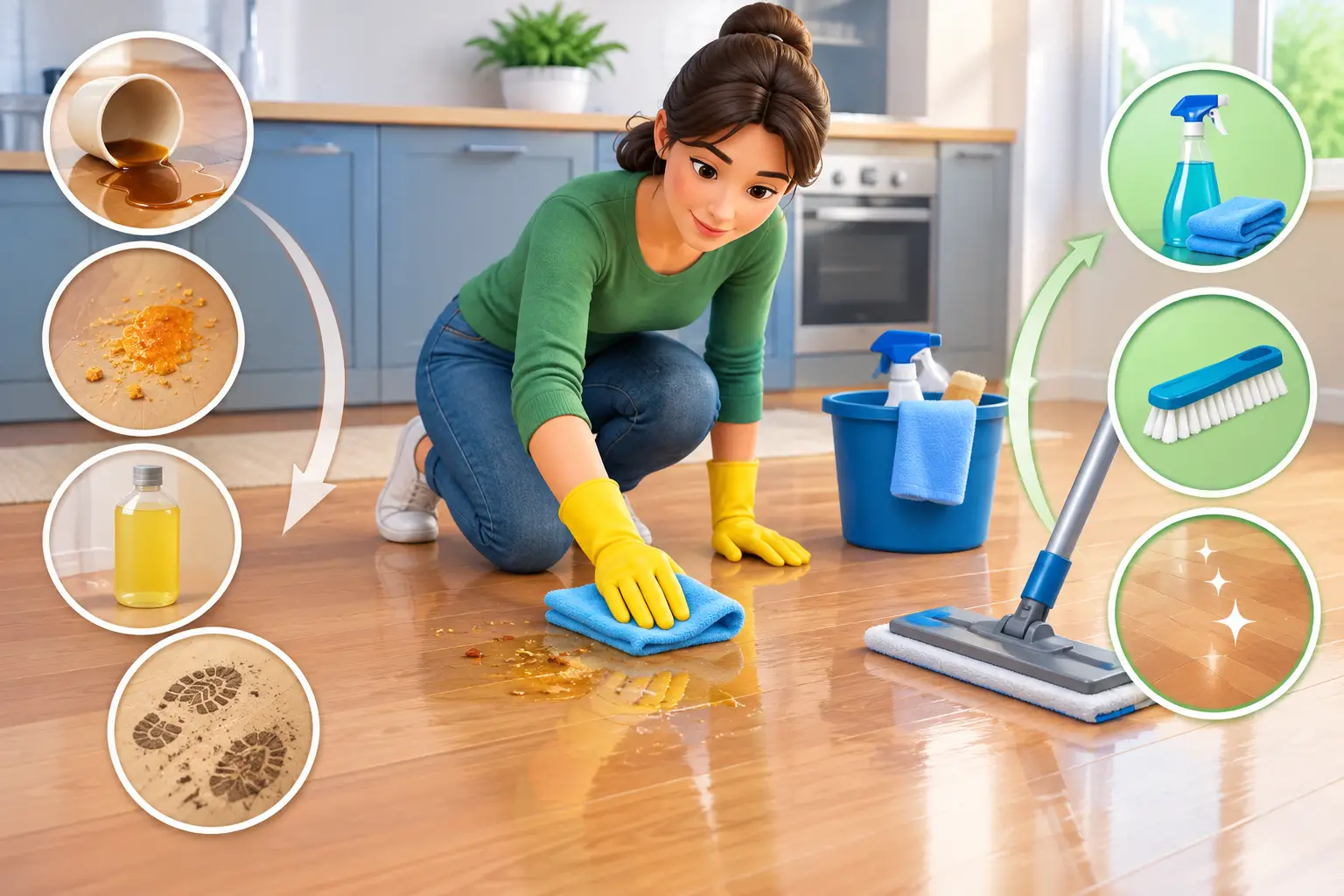
A floor can look freshly mopped and still feel tacky underfoot. That is more than an annoyance for homes, offices, shops and hospitality venues – it can attract dirt faster, leave dull traffic paths and increase the risk of slips. Sticky floor causes are usually easy to narrow down once you look at the cleaning method, the product used and the condition of the surface.
The fix is not always ‘use a stronger chemical’. In many cases, a sticky finish comes from using too much product, using the wrong product for the floor type, or leaving old residue behind. A practical diagnosis saves time, avoids damage and helps your floors stay cleaner for longer.
The most common sticky floor causes
Detergent or disinfectant residue
Overdosing floor cleaner is one of the most common reasons a floor stays tacky after mopping. Concentrated chemicals are designed to be diluted. When extra product is added in the hope of getting a better clean, the water may evaporate but a thin film of detergent remains behind.
This film can feel sticky immediately, or it may become obvious over several cleans as soil sticks to it. It is particularly common on vinyl, ceramic tiles, sealed concrete and laminate flooring. Strongly fragranced general-purpose cleaners can also leave residue if they are not formulated as low-residue floor cleaners.
Follow the product dilution directions precisely. For commercial cleaning teams, use a correctly labelled dilution bottle or measuring system rather than estimating from the bottle cap. A little accuracy here makes a noticeable difference across a large site.
Dirty mop water spreading soil around
A mop bucket full of grey water does not clean effectively. It redistributes suspended grease, detergent, grime and fine particles across the floor. Once dry, that layer may feel tacky, particularly in entryways, lunchrooms, kitchens and high-traffic corridors.
Change the solution regularly, especially when cleaning larger areas. Microfibre flat mops with multiple clean pads are often more efficient than repeatedly rinsing one mop head in increasingly dirty water. For professional operators, a dual-bucket system or scrubber dryer can reduce this issue by keeping clean solution separate from recovery water.
Grease, food spills and airborne oils
In cafés, commercial kitchens, break rooms and even residential cooking areas, grease can settle well beyond the obvious splash zone. Cooking oil, food residue and airborne fats combine with ordinary dust to form a slightly sticky film. Mopping with a mild neutral cleaner may improve the appearance without actually removing the grease.
This situation calls for a suitable degreaser, diluted for the floor and soil level. Allow enough dwell time for the chemical to work, then agitate gently with the appropriate pad or brush before removing the solution completely. Using a harsh degreaser on a sensitive floor can damage sealers or finishes, so always check compatibility first.
Too much floor polish or an ageing coating
Polished vinyl and other resilient floors can become sticky when floor finish is applied too heavily, recoated over trapped soil, or maintained with incompatible products. A coating that has not cured properly may also feel tacky. Humidity, poor ventilation and applying finish too thickly can all slow drying and curing.
If the tackiness is limited to areas with floor polish, more mopping is unlikely to solve it. The floor may need a targeted deep clean, a maintenance scrub, or in more severe cases, stripping and refinishing. This is a job where using the correct pad, stripper and finish system matters. An overly aggressive pad can remove more coating than intended, while the wrong chemical can leave a patchy result.
Hard-water deposits and incorrect rinsing
Perth water conditions can affect cleaning results, particularly where a site uses large volumes of water and chemical. Minerals in hard water can interact with some detergents and leave a dull or slightly grabby surface. Incomplete rinsing after using a heavy-duty cleaner can produce a similar feel.
This does not mean every floor needs rinsing after every mop. A properly diluted neutral cleaner designed for no-rinse maintenance is often ideal for routine work. But after degreasing, stripping, acid cleaning or using a stronger alkaline product, a clean-water rinse may be necessary. Refer to the chemical label and the floor manufacturer’s care advice rather than relying on a one-method approach.
Moisture, spills and floor damage
Sometimes the floor itself is the problem. Water can sit in worn grout, damaged vinyl joins, unsealed concrete or scratched coatings and create a tacky feel as it mixes with embedded soil. In humid spaces, slow drying can also make floors seem sticky even when there is no cleaner residue.
Check for leaks around fridges, dishwashers, drink stations, bathrooms and entry doors. Also inspect the flooring for lifting edges, cracked grout, worn sealer or a roughened finish. Cleaning will only provide a short-term improvement if moisture is getting beneath the surface or the protective coating has failed.
How to identify what is making the floor sticky
Start with a small test area rather than treating the whole floor. Mop a section with clean warm water only, using a fresh microfibre pad. If the floor feels noticeably less tacky once dry, residue is the likely culprit. Repeat the test with fresh water if needed – heavily built-up detergent can take more than one rinse to lift.
If plain water makes little difference, consider the kind of soil present. A sticky area near food preparation, bins or a loading area is more likely to need degreasing. A tacky, uneven feel on a polished floor may point to an old finish, while sticky patches around wet areas suggest moisture or contamination from spills.
Pay attention to when the problem started. If it appeared after changing chemicals, increasing dilution, switching mop heads or applying floor polish, that timing is useful evidence. Commercial sites should keep cleaning products and dilution ratios consistent where possible. Changing several variables at once makes troubleshooting harder.
A safe method to remove sticky residue
For most sealed hard floors, begin by removing loose dust and grit with a vacuum or dry mop. Grit can scratch the surface during wet cleaning and make a floor harder to maintain over time.
Next, mop with clean water and a fresh microfibre pad, changing the water and pad as they become dirty. For widespread detergent build-up, use a suitable low-residue neutral floor cleaner at the correct dilution, then pick up the solution thoroughly. A scrubber dryer is particularly effective in larger commercial areas because it agitates and recovers soil in one pass.
Where grease is the issue, apply an appropriate floor-safe degreaser at the recommended dilution. Give it the stated dwell time, agitate as required, and remove all loosened soil. Do not leave chemical solution to dry on the floor. If the label calls for rinsing, rinse with clean water and recover the water before allowing the floor to dry.
Avoid mixing chemicals to create a ‘stronger’ solution. Mixing products can damage flooring, produce fumes or make residues worse. Bleach, acids, ammonia-based products and disinfectants all require particular care. Use labelled containers, wear suitable personal protective equipment and ensure the area has adequate ventilation.
Preventing a sticky floor from returning
The best maintenance plan is usually simple: use the right cleaner, at the right dilution, with clean equipment. Neutral, low-residue cleaners suit many daily-maintenance programmes on sealed hard floors, while degreasers should be reserved for greasy soils and used according to directions.
Mop pads and mop heads need regular laundering or replacement. A pad that looks clean may still hold oils and detergent that transfer back to the floor. Keep separate equipment for bathrooms, kitchens and general areas to support hygiene standards and prevent cross-contamination.
For entrances and busy walkways, quality mats reduce the grit, moisture and oily soil brought in from outside. In hospitality and retail settings, quick attention to spills also prevents residue from being walked across a wider area. These small controls reduce both cleaning time and the need for aggressive chemicals later.
If a floor remains tacky after careful rinsing and the correct cleaning process, the issue may be a failing sealer or floor finish rather than routine soil. It is worth getting advice before applying another coating or using a harsh stripper. WesKleen Supplies can help Perth households and cleaning professionals select practical chemicals, pads and equipment suited to the surface and task.
A clean floor should feel clean as well as look clean. Start with the mildest effective method, keep water and tools fresh, and let the floor’s material and condition guide the product choice.