


Blog
How to Clean Grout Safely Without Damaging Tiles

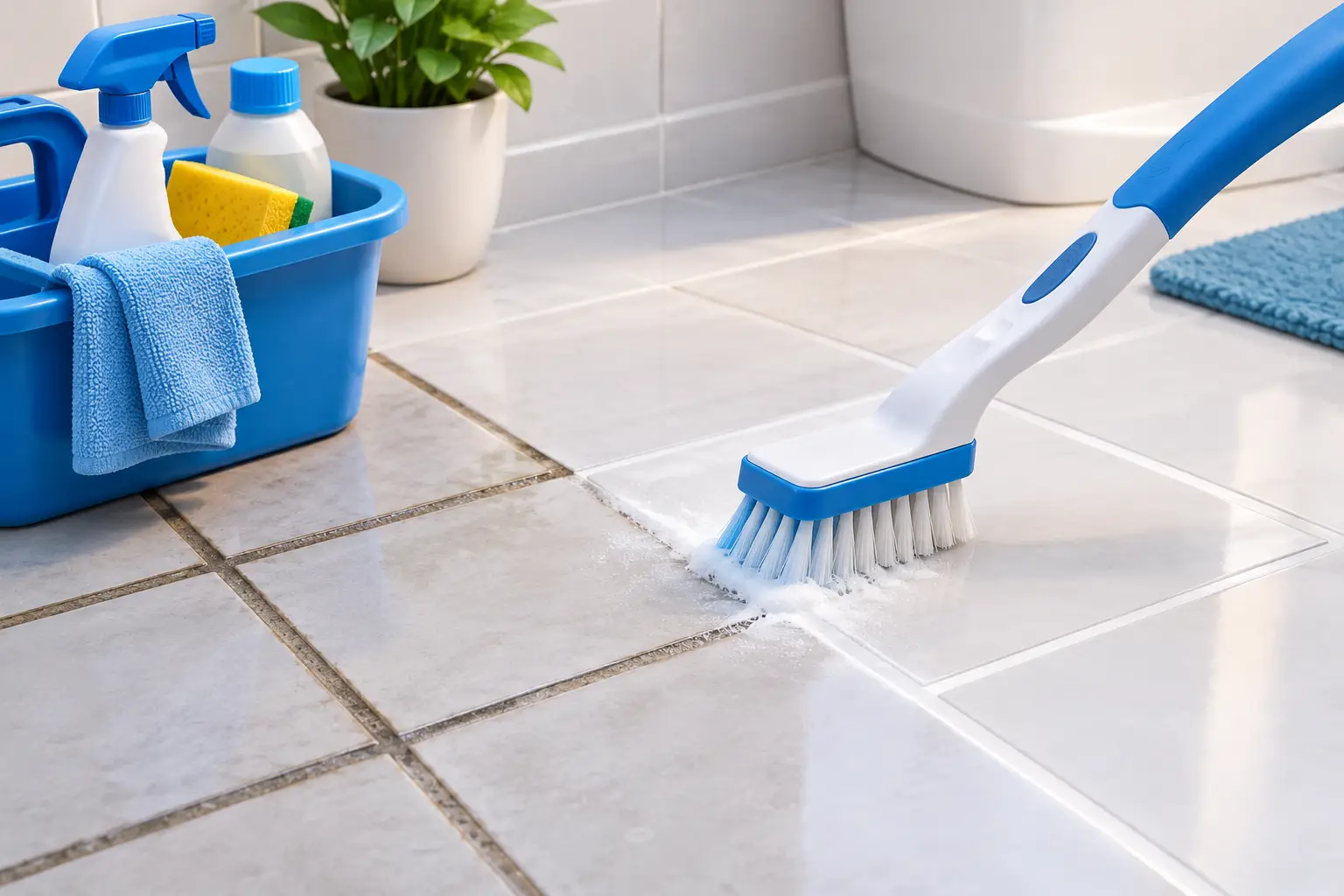
Grout can make an otherwise clean bathroom, kitchen or entry look neglected fast. The temptation is to reach for the strongest chemical on the shelf, but knowing how to clean grout safely protects more than appearances. It helps prevent etched tiles, faded grout, damaged sealants and unnecessary exposure to harsh fumes – particularly in small bathrooms, busy commercial washrooms and poorly ventilated areas.
The right method depends on the tile, the grout type and what is causing the staining. Soap scum, mould, body oils, food residue and ground-in dirt do not all respond to the same cleaner. Start with the least aggressive effective option, allow it time to work, then increase cleaning strength only when the surface can handle it.
Check the Surface Before You Start
Most ceramic and porcelain tiles can tolerate a sensible grout-cleaning routine. Natural stone, including marble, travertine, limestone and some terrazzo, needs more care. Acidic cleaners can permanently dull or etch these materials, even when the product is applied mainly to the grout line. Decorative tiles, coloured grout, old cracked grout and freshly installed surfaces should also be treated cautiously.
Identify whether the grout is cement-based or epoxy if possible. Cement-based grout is porous and can hold dirt and moisture, while epoxy grout is denser and more stain resistant. A general-purpose alkaline cleaner may work well on greasy kitchen grout, but it may do little for mineral deposits around a shower. On the other hand, an acidic descaler can tackle hard-water build-up but is not the right choice for stone or for general weekly cleaning.
Before cleaning the whole floor or wall, test your chosen product in a small, inconspicuous section. Check for colour change, haze, loss of shine or softening around sealant joints. This extra five minutes can save a costly tile replacement job.
Prepare the Area and Use Basic PPE
Good grout cleaning starts with preparation, not chemicals. Remove mats, toiletries, loose debris and any items that could be splashed. Vacuum or sweep floor tiles first so grit is not dragged across the surface while scrubbing. In showers, rinse the area with warm water to remove loose soil and help the cleaner spread evenly.
Open windows and doors where possible, and run the exhaust fan in bathrooms. For larger commercial areas, make sure there is adequate ventilation and keep the space clearly signed off while floors are wet. Wear chemical-resistant gloves and safety glasses, especially when using concentrated cleaners or working overhead on wall grout. Closed shoes with grip are a sensible choice for wet floors.
Never mix cleaning chemicals. Bleach must not be mixed with acids, ammonia-based products or other cleaners, as dangerous gases can form. Use one product at a time, follow the dilution directions on the label and keep containers clearly labelled. More chemical is not automatically better – over-concentrated product can leave residue, create slippery floors and make rinsing harder.
How to Clean Grout Safely Step by Step
For routine soil and light staining, begin with a pH-neutral or mildly alkaline tile and grout cleaner. Apply it according to the label directions and give it enough dwell time to loosen soil. Do not let the product dry on the surface. A few minutes is often more effective than immediately scrubbing harder.
Agitate the grout with a dedicated grout brush or a stiff nylon brush. Nylon bristles are firm enough to lift grime without being as aggressive as wire brushes, which can scratch tiles, wear away grout and leave small metal fragments that later rust. Work in manageable sections, using circular or back-and-forth strokes along the grout lines.
Rinse thoroughly with clean water, then remove the dirty solution with a mop, microfibre cloth, wet vacuum or squeegee. This matters on both domestic and commercial floors. If dirty chemical solution dries back into porous grout, it can leave a film that attracts more soil.
For shower walls, wipe down after rinsing rather than simply leaving water to evaporate. For floors, allow the area to dry fully before assessing the result. Wet grout usually appears darker, so it is easy to mistake moisture for remaining staining.
If the grout still looks dirty, repeat the process once before moving to a stronger product. Repeated controlled cleaning is generally safer than one heavy-handed attempt with an unsuitable chemical.
Treating Mould and Mildew Carefully
Black spotting around shower grout is often mould or mildew, but it can also be staining in the grout itself. First clean away soap scum and body oils, as these can shield mould from treatment. Then use a mould-removal product that is suitable for the tile and grout type, following the manufacturer’s directions for contact time and ventilation.
Chlorine-based products can lighten organic staining, but they are not appropriate for every job. They may fade coloured grout, affect nearby fabrics and irritate eyes or airways. They also do not repair the underlying reason mould returns. If moisture remains trapped behind failed silicone, poor ventilation or leaking plumbing, the staining is likely to come back.
Avoid using bleach on natural stone or mixing it with any other cleaner. Rinse thoroughly after treatment, and dry the area where practical. In commercial washrooms, regular ventilation checks and prompt attention to leaking fixtures are as useful as the cleaning chemical itself.
Removing Grease, Soap Scum and Mineral Build-Up
Kitchen grout often needs an alkaline degreaser rather than a mould cleaner. Food oils and cooking residue respond best when the product is diluted correctly, allowed to dwell and then lifted with mechanical agitation. In hospitality areas, remove excess grease first and avoid flooding grout joints with strong degreaser, particularly near timber, vinyl transitions or drains.
Bathroom grout can have two problems at once: soap scum and hard-water scale. Start with a suitable bathroom or alkaline cleaner for the soap film. If mineral scale remains, consider a purpose-made descaler only after confirming it is safe for the tile and grout. Acidic products should be used sparingly, never on acid-sensitive stone, and rinsed promptly.
A steam cleaner can be useful for some tiled surfaces because it loosens grime without relying heavily on chemicals. However, it is not a universal answer. High heat and moisture may affect deteriorated grout, loose tiles, silicone joints or some sealers. Test first and avoid forcing steam into cracks or edges where water can penetrate behind tiles.
Tools That Help, and Tools to Avoid
A grout brush, nylon scrubbing pad, microfibre cloth, mop and wet vacuum cover most grout-cleaning jobs. For larger facilities, a rotary scrubber with a suitable brush or pad can improve consistency and reduce labour, provided the machine is matched to the floor type and operator training is in place.
Avoid wire brushes, highly abrasive scouring pads and aggressive sanding tools. They can make grout more porous, scratch glazed tiles and create a rough finish that holds dirt more readily. Household toothbrushes can work for small touch-ups, but a purpose-made brush is more efficient and easier on the hands for larger areas.
Rinse, Dry and Seal for Longer-Lasting Results
Rinsing is one of the most overlooked parts of grout cleaning. Any cleaner left behind can leave residue, cause rapid resoiling or affect the performance of a future sealer. Use fresh water and change mop water frequently rather than spreading dirty solution from one area to another.
Once cement-based grout is completely dry, a penetrating grout sealer can reduce water and stain absorption. It is especially worthwhile in shower surrounds, kitchen splashbacks, entry areas and commercial floors exposed to frequent spills. Sealer is not a substitute for cleaning, and it will not bond properly over soap scum, chemical residue or damp grout.
Keep maintenance simple after the deep clean. Wipe shower walls regularly, clean spills promptly, use entry mats to reduce tracked-in dirt and schedule periodic cleaning before the grout becomes heavily stained. This approach is cheaper, safer and less disruptive than repeated restoration work.
If you are unsure which chemical, brush or floor-care equipment suits your tiles, ask a knowledgeable supplier before starting. For Perth homes and professional cleaning teams, WesKleen Supplies can help match practical cleaning products to the job, so you can get a cleaner result without taking unnecessary risks.