


Blog
Post-Event Cleaning Strategies for Conference Centres and Venues

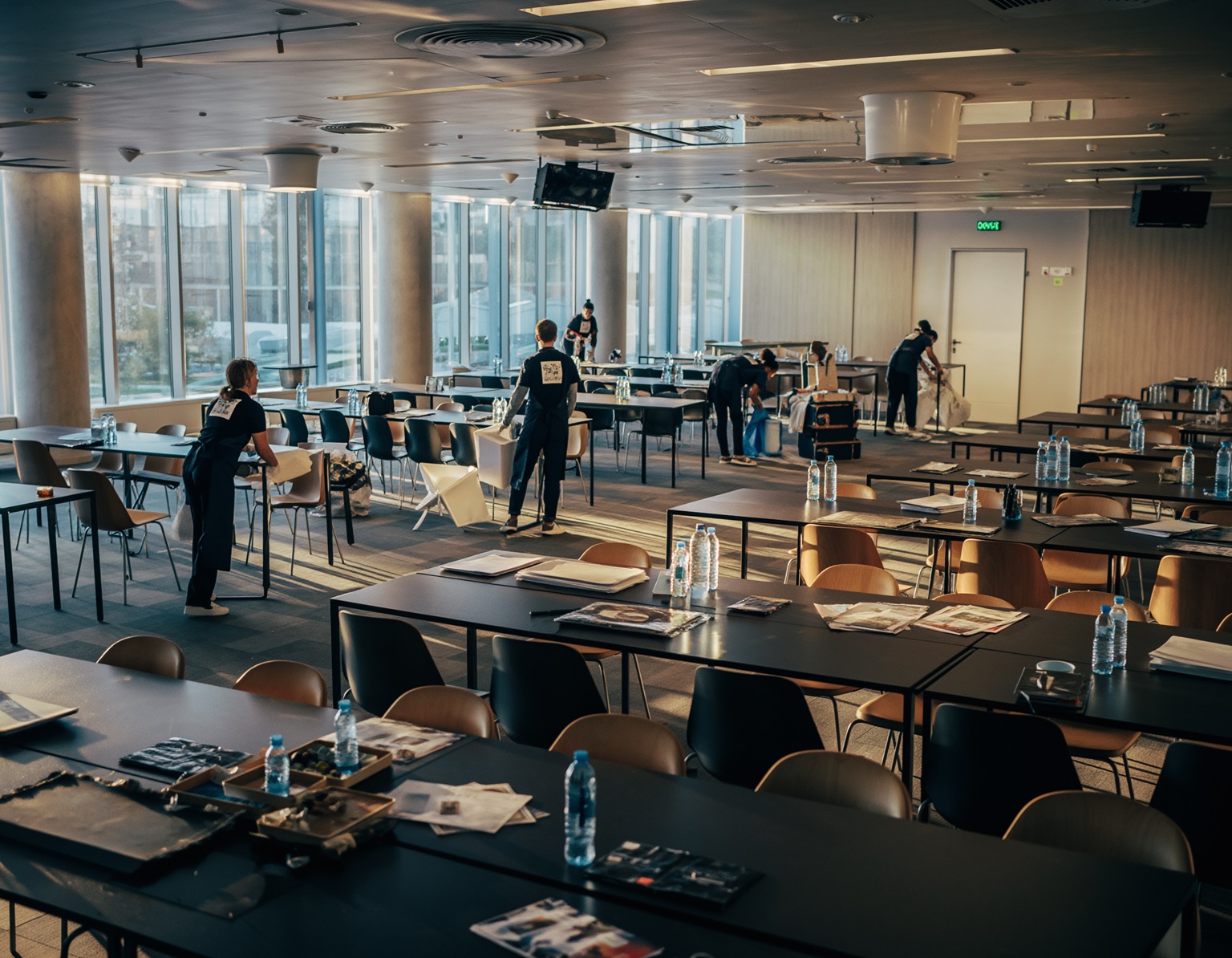
The final guest has departed, the caterers have packed away their equipment, and the venue stands quiet after hours of activity. What happens next determines whether your conference centre or event venue maintains its reputation for excellence or faces complaints about cleanliness standards. Effective post-event cleaning strategies separate professional venues from those that merely get by.
But what actually makes post-event cleaning so different from regular commercial cleaning? The answer lies in the unique combination of time pressure, diverse mess types, and the absolute necessity of returning spaces to pristine condition before the next booking arrives. Whether you’re managing a dedicated conference centre, a multi-purpose community venue, or a hotel function space, understanding and implementing systematic cleaning approaches isn’t just helpful – it’s essential for operational success.
Weskleen Supplies has worked with venue managers across Australia to develop practical cleaning solutions that address real-world challenges. This guide shares proven post-event cleaning strategies that help venues maintain exceptional standards while working within the demanding timeframes that characterise the events industry.
Understanding the Post-Event Cleaning Challenge
Conference centres and event venues present cleaning challenges that differ substantially from standard commercial environments. Understanding these differences helps in developing appropriate responses and setting realistic expectations.
Why Conference Centre Cleaning Differs from Standard Commercial Cleaning
Regular commercial cleaning follows predictable patterns. An office building sees similar foot traffic daily, creates comparable mess levels, and requires consistent cleaning routines. Venue cleaning couldn’t be more different.
Consider the variability involved. Monday might bring a corporate training session for fifty people generating modest mess concentrated in one room. Tuesday could see a wedding reception for three hundred guests with food service, dancing, and celebrations extending across multiple spaces. Wednesday might feature a trade exhibition with heavy equipment, promotional materials, and hundreds of visitors tracking through the venue all day.
This variability means cleaning teams can’t rely on standardised routines. Each event creates its own cleaning profile based on attendee numbers, activities conducted, catering provided, duration, and countless other factors. Effective venue cleaning services must adapt continuously rather than following fixed procedures.
Time pressure adds another dimension. Unlike offices that receive overnight cleaning with staff arriving to clean spaces in the morning, venues often operate with back-to-back bookings. A morning conference might conclude at noon with an afternoon function beginning setup at two o’clock. That two-hour window must accommodate pack-down from the first event, complete cleaning, and setup for the second – leaving perhaps sixty to ninety minutes for actual cleaning work.
The stakes involved also differ. A slightly dusty office corner might go unnoticed for days. A visible stain on a venue carpet or unpleasant odour in a function room creates immediate negative impressions affecting client satisfaction, future bookings, and venue reputation. Every cleaning outcome directly impacts business success.
Common Types of Events and Their Cleaning Implications
Different event categories create distinct cleaning challenges, and experienced venue operators learn to anticipate requirements based on booking types.
Corporate conferences and seminars typically generate moderate cleaning demands. Expect general litter from delegate materials, coffee and tea spills near service stations, bathroom usage patterns concentrated during breaks, and potential equipment marks from presentation technology. These events usually maintain reasonable orderliness, making cleaning relatively straightforward.
Wedding receptions and formal functions present more complex scenarios. Food service creates spills and debris throughout dining areas. Dance floors see drink spills and scuff marks. Bathrooms experience heavy use with potential makeup stains and product residue. Emotional celebrations sometimes lead to breakages or accidents requiring immediate attention. The formal nature of these events also means higher presentation standards – every detail matters.
Trade shows and exhibitions bring industrial-scale challenges. Heavy equipment transport damages floors without protective measures. Promotional materials create substantial waste requiring removal. Demonstration areas may have product residue or samples requiring cleanup. High visitor numbers track dirt throughout the venue, and loading dock areas see intensive use requiring post-event attention.
Social gatherings and parties – corporate celebrations, milestone birthdays, community events – often combine multiple challenge types. Food, beverages, dancing, decorations, and enthusiastic participation create varied mess profiles requiring comprehensive cleaning responses.
Understanding these patterns helps in resource allocation, equipment selection, and timeline estimation for effective post-event cleaning strategies.
Developing a Systematic Cleaning Workflow
Random cleaning efforts waste time and miss areas. Systematic approaches ensure comprehensive coverage while maximising efficiency – critical factors when working within tight turnaround windows.
The Three-Phase Approach to Post-Event Restoration
Professional venue cleaning services typically structure their work across three distinct phases, each serving specific purposes in the restoration process.
Phase one focuses on immediate response and gross debris removal. This begins while event pack-down occurs, with cleaning staff collecting obvious rubbish, removing abandoned items, and clearing large debris. The goal is transforming the space from post-event chaos to merely untidy – creating workable conditions for detailed cleaning. This phase also identifies any significant issues requiring special attention, such as major spills, damage, or unexpected cleaning challenges.
Take the experience of Marcus, facilities manager at a regional conference centre in Western Australia. He recalls a corporate gala where a red wine service station catastrophically failed, sending litres of wine across a cream carpet. Because his team operated systematic protocols, staff identified the disaster during phase one, immediately treating the affected area with appropriate solutions while the main cleaning proceeded elsewhere. Had the wine sat untreated through general cleaning, permanent staining would have resulted. The systematic approach saved thousands in carpet replacement costs.
Phase two addresses detailed cleaning of all surfaces, fixtures, and equipment. This represents the core cleaning work – vacuuming carpets, mopping hard floors, wiping surfaces, sanitising bathrooms, cleaning glass, and addressing every element requiring attention. Teams work systematically through spaces, typically starting from the back and working toward exits to avoid re-contaminating cleaned areas.
Phase three covers inspection, touch-ups, and final preparation. Supervisors conduct walkthrough inspections identifying any missed areas or remaining issues. Touch-up work addresses these findings before final presentation preparation ensures the venue stands ready for its next use. Documentation during this phase creates records for quality assurance and client communication.
This three-phase structure provides framework adaptability. Small events might compress all phases into ninety minutes. Major functions could require overnight teams working extended phase two operations. The structure remains consistent while execution scales to requirements.
Creating Effective Cleaning Checklists
Checklists transform systematic intentions into practical reality. Well-designed checklists prevent oversights, enable progress tracking, and support quality verification.
Effective venue cleaning checklists break down by area rather than task type. A room-by-room approach ensures comprehensive coverage – nothing gets missed because staff assumed another team member handled it. Each room section lists specific tasks required: floor care, surface wiping, fixture cleaning, waste removal, supply restocking, and final presentation checks.
Task prioritisation within checklists reflects both hygiene importance and visibility factors. Bathroom sanitisation ranks high on both counts – poor bathroom cleanliness creates health risks and strongly influences venue perception. Entrance foyer cleaning prioritises visibility since first impressions form immediately upon arrival. Back-of-house areas might prioritise hygiene over presentation where client visibility is limited.
Time allocation guidelines help supervisors assess progress and identify potential delays. Experienced teams develop benchmarks – a standard meeting room might require twenty minutes, a banquet hall after dinner service might need ninety minutes, bathrooms might average fifteen minutes each. These guidelines inform scheduling decisions and resource allocation.
Quality control checkpoints appear throughout checklists rather than only at completion. Interim checks catch problems while correction remains easy. Discovering a missed area after equipment is packed creates far more disruption than identifying it during active cleaning.
Documentation sections capture completion verification, issue identification, and sign-off authorisation. This documentation supports both internal quality management and client communication about completed work.
Essential Equipment for Venue Cleaning Operations
The right equipment transforms cleaning efficiency. Venue operations require diverse equipment selections addressing varied surface types, space sizes, and cleaning challenges.
Floor Care Machinery Selection
Floors represent the largest surface area in most venues and receive the most visible wear from events. Appropriate floor care machinery makes enormous differences in both cleaning quality and labour efficiency.
Floor scrubbers suit hard surface areas common in foyers, corridors, and multipurpose spaces. Machine selection depends on floor type, area size, and access constraints. Compact walk-behind scrubbers handle most venue requirements effectively, manoeuvring around furniture and through doorways while delivering consistent cleaning results. For venues with extensive hard floor areas, ride-on models improve productivity but require wider access paths and storage space.
Think of floor scrubber selection like choosing vehicles for a delivery fleet. You wouldn’t send a semi-trailer for local suburban deliveries or expect a bicycle to transport heavy freight interstate. Similarly, matching scrubber capabilities to venue requirements ensures effective cleaning without unnecessary investment or operational constraints.
Vacuum systems address carpeted conference rooms, auditoriums, and function spaces. Commercial backpack vacuums like the Pacvac Superpro 700 offer excellent manoeuvrability around furniture configurations typical of event spaces, with ergonomic designs reducing operator fatigue during extended cleaning sessions. Upright vacuums suit open carpeted areas where straight-line operation works efficiently.
For larger carpet areas like exhibition halls or auditoriums, wide-area vacuums dramatically improve productivity. The time savings compound significantly – halving the time to vacuum a major space might save an hour or more per event, accumulating substantial labour savings over monthly operations.
Entrance areas and high-traffic zones often benefit from specialised attention. Walk-off matting captures significant soil loads before they spread throughout venues. Regular deep cleaning of entrance carpets using extraction equipment removes accumulated grit that otherwise abrades fibres and creates worn appearances.
Battery-powered versus corded equipment decisions balance flexibility against runtime requirements. Cordless options eliminate trip hazards and provide unrestricted movement around event furniture, particularly valuable during phase one operations when spaces remain cluttered. However, ensure battery capacity matches venue requirements – nothing disrupts cleaning flow like equipment dying mid-task.
Hand Tools and Cleaning Accessories
While machinery handles major surface areas, hand tools enable the detailed work creating truly clean venues.
Microfibre cleaning systems represent significant advances over traditional cloths and rags. The microfibre mop heads capture and retain particles rather than pushing them around, improving both cleaning effectiveness and hygiene outcomes. Colour-coded microfibre systems prevent cross-contamination – using dedicated colours for bathrooms, food areas, and general surfaces eliminates risks of spreading contamination between areas.
Mop and bucket configurations vary based on floor types and soil levels. For general hard floor maintenance, flat mop systems with dual-chamber buckets provide efficient cleaning with clean solution separation. A 16-litre mop bucket offers practical capacity for venue work without becoming unwieldy. For heavily soiled areas requiring more aggressive cleaning, traditional mops with wringer buckets remain effective.
Extension tools prove essential in venues featuring high ceilings, architectural features, and elevated areas common to conference centres. Extension poles enable safe cleaning of elevated surfaces without ladder deployment – faster, safer, and more practical during busy turnaround periods. Window cleaning at height, cobweb removal from ceiling corners, and high wall dusting all benefit from appropriate extension equipment.
Waste collection equipment efficiency impacts overall cleaning productivity. Multiple bin configurations on wheeled trolleys enable single-pass rubbish collection. Adequate bin capacity prevents overflow issues during heavy debris removal phases. Recycling separation systems support environmental policies while facilitating efficient waste management.
Organisational systems keep supplies accessible throughout cleaning operations. Cleaning caddies and trolleys position chemicals, cloths, and tools within easy reach, eliminating time lost searching for supplies or returning to storage areas. Well-organised teams complete work faster with less frustration.
Chemical Selection and Safety Protocols
Cleaning chemical choices impact effectiveness, surface preservation, safety, and environmental outcomes. Venue operations require thoughtful chemical selection matched to specific applications.
Matching Cleaning Agents to Venue Surfaces
Modern venues feature diverse surface materials requiring appropriate cleaning approaches. Using incorrect chemicals risks damage, ineffective cleaning, or both.
pH-neutral cleaners suit delicate flooring and finishes where aggressive chemicals might cause damage. Polished timber floors, certain vinyl compositions, and marble or stone surfaces require gentle cleaning approaches. pH-neutral options clean effectively without risking surface damage, making them safe choices when surface composition is uncertain.
Sanitisers become essential in food service areas, bathrooms, and wherever hygiene requirements demand microbial reduction. Foaming cleaners and sanitisers provide combined cleaning and sanitising action, reducing product requirements and application steps. Understanding contact time requirements – the duration sanitiser must remain wet on surfaces for effective microbial reduction – ensures products deliver intended benefits.
Glass and mirror cleaners create streak-free finishes on windows, mirrors, and glass partitions prominent in modern venue designs. Presentation areas where clients gather and photograph events demand spotless glass surfaces. Quality glass cleaners applied with appropriate microfibre cloths achieve professional results efficiently.
Carpet spotting solutions address inevitable spills and stains from event activities. Different stain types respond to different treatments – protein-based stains from food require different approaches than tannin stains from coffee or wine. Building a spotting kit covering common stain categories enables rapid response preventing permanent marking.
Multi-surface cleaners provide efficiency where multiple surface types require attention without individual product applications. Choosing quality multi-surface options that clean effectively without leaving residue or creating surface damage simplifies operations while maintaining standards.
Safe Handling and Storage Practices
Chemical safety protects staff health, prevents accidents, and ensures regulatory compliance. Professional cleaning operations implement comprehensive safety protocols.
Staff training forms the foundation of chemical safety. Every team member using cleaning chemicals must understand product hazards, appropriate personal protective equipment requirements, emergency procedures for exposures or spills, and proper application methods. Training documentation demonstrates compliance with workplace safety obligations.
Personal protective equipment standards specify minimum requirements for different products and tasks. Gloves protect skin from irritant chemicals. Eye protection prevents splash injuries during dilution or application. Respiratory protection may be necessary for volatile products or confined space use. Equipment must be readily available, properly maintained, and actually used – having PPE available means nothing if staff don’t wear it.
Proper dilution ratios ensure product effectiveness and economy. Under-dilution wastes money and may leave residue affecting surfaces. Over-dilution reduces cleaning effectiveness, requiring additional applications or accepting substandard results. Accurate dispensing systems remove guesswork and ensure consistency.
Storage requirements maintain product integrity and prevent accidents. Chemicals require cool, dry storage away from direct sunlight. Segregation prevents incompatible products from accidental mixing. Secure storage protects against unauthorised access. Clear labelling ensures correct product identification. Proper ventilation prevents vapour accumulation in storage areas.
Environmental considerations increasingly influence chemical selection and disposal decisions. Biodegradable formulations reduce environmental impact. Concentrated products decrease packaging waste and transport requirements. Proper disposal of empty containers and expired products prevents contamination. Many venues incorporate environmental criteria into procurement specifications.
Tackling Common Post-Event Cleaning Challenges
Certain challenges recur across venue operations. Understanding effective approaches to these common issues enables faster, better responses.
Food and Beverage Spill Management
Where events include catering, spills will occur. Effective management prevents permanent damage and maintains presentation standards.
Immediate response protocols significantly influence stain outcomes. Many substances cause more damage the longer they remain on surfaces. Training staff to address spills promptly – even during active events when full cleaning isn’t possible – prevents permanent staining. Blotting rather than rubbing, appropriate product application, and knowing when professional intervention is required all contribute to better outcomes.
Wine stains demand particularly rapid response, especially red wine on light-coloured surfaces. Blotting excess liquid, applying appropriate stain treatment, and avoiding heat (which sets protein components) maximises removal success. White wine or club soda can help neutralise red wine in emergencies. Professional carpet cleaning may be necessary for significant wine incidents.
Coffee and tea create tannin-based stains responding to specific treatments. Hot water extraction often proves effective for fresh spills. Older stains may require enzymatic cleaners or professional treatment. Dark beverages on light carpets represent significant damage risks requiring priority attention.
Greasy food residue requires different approaches than water-based spills. Degreasing agents break down oils for removal. Multiple applications may be necessary for heavy deposits. Hard surfaces generally clean easier than porous materials where oils can penetrate. Kitchen and food service areas receive routine degreasing as standard practice.
Chewing gum and sticky substances present mechanical removal challenges. Freezing methods harden gum for easier removal from carpets. Adhesive removers dissolve sticky residues from hard surfaces. Patience and appropriate techniques prevent surface damage during removal efforts.
Odour neutralisation becomes necessary after food service events. Lingering food smells create poor impressions for subsequent bookings. Ventilation helps dissipate cooking odours. Deodorising agents neutralise residual smells. Carpet and upholstery can absorb odours requiring specific treatment.
Restoring High-Traffic Areas
Entrance and foyer areas take the heaviest traffic and create first impressions demanding priority attention. Post-event cleaning strategies must address these zones thoroughly.
Entrance matting accumulates massive soil loads during events. Deep extraction cleaning removes embedded grit that otherwise tracks throughout the venue. Regular mat maintenance between events extends mat life and improves effectiveness.
Hard floor entrances show scuff marks, tracked dirt, and wear patterns requiring thorough cleaning. Scrubbing followed by appropriate finish maintenance restores appearances. Heavy traffic may require more frequent floor care programs beyond post-event cleaning.
Foyer furniture and fixtures accumulate dust, fingerprints, and general soil from constant contact. Reception desks, display furniture, and seating areas all require wiping and presentation attention.
Corridor and hallway maintenance extends entrance cleaning throughout the venue. Traffic patterns concentrate wear in predictable locations requiring extra attention. Wall cleaning at hand-height addresses fingerprints and contact marks. Wayfinding signage requires regular cleaning for clear visibility.
Stairwells see concentrated traffic and challenging cleaning geometry. Handrails accumulate hand contact residue requiring sanitisation. Steps show wear requiring appropriate floor care. Landings often become temporary storage or gathering spots requiring extra attention.
Elevator areas experience intensive use during events. Cab interiors require thorough cleaning including floors, walls, buttons, and handrails. Elevator lobbies on each floor need attention matching their traffic levels.
Bathroom and Amenity Area Deep Cleaning
Bathroom cleanliness strongly influences overall venue perception. Post-event bathroom restoration requires comprehensive attention.
Restroom Restoration After High-Volume Use
Event bathrooms see usage volumes far exceeding normal commercial patterns. A three-hour event with two hundred attendees might generate bathroom visits rivalling a full day of office use – compressed into break periods lasting fifteen to twenty minutes each.
How do you restore bathrooms to pristine condition when time is short and the next event is hours away? The answer lies in systematic protocols addressing every element requiring attention.
Fixture sanitisation and disinfection protocols ensure hygiene standards. Toilets, urinals, and basins receive thorough cleaning using appropriate sanitising products. Contact time compliance ensures effective microbial reduction. Fixture exteriors and surrounds receive equal attention – visible cleanliness matters alongside actual hygiene.
Floor cleaning addresses inevitable spillage and tracking. Tiled bathroom floors tolerate wet cleaning methods enabling thorough soil removal. Grout lines require periodic deep cleaning maintaining appearance and hygiene. Drain maintenance prevents odour issues and ensures proper function.
Supply restocking maintains usability for subsequent events. Toilet paper, hand towels, soap dispensers, and sanitary disposal units all require checking and replenishment. Adequate supply levels throughout events reflect positively on venue management.
Mirror and surface polishing creates the impression of cleanliness supporting actual hygiene efforts. Spotless mirrors, gleaming fixtures, and clean countertops demonstrate attention to detail that clients appreciate.
Odour control and air freshening complete bathroom restoration. Adequate ventilation removes residual odours. Appropriate air fresheners provide pleasant impressions without overwhelming fragrance. Persistent odour issues may indicate underlying problems requiring investigation.
Kitchen and Catering Area Requirements
Where venues provide food preparation facilities or host external caterers, kitchen areas require specific post-event attention.
Food preparation surface sanitisation ensures food safety compliance. All surfaces that contacted food require thorough cleaning and sanitising. Colour-coded chopping boards and equipment need appropriate treatment. Documentation supports food safety management systems.
Appliance cleaning and maintenance addresses equipment used during events. Ovens, cooktops, refrigerators, and smaller appliances accumulate food residue requiring removal. Interior and exterior surfaces both need attention. Routine maintenance checks during cleaning identify potential issues.
Floor degreasing in cooking areas removes oil and grease accumulation creating slip hazards and unhygienic conditions. Kitchen-grade degreasers break down cooking oils for effective removal. Regular deep cleaning maintains safety and hygiene between events.
Waste removal and bin sanitisation eliminate food waste promptly preventing odours, pest attraction, and hygiene issues. Bins used for food waste require thorough cleaning after emptying. External waste areas need maintenance keeping them clean and pest-free.
Compliance with food safety standards requires documented cleaning protocols. Record-keeping demonstrates due diligence. Staff training ensures proper procedures are followed. Regular audits verify compliance and identify improvement opportunities.
Outdoor and External Area Maintenance
Venue cleaning extends beyond internal spaces to outdoor areas and external surfaces contributing to overall impression.
Car Park and Entrance Cleaning
Visitor experience begins in the car park. Clean, well-maintained external areas set positive expectations before guests enter the venue.
Litter collection and sweeping procedures address debris from event attendees. Car parks accumulate rubbish, cigarette butts, and general debris requiring regular attention. Sweeping removes loose material improving appearance. Power sweeping suits larger areas.
Signage cleaning ensures clear visibility for wayfinding and venue identification. Dirty, obscured signs create poor impressions and practical difficulties. Regular cleaning maintains professional presentation.
Lighting fixture maintenance supports safety and atmosphere. Dirty light fittings reduce illumination and appear neglected. Cleaning during daylight hours when lights are off ensures safety.
Garden bed and planter tidying maintains landscaped areas enhancing venue appearance. Litter removal from garden beds, minor weeding, and debris clearing support professional presentation. Major landscaping maintenance typically falls outside routine cleaning scope.
Pathway pressure cleaning addresses built-up grime and staining on concrete, paving, and other hard surfaces. Periodic deep cleaning restores surfaces to clean condition. Regular maintenance prevents heavy accumulation requiring aggressive restoration.
Smoking Areas and External Gathering Spaces
Designated smoking areas and outdoor gathering spaces require specific cleaning attention.
Cigarette butt collection and disposal addresses significant litter accumulation. Purpose-designed receptacles facilitate collection. Regular emptying prevents overflow. Butt removal from gardens and surrounding areas prevents spread.
Outdoor furniture cleaning maintains seating and tables in usable condition. Weather exposure and regular use accumulates soil requiring cleaning. Appropriate products for outdoor furniture materials prevent damage.
Bin emptying and sanitisation keeps waste receptacles functional and hygienic. External bins may require more frequent attention than internal bins due to weather exposure and pest pressures.
Ground surface cleaning addresses spillage and accumulation around gathering areas. Pressure washing may be needed for heavily soiled surfaces. Regular attention prevents heavy buildup.
Barrier and bollard wiping maintains crowd control equipment. Frequent handling transfers oils and soil requiring regular cleaning.
Team Coordination and Time Management
Effective venue cleaning services depend as much on team coordination as equipment and chemicals. Well-organised teams accomplish more in less time.
Structuring Cleaning Crews for Efficiency
Cleaning crew structure influences productivity, quality, and staff satisfaction. Thoughtful team organisation optimises outcomes.
Role assignment and specialisation benefits appear in efficiency gains and quality consistency. Staff members developing expertise in specific tasks – bathroom cleaning, floor care, surface detailing – perform those tasks faster and better than generalists rotating through unfamiliar work. However, cross-training remains important for flexibility when team members are unavailable.
Communication protocols during cleaning operations prevent duplication, gaps, and conflicts. Clear understanding of who is responsible for which areas eliminates assumptions causing problems. Check-in points during operations identify progress and issues. Simple communication tools – two-way radios for larger venues – maintain coordination.
Supervision and quality control responsibilities ensure standards are met consistently. Supervisors not only direct work but inspect completed areas, identify issues requiring attention, and maintain overall progress visibility. Supervisor availability for questions and guidance supports newer team members.
Handling unexpected discoveries and issues requires clear escalation procedures. Staff encountering damage, unusual messes, or conditions beyond their scope need to know when and how to seek assistance. Response protocols prevent small issues becoming major problems.
Team briefings and debriefings bookend cleaning operations. Pre-event briefings communicate specific requirements, unusual circumstances, and task assignments. Post-event debriefings capture lessons learned, identify improvement opportunities, and recognise good performance.
Working Within Tight Turnaround Windows
Venue operations frequently require completing cleaning within constrained timeframes. Effective strategies maximise productive use of available time.
Prioritisation strategies when time is limited focus effort on highest-impact areas. Visible areas and hygiene-critical spaces take priority over back-of-house areas that can receive attention later. Understanding what clients and guests will notice guides prioritisation decisions.
Parallel task execution speeds overall completion. Multiple team members working simultaneously in different areas accomplish more than sequential operations. Coordination prevents bottlenecks where multiple staff need access to shared resources.
Essential versus desirable cleaning tasks differentiation prevents over-investment in perfectionism when time is short. Essential tasks must be completed regardless of time pressure. Desirable tasks receive attention when time permits. Understanding this distinction prevents situations where perfectionism in one area causes critical gaps elsewhere.
Client communication about realistic timeframes prevents commitments that teams cannot meet. Under-promising and over-delivering builds trust. Transparent communication when timeframes are genuinely insufficient enables problem-solving before issues arise.
Building buffer time into schedules accommodates inevitable surprises and delays. Equipment failures, unexpected mess discoveries, and event overruns all create delays. Schedules incorporating reasonable buffers handle variations without crisis.
Quality Assurance and Final Inspection
Cleaning work without verification risks inconsistency and missed areas. Quality assurance processes ensure standards are consistently met.
Conducting Thorough Walkthrough Inspections
Systematic inspections identify issues before they become client complaints.
Systematic room-by-room inspection protocols ensure comprehensive coverage. Following consistent inspection routes prevents skipping areas. Checklists guide inspection focus and documentation.
Lighting checks reveal overlooked issues invisible under normal conditions. Bright lighting exposes dust, streaks, and marks that subdued lighting conceals. Inspection under favourable lighting conditions often identifies issues requiring touch-up.
Surface touch tests for cleanliness verification confirm actual cleaning effectiveness. Visual inspection alone doesn’t catch sticky residues, dust, or inadequate wiping. Running hands across surfaces verifies thorough cleaning.
Scent assessment throughout the venue identifies odour issues. Fresh air indicates effective cleaning and ventilation. Lingering odours suggest incomplete cleaning or underlying problems.
Photography documentation of completed work creates records supporting client communication and dispute resolution. Dated photos demonstrate conditions at cleaning completion.
Addressing Last-Minute Touch-Ups
Inspection findings require prompt response before handover.
Common areas requiring final attention include glass smudges from inspection handling, minor litter appearing after cleaning, and presentation details like straightening items. Quick passes through public areas often catch small issues.
Quick-fix solutions for minor issues enable rapid response. Spare cloths and appropriate products positioned for touch-up work support fast corrections.
Presentation details making the difference include straightened chairs, aligned furniture, centred decorations, and similar visual elements beyond cleaning per se. These details contribute to overall impression.
Final equipment removal and storage ensures no cleaning equipment remains in client areas. Packed and stored equipment confirms cleaning operation completion.
Handover procedures and sign-off formalise cleaning completion. Documentation records completion time, staff involved, and any issues identified. Client sign-off where applicable confirms acceptance.
Building Long-Term Venue Maintenance Programs
Post-event cleaning strategies operate within broader maintenance frameworks. Integration ensures sustainable cleanliness outcomes.
Integrating Post-Event Cleaning with Regular Maintenance
Post-event cleaning addresses immediate requirements. Regular maintenance prevents accumulation requiring intensive restoration.
Balancing reactive and preventive cleaning approaches optimises resource allocation. Post-event cleaning necessarily responds to specific event impacts. Preventive maintenance – periodic deep cleaning, scheduled equipment servicing, routine restoration work – prevents condition deterioration between events.
Scheduling deep cleaning between busy periods addresses accumulated wear without disrupting operations. Carpet deep cleaning, floor refinishing, upholstery cleaning, and similar intensive work fit best during quieter periods.
Asset protection through proper care routines extends equipment and surface life. Appropriate cleaning methods prevent premature wear. Correct chemical selection preserves finishes. Proper equipment maintenance ensures ongoing functionality.
Budget allocation for cleaning operations requires balancing immediate costs against long-term outcomes. Adequate investment in cleaning supports venue condition and reputation. Under-investment creates false economies where deteriorating conditions eventually require expensive restoration or replacement.
Vendor relationships and supply management ensure materials and services remain available when needed. Reliable supply chains prevent disruptions. Quality relationships with service providers support responsive issue resolution.
Continuous Improvement in Cleaning Operations
Excellence requires ongoing refinement rather than static procedures.
Feedback collection and analysis identifies improvement opportunities. Client feedback reveals their experience and expectations. Staff feedback identifies procedural issues and practical constraints. Structured feedback analysis guides improvement initiatives.
Staff training and development programs maintain and enhance team capabilities. Initial training establishes baseline competency. Ongoing development addresses new products, equipment, and techniques. Career progression opportunities retain talented staff.
Equipment upgrades and replacements maintain operational effectiveness. Aging equipment reduces productivity and increases failure risks. Planned replacement programs prevent crisis purchases at unfavourable terms.
Process refinement based on experience improves efficiency and outcomes over time. Documentation of lessons learned prevents repeating mistakes. Successful innovations become standard practice. Continuous improvement culture encourages staff contributions.
Industry best practice adoption keeps operations current with developments. Professional associations, trade publications, and peer networks provide access to evolving best practices. Benchmarking against industry leaders identifies improvement opportunities.
Partnering for Venue Cleaning Success
Implementing comprehensive post-event cleaning strategies requires appropriate equipment, quality chemicals, and practical knowledge. Whether you’re establishing cleaning operations for a new venue or upgrading existing approaches, Weskleen Supplies provides the products and expertise supporting venue cleaning success across Australia.
From floor care machinery and vacuum systems through cleaning chemicals and hand tools, the right equipment makes demanding venue turnarounds achievable. Quality products from trusted brands ensure reliable performance when time pressure leaves no margin for equipment failures.Professional venue cleaning services demand professional-grade supplies. Browse the complete range or contact us to discuss your venue’s specific requirements. The right post-event cleaning strategies, supported by appropriate equipment and supplies, ensure your venue maintains the presentation standards that keep clients returning.