


Blog
Reducing Chemical Inventory: How a 5L Cleaner Replaces Specialist Products

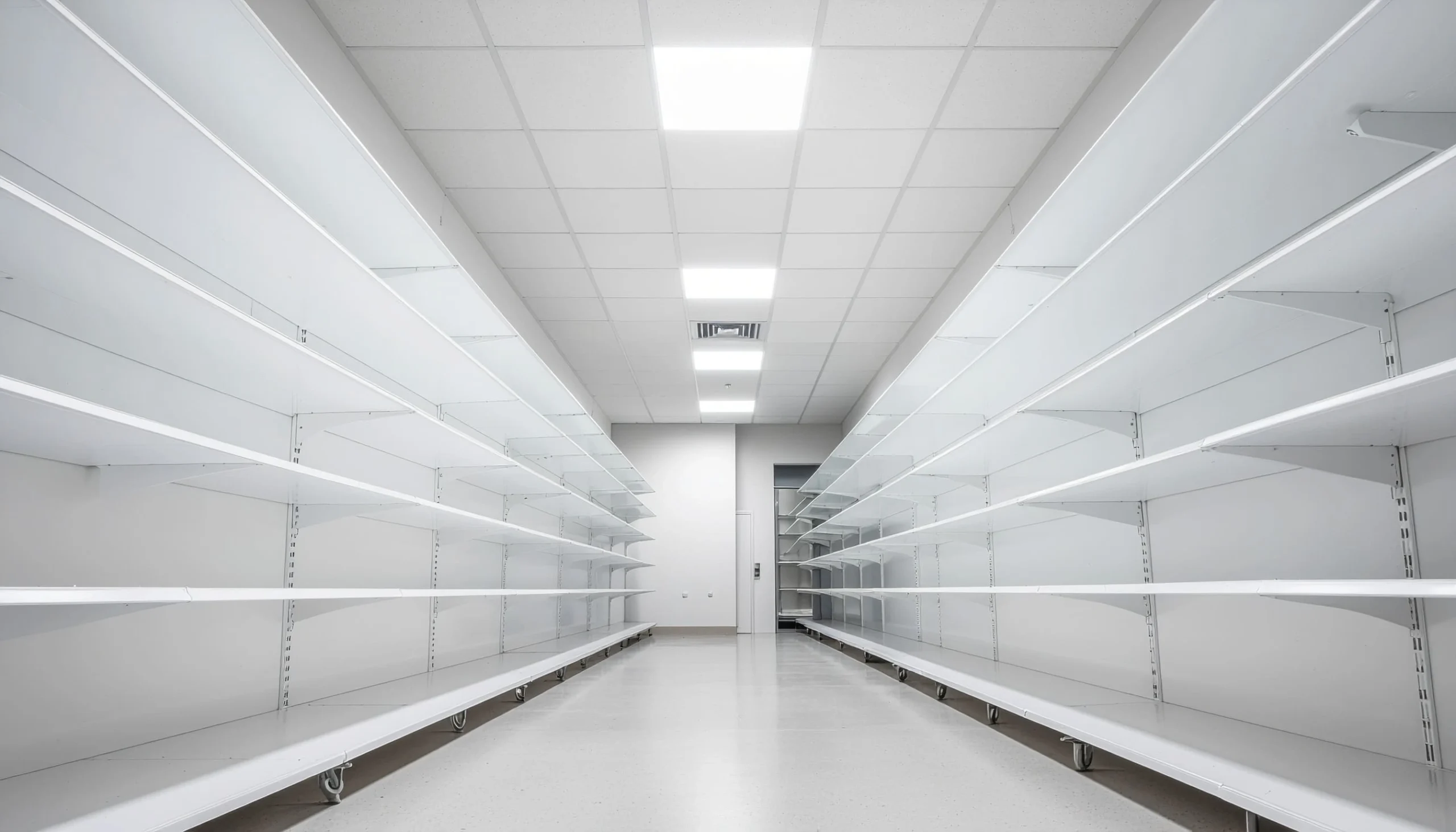
Professional cleaning operations often suffer from chemical clutter. Shelves packed with separate products for glass, floors, benchtops, and bathrooms create storage headaches, budget strain, and training complications. A facility manager juggling twelve different bottles for various surfaces is not running an efficient operation; they are managing unnecessary complexity. For facility managers looking to optimise their commercial cleaning supplies perth inventory, auditing this clutter is the first step toward profitability.
The shift towards consolidated cleaning systems is not just about convenience. It is about operational efficiency, cost control, and reducing the risk of chemical misuse. When a cleaner reaches for the wrong specialist product on a stainless steel surface or mixes incompatible chemicals, the consequences range from damaged finishes to serious safety incidents. A genuine multi surface cleaning solution eliminates the guesswork whilst delivering professional results across diverse materials. But what does it take to actually clear off those shelves without sacrificing cleanliness?
The Hidden Costs of Specialist Product Proliferation
Most operations accumulate commercial cleaning supplies gradually. Someone buys a glass cleaner, then a separate degreaser, then a bathroom-specific formula. Before long, the storage cupboard resembles a chemical warehouse.
This proliferation creates four distinct cost centres that rarely appear on initial budgets. Storage and logistics expenses multiply as your inventory grows. Each product requires shelf space, proper labelling, and safety data sheet management. Facilities with limited storage end up stacking chemicals in unsafe configurations or spreading them across multiple locations. It is about operational efficiency, cost control, and improving overall cleaning supply efficiency.
Training complexity increases exponentially with each new product. New staff must learn which bottle suits which surface, understand dilution ratios for multiple chemicals, and remember safety protocols for each formula. The cognitive load leads to mistakes. Procurement inefficiencies emerge when ordering from multiple suppliers or managing numerous stock units. Purchase orders become lengthy, inventory tracking grows complicated, and bulk discounts disappear when you are buying small quantities of many products.
Waste from redundancy occurs when products expire before use or when cleaners default to familiar products, leaving specialist bottles untouched. We have seen cleaning cupboards with three different bathroom cleaners, all half-empty, all past their optimal use date. A school maintenance supervisor once showed us their chemical inventory containing forty-seven different products for a facility that could be maintained with fewer than ten. The annual cost was not just the purchase price. It was the staff hours spent managing inventory, the training mistakes, and the storage space that could have been repurposed. Partnering with professional suppliers like Weskleen Supplies helps identify these redundancies early.
What Makes a True Multi-Surface Cleaner Different
Not every product labelled “all-purpose” actually delivers across multiple surfaces. The chemistry matters enormously.
A genuine multi surface cleaning solution requires pH balance that will not damage sensitive materials. Think of pH like water temperature; too hot or too cold, and you will damage what you are trying to clean. Most quality multi-surface formulas sit in the neutral to slightly alkaline range (pH 7-10), aggressive enough to cut through organic soils but gentle enough for daily use on varied surfaces.
The surfactant package determines cleaning power. These molecules work like tiny magnets, with one end attracting dirt and the other attracting water. Quality formulations use multiple surfactant types to handle different soil types like grease, protein, and mineral deposits without requiring separate products. Compatibility with materials separates professional-grade solutions from consumer products. A proper multi-surface formula will not dull sealed floors, streak glass, damage powder-coated metal, or leave residue that attracts dirt.
Real-World Application: From Twelve Products to One
A Perth café owner approached us with a common complaint. Her cleaning routine required separate products for the espresso machine surrounds, dining tables, glass display cases, tiled floors, and bathroom fixtures. The morning cleaning took two staff members ninety minutes, partly because they spent time switching between products.
We suggested consolidating to a single bulk multi-purpose concentrate for all general cleaning tasks, keeping only a specialist sanitiser for food contact surfaces as required by health regulations. The transition took one simple training session.
The results after four weeks were striking. Morning cleaning time dropped to sixty minutes. Chemical storage reduced from one full cupboard to two small shelves. Monthly cleaning supplies costs decreased by 38 percent. Staff reported higher confidence in product selection, and there were zero incidents of using the wrong product on sensitive surfaces. The café did not sacrifice cleaning quality. In fact, consistency improved because staff were not constantly switching between different application methods and dilution rates. When assessing commercial cleaning supplies perth options, this consistency is invaluable.
The Advantage in Professional Settings
This specific formulation brings characteristics that matter in commercial environments where cleaning happens daily, often by multiple staff members with varying experience levels. A mr bean cleaner delivers a coffee scent that is not just pleasant; it is highly practical. Chemical odours in occupied spaces trigger complaints and create the perception of harsh cleaning. The distinctive aroma signals a clean space to building occupants without the nasal assault of ammonia or bleach-based products.
The 5-litre format suits professional operations buying commercial cleaning supplies much better than consumer-sized bottles. At typical dilution rates, a single 5L container produces 100 litres of ready-to-use solution. For context, that is enough to clean a medium-sized office building for approximately two months.
The versatile application eliminates the decision paralysis that plagues less experienced cleaners. Whether they are tackling a fingerprint-covered glass door or a coffee-stained breakroom counter, the approach remains consistent: dilute, apply, wipe, and you are done. But what does this actually mean for the equipment you are already using? The formula works effectively with both modern microfibre systems and traditional commercial squeegees and mops. It does not require special applicators or complicated equipment.
Proper Dilution: The Key to Performance and Economy
Even the best concentrated formula fails when improperly diluted. Too weak, and it will not clean effectively. Too strong, and you are wasting product whilst potentially leaving residue.
General Surface Cleaning
For general surface cleaning on desks, walls, doors, and fixtures, a 1:20 dilution works for most applications. That is 50ml of concentrate per litre of water. At this ratio, you are balancing cleaning power with daily economy.
Light Soiling
For light soiling during the daily maintenance of already-clean surfaces, you can extend the ratio to 1:40. This works perfectly in low-traffic areas or for touch-up cleaning between major deep cleans.
Heavier Soiling
For heavier soiling on kitchen surfaces, high-touch areas, and visible grime, a 1:10 ratio provides extra cleaning power without needing to switch products. This flexibility means you are adjusting concentration rather than reaching for a different bottle.
The most efficient operations use a simple measurement system for their cleaning supplies. A cleaning hand caddy paired with colour-coded dilution bottles eliminates guesswork. Pre-measured concentrate in spray bottles ensures consistency across different staff members and shifts without requiring them to consult charts.
What You Still Need: The Limits of Multi-Surface Solutions
Consolidation does not mean using one product for literally everything. Professional cleaning still requires specialist products for highly specific tasks.
Sanitisers and Disinfectants
Sanitisers serve a different purpose than cleaning. A multi surface cleaning solution removes soil and organic matter. A sanitiser kills pathogens. Food preparation areas, healthcare settings, and childcare facilities need both; cleaning first to remove soil, then sanitising to reduce microbial load. The Comet Foaming Cleaner & Sanitiser handles this precise step in high-hygiene areas.
Specialty Removers
Specialty removers tackle problems that general cleaners cannot address. Adhesive residue, heavy graffiti, or cured paint require targeted solvents. These are not daily-use products, but they are essential when needed to protect substrates from aggressive scraping.
Deep Cleaning Equipment
Deep cleaning equipment requires purpose-built solutions. Carpet extraction machines perform best with low-foaming formulas designed for their specific application. You would not put a basic spray cleaner inside a complex machine because it might damage the internal pumps or leave a sticky residue behind.
Implementation: Transitioning Your Chemical Inventory
Switching from multiple products to a consolidated system requires planning, not just purchasing cleaning supplies. A property management company upgrading their commercial cleaning supplies perth systems implemented this exact protocol across twelve buildings to ensure success.
Start with an inventory audit. List every cleaning chemical currently in use, its purpose, usage frequency, and annual cost. You will likely discover products that have not been touched in months or multiple bottles serving essentially identical purposes. Identify consolidation opportunities by finding which products are genuinely essential, and which are redundant.
Run parallel testing. Before disposing of existing products, test the new solution on all your typical surfaces and soils. When running parallel testing, ensure you still keep specialty products like a Goof Off adhesive remover on hand for spot treatments. Train thoroughly and do not assume staff will intuitively understand the new system. Demonstrate proper dilution, explain which surfaces the product suits, and clarify when to use specialist products instead. A fifteen-minute training session prevents months of confusion.
Cost Analysis: The Real Numbers Behind Consolidation
The financial case for consolidation extends beyond the obvious product cost savings to maximise your cleaning supply efficiency. Direct product costs typically decrease 25-40% when you consolidate to a quality bulk liquid. You are buying larger quantities of fewer products, accessing volume discounts, and eliminating redundant purchases.
Labour efficiency improves when cleaners are not switching between products. Time studies show that simplified cleaning protocols reduce task time by 10-15% on average, whether using a mop or pushing a heavy-duty carpet steam cleaner. For a facility spending $50,000 annually on cleaning labour, that is $5,000 to $7,500 in recovered productivity.
Training costs drop substantially. Onboarding new cleaners takes less time when they are learning one product instead of twelve. Storage and handling becomes far less expensive, with simplified inventory management and reduced safety data sheet administration. A medium-sized commercial cleaning contractor calculated their total savings at $18,000 annually after consolidating to a core product range, including a mr bean cleaner as their primary solution.
Environmental and Safety Benefits of Simplified Systems
Chemical consolidation delivers advantages beyond operational ease, driving cleaning supply efficiency across the board. Reduced packaging waste matters significantly. Twelve different products mean twelve bottles, twelve caps, and twelve labels. A single concentrated product in a 5L container generates approximately 75% less packaging waste than the equivalent volume in smaller, single-purpose bottles.
Lower transportation emissions result from shipping concentrated products. Moving heavy water around the country makes no environmental sense. Concentrates reduce freight weight and volume. This applies equally to shipping chemicals or operating heavy floor scrubbers in perth efficiently.
Simplified safety protocols reduce chemical exposure risks. Fewer products mean fewer safety data sheets to manage, simpler spill response procedures, and a reduced risk of incompatible chemical mixing. Better indoor air quality results when you are not using multiple volatile products simultaneously.
Professional Results Without Professional Complexity
The professional cleaning industry has historically equated complexity with capability. More products meant more specialisation and more expertise required. That model served suppliers well but created unnecessary burdens for end users. Are there applications where the multi-surface product underperforms? Yes, but they are rare exceptions rather than the daily rule.
Modern chemistry allows a different approach. A well-formulated product like a mr bean cleaner delivers professional results without requiring professional-level chemical knowledge. It is not about dumbing down the process; it is about intelligent formulation that handles complexity at the molecular level rather than placing that burden on the end user.
This matters enormously for small businesses, facilities with high staff turnover, or organisations where cleaning is a necessary function but not a core competency. A school caretaker should not require a chemical engineering degree. They need products that work reliably across their varied cleaning challenges.
When sourcing commercial cleaning supplies perth, the path forward starts with an honest assessment of current practices and a willingness to challenge the assumption that more products equal better cleaning. The evidence suggests otherwise. If you are ready to streamline your chemical inventory and reduce operational costs, contact us to discuss how bulk consolidation can transform your daily maintenance routines with Weskleen Supplies.