


Blog
Commercial Cleaning Caddies That Save Time

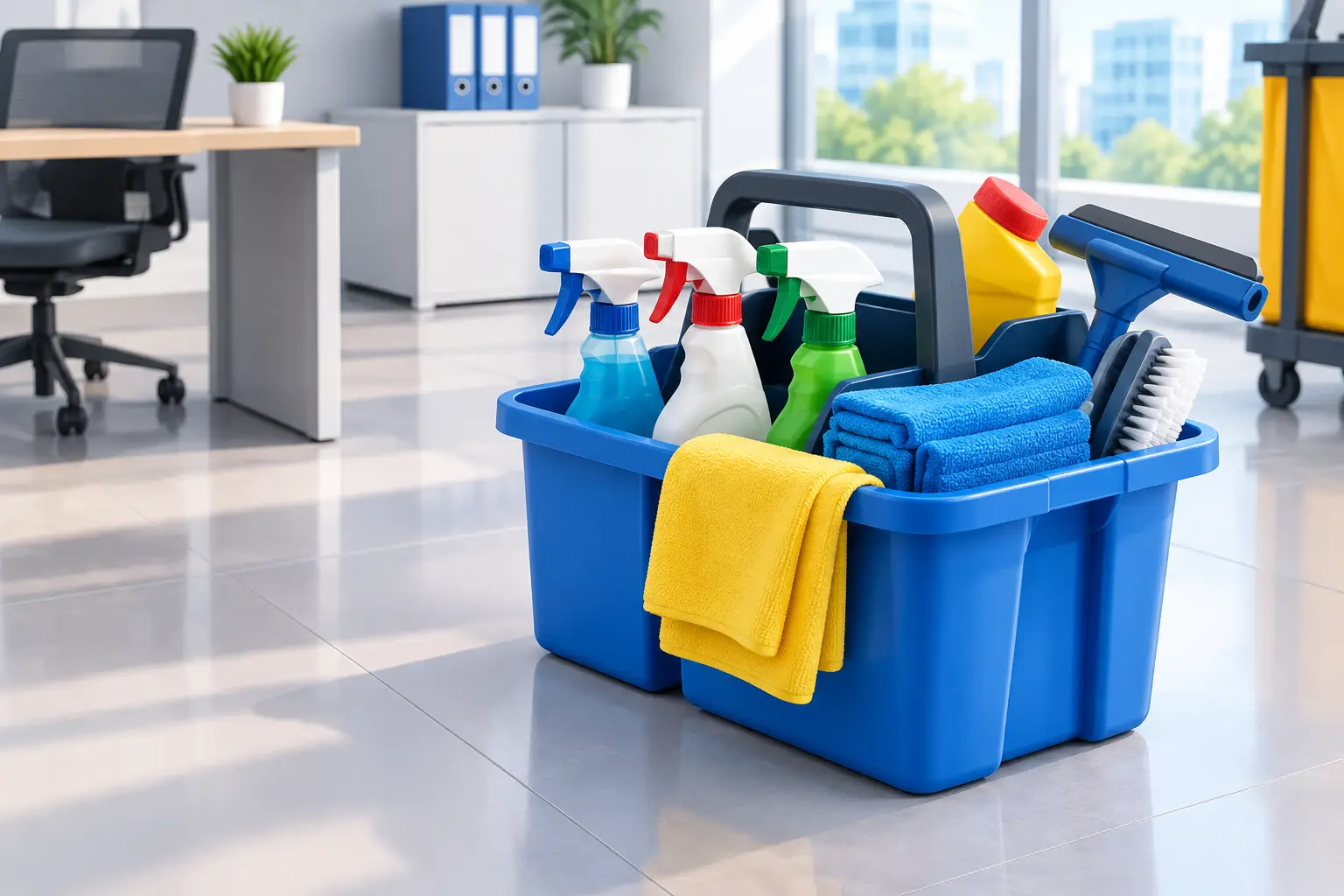
A cleaner walking back to the storeroom for a spray bottle, spare cloth or bin liner loses more than a few minutes. Across a full shift, those small interruptions add up quickly. Commercial cleaning caddies give cleaners a simple, mobile base for the products they need most, helping jobs move faster while keeping tools organised and professional.
For contract cleaners, facility teams, hospitality venues and busy offices, the right caddy is not just a plastic carrier. It is part of a practical cleaning system. It can reduce wasted product, prevent cross-contamination and make it easier for staff to maintain a consistent standard from one room to the next.
Why Commercial Cleaning Caddies Earn Their Place
A well-stocked caddy puts frequently used supplies within arm’s reach. Rather than carrying loose bottles against a uniform or balancing items on a trolley, a cleaner can move through bathrooms, kitchens, reception areas and touchpoint cleaning tasks with the essentials together in one place.
That matters most where cleaning is repeated across multiple rooms. Think of a cleaner servicing office amenities, a housekeeper turning over accommodation rooms, or a maintenance team checking washrooms in a shopping centre. Each trip back to a janitor’s cupboard breaks momentum. A caddy keeps the job moving and makes it easier to see when a product or consumable is running low.
There is also a presentation benefit. Turning up to a customer-facing area with clean, organised equipment sends the right message. Loose, unlabelled bottles and tired cloths do the opposite, even if the work itself is sound.
Choosing a Commercial Cleaning Caddy for the Job
The best commercial cleaning caddy depends on the tasks being completed, the distance travelled and the range of products required. A compact open caddy suits quick touchpoint cleaning and small washrooms. A larger model with deep bottle compartments may be better for cleaners working through several amenities blocks or servicing a large site.
Start by looking at capacity, but do not assume bigger is always better. An overloaded caddy becomes awkward to carry, encourages staff to pack unnecessary chemicals and is more likely to spill. For routine cleaning, it is usually better to carry a tight selection of correct products and replenish between zones.
A useful caddy should have a sturdy handle, a stable base and compartments that stop bottles from knocking together. Raised sides help contain drips, while smooth plastic surfaces are easier to wipe down after use. If cleaners regularly move between floors or across a large facility, choose a lightweight design that fits securely onto a cleaning trolley.
Consider the bottles already in use. Trigger sprays, squeeze bottles, disinfectant products and toilet cleaner bottles come in different shapes. A caddy needs enough depth and width for them to sit upright. If bottles tip over every time someone opens a door or climbs a stairwell, the setup is working against the team.
Build Caddies Around Zones, Not Every Product in the Cupboard
A common mistake is treating a caddy as a portable storeroom. It should hold the supplies needed for a defined cleaning task or zone, not every product available on site. This approach keeps loads lighter and makes chemical control easier.
A washroom caddy may hold labelled bathroom cleaner, toilet cleaner, disinfectant, glass cleaner where required, colour-coded microfibre cloths, a scourer, gloves and a small rubbish bag supply. A general touchpoint caddy could be much simpler: approved disinfectant, clean cloths, gloves and a bag for used materials.
Colour coding is particularly useful for teams cleaning kitchens, washrooms and general areas. Keeping cloths, scourers and other reusable tools separated by area supports better hygiene practices and reduces the chance of a bathroom cloth finding its way into a food-preparation space. The caddy itself does not create a cleaning system, but it makes the right system easier to follow on a busy shift.
Where staff use diluted chemicals, only carry correctly labelled spray bottles. Labels should identify the product, dilution and relevant safety information in line with site procedures. Decanting chemicals into unlabelled bottles is not a shortcut – it creates unnecessary risk for cleaners, customers and the business.
Keep Chemicals Safe During Transport
Cleaning chemicals deserve more thought than simply placing bottles in a carrier. Check that caps and trigger heads are secure before leaving the storeroom, and store bottles upright. Wipe away leaks immediately rather than allowing residue to build up at the bottom of the caddy.
Products should only be used as directed by the manufacturer. Some chemicals must never be mixed, and certain high-strength products may need to remain in their original containers or be carried separately under workplace procedures. A caddy is suitable for day-to-day supplies, but it is not a substitute for compliant chemical storage.
Gloves, eye protection and other personal protective equipment should be readily available when the task calls for it. It may be practical to keep a small PPE supply in a separate compartment, provided it stays clean and dry. Used gloves, dirty cloths and contaminated tools should not go back in with fresh supplies. Give them a separate bag or container until they can be laundered or disposed of correctly.
Set Up a Caddy That Staff Will Actually Use
The most effective caddy layout is simple enough that anyone on the team can restock it the same way. Put heavier bottles in the centre or lower sections, with cloths and light consumables around them. Keep the most frequently used product easy to reach, rather than buried underneath spares.
It helps to create a restocking point at the end of each shift. Cleaners can empty rubbish, remove used cloths, wipe down the caddy, check bottle levels and replace missing consumables before the next job. This takes a few minutes, but it prevents the familiar problem of arriving at a site without gloves, a working trigger spray or enough cloths to finish properly.
For teams with several cleaners, use a standard contents list fixed inside the cleaning cupboard or kept with the equipment. A short list is enough. It should identify what belongs in each type of caddy and the quantity to carry. This supports consistent service while making stock ordering more predictable.
If a site has different areas with different hygiene requirements, separate caddies are often worth the investment. One for washrooms and one for general cleaning is a sensible starting point. Food-service areas, healthcare settings and infectious-control work may require more specific equipment and procedures. In these settings, follow the site’s hygiene plan and product instructions rather than relying on a general-purpose setup.
When a Caddy Is Not Enough
Commercial cleaning caddies are ideal for portable, detail-oriented work, but they are only one part of the equipment mix. Large facilities may need a janitor’s trolley to carry mops, buckets, warning signs, bin liners and extra stock. Floor cleaning jobs may call for machinery, pads, wet vacuum equipment or a dedicated mop system.
The practical answer is often to pair a caddy with a trolley. The trolley carries bulk supplies and larger tools, while the caddy travels into individual rooms or tight spaces. This is especially useful in offices, schools, accommodation venues and medical practices where cleaners need to work efficiently without wheeling a full trolley into every area.
For mobile cleaners, consider how equipment will be packed in the vehicle. A caddy that fits neatly in a ute tray, van shelf or boot and can be lifted with one hand makes a real difference at the start and end of the day. Choose durable equipment that can handle regular use rather than replacing flimsy carriers every few months.
Get More Value From Everyday Cleaning Supplies
A caddy works best when the products inside it are reliable, correctly matched to the surface and easy to replenish locally. Stocking up on compatible chemicals, microfibre cloths, gloves, toilet care products, bin liners and other consumables at the same time helps avoid gaps in the cleaning routine.
At WesKleen Supplies, Perth cleaners and facility teams can source practical cleaning essentials alongside specialist products and equipment, with knowledgeable help available when a job calls for more than a standard setup. The goal is straightforward: less time searching for supplies, and more time completing the work properly.
Start with one caddy for the cleaning task your team performs most often. Use it for a week, notice what never gets used and what is always missing, then adjust the layout. A caddy that fits the actual job will quickly become one of the hardest-working pieces of equipment in the cupboard.