


Blog
Spill Response Guide for Safer, Faster Clean-Up

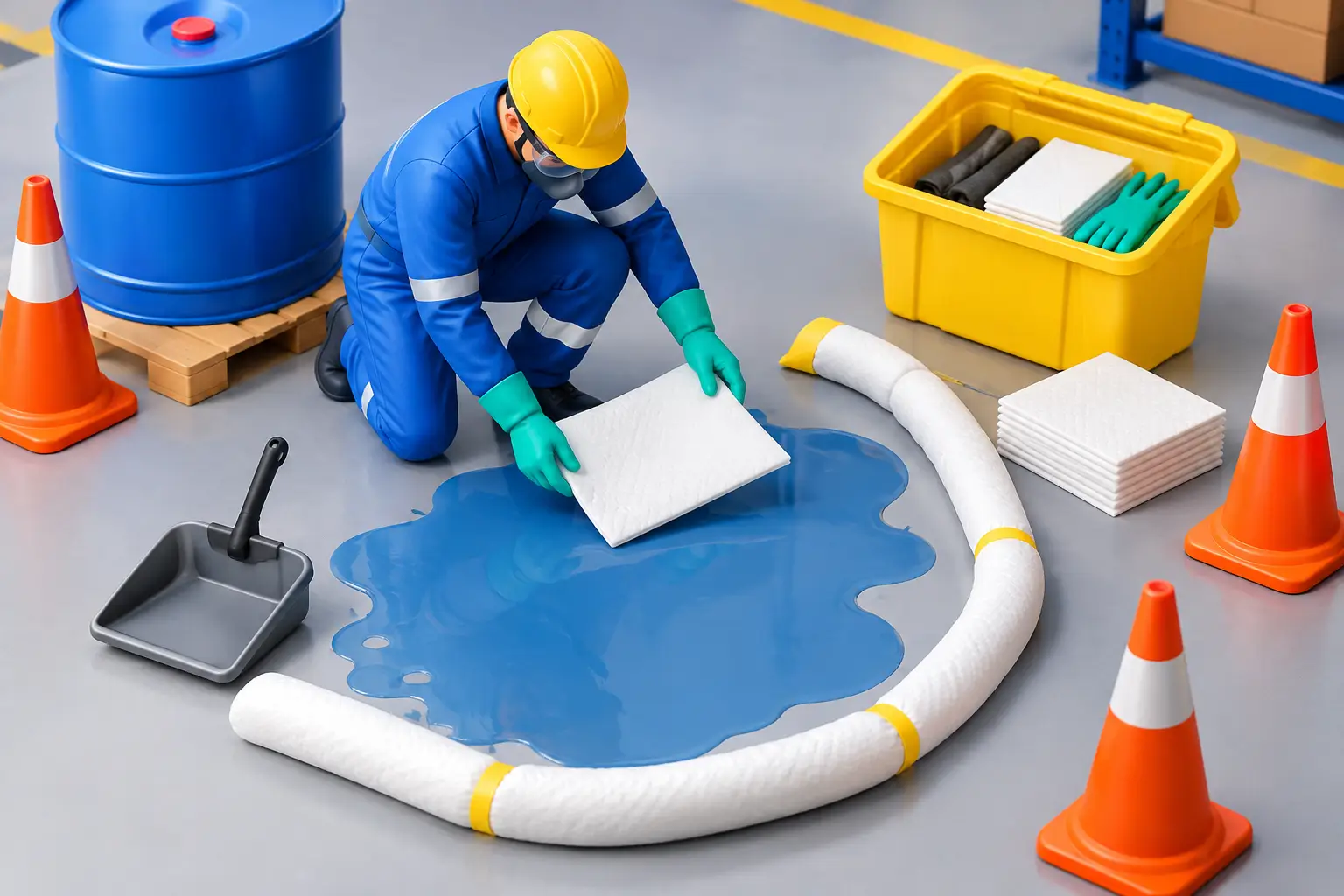
A knocked-over chemical drum, a leaking rubbish bag or a drink spill in a busy reception area can turn into a slip hazard within seconds. A clear spill response guide gives cleaners, staff and homeowners a practical way to act quickly without making the problem worse. The goal is not simply to wipe up the mess. It is to protect people, contain the spill, use compatible products and return the area to safe use.
For Perth workplaces, hospitality venues, strata properties and homes, the right response depends on what has spilled, where it has travelled and who may be exposed. Water on tiles needs a different approach to degreaser in a storeroom or bodily fluid in a washroom.
Spill Response Guide: Start With Safety
Before reaching for a mop or paper towel, stop and assess the situation. Ask what the substance is, how much has spilled, whether it is still leaking, and whether anyone could slip, breathe in vapour or come into contact with it.
If the product is unknown, highly flammable, corrosive, producing strong fumes or entering a drain, do not attempt a routine clean-up. Keep people away, ventilate only where it is safe to do so, and follow the site emergency process. Refer to the product’s Safety Data Sheet (SDS) and contact emergency services or a qualified response provider where required.
For a manageable spill, isolate the area straight away. Use wet-floor signs, barrier tape, cones or a physical barrier to prevent foot traffic. In a public-facing space, this early action is often what prevents the second incident: someone slipping while trying to walk around the original spill.
Personal protective equipment should match the risk. Disposable gloves may be enough for a minor food or drink spill, while chemical-resistant gloves, safety glasses, protective clothing and suitable footwear may be needed for cleaning chemicals. Never assume one glove type suits every product. Check the SDS and the chemical label, particularly for concentrated acids, alkalis, solvents and disinfectants.
Identify the Spill Before Choosing Supplies
The most common clean-up mistake is choosing a product because it is nearby rather than because it is suitable. Absorbent materials, pads and cloths are useful, but their application changes with the substance.
Water-based spills, beverages and routine washroom leaks can usually be contained with absorbent pads, towels or a mop system, then cleaned with an appropriate detergent. Oil and grease need absorbent granules, pads or socks that can hold the liquid without spreading it across the floor. A degreaser may be required afterwards, especially on smooth concrete, vinyl or tiled surfaces.
Chemical spills require more care. Do not mix cleaning chemicals in an attempt to neutralise a spill unless the SDS specifically instructs you to do so. Mixing incompatible products can create heat, dangerous gases or further splashing. For example, chlorine-based products should never be mixed with acids or ammonia-based cleaners.
Biological spills, including blood, vomit and other bodily fluids, should be treated as an infection-control task rather than ordinary cleaning. Wear appropriate PPE, use an approved disinfectant according to its label directions and allow the required contact time. Dispose of used materials safely, then wash hands thoroughly after removing gloves.
A Practical Spill Response Process
Once the area is safe to approach and you know what has spilled, work through a consistent process. It helps staff respond confidently, even during a busy shift.
- Control the source. If it is safe, stand a bottle upright, close a cap, place a leaking container in a larger compatible container or turn off the source of a water leak. Avoid handling damaged chemical containers unless you have the correct PPE.
- Contain the spread. Place absorbent socks, booms, pads or granules around the outside edge of the spill. Work from the perimeter towards the centre so liquid does not travel further. Protect floor drains first where there is a risk of contamination entering stormwater or sewer systems.
- Absorb and collect. Apply the suitable absorbent material and give it time to work. Use a scoop, scraper, pan or disposable tool to collect saturated material. Do not use a mop on oil or chemical spills unless the mop is intended for the task and can be decontaminated safely.
- Clean the surface. Once the bulk liquid is removed, clean residue using a compatible chemical and the correct dilution. A spill may look dry but still leave a slippery film, particularly if it contains oil, detergent, polish, food fat or syrup.
- Disinfect where necessary. This applies to biological contamination and high-touch areas affected during the clean-up. Follow the label contact time. Spraying and immediately wiping can reduce the product’s effectiveness.
- Dispose, report and restock. Bag waste as required by the product SDS, site procedure and local disposal requirements. Record the incident if your workplace requires it, identify why it happened and replace used spill-response materials before the next incident.
Build a Spill Kit That Matches Your Site
A basic spill kit is useful only if it has the right contents, staff know where it is stored and it is replenished after use. A small office kitchenette does not need the same kit as a warehouse, workshop or commercial kitchen.
For general-purpose spills, keep absorbent pads or rolls, disposable cloths, gloves, rubbish bags, a scoop and scraper, wet-floor signs and a suitable neutral cleaner within easy reach. A mop and bucket should support the response, not replace containment and absorption.
Sites handling oils, fuels or lubricants should keep oil-specific absorbents, socks and disposal bags available near loading areas, plant rooms and workshops. These products are designed to take up hydrocarbons effectively and can help prevent contamination from reaching drains.
Where chemicals are stored or used, choose a chemical spill kit appropriate to the substances on site. That may include compatible absorbents, PPE, containment materials and clear instructions. The kit should be located outside the immediate risk area, not in the same cupboard as the chemicals that may spill.
For washrooms, medical settings, gyms, childcare environments and accommodation venues, biological spill packs make response faster and more consistent. They should include PPE, absorbent material, disposal bags and a disinfectant suited to the task.
Common Errors That Create Bigger Problems
Speed matters, but rushing without a process can turn a minor incident into lost time, damaged flooring or an injury. One common error is using too much water. Water can spread certain substances, push contaminants into drains and make a polished floor even more hazardous.
Another is using the wrong cleaning chemical. A highly alkaline cleaner may damage aluminium or painted surfaces, while an acidic product can etch natural stone. Always consider the floor or surface as well as the spilled material. When in doubt, test on a discreet area after checking the product directions.
Poor signage is also a regular issue. Staff may know a floor is wet, but customers, contractors and visitors do not. Keep warning signs in accessible locations rather than locked in a cleaning cupboard at the other end of the building.
Finally, do not overlook used tools. Mop heads, cloths, brushes and buckets can carry contamination into other areas if they are not cleaned, disinfected or disposed of correctly. Colour-coded cleaning equipment can help separate washroom, kitchen and general-area tools.
Training Makes Spill Response Faster
The best spill procedure is simple enough to follow under pressure. Review your process with staff during induction and refresh it when products, floor layouts or responsibilities change. Show people where kits, PPE, SDS documents and isolation signs are kept.
For commercial sites, it is worth checking spill-risk areas regularly: chemical stores, loading docks, bin areas, kitchens, washrooms, plant rooms and entryways during wet weather. A small adjustment, such as placing absorbent mats near a water station or stocking gloves beside a cleaner’s trolley, can save valuable time.
WesKleen Supplies can help Perth customers select practical cleaning chemicals, PPE, absorbents, signage and janitorial equipment for routine clean-ups and site-specific spill risks. The right supplies reduce guesswork when staff need to act quickly.
A well-stocked kit and a calm, repeatable process will not prevent every spill. They do give your team the confidence to protect people first, clean thoroughly and get the space back into service with less disruption.