


Blog
Comet Foaming Sanitiser for Perth Daycare Centres: Bulk Supply and Delivery

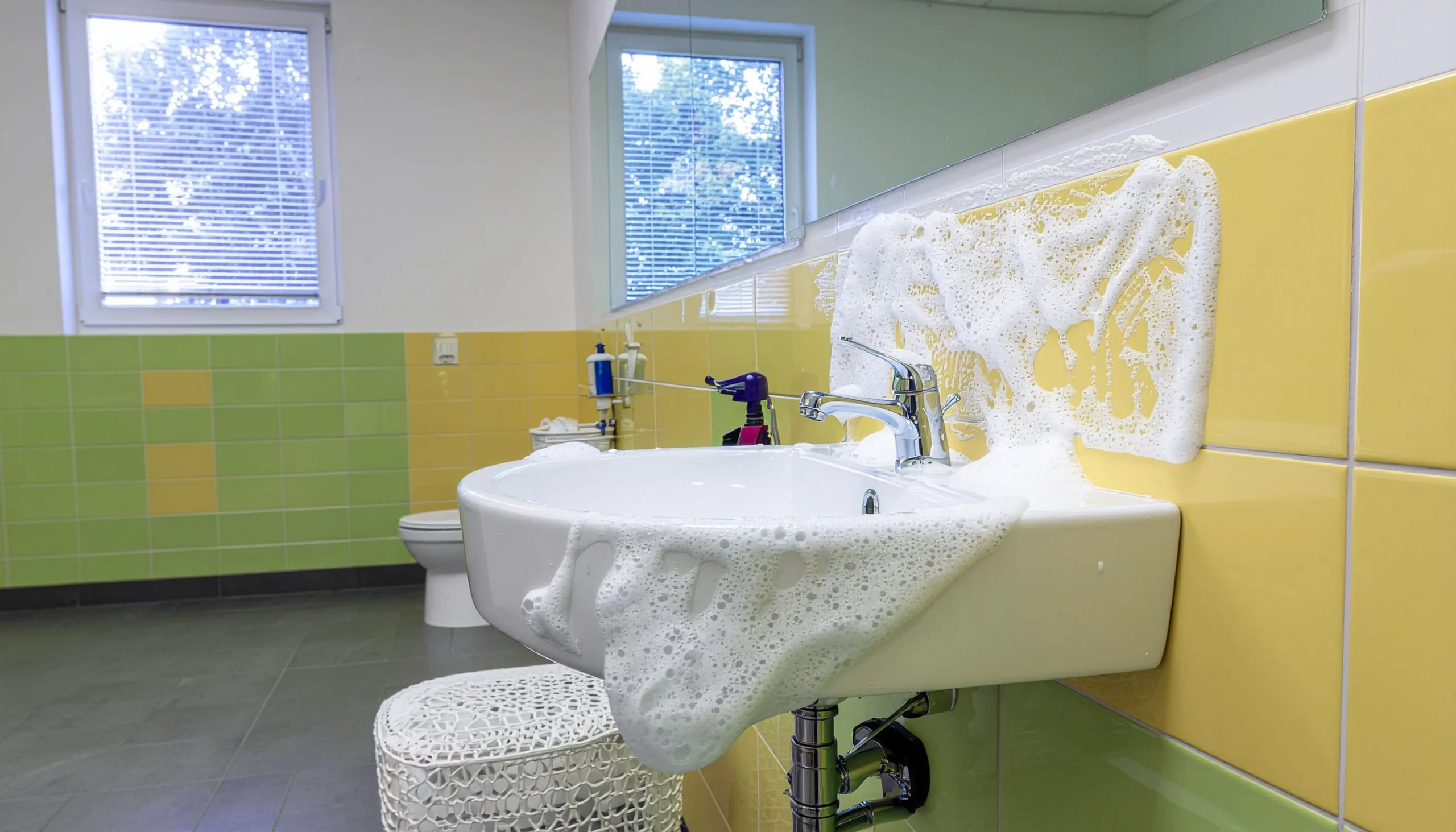
When a gastro outbreak swept through a northern suburbs daycare in 2023, the centre’s director realised their standard spray-and-wipe routine wasn’t cutting it. The culprit? Inadequate contact time and poor surface coverage with traditional liquid sanitisers. Within 48 hours of switching to a foaming bathroom sanitiser, they had transformed their cleaning protocol and their infection control record.
This scenario plays out across Perth childcare facilities more often than you might think. Daycare centres face unique hygiene challenges that demand more than household-grade products. Between nappy changes, toilet training accidents, and the constant traffic of tiny hands touching every surface, these environments need commercial-strength solutions that work fast and work thoroughly. But what does commercial-grade actually mean for daily operations?
A bulk foaming product is a purpose-built tool that addresses the specific demands of high-traffic, high-risk childcare environments. Here is why Perth daycare operators are making the switch to bulk foam sanitiser delivery to upgrade their commercial cleaning supplies perth.
Why Foam Technology Outperforms Traditional Liquid Sanitisers
Think of foam sanitiser like the difference between washing your hands with water versus lathering with soap. Liquid runs off surfaces almost immediately, whilst foam clings exactly where you spray it. This isn’t just about convenience; it is about contact time, the critical window when sanitiser actively kills pathogens.
Standard liquid sanitisers typically require 30-60 seconds of wet contact time to achieve their claimed kill rates. In a busy daycare bathroom, that’s nearly impossible to maintain. Staff spray, wipe immediately, and move on. The product never gets the chance to do its job properly.
Foam changes the equation entirely, and reputable vendors like Weskleen Supplies understand these pressures. A comet cleaner creates a thick, visible layer that adheres to vertical surfaces, toilet bowls, and high-touch areas. You can see exactly where you have applied it. More importantly, it stays wet longer, giving the active ingredients the time they need to destroy bacteria, viruses, and fungi that cause illness in young children.
The 5L commercial format delivers approximately 2,500 applications when used with a proper foam trigger spray. That is genuine value when you are sanitising multiple bathrooms, change tables, and high-touch surfaces several times daily.
The Real Cost of Inadequate Sanitisation in Childcare Settings
Perth daycare centres operate under strict National Quality Framework standards that mandate rigorous hygiene protocols. But compliance isn’t just about ticking boxes, it is about protecting vulnerable children whose immune systems are still developing.
Consider the economics. A single gastro outbreak can force a centre to close for deep cleaning, notify all families, and manage the reputational damage. Parents lose work days. Staff get sick. Enrolment enquiries drop. The financial impact of one preventable outbreak often exceeds a year’s worth of investment in quality sanitisation products and commercial cleaning equipment.
Norovirus, the most common cause of gastro in childcare settings, can survive on surfaces for days or even weeks. It is extraordinarily contagious; just 10 viral particles can cause infection. Standard cleaning with detergent alone doesn’t eliminate it. You need a sanitiser with proven efficacy against non-enveloped viruses.
A hospital-grade disinfectant formulation is not marketed as a toy, but a professional-grade foaming bathroom sanitiser designed for environments where hygiene failures have serious consequences.
Understanding the Chemistry: How Foam Sanitisers Work
The active ingredients in quality foaming sanitisers work through multiple mechanisms. They disrupt the cell walls of bacteria, denature viral proteins, and destroy fungal spores. But here is what separates commercial-grade products from supermarket sprays: formulation balance.
Cheap sanitisers often rely on high alcohol content or harsh chemicals that irritate skin and damage surfaces over time. They might kill germs, but they are impractical for daily use in environments where children are present and staff are cleaning constantly.
The comet cleaner formulation combines effective antimicrobial action with practical usability. The foam texture means less product waste and more controlled application. The pH-balanced formula won’t degrade plastic change mats, stainless steel fixtures, or painted surfaces with repeated use. And critically, it deodorises whilst it sanitises, addressing the reality that childcare bathrooms face odour challenges alongside hygiene demands.
Think of it like choosing between a sledgehammer and a precision tool. Both might get the job done, but one causes collateral damage whilst the other delivers targeted results you can sustain long-term.
Bulk Supply Strategy: Why 5L Format Makes Operational Sense
A typical Perth daycare centre with 50-70 children uses between 2-4 litres of sanitiser weekly across all cleaning touchpoints. That is 8-16 litres monthly. Buying individual 500ml trigger bottles from retail outlets costs roughly $8-12 per litre. You are paying for packaging, retail markup, and the staff time spent on constant purchasing trips.
The 5L commercial format shifts this equation dramatically. Per-litre costs drop by 40-60%. You are buying concentrate in bulk, then decanting into reusable trigger bottles as needed. One 5L bottle replaces ten retail-sized products. That means less plastic waste, fewer deliveries, and simplified inventory management.
But here is where establishing a bulk sanitiser supply becomes genuinely strategic: consistency. When you establish a regular delivery schedule with a commercial supplier, you eliminate the risk of running out during critical periods. No more emergency trips to hardware stores. No more substituting with whatever is available. Your staff use the same proven product every time, following established protocols without variation.
This consistency matters for training, compliance documentation, and quality assurance. When inspectors review your hygiene procedures, they see systematic practices rather than ad-hoc solutions.
Delivery Logistics: How Perth Daycare Centres Access Bulk Sanitiser
Location matters in Perth. A centre in Joondalup has different access to suppliers than one in Mandurah or Armadale. Delivery reliability becomes crucial when you are managing commercial cleaning supplies for a facility that operates 50+ weeks annually.
Professional providers of commercial cleaning supplies perth structure delivery around operational needs rather than retail convenience. You are not waiting for online orders to process through warehouses in the eastern states. You are working with local Perth knowledge, suppliers who understand that childcare centres need products delivered during specific windows when staff can receive and store them properly.
Bulk orders typically qualify for free delivery across metropolitan Perth. This isn’t just about saving the delivery fee; it is about the time your director or administrative staff would otherwise spend collecting supplies. That time is better spent on educational programming, parent communication, or the hundred other priorities that demand attention in childcare operations.
Smart centres establish quarterly or monthly standing orders. You set the schedule once, products arrive automatically, and you adjust quantities as enrolment fluctuates. It is the difference between reactive retail purchasing and proactive bulk sanitiser supply management.
Application Protocol: Maximising Effectiveness in High-Touch Areas
Even the best foaming surface sanitiser fails if staff don’t use it correctly. Here is the reality: childcare educators aren’t professional cleaners. They are trained in child development, not infection control chemistry. Your sanitisation products need to be intuitive enough that busy staff can apply them effectively between nappy changes, meal service, and managing 15 toddlers.
Foam technology delivers this simplicity. The application protocol for a comet cleaner follows three clear steps: spray, wait, wipe. The visible foam shows staff exactly where they have applied product. There is no guessing whether you have covered the entire change mat or toilet seat.
- Toilet seats and handles (front and back surfaces)
- Tap handles and basin edges
- Door handles and light switches
- Change table surfaces and safety rails
- Waste bin lids and pedal mechanisms
- Wall-mounted soap dispensers and paper towel holders
The foam clings to these vertical and curved surfaces without running off. Staff can spray a toilet bowl, move to the next task, then return 60 seconds later to wipe, confident the product has done its work. This workflow efficiency matters when you are cleaning between children or during the chaotic afternoon pickup period.
For change tables specifically, the protocol becomes: remove soiled items, spray foam sanitiser across entire surface, attend to child’s needs, wipe down surface after minimum contact time. The foam’s visibility means you will never miss a spot, a genuine safety advantage when dealing with faecal contamination risks.
Storage and Safety Considerations for Childcare Environments
Commercial cleaning products and curious toddlers don’t mix. Storage protocols for bulk sanitiser in childcare centres must balance accessibility for staff with absolute security from children.
The 5L format actually improves safety compared to multiple small bottles scattered across bathrooms. You store the bulk container in a locked cleaning cupboard or elevated storage area that meets regulatory requirements. Staff decant into smaller, labelled trigger bottles for daily use, keeping only the necessary amount in accessible locations.
The Material Safety Data Sheet (MSDS) should be readily available to all staff and displayed in cleaning storage areas. This isn’t bureaucratic box-ticking, it is essential information if someone experiences skin irritation or accidental ingestion.
Modern childcare regulations increasingly require cleaning products to be stored separately from food preparation areas, nappy change supplies, and children’s belongings. The bulk storage approach actually makes compliance easier by centralising chemical storage in one secure location rather than distributing bottles throughout the facility.
Environmental Impact: Balancing Efficacy With Sustainability
Here is an uncomfortable truth about childcare hygiene: you cannot compromise effectiveness for environmental credentials. Children’s health comes first. But that doesn’t mean you cannot make smarter choices about packaging, waste, and product formulation.
Buying sanitiser in 5L bulk format reduces plastic waste by approximately 80% compared to purchasing equivalent volumes in individual trigger bottles. One 5L container replaces ten 500ml bottles, resulting in nine fewer plastic bottles in Perth’s waste stream per purchase cycle.
The concentrate format also reduces transportation emissions. Fewer deliveries, less packaging weight, and more efficient logistics all contribute to a smaller carbon footprint. When you are buying bulk with scheduled delivery, you are eliminating multiple individual shopping trips as well.
The formulation avoids the harshest chemical compounds whilst maintaining hospital-grade efficacy. It is not “natural” or “eco-friendly” in the marketing sense; it is a serious antimicrobial product. But it is formulated to minimise environmental persistence whilst maximising pathogen destruction where it matters: on the surfaces you are treating.
The sustainability conversation in childcare cleaning needs honesty. You are using chemicals because they work. The responsible approach isn’t to pretend they’re something they’re not, but to use them efficiently, store them properly, and choose formats that reduce waste.
Cost Analysis: Breaking Down the True Economics
Let’s examine real numbers for a 60-child daycare centre operating five days weekly across 50 weeks annually.
Retail Purchasing Model
- Weekly sanitiser use: approximately 3 litres
- Annual requirement: 150 litres
- Retail cost (500ml bottles): approximately $10/litre
- Annual cost: $1,500
- Staff purchasing time: 2 hours monthly at $35/hour = $840 annually
- Total cost: $2,340
Bulk Supply Model
- Annual requirement: 150 litres (30 x 5L containers)
- Bulk cost: approximately $6/litre
- Annual product cost: $900
- Delivery: included for bulk orders
- Staff purchasing time: eliminated
- Total cost: $900
The savings exceed $1,400 annually, enough to fund additional commercial cleaning equipment like a quality mop bucket and microfibre mop heads that further improve hygiene outcomes.
But the economics extend beyond direct costs. Consider the value of consistency. When staff use the same proven product daily, cleaning quality improves. Training becomes simpler. Compliance documentation becomes straightforward. These operational efficiencies don’t appear on purchase orders, but they are real.
Regulatory Compliance: Meeting National Quality Standards
The National Quality Framework (NQF) sets clear expectations for hygiene and infection control in Australian childcare centres. Quality Area 2 specifically addresses children’s health and safety, including environmental hygiene standards.
Assessors examine whether centres use appropriate cleaning and sanitising products for different areas and purposes. They review cleaning schedules, product selection rationale, and staff training records. Using a commercial-grade foaming bathroom sanitiser demonstrates professional awareness of infection control requirements.
Required Documentation Elements
- Which products are used where
- Application methods and contact times
- Frequency of sanitisation for different surfaces
- Staff responsible for each task
- Product safety information and storage locations
Complete technical documentation supports compliance evidence. When assessors ask why you have chosen this product, you can reference its hospital-grade formulation, proven efficacy data, and suitability for high-risk childcare environments.
Some centres mistakenly believe that “natural” or “non-toxic” products better align with NQF philosophy around children’s wellbeing. But the framework actually requires effective infection control, and that means using products with demonstrated antimicrobial efficacy. The key is proper storage, handling, and application protocols that keep children safe whilst maintaining rigorous hygiene standards.
Training Staff: Building Effective Sanitisation Habits
A $50 bottle of premium sanitiser delivers zero value if staff spray it incorrectly. Training isn’t optional; it is the difference between genuine infection control and hygiene theatre that looks good but achieves little.
Effective training for childcare staff covers three essential elements: why, how, and when.
Why this product? Staff need to understand that foam technology provides better surface coverage and contact time than liquid sprays. When educators grasp the science, they are more likely to follow protocols consistently.
How to apply it? Demonstrate the spray-wait-wipe sequence. Show them how much foam to apply (complete coverage, not dripping excess). Explain why contact time matters. Let them practice on actual surfaces they’ll clean daily.
When to use it? Establish clear triggers: after every nappy change, between children using toilets, during scheduled bathroom cleaning, after any bodily fluid incident. Clarity eliminates guesswork.
Consider creating visual guides near change tables and bathroom cleaning stations. A simple laminated card showing the three-step process serves as a constant reminder during busy shifts when staff are managing multiple demands simultaneously.
New staff orientation should include hands-on sanitisation training, not just a verbal explanation during induction. Have them actually spray, wait, and wipe a change table whilst you observe and provide feedback. This practical approach builds muscle memory and confidence.
Beyond Bathrooms: Whole-Facility Hygiene Strategy
Whilst foaming sanitiser excels in bathroom and change table applications, comprehensive childcare hygiene requires a broader strategy including dedicated commercial cleaning equipment. Different surfaces and contamination risks demand different solutions.
Floor cleaning in childcare centres needs daily attention with appropriate equipment. A quality dust control mop captures the fine particles, food crumbs, and outdoor debris that children track through spaces. For deeper cleaning, floor scrubbers provide the mechanical action needed to remove ingrained dirt from textured surfaces.
Kitchen and meal preparation areas require food-safe sanitisers with different formulations than bathroom products. Never cross-contaminate by using bathroom sanitiser in food areas; it is a basic hygiene principle that some centres inadvertently violate by keeping a single product for all purposes.
Toy sanitisation presents unique challenges. Foam sanitisers work well for hard plastic toys that can be sprayed and wiped. But fabric toys, books, and porous materials need different approaches, typically hot water washing or UV sanitisation.
The point isn’t to buy a different product for every conceivable surface. It is to understand that professional-grade hygiene requires matching products to purposes. Bathroom sanitiser for bathrooms. Floor cleaner for floors. Food-safe sanitiser for meal areas. This systematic approach demonstrates the professional thinking that NQF assessors look for during quality ratings.
Establishing Delivery Schedules: Operational Planning
Smart inventory management means never running out of critical supplies whilst avoiding excessive storage of bulk products. For most Perth daycare centres, monthly or bi-monthly delivery schedules strike the right balance.
Calculate your baseline usage over a typical month. Add 20% buffer for unexpected situations: gastro outbreaks, extra cleaning after messy activities, or seasonal variations when illness rates spike. This becomes your standard order quantity.
Schedule deliveries for times when administrative staff are present to receive, check, and properly store products. Tuesday or Wednesday mid-morning often works well, avoiding Monday chaos and Friday wind-down whilst ensuring someone is available to handle the delivery.
Build relationships with suppliers who understand childcare operations. When you contact us about establishing regular delivery, you are not just placing orders, you are partnering with a supplier who can adjust quantities, recommend complementary products, and respond quickly when unexpected needs arise.
Some centres benefit from a quarterly review of their commercial cleaning supplies usage. Are you going through sanitiser faster than expected? That might indicate either increased cleaning frequency (good) or inefficient application (wasteful). Slower usage might mean protocols aren’t being followed consistently. These patterns tell a story about your facility’s hygiene practices.
Making the Switch: Transition Strategy for Current Operations
If you are currently using retail-grade bathroom cleaners or a different sanitiser brand, transitioning to bulk commercial cleaning supplies requires a planned approach rather than an abrupt change.
Start by ordering a single 5L container alongside your current products. Use it exclusively in your busiest bathroom for two weeks. Gather staff feedback about application ease, effectiveness, and any concerns. This pilot approach builds confidence before committing to full facility implementation.
During the trial period, document any differences you notice. Does the foam stay visible longer? Are surfaces genuinely cleaner? Do odours diminish more effectively? These observations become the evidence base for your decision.
If the trial succeeds, phase in complete transition over 4-6 weeks. This timeline allows you to use existing stock, train all staff properly, and establish new protocols without rushing. Update your cleaning schedules, safety documentation, and compliance records to reflect the product change.
Conclusion
Order your first bulk delivery to arrive before your current stock depletes completely. Having a small overlap prevents the stress of running out whilst waiting for delivery. Once you are confident in the bulk sanitiser supply relationship, you can establish a recurring schedule that keeps your centre protected year-round.
When dealing with the health and safety of young children, half-measures are unacceptable. Implementing an effective foaming sanitiser protocol fundamentally improves the standard of infection control within any busy daycare facility. By pairing premium chemistry with bulk logistics, centre directors protect both their students and their bottom line.
As a trusted supplier of commercial cleaning supplies perth, Weskleen Supplies can help transition your facility to an efficient, bulk-supply chemical management system. To establish a reliable supply relationship tailored to your centre’s specific hygiene demands, please contact us on 1800 728 926 to discuss your facility’s requirements today.