


Blog
Gutter and High-Ledge Cleaning Tools for Perth Property Managers

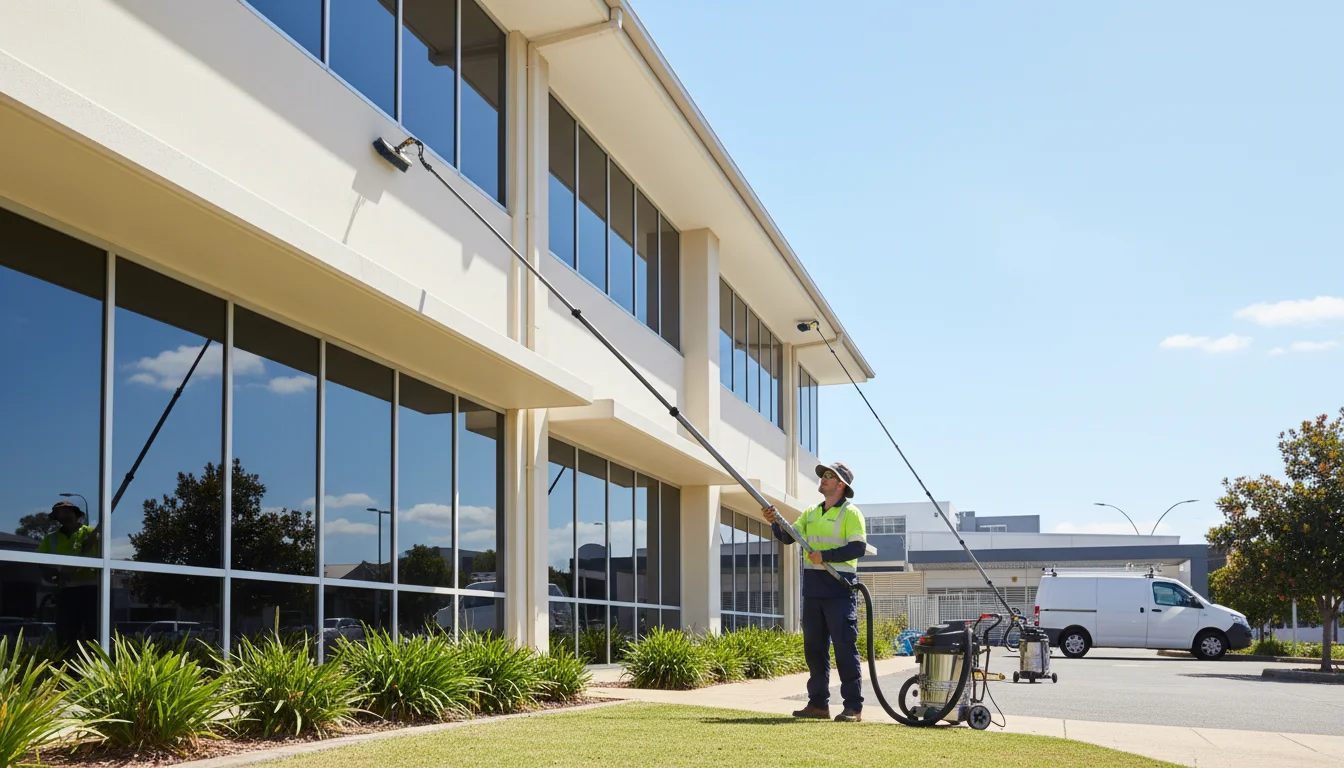
Property managers often notice ledges only after a tenant complaint or inspection photo. Dust sits on top of door frames, vents, awnings, signage, and exposed beams.
A high level cleaning plan gives caretakers a safer way to reach those areas. The right ledge cleaning tool also reduces repeated ladder moves on routine visits.
Measure The Reach Before Buying
Before buying gear, identify the height, surface material, and dust type. A tiled foyer, brick arcade, and warehouse office need different tool pressure.
Cleaning from ground level works only when the pole, head, and user method match. A long pole with the wrong attachment still leaves streaks behind.
Check The Working Angle
The first decision is reach, not brand or price. Measure the highest common ledge and add room for the operator’s working angle.
A pole used vertically feels different from one used across a shopfront sign. The extra angle can shorten practical reach and strain wrists.
Perth properties also collect dry dust during windy months. Coastal sites may add salt film, while older retail centres can collect soot near loading bays.
Match The Head To The Surface
A soft dusting head suits dry ledges. Damp wiping may be needed when greasy air or outdoor grime settles on the surface.
Do not treat every overhead surface as a gutter job. Some upper trims need gentle contact, while actual gutter edges may need firmer debris removal.
A practical kit should include a pole, spare heads, a safe carry method, and a simple inspection note. That keeps high level cleaning repeatable.
Use Local Product Advice
We stock reach tools that property teams can match to the actual building layout.
The Ettore 18 extension pole is useful when reach matters more than machine power. It gives property teams a controllable option for upper trims.
A ledge cleaning tool should attach firmly and sit flat against the surface. Loose heads waste time and make cleaners push too hard.
Build A Safer Cleaning Sequence
Light pressure is usually better for painted ledges. Heavy scraping can mark coatings and move dirt down the wall.
Dust control should be planned before the first pass. Dry dust can fall into reception areas, stock displays, or office desks.
The dust control fringe mops category is relevant where teams need soft capture on hard floors after overhead work. It supports cleanup below the ledge.
Control Dust Below The Work
Keep high tools separate from chemical bottles in the storeroom. A dedicated hook or labelled corner stops pole heads being crushed.
Property managers should also train staff to work in short zones. One long overhead session creates tired shoulders and rough finishing.
A ledge cleaning tool works better when inspections are scheduled. Waiting until dust is visible from the floor usually means the job takes longer.
Keep The Kit Easy To Repeat
Use photos to build a small access map for each site. Mark awkward corners, entry canopies, stairwell tops, and shopfront pelmets.
This map helps relief cleaners repeat the same route. It also gives managers a record when tenants ask what was cleaned.
The squeegees and mops range can support detail cleaning after the overhead work. Pairing tools by surface keeps the kit sensible.
Store And Inspect The Gear
For exterior ledges, check weather before work starts. Wind can push dust back onto windows or through open doors.
Cleaning near entrances should happen outside peak traffic times. A small dust sheet or cone zone may be needed below the work area.
Insurance and safety paperwork should match the method. If the plan says ground-level tools, the equipment list should prove that method.
Buying Notes For Perth Teams
A manager reviewing quotes should ask what reach tool will be used. Keep the kit notes from WesKleen Supplies with that quote review.
Stock control matters too. Spare heads, cloths, and labels should be on hand before the scheduled clean.
If the site has several ceiling heights, do not force one tool to do every job. Match the pole and attachment to each repeated task.
Property Manager Buying Checklist
A property manager usually buys tools for several users, not one careful cleaner. The kit must survive relief staff, storage changes, and rushed inspections.
Record Every Repeated Height
List the repeated heights before choosing equipment. Entry bulkheads, carpark signs, stairwell caps, and awning lips often need separate notes.
Do not rely on the tallest feature only. The most common feature may justify the main tool, while rare higher work needs another method.
Separate Dusting From Debris Removal
Dusting and debris removal are different jobs. Fine grey dust needs soft capture, while leaves near a gutter edge need firmer control.
Trying to use one head for both jobs creates messy results. It can also damage paint or flick dirt onto glass.
Think About Tenant Timing
Shared properties need cleaning windows that respect tenants. Dusting over a cafe table or office reception during trade hours creates avoidable complaints.
Schedule upper dusting before public areas are dressed for the day. Then floor cleaning can finish the area properly.
How To Compare Tool Options
Price is only useful after the job is clear. A cheap pole that does not hold the head firmly becomes expensive through rework.
Check Locking Sections
Extend the pole and test each lock before accepting the setup. The cleaner should not have to tighten sections during each pass.
A lock that slips under light pressure should be treated as a failed fit. Overhead work needs predictable movement.
Check Head Shape
Flat ledges suit wider heads. Narrow trim, sign brackets, and vent edges usually need a smaller face.
A round cobweb head may work in corners, but it can miss flat dust lines. Match shape to the repeated surface.
Keep Spare Consumables Close
Small parts decide whether the kit gets used. Spare cloths, replacement heads, and a simple label pack should sit with the pole.
If staff have to search another cupboard, the task becomes easier to skip. Keep the kit notes from WesKleen Supplies with the pole rack.
Inspection Notes That Help Later
Photos can show whether a high area was reached. They also show when the wrong method leaves smears or missed lines.
Use The Same Photo Angles
Take before and after photos from the same spot. This makes the record useful for landlords, tenants, and cleaners.
A random close-up may prove dirt existed, but it may not prove the work area. Consistent angles reduce arguments.
Mark Hard Corners
Every property has awkward corners. Some sit above stair turns, behind signage, or under uneven verandas.
Mark these areas in the cleaning note. The next cleaner then knows where extra time is needed.
Review After The First Clean
The first clean should improve the tool list. If a head misses a surface, record the problem and adjust the setup.
Property maintenance improves when the kit changes with evidence. Guessing less means cleaner inspections later.
Cost Control For Shared Buildings
A reach kit can reduce small callouts when the task is genuinely routine. That saving depends on staff using the gear correctly.
Avoid Overbuying
Do not buy several heads before the first site test. An Ettore 12 extension pole can cover lower trims without forcing the longer pole into every job.
Keep A Replacement Note
Record the pole length, head type, and storage point in the site file. A cleaning hand caddy keeps spare heads and cloths with the pole.
Link Cleaning To Inspections
Add upper ledges to the normal inspection checklist. An Enduro Microfibre Mop Head can finish low hard edges after overhead work.
The checklist should stay short and visual. A 16L Mop Bucket belongs with the floor follow-up, not the pole rack.
Handover Notes For Contractors
Contractors need clear boundaries when they inherit a property cleaning scope. A short handover note should name the areas included in overhead work.
Define Included Areas
List foyer ledges, corridor tops, awning faces, and visible trims separately. The Pacvac Superpro 700 Vacuum Cleaner can take dry dust off floors after the overhead pass.
Define Excluded Areas
Roof work, blocked gutters, fragile fittings, and electrical zones should be excluded unless separately assessed. A Pacvac Superpro Go Battery helps when a cord would cross a foyer.
Confirm The Review Cycle
Quarterly reviews may suit many managed properties. Floor follow-up can sit with the floor scrubber range in Perth when vinyl is under the ledge work.
Good handover notes turn cleaning into a repeatable service. A Polystar Orbital Floor Scrubber is still a floor machine, not a ledge tool.
FAQ
How Often Should High Areas Be Checked?
Most commercial sites should inspect visible high areas monthly. Dusty warehouses, schools, and coastal properties may need shorter cycles.
Should A Pole Replace Ladders Completely?
No. Poles suit selected light cleaning tasks. Any task beyond safe ground control still needs proper access planning.
What Should Buyers Bring To The Store?
Bring height estimates, photos, surface notes, and any existing fitting details. Those details make product selection more accurate.
Conclusion
Buying a high level cleaning kit is really buying a routine. The routine should reduce missed ledges, awkward climbs, and last-minute callouts.
High ledges stay easier to manage when reach, dust capture, and inspection timing are planned together. Match the pole to the repeated height, then plan the dust below. Contact us if you need that shortlist checked against current stock.