


Blog
Ettore 18 Extension Poles for External Facility Maintenance in WA

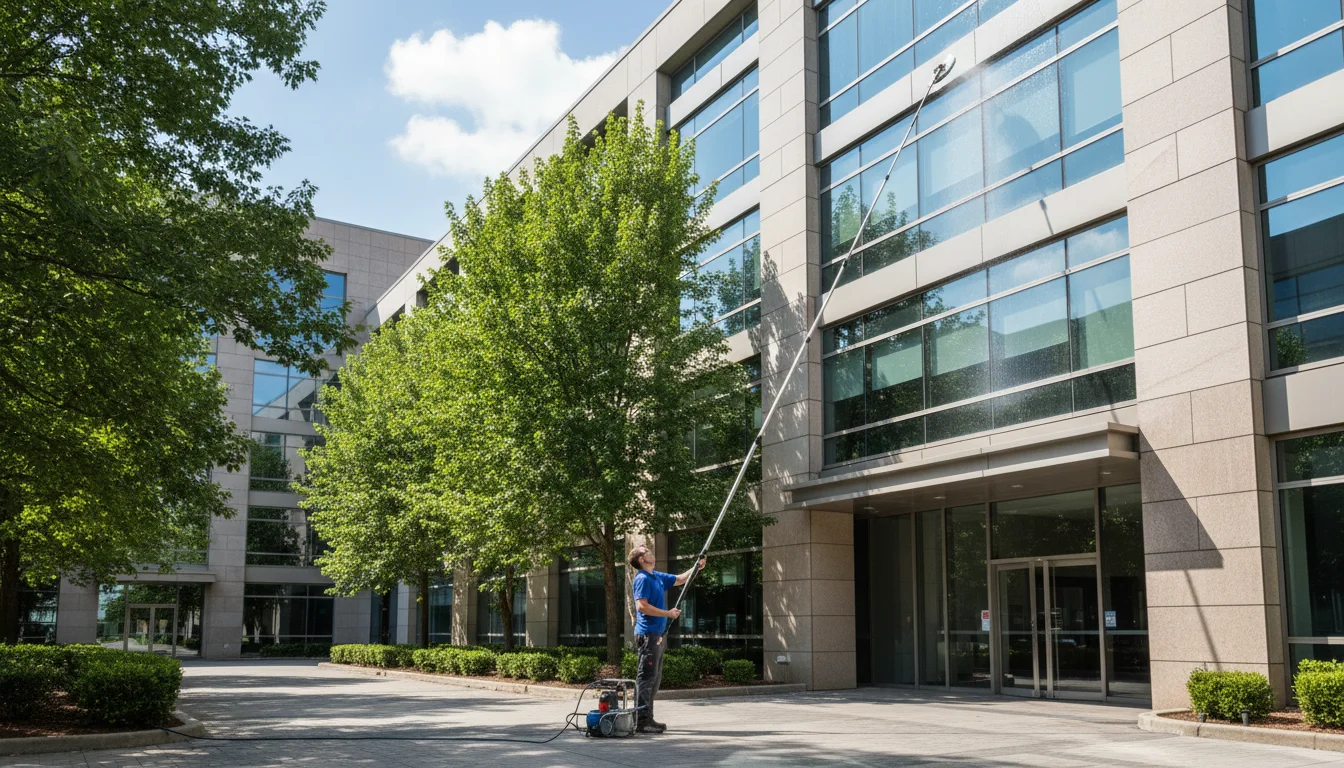
External facility maintenance becomes easier when the reach tool matches the building. A short pole forces awkward movement and repeated repositioning.
An exterior window pole should give enough reach without becoming hard to control. For many WA sites, a 5.5m extension pole sits in that useful middle ground.
Measure The Reach Before Buying
Facility teams usually need to clean glass, frames, signs, awnings, and ledges. Each task puts a different load on the operator’s arms.
The aim is not simply to buy the longest tool. The aim is to choose a pole that can be handled safely through a full shift.
Check The Working Angle
Start by measuring common cleaning points from the ground. Add the operator’s height only after allowing for the working angle.
A pole angled across a window may lose useful vertical reach. This is why rough height guesses often lead to poor buying decisions.
We stock reach tools that facility teams can match to the building, not just a catalogue code.
Match The Head To The Surface
The Ettore 18 extension pole is the main product to review for this topic. Its 5.5m reach suits many external maintenance routines.
A 5.5m extension pole can help teams clean above normal arm height. It can also reduce reliance on step ladders for lighter tasks.
That does not make every high job safe from ground level. Wind, uneven ground, electrical hazards, and fragile surfaces still need review.
Use Local Product Advice
An exterior window pole should feel stable when extended. If the tool flexes too much, the user may push harder and lose finish quality.
Grip comfort matters on longer tasks. A pole that feels acceptable for one pane may feel poor after a full building face.
Attachment compatibility is another buying point. Check the head, thread, clamp, or cone before assuming old tools will fit.
Build A Safer Cleaning Sequence
The squeegees and mops category can support window and edge cleaning setups. Buyers should match the head style to the intended surface.
For glass, the head should maintain even contact. For ledges, the attachment may need softer dust capture rather than wet dragging.
For signage, the cleaner should avoid abrasive pressure. A gentle wash and rinse often protects printed surfaces better.
Control Dust Below The Work
Storage is often forgotten during ordering. A long pole needs a rack, labelled area, or vertical storage point.
If poles are left across a storeroom floor, clamps and ends can be damaged. Damaged fittings create problems during the next job.
Transport also matters for mobile contractors. A 5.5m extension pole should fit the vehicle setup without bending or rattling.
Keep The Kit Easy To Repeat
Teams should create a simple inspection habit before use. Check locks, sections, end fittings, and visible cracks.
Do not ignore cleaning after use. Grit near the locking sections can shorten tool life and make adjustment harder.
A simple accessory kit helps the pole stay useful. The cleaning hand caddy can hold small cloths, heads, labels, and daily consumables nearby.
Store And Inspect The Gear
For WA sites with dust, insects, and coastal residue, attachment choice can matter as much as pole length. One head will not suit every surface.
Ordering should also consider who will use the tool. A trained maintenance worker may handle reach differently from a casual cleaner.
Give staff a short method note with the pole. An Enduro Microfibre Mop Head can finish low hard edges after the glass work.
Buying Notes For Perth Teams
Avoid framing the pole as a replacement for all access equipment. A 16L Mop Bucket belongs with wet follow-up, not the pole rack.
A purchasing record should state the product name and intended use. Keep the model notes from WesKleen Supplies with that record.
Before ordering, take photos of the problem areas. The Pacvac Superpro 700 Vacuum Cleaner can take dry grit off floors after overhead work.
Ordering Details That Prevent Mistakes
A pole order should describe the job, not only the product name. That matters when several staff handle purchasing across a facility.
Confirm The Working Height
Measure the highest routine surface and the distance from where the cleaner can stand. A Pacvac Superpro Go Battery helps when a cord would cross a dock.
The recorded height should include obstacles. Floor follow-up can sit with the floor scrubber range in Perth when the apron is vinyl.
Confirm Attachment Use
An external pole may be used for glass one day and signage the next. A Polystar Orbital Floor Scrubber is still a floor machine, not a window tool.
Write down the attachment types needed before ordering. An Ettore 12 extension pole can cover lower glass without forcing the 5.5m pole into every face.
Confirm Storage Space
Long tools are easy to damage when storage is cramped. A pole squeezed behind bins will not stay straight and clean.
Plan the storage point with the same care as the order. A cleaning hand caddy keeps cloths and spare heads with the pole.
Facility Maintenance Scenarios
Different WA sites put different demands on reach gear. A school walkway, strata complex, and warehouse frontage rarely clean the same way.
Shopfront Glass And Trim
Shopfront work needs controlled pressure and a clean edge. A poorly matched head can leave water marks on framing.
The pole should move smoothly along the glass line. Stopping and twisting at full extension makes the finish uneven.
Exterior Signs And Awnings
Signs often collect dust along their upper lip. A gentle pass can improve presentation without needing heavy access equipment.
Avoid abrasive heads near printed sign faces. Test the surface and keep the motion light.
Covered Walkways
Covered walkways collect cobwebs near lights and corners. These areas often sit just beyond easy arm reach.
A pole helps when the area is clear below. Staff should still control pedestrian movement while cleaning.
Maintenance After Each Use
A pole lasts longer when it is cleaned and reset after work. This step takes minutes but protects the next shift.
Remove Grit From Sections
Dust and grit can sit near the extension locks. Wipe the sections before closing the pole.
If grit stays inside the mechanism, adjustment becomes rough. The user may then force the lock and damage it.
Dry The Tool Before Storage
External work can leave moisture on the handle and fittings. Drying the pole helps protect the grip and moving parts.
Store it off the floor where air can move. Damp corners shorten the useful life of maintenance gear.
Keep The Purchase Record
Record the product name, date, and reason for buying. This makes replacement simpler when the tool is worn.
The record also helps managers prove that the tool was chosen for a defined facility task. That supports practical site control.
Questions To Ask Before Paying
A clear order should answer practical questions before the tool leaves the store. This protects the buyer and the cleaning team.
What Head Will Be Used First?
Name the first attachment planned for the pole. If that answer is vague, the order is not ready.
Who Will Carry The Pole?
Consider the person who will use and transport it. A tool that suits a tall supervisor may not suit every cleaner.
Where Will It Be Used First?
Choose one first job and test the setup there. The first job should be simple enough to prove handling.
A successful first use gives the team confidence. It also exposes storage, training, or attachment issues early.
When To Choose A Different Reach Method
Some jobs need more than a pole. Recognising those jobs is part of responsible facility maintenance.
Heavy Soil Or Scraping
If grime needs scraping force, do not rely on an extended pole. Heavy pressure at reach is hard to control.
Fragile External Surfaces
Acrylic signs, loose trims, and weathered paint need caution. Test a small area or seek a different method.
Poor Ground Access
Garden beds, kerbs, or uneven paving can limit safe ground-level work. Reach gear still needs a stable user position.
A pole is valuable when the task fits. It should not be forced into work that needs separate access planning.
Final Receiving Check
When the pole arrives, inspect it before adding it to the cleaning cupboard. Confirm the product, extension action, and visible fittings.
Test Before The First Shift
Set the pole up in a quiet area and attach the planned head. The user should practise extending, locking, cleaning, and closing it.
This short test catches awkward handling before the tool is taken outside. It also gives supervisors a chance to set limits.
FAQ
How Should Facilities Check Pole Length?
Measure the surface from the safest standing point, then allow for the working angle. Do not rely on wall height alone.
Can One Pole Handle Every External Job?
No. External glass, trims, signs, and ledges may need different heads. Some jobs still need separate access equipment.
What Details Help With Ordering?
Bring photos, height estimates, and attachment notes. Those details help match the pole to the first planned maintenance task.
Conclusion
A short product-fit check can prevent the wrong exterior window pole order.
Good external maintenance depends on reach, control, and matching attachments. Match the pole to the repeated height, then plan storage and heads. Contact us if you need that shortlist checked against current stock.