


Blog
Hand Dryer Comparison for Busy Washrooms

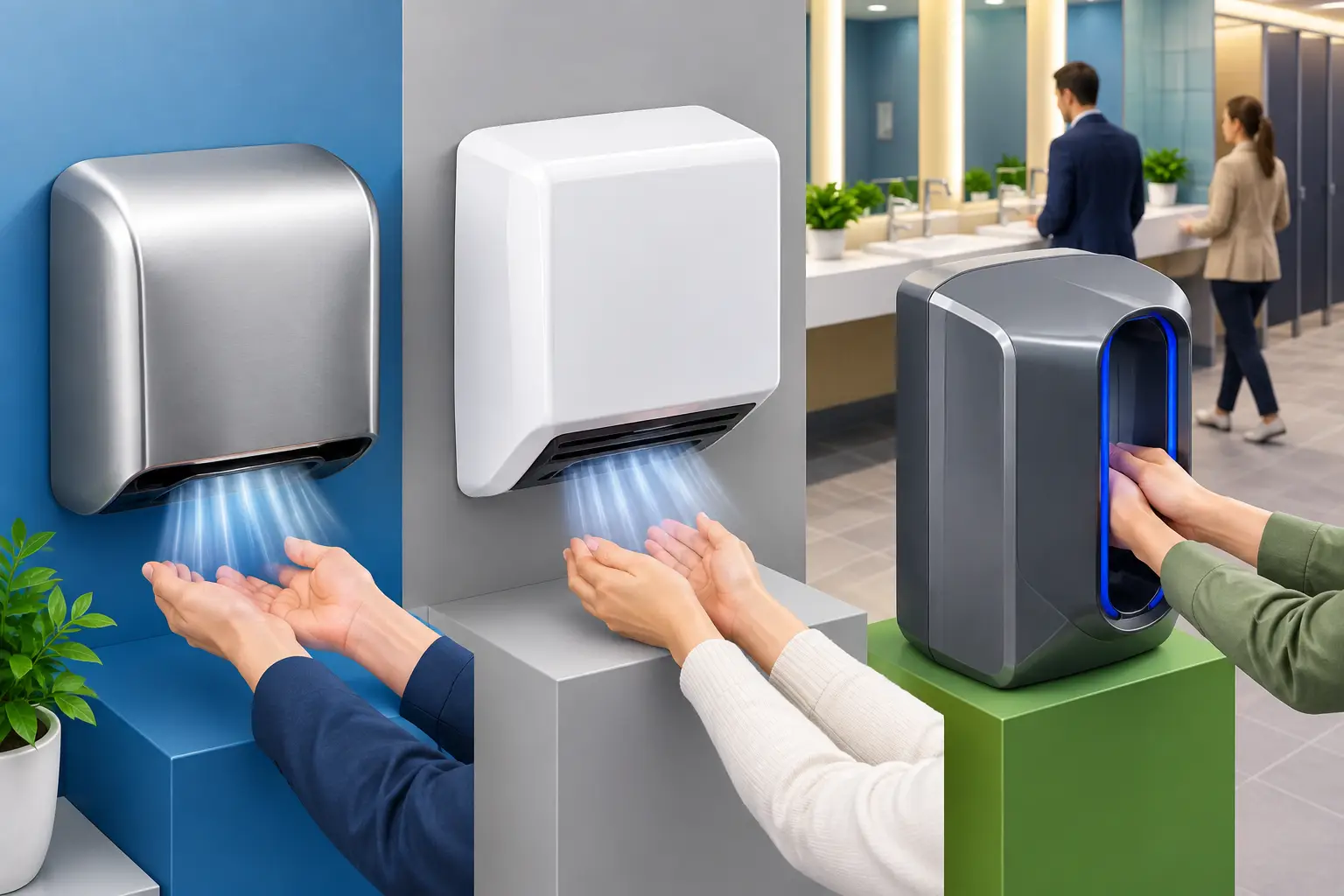
A hand dryer can be one of the most noticed items in a public washroom. If it takes too long, leaves hands damp or creates enough noise to disrupt a quiet office, users remember it. For facility managers, cleaners and business owners, a proper hand dryer comparison is less about finding the flashiest unit and more about choosing reliable equipment that suits the traffic, layout and expectations of the people using the washroom.
Paper towels may still suit some sites, but hand dryers can reduce the regular work of stocking dispensers, emptying overflowing bins and buying consumables. The right choice depends on how heavily the washroom is used, how close it is to customers or work areas, and whether speed, sound levels or lower operating costs are the priority.
Hand dryer comparison: start with your washroom traffic
The first question is simple: how many people will use the dryer at peak times? A compact office washroom used by a small team has very different requirements from a school, shopping centre, hospitality venue or sports facility where several people may be waiting to dry their hands.
Low-traffic locations can often use a conventional warm-air dryer. These models are generally familiar, straightforward and suitable where users are not under pressure to move through quickly. They can be a sensible value choice for staff amenities, small professional suites and residential common areas.
Busy washrooms usually benefit from high-speed dryers. Stronger airflow removes water much faster, helping prevent queues near the basin and reducing the chance that users shake excess water onto floors. In a café, medical practice, warehouse, gym or public venue, those few seconds matter. Faster drying also encourages people to use the dryer properly rather than leaving with wet hands.
Consider peak demand, not just average use. A venue might be quiet for much of the day, then experience a rush at interval, lunch service or the end of a shift. Equipment should cope with those predictable bursts without becoming a maintenance problem.
The main dryer types and their trade-offs
Conventional warm-air dryers
Traditional dryers use warm air and tend to have a longer drying time than modern high-speed models. Their familiar operation and relatively gentle air flow can suit quieter, lower-use washrooms. They are often selected where initial purchase price is the main concern.
The trade-off is efficiency during busy periods. If drying takes 25 to 40 seconds, users may become impatient. Longer run times can also increase electricity use per dry, even where the unit’s wattage is not especially high. These dryers are best judged by the actual drying experience, not their price alone.
High-speed jet dryers
High-speed models use a concentrated air stream to push water from hands quickly. They are popular in commercial facilities because fast dry times help move users through the washroom and may lower energy use per use. Some designs direct water into a collection area, which can reduce drips on the floor beneath the unit.
However, high-speed does not always mean suitable for every site. The motor and fast airflow can be loud, particularly in small tiled rooms where sound reflects. They may be less appropriate for quiet consulting rooms, premium restaurants, aged-care environments or spaces near meeting areas. If noise matters, check the stated decibel rating and think about how the dryer will sound once installed in the actual room.
Low-energy and adjustable dryers
Some commercial units offer adjustable motor speed, heating settings or timer controls. These features let a site balance power use, drying time and noise. Turning down heat or airflow may reduce operating costs and improve comfort, but it may also lengthen the dry cycle.
Adjustable options make particular sense for facilities with different needs across the day. An office may prefer quieter operation, while a high-traffic event space may need the strongest setting. The best setting is the one that users will tolerate and that staff can maintain without unnecessary call-outs.
Hygiene is about the whole washroom setup
Hand dryers are often compared on hygiene claims, but the wider washroom routine matters just as much. Clean hands should be washed with suitable soap, rinsed thoroughly and dried completely. A dryer cannot make up for empty soap dispensers, poorly maintained basins or a dirty floor around the handwashing area.
Look for a model with a smooth, easy-to-clean casing and minimal areas where dust can collect. If the unit has a drip tray or water collection system, it needs a clear cleaning routine. A neglected tray can create odours and undermine the reason for choosing that style of dryer in the first place.
Air filtration may be useful in certain environments, particularly where hygiene expectations are high. Filters need to be replaced according to the manufacturer’s guidance, and this ongoing requirement should be included in the maintenance budget. A filter is not a set-and-forget feature.
Placement also affects hygiene and presentation. Install the dryer where users can reach it without dripping water across the room, but avoid putting it so close to the basin that it obstructs access or receives constant splashing. Good placement supports cleaner floors and makes it easier for cleaners to work around the area.
Compare running costs, not only the purchase price
A low-priced dryer can cost more over its working life if it has a high power draw, slow drying time or parts that are difficult to replace. When comparing models, consider wattage together with typical dry time. A powerful dryer that operates for 10 seconds may use less energy per hand dry than a lower-wattage unit running for 35 seconds.
Paper towels have their own ongoing costs: purchasing stock, storage, dispenser servicing, bin liners and rubbish removal. They can still be the right choice where users need a towel for other purposes, such as drying splashes from clothing or handling a door. Many high-use facilities choose a hand dryer as the main option and retain paper towels for accessibility, spills or particular user needs.
Durability is also part of the equation. Commercial washrooms need housings and switches that can withstand frequent use, cleaning chemicals and occasional rough treatment. A reliable unit with readily available replacement parts can be better value than a cheaper model that requires full replacement after a minor fault.
Noise, accessibility and user comfort
Noise is easy to overlook during a quick product comparison. Yet a dryer positioned near reception, a dining room or a workplace breakout area can affect the experience of staff and visitors throughout the day. If possible, choose quieter equipment for low-noise settings and reserve high-output models for locations where speed is more important.
Installation height should allow comfortable access for a broad range of users, including children and people using mobility aids. Consider the projected air direction as well. A unit should not blow directly into a circulation path, onto a nearby wall or towards another person waiting at the basin.
Visual presentation matters in customer-facing venues. Stainless steel may suit hard-working public amenities because it is durable and easy to wipe down. White or black finishes can work well in modern office or hospitality washrooms, but they may show marks differently. Choose a finish that matches the cleaning schedule your site can realistically maintain.
What to check before ordering
Before selecting a unit, confirm the electrical requirements, mounting dimensions and available wall space. Existing wiring may limit which dryer can be installed without additional electrical work. It is also worth checking whether the wall construction can properly support the chosen model, particularly for heavier commercial units.
Ask practical questions before making a decision: Is the drying time suitable for peak traffic? Will the sound level suit the room? Is the casing easy for cleaners to wipe down? Are filters, trays or replacement parts required? Does the warranty reflect commercial use? These details are more useful than a long feature list.
For Perth businesses that need help matching washroom equipment to their cleaning and consumables program, WesKleen Supplies can assist with practical product selection. The aim is to choose equipment that performs reliably alongside the soap, toilet care products, bin liners and routine cleaning supplies already used on site.
A well-chosen dryer should make the washroom feel quicker, cleaner and easier to manage without creating a new maintenance task. Focus on the people using the space, the conditions your cleaning team works in and the real cost over time, then select the model that fits the job rather than simply the cheapest one on the shelf.