


Blog
Odour Neutraliser Product Review: What Works?

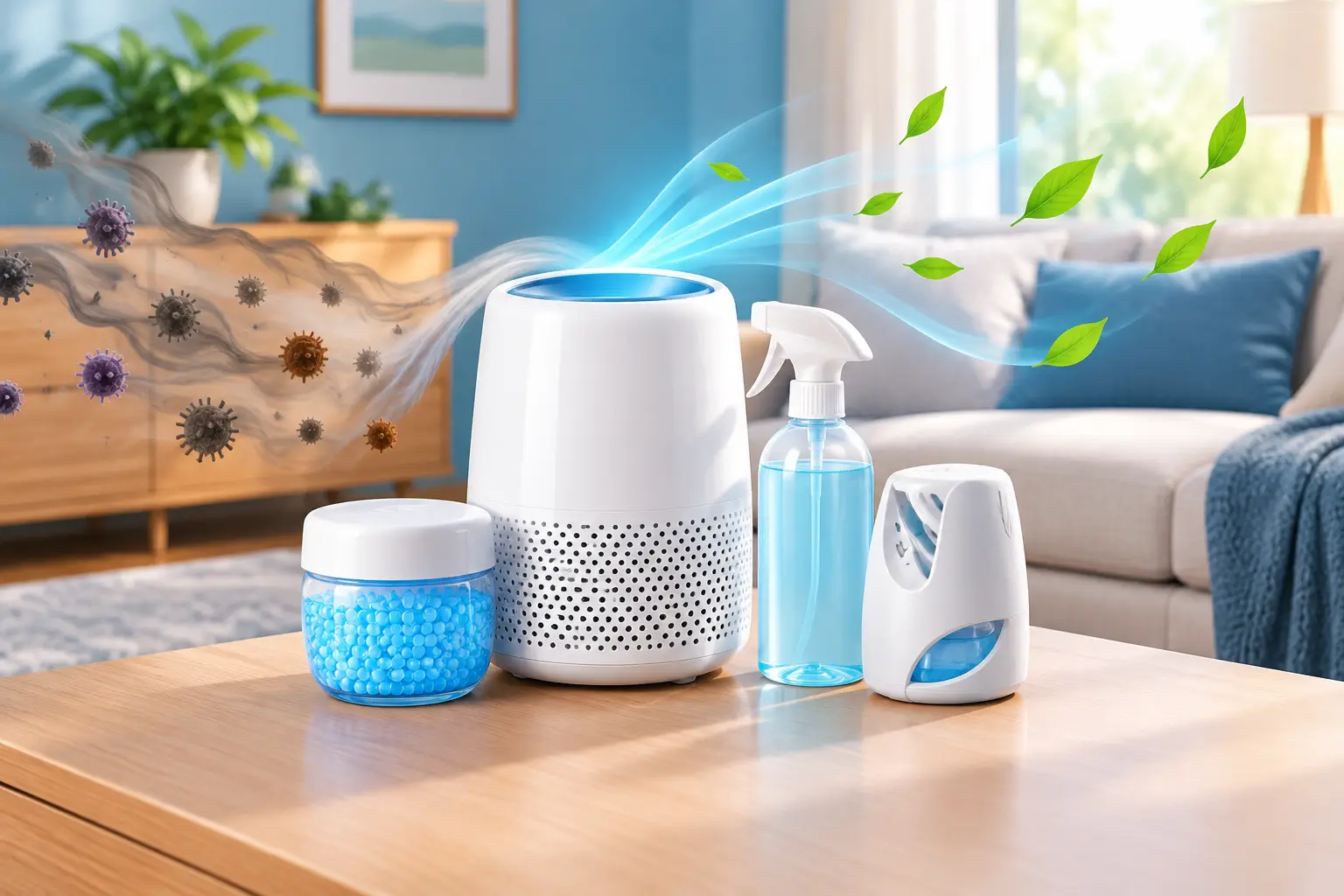
A fresh scent in a washroom, rubbish room or pet area can be reassuring for about five minutes. If the source smell is still there, perfume quickly becomes part of the problem. This odour neutraliser product review looks at what separates genuine odour control from products that simply cover up unpleasant smells, and where each option makes sense.
For Perth homes, cleaners and facilities teams, the best result usually comes from matching the product to the odour, the surface and the size of the area. A toilet cubicle, a commercial bin enclosure and a fabric lounge do not need the same treatment. Choosing well means fewer repeat applications, less wasted product and a cleaner space that genuinely smells clean.
Odour neutraliser product review: what to look for
An odour neutraliser works by changing, binding to or breaking down odour-causing compounds. Depending on the formula, it may use enzymes to digest organic residue, absorbent materials to trap smells, or chemical agents that neutralise airborne odours. A deodoriser or air freshener may add fragrance, which can be useful, but it does not always remove the source.
That distinction matters most in busy commercial environments. If a cleaner sprays fragrance into a washroom with urine residue around the base of the toilet, the room may initially smell stronger rather than fresher. The underlying contamination needs to be cleaned first, then a suitable neutraliser can help control lingering odours.
A good product should state its intended application clearly. Look for wording that identifies whether it is designed for fabrics, drains, toilets, bins, carpet, hard surfaces or general air treatment. “Multi-purpose” can be convenient, but specialist products often perform better on persistent, targeted problems.
The first test: is the source being cleaned?
No odour product can compensate for poor cleaning practice. Organic matter in bins, food residue under equipment, mould in wet areas, and spills in carpet all continue to create odours until they are removed.
For routine odours, start with physical cleaning. Empty rubbish, remove soiled liners, clean the affected surface with the appropriate detergent or disinfectant, rinse where required and allow the area to dry. Moisture is a major contributor to recurring smells, particularly in bathrooms, kitchen areas, mop rooms and carpeted spaces.
Where the smell is caused by urine, vomit, food waste or pet accidents, an enzyme-based cleaner or neutraliser can be a practical choice. Enzymes are designed to work on organic soils, but they need enough contact time to do their job. Spraying and immediately wiping away may leave the product with little opportunity to work.
Drain odours need a separate approach. A neutraliser in the air may improve the immediate experience, but it will not fix a dry floor waste, grease build-up or debris caught in pipework. Check that water traps are filled, clean accessible drain covers, and use an appropriate drain treatment where needed.
Fragranced products versus true neutralisers
Fragranced deodorisers have a place. They are useful for maintaining a pleasant impression in reception areas, washrooms, change rooms and homes after cleaning is complete. In spaces where customers, staff or visitors form an opinion quickly, a light and clean fragrance can support the overall presentation of the site.
The trade-off is that fragrance is subjective. A scent that feels clean to one person may feel overpowering to another, especially in small rooms, medical settings, shared offices or hospitality venues. Strong fragrances can also become unpleasant when mixed with tobacco smoke, food odours or poorly maintained washrooms.
True neutralisers are generally the better option when the odour is persistent or hard to identify. They are particularly useful in rubbish areas, vehicles, rental properties, carpeted rooms, pet zones and facilities with high washroom traffic. Many commercial buyers choose a neutraliser first, then use a separate air freshener sparingly if the environment calls for it.
For households, this can be as simple as treating the cause of a lingering cooking smell, pet bedding or smelly bin before adding a preferred room fragrance. The same principle applies at larger sites, just with more frequent maintenance and higher product volumes.
Which format suits the job?
Ready-to-use trigger sprays are practical for spot treatment, touch-ups and smaller rooms. They are easy for household users and cleaners working across multiple areas, but they can be less economical when used heavily in large facilities.
Concentrates are often better value for regular commercial use, provided staff can dilute them correctly and have suitable labelled bottles. A concentrate can reduce storage requirements and cost per use, but only when measured accurately. Over-diluting can reduce performance, while making a solution too strong can leave residue or create an unnecessarily intense fragrance.
Aerosols work well for fast, temporary air treatment, particularly in washrooms and small enclosed areas. Use them with care around people, food preparation areas and ignition sources, and always follow the label directions. For ongoing control in public facilities, automatic dispensers or passive systems can provide consistency, although they still need a proper cleaning program behind them.
Granules, powders and absorbent products are worth considering for bins, rubbish rooms and spill-prone areas. These formats can help manage liquid and odour together, which is useful where leaks or waste are part of the issue. They are not a substitute for cleaning, but they can make maintenance safer and more manageable between services.
Performance factors that matter on site
When comparing odour control products, do not judge them only by how they smell straight from the bottle. A practical review comes down to performance after application. Consider these points before buying in volume:
- Odour type: Organic odours, smoke, dampness, food waste and chemical smells respond differently. Choose a formula made for the problem.
- Surface compatibility: Check whether the product is safe for carpet, upholstery, sealed floors, plastic bins, painted surfaces or stainless steel.
- Contact time: Some products need to remain wet for several minutes. Build this into the cleaning procedure.
- Fragrance strength: Choose low-fragrance or fragrance-free options for sensitive settings, and avoid overpowering scents in confined spaces.
- Coverage and cost per use: Compare dilution rates, trigger-spray coverage and application frequency rather than only the purchase price.
- Workplace requirements: Commercial users should check the label, safety directions and Safety Data Sheet, particularly when products are used near staff, customers or food areas.
A product that costs a little more per bottle may still be the better-value choice if it works the first time, dilutes efficiently or reduces call-backs for cleaners. On the other hand, there is no benefit in buying a highly specialised formula for a simple, occasional household bin smell. The right level of product matters.
Common situations and the better approach
For rubbish bins, remove the waste and liner first, then clean the bin interior and lid. Once dry, apply a suitable neutraliser to control residual odour. If leaks are common, review liner strength and bin-cleaning frequency as well. The best neutraliser will struggle if the bin is constantly contaminated by split bags.
For washrooms, concentrate on toilet exteriors, floor edges, grout, floor wastes and sanitary bins. These are frequent sources of ongoing odours. A well-maintained neutraliser or air-care product can improve the room between cleans, but it should never replace detailed washroom cleaning.
For carpets and upholstery, test in an inconspicuous area and avoid soaking the material. Blot up fresh spills, treat the affected area with a product suited to fabric and allow enough drying time. Repeated wetting can contribute to musty smells, so extraction and drying may be needed for larger incidents.
For smoke or stale room odours, clean hard surfaces, textiles and filters where possible. Odour particles settle on curtains, walls, upholstery and air-conditioning components, so spraying the air alone rarely provides a lasting result.
Get practical advice before buying in bulk
Odour control is one of those cleaning categories where the right question saves money: what is creating the smell, and where is it sitting? Once that is clear, choosing between an enzyme treatment, neutraliser, deodoriser, absorbent or air-care product becomes much simpler.
WesKleen Supplies can help Perth customers select practical options for homes, washrooms, hospitality venues, cleaning contracts and general facility maintenance. Start with the source, use the product as directed, and give it enough time to work. That is how a space moves from merely perfumed to properly fresh.