


Blog
Mop Buckets for Cleaner, Safer Floors at Work

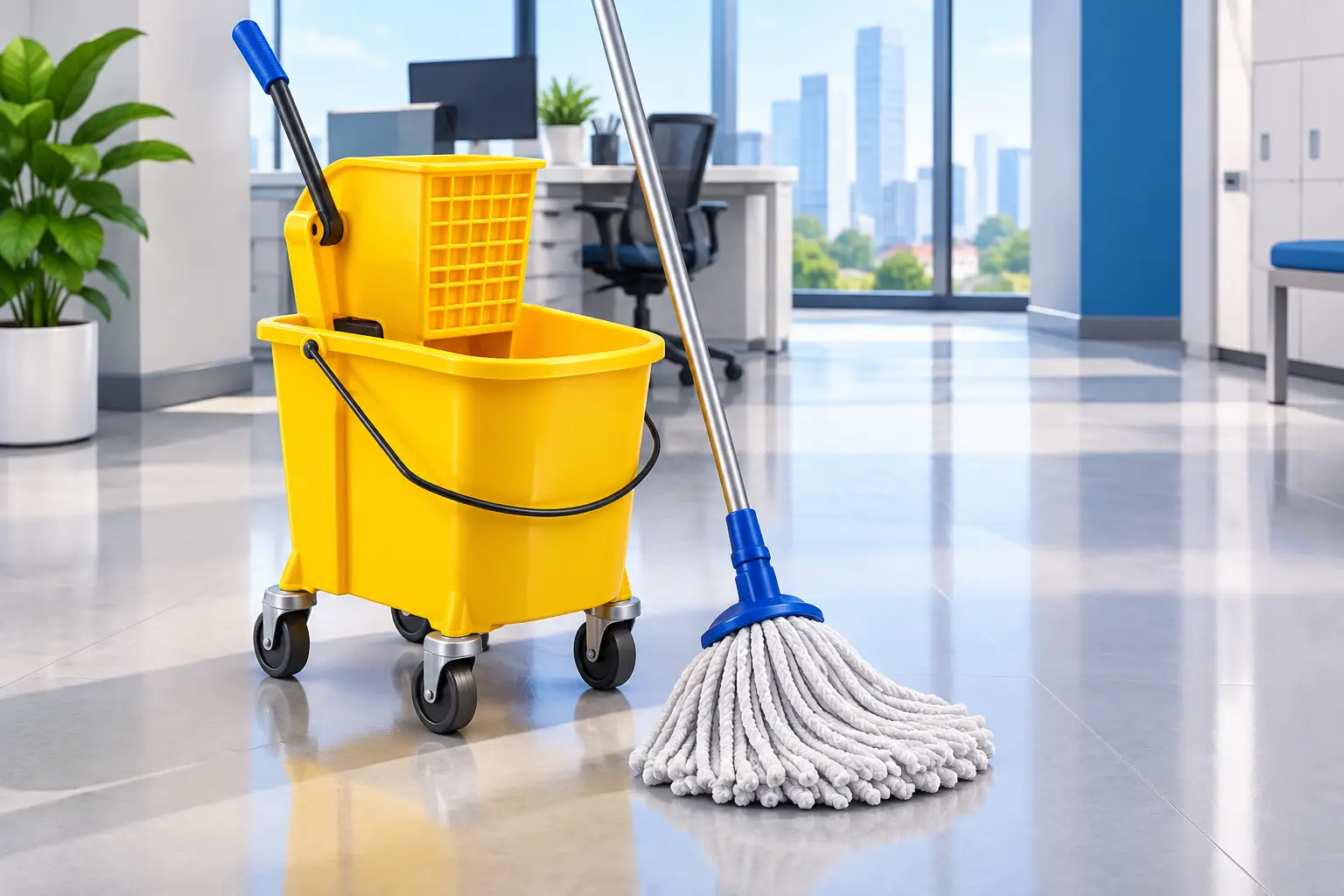
A freshly mopped floor can still create problems if the dirty water is being spread straight back across it. The right mop buckets separate the hard work from the guesswork, helping cleaners remove soil efficiently, control moisture and leave floors safer for staff, visitors and customers.
For a household, that may mean a compact bucket that is easy to carry and store. For a café, medical practice, school or large commercial site, it usually means a dependable bucket and wringer system that stands up to repeated use. Choosing well is less about buying the biggest option and more about matching the bucket to the floor, the traffic level and the way your team cleans.
Why the Right Mop Bucket Matters
A mop bucket is not simply a container for water. It is part of the cleaning process. Its capacity, wringer design, mobility and build quality all affect how quickly a floor can be cleaned and how consistently the result looks.
A poorly matched bucket can make routine work slower. A small bucket may need constant refilling across a large area, while an oversized unit can be awkward in tight storerooms, toilets and busy hospitality spaces. If the wringer does not remove enough water, floors take longer to dry and may become slippery. If it removes too much, the mop may not hold enough solution to lift soil effectively.
For commercial cleaners and facility teams, these small details add up over a shift. Better equipment supports cleaner floors, reduces unnecessary physical strain and helps staff maintain a reliable standard from one area to the next.
Choosing Mop Buckets by Cleaning Task
Start with the job rather than the product. Consider the size of the space, the type of flooring, how often it is cleaned and whether the area remains open while work is happening.
Compact buckets for homes and small spaces
Smaller mop buckets suit bathrooms, kitchens, apartments, small offices and spot-cleaning jobs. They are easier to fill at a sink, carry between rooms and store in a cupboard. A compact option can still be highly effective when paired with the right mop head and cleaning chemical.
The trade-off is capacity. For larger tiled areas or repeated cleaning throughout the day, frequent water changes can interrupt the job. That is not always a bad thing, though. Changing solution regularly is often the better choice where hygiene matters or floors are visibly soiled.
Bucket and wringer systems for regular commercial cleaning
For offices, retail stores, hospitality venues and common areas, a wheeled bucket with an integrated wringer is usually the practical choice. The wheels reduce lifting, while the wringer allows the cleaner to control how wet the mop is before it reaches the floor.
These systems are particularly useful on vinyl, sealed concrete, tiles and other hard floors where excess water can lead to slip risks or long drying times. Look for smooth-rolling castors, a stable base and a handle that is comfortable to manoeuvre around furniture, doorways and corridors.
Larger systems for high-traffic facilities
Schools, aged care settings, warehouses, shopping areas and larger commercial sites often need greater capacity. A larger bucket reduces refill trips and gives cleaning teams enough solution to cover more floor before stopping.
Size alone is not the answer. A full large bucket is heavy, especially when it needs to pass over thresholds or travel in a lift. Make sure the unit suits the actual route staff take, including narrow passages, ramps and storage access. For extensive floor areas, a mop bucket may also be best used alongside other equipment such as a floor scrubber or vacuum, depending on the surface and cleaning schedule.
Selecting the Best Wringer Style
The wringer is where much of the bucket’s value sits. It affects water control, cleaning speed and operator comfort.
A down-press wringer is a familiar option for many commercial cleaning teams. It is designed to work with traditional string mops and delivers reliable water removal for general floor work. These systems are straightforward, economical and easy to train staff to use.
Side-press wringers can offer a comfortable alternative in some setups, particularly when paired with compatible mops and buckets. The best choice depends on the mop type, the force required to operate the mechanism and the volume of cleaning being completed.
For flat mops and microfibre systems, a conventional wringer may not be the right fit at all. Many flat mop setups use purpose-built buckets, presses or separate clean and dirty water compartments. Microfibre is excellent for controlled cleaning and lower water use, but the equipment should be selected as a system rather than mixed and matched.
Before ordering, check that the mop and wringer are compatible. A wringer designed for a large string mop may not hold a narrow mop head securely, and forcing the wrong tool into the setup can damage both items.
Clean Water, Dirty Water and Better Results
Using the same water for an entire floor is one of the quickest ways to reduce cleaning quality. Once a solution becomes visibly grey or full of debris, it is no longer doing its job well. It can leave residue behind and dull the appearance of the floor.
Buckets with separation features can help keep the process more controlled. Depending on the system, this may mean a divider, a dirty-water collection area or a workflow that keeps clean solution and used water apart. These options can be particularly valuable in healthcare-adjacent spaces, food service areas and high-traffic entry points where soil builds up quickly.
That said, a two-compartment system is not automatically necessary for every site. For a small home or low-traffic office, a simple bucket that is emptied and refilled regularly may be the most affordable and sensible option. The goal is clean solution on the floor, not extra equipment for its own sake.
Features That Make Daily Cleaning Easier
When comparing mop buckets, focus on the features that will matter after the first week of use. Durable plastic construction is important for regular commercial work, particularly where buckets are moved across rough surfaces or used several times a day. A stable, wide base helps prevent tipping, while quality castors improve control when the unit is full.
A drainage plug can make emptying safer by reducing the need to lift a heavy bucket. This feature is especially useful for larger capacities, although it only helps if staff can drain the bucket in an appropriate location. A comfortable handle, secure wringer mount and easy-clean surfaces are equally worthwhile because they reduce day-to-day frustration.
Colour is useful too. Colour-coded equipment supports better hygiene practices by helping teams assign tools to particular zones. For example, a bucket and mop used in washrooms should not be used in food preparation or general office areas. Clear site procedures matter as much as the colours themselves, but visual cues make those procedures easier to follow.
Match the Bucket to the Chemical and Floor
The bucket is only one part of an effective floor-care routine. Choose a cleaning chemical that suits the surface, follow the dilution instructions and use the right mop for the job. Too much chemical can leave residue, attract more soil or make the floor look streaky. Too little may not cut through grease and tracked-in dirt.
For timber, laminate and other moisture-sensitive surfaces, use minimal water and a well-wrung mop. Tiles and sealed hard floors can generally handle more moisture, but still benefit from controlled application and prompt drying. Always check manufacturer guidance for specialty surfaces, coatings and non-slip treatments.
A clean mop head is just as important as clean water. Replace or launder mop heads regularly, especially when they become stained, worn or odorous. A quality bucket cannot compensate for a mop that is carrying yesterday’s dirt into today’s cleaning job.
A Practical Buying Checklist
Before choosing, consider these questions: How much floor is being cleaned in one session? Is the area open to the public? Which mop type will be used? How often will staff need to refill or empty the bucket? Is colour coding required? And can the unit be stored and moved easily on site?
For Perth businesses that need practical advice on buckets, mops, chemicals and everyday janitorial equipment, WesKleen Supplies can help match the setup to the task. The best-value choice is the one that keeps cleaning efficient without adding unnecessary cost or complexity.
A mop bucket may be a simple piece of equipment, but it has a direct effect on floor appearance, cleaning time and safety. Choose one that fits the work your team actually does, keep water and mop heads fresh, and routine cleaning becomes far easier to manage.