


Blog
How Cleanliness Impacts Brand Perception in Retail and Offices

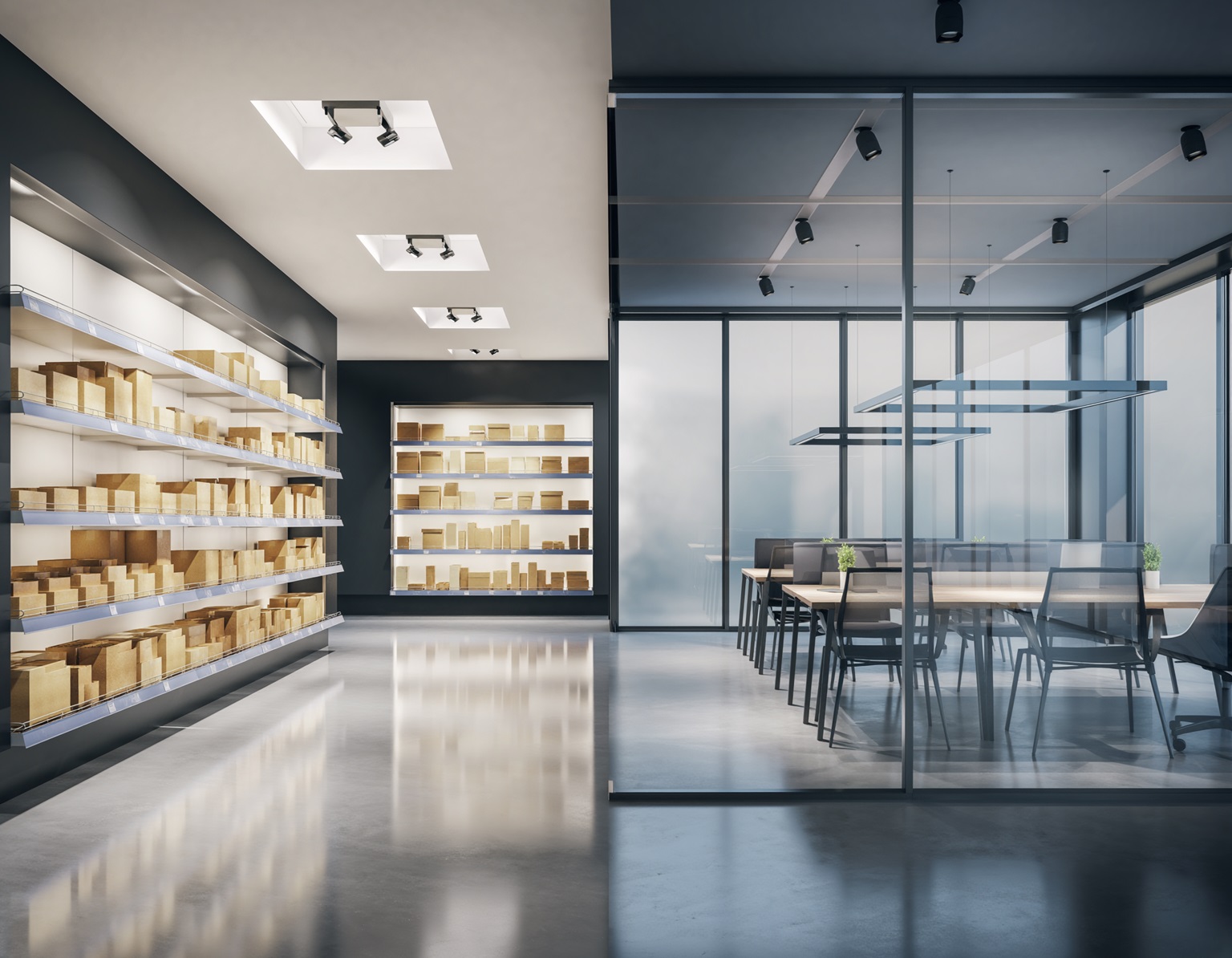
When customers walk into a retail store or clients enter an office, they’re making judgements within seconds. The state of the floors, the smell of the air, the shine on the glass – these aren’t trivial details. They’re silent communicators of brand values, attention to detail, and respect for the people who walk through those doors.
A spotless environment signals professionalism and care. A neglected one suggests the opposite, regardless of how excellent the products or services might be. The connection between cleanliness and brand perception extends beyond aesthetics – it influences purchasing decisions, employee retention, and online reviews.
A customer who notices sticky floors or dusty shelves won’t just forget about it. They’ll associate that experience with the entire brand. The same applies to offices, where clients and potential hires form opinions based on workspace condition.
The Psychology Behind First Impressions
Human brains are wired to make rapid assessments of safety and trustworthiness. When someone enters a space, their subconscious mind scans for threats and cues about the environment’s quality. Cleanliness sits at the heart of this assessment.
A well-maintained space triggers positive associations: order, competence, reliability. A dirty one activates the opposite response, often before conscious thought has even caught up. These aren’t superficial reactions – they’re deeply rooted in evolutionary needs to assess environments quickly.
Research from the cleaning and facilities management sector shows that visual cleanliness affects customer behaviour more dramatically than most business owners realise. Shoppers spend less time in stores with visible dirt or unpleasant odours. Office visitors form negative impressions of companies whose reception areas show signs of neglect.
The Sensory Impact of Clean Spaces
The smell of a space matters just as much as what people see. A faint odour of mildew or stale air can undermine even the most polished visual presentation. Conversely, the clean scent of a properly sanitised environment creates an immediate sense of freshness and care.
Products like the Comet Foaming Cleaner & Sanitiser achieve that balance between effective sanitisation and pleasant atmosphere. It’s the difference between a space that feels alive and one that feels abandoned. The relationship between cleanliness and brand perception operates on multiple sensory levels simultaneously.
What Retail Customers Notice Immediately
Retail environments face unique challenges because customers actively evaluate them whilst making purchasing decisions. The condition of the floor is often the first thing people notice, especially in high-traffic areas near entrances. Scuff marks, sticky residue, or dulled finishes communicate a lack of attention to detail.
Customers might not consciously register these issues, but they’ll feel them. That feeling influences whether they stay, browse, and ultimately buy. Floor maintenance directly impacts the bottom line through customer behaviour patterns.
High-Touch Surfaces and Hygiene Standards
High-touch surfaces in retail – door handles, countertops, display cases – are under constant scrutiny, especially post-pandemic. Visible fingerprints or smudges on glass signal that cleaning isn’t happening frequently enough. Customers equate this with poor hygiene standards, even if the reality is more nuanced.
Regular maintenance with streak-free solutions and the right tools ensures these surfaces always look their best. Quality squeegees and mops make the difference between mediocre results and the professional finish that supports positive brand perception.
Fitting rooms and toilets are critical touchpoints. These spaces are private, and customers expect them to be immaculate. A single dirty mirror or an unpleasant smell can undo the positive impression created by a beautifully merchandised shop floor.
It’s not enough to clean these areas once a day. They need attention throughout trading hours, with effective products that actually sanitise rather than just mask odours. The Oates Ergo Extra-Long Toilet Brush enables thorough cleaning in hard-to-reach areas, ensuring nothing gets overlooked.
Office Cleanliness and Client Confidence
Offices operate under different pressures, but the principles remain the same. When a potential client enters premises for a meeting, they’re assessing whether your organisation is the kind they want to work with. The state of the workspace becomes a proxy for operational standards.
Cluttered desks might be forgiven, but grimy carpets, dusty surfaces, or stained upholstery won’t be. Facility managers consistently report that cleanliness and brand perception directly influence contract negotiations. Professional environments convey competence and attention to detail.
Reception Areas Set the Tone
Reception areas carry the heaviest burden. They’re the first space visitors encounter, and they set expectations for everything that follows. Polished floors, dust-free surfaces, and fresh air aren’t luxuries – they’re necessities.
A reception area that smells stale or looks tired suggests a company that’s struggling or complacent. Neither impression helps close deals. The investment in maintaining these spaces pays dividends through improved client confidence and successful business relationships.
Toilets in office buildings are another critical factor. Employees and visitors alike judge organisations harshly when facilities aren’t properly maintained. This isn’t about occasional deep cleans – it’s about daily, consistent attention using products that genuinely sanitise and deodorise.
The Cost of Neglect
Neglecting cleanliness doesn’t just damage perception – it has measurable financial consequences. Retail businesses lose customers who don’t return after a poor first impression. Office tenants face higher vacancy rates when prospective lessees are put off by poorly maintained common areas.
The cost of acquiring a new customer or tenant far exceeds the investment required to maintain proper cleaning standards. Yet businesses repeatedly underestimate this connection until revenue suffers.
Online Reviews Amplify the Impact
Online reviews amplify these effects. A single mention of dirty floors or unclean toilets can reach thousands of potential customers. According to research from consumer behaviour studies, negative reviews related to cleanliness are among the most damaging to brand reputation.
They’re specific, visceral, and hard to refute. You can’t argue with someone’s lived experience of walking into a grimy space. The digital permanence of these reviews means the damage persists long after the issue is resolved.
Staff Morale and Productivity
Staff morale suffers in neglected environments. Employees who work in poorly maintained spaces feel undervalued. Productivity drops. Sick days increase, particularly when cleaning standards allow germs and allergens to accumulate.
The connection between workspace cleanliness and employee wellbeing is well-documented. It directly affects the bottom line through reduced output and higher turnover. The relationship between cleanliness and brand perception extends to internal stakeholders, not just customers.
Asset Degradation and Replacement Costs
There’s also the issue of asset degradation. Floors that aren’t properly maintained deteriorate faster, requiring expensive repairs or replacement. Carpets that don’t receive regular deep cleaning develop permanent stains and odours. Timber surfaces lose their finish when neglected.
Investing in the right equipment protects these assets whilst maintaining the appearance that supports your brand. The Polystar Orbital Floor Scrubber handles multi-surface care, from scrubbing to polishing, extending the life of flooring investments significantly.
Professional-Grade Solutions Make the Difference
Consumer-grade cleaning products and equipment simply can’t deliver the results that commercial environments require. The difference isn’t subtle – it’s the gap between surfaces that look clean and surfaces that actually are clean. Professional solutions are formulated to handle higher soil loads and more frequent use.
The Mr. Bean 5L All-Purpose Cleaner exemplifies this distinction. Its formulation tackles commercial-level dirt whilst leaving a pleasant, coffee-inspired scent. It’s designed for environments where cleaning happens multiple times daily, not just weekly.
Equipment That Delivers Consistent Results
Equipment matters just as much as chemistry. Backpack vacuums like the Pacvac Superpro 700 deliver superior suction and filtration compared to domestic units. They’re engineered for high-traffic commercial spaces where dirt accumulation happens rapidly.
The ergonomic design allows operators to work more efficiently, covering larger areas in less time. This efficiency translates directly to cost savings and maintained standards. When battery power is needed, the Pacvac Superpro 700 Battery Kit provides cord-free operation without compromising performance.
Systems and Protocols Drive Consistency
Effective cleaning isn’t random – it follows systems. Businesses that maintain the highest standards use documented protocols that specify what gets cleaned, when, how, and with which products. This removes guesswork and ensures consistency regardless of who’s doing the work.
A new cleaner can follow the protocol and achieve the same results as someone who’s been doing it for years. This systematic approach is fundamental to maintaining the link between cleanliness and brand perception over time.
Prioritising High-Impact Areas
These protocols should prioritise high-impact areas: entrances, customer-facing spaces, toilets, and anywhere food is served. These are the zones that most directly influence brand perception. They need attention multiple times per day, not just during after-hours cleaning.
A cleaning hand caddy stocked with the right supplies makes it easy for staff to perform quick touch-ups throughout the day. This accessibility ensures standards don’t slip between scheduled cleaning sessions.
Surface-Specific Approaches
Different surfaces require different approaches. Timber floors need products that maintain their appearance and protective coating. Carpets benefit from regular vacuuming with commercial equipment and periodic deep cleaning with machines like the Steamvac HP Auto 2 Carpet Steamer.
Hard floors in wet areas need different treatment again, with products that prevent slip hazards whilst maintaining cleanliness. Understanding these distinctions prevents damage and ensures each surface receives the care it requires to support professional appearance.
Training Delivers Results
Training is the critical component that brings protocols to life. Even the best equipment and products won’t deliver results if people don’t know how to use them properly. Training should cover not just the mechanics of operation, but the reasoning behind protocols.
When cleaners understand why they’re doing something – not just what to do – they’re more likely to maintain standards even when supervision isn’t present. This understanding creates ownership and pride in the work, which shows in the results.
Measuring the Return on Cleaning Investment
Quantifying the impact of cleanliness and brand perception can feel abstract, but there are concrete metrics to track. Customer dwell time in retail environments often increases when spaces are well-maintained. Conversion rates improve. Repeat visits become more frequent.
These aren’t coincidences. They’re the result of creating an environment where people feel comfortable spending time and money. The cleanliness investment delivers measurable returns through improved customer behaviour.
Office Environment Metrics
Office environments can track different indicators. Client retention rates, successful pitch percentages, and employee satisfaction scores all correlate with workplace cleanliness. Exit interviews frequently reveal that office condition influenced decisions to leave, even if it wasn’t the primary stated reason.
People don’t always articulate that they’re uncomfortable in a space, but the discomfort affects their choices nonetheless. Tracking these metrics helps quantify what might otherwise seem like an intangible benefit.
Online Reputation Monitoring
Online reputation metrics provide another data source. Monitoring review platforms for mentions of cleanliness – both positive and negative – offers insight into how customers perceive standards. A sudden increase in cleanliness complaints should trigger an immediate protocol review.
Conversely, positive mentions validate that the investment is working. Many businesses are surprised to discover how frequently customers mention cleanliness when they start actively monitoring for it. The connection is stronger than most people realise.
Cost-Benefit Analysis
The cost comparison is straightforward. A comprehensive cleaning programme using professional equipment and products represents a fraction of what you’d spend on marketing to overcome the damage caused by a reputation for poor cleanliness.
It’s preventative maintenance for your brand, protecting the investment made in every other aspect of the business. Marketing can’t fix the perception created by a dirty environment, but proper cleaning prevents the problem entirely.
Adapting Standards for Different Environments
Retail and office spaces have distinct cleaning requirements, but within each category, there’s further variation. A high-end boutique needs a different approach than a discount retailer. A medical office has different standards than a creative agency.
Understanding these nuances ensures investment focuses on areas that matter to specific audiences whilst avoiding over-investment in less critical zones. The relationship between cleanliness and brand perception varies by context and customer expectations.
Luxury Retail Standards
Luxury retail environments demand perfection. Customers in these spaces expect flawless presentation, and they’re paying prices that justify that expectation. This means more frequent cleaning cycles, premium products that don’t leave residue, and equipment that operates quietly during trading hours.
The Medusa Battery-Powered Sweeper offers a solution for quick, quiet touch-ups without disrupting the shopping experience. Silent operation matters when maintaining luxury atmosphere whilst keeping floors immaculate.
High-Traffic Budget Retail
High-traffic budget retailers face different challenges. Volume is the enemy – thousands of footfalls daily mean dirt accumulates rapidly. The focus here is on robust, efficient systems that can handle the load.
Durable dust control mops that trap particles effectively and 16L mop buckets that reduce refill frequency help teams cover large areas quickly. Efficiency becomes the priority when cleaning must happen continuously throughout trading hours.
Professional Office Environments
Professional offices need to balance cleanliness with minimal disruption. After-hours cleaning handles the heavy lifting, but daytime protocols maintain standards between deep cleans. Battery-powered equipment eliminates the hazard and inconvenience of power cords whilst delivering the suction needed for commercial spaces.
Quiet operation becomes important when cleaning must happen during business hours. The ability to maintain standards without disrupting meetings or concentration creates value beyond just the cleaning results themselves.
Tackling Specific Problem Areas
Certain cleaning challenges appear repeatedly across both retail and office environments. Understanding these common problems and their solutions prevents them from undermining brand perception.
Entrance Area Maintenance
Entrance areas are perpetual problem zones. They’re where outside dirt meets inside floors, creating a battleground that’s hard to keep pristine. Heavy-duty entrance matting helps, but it’s not enough.
Regular attention with appropriate equipment – ideally multiple times per day during peak periods – prevents dirt from spreading throughout the space. Entry maintenance might be the single most cost-effective cleaning investment for protecting interior surfaces and maintaining appearance.
Glass Surface Challenges
Glass surfaces present another common challenge. Smudges and streaks are highly visible and create an immediate impression of poor maintenance. The solution isn’t just better chemicals – it’s technique and tools working together.
Extension poles like the Ettore 3.6m Extension Pole or Ettore 5.5m Extension Pole allow cleaners to reach high windows and glass partitions safely and effectively. This ensures no area is neglected because it’s difficult to access.
Adhesive Residue Problems
Adhesive residue from price labels, tape, and promotional materials plagues retail environments. Standard cleaners often just spread the sticky mess around, making the problem worse. Specialist products are formulated specifically to break down these stubborn substances without damaging underlying surfaces.
The Goof Off Adhesive Remover is the difference between spending 20 minutes scraping at a sticker and removing it cleanly in seconds. Time savings matter when staff are needed for customer service rather than wrestling with adhesive residue.
Carpet Maintenance Beyond Vacuuming
Carpet maintenance in offices requires more than regular vacuuming. Traffic patterns create visible wear lanes and dirt accumulation that standard vacuuming can’t address. Periodic deep cleaning with extraction equipment removes embedded soil and revives appearance.
The investment in proper carpet cleaning machines pays for itself through extended carpet life and maintained professional appearance. Replacing carpet prematurely costs vastly more than the equipment needed to properly maintain it.
The Role of Consistency
Sporadic deep cleans don’t build brand perception – consistent maintenance does. Customers and clients notice patterns. A space that’s immaculate one week and neglected the next creates confusion and erodes trust.
People wonder what else is inconsistent in the business. Reliability in cleanliness signals reliability in everything else. The connection between cleanliness and brand perception depends fundamentally on consistency over time.
Systems That Don’t Depend on Individuals
This consistency requires systems that don’t depend on individual initiative. Cleaning schedules need to be documented and monitored. Equipment needs to be properly maintained and replaced before it fails. Supply chains for consumables need to be reliable so operations never run short of required products.
Staff turnover in cleaning roles is notoriously high, which makes documentation even more critical. When someone leaves, their replacement should be able to step in and maintain the same standards immediately. This is only possible if protocols are written down, equipment is standardised, and training is systematic.
The Enduro Microfibre Mop Head might seem like a small detail, but standardising on quality components means results don’t vary based on who’s doing the work. Consistency comes from eliminating variables that cause quality fluctuations.
Responding When Standards Slip
Consistency also means responding quickly when standards slip. A broken piece of equipment should be replaced or repaired within hours, not days. Running out of cleaning supplies should never happen because inventory management systems should trigger reorders automatically.
These might seem like operational details, but they directly impact the ability to maintain the standards that protect brand perception. A single day of visibly declining cleanliness can damage relationships that took months to build.
Seasonal and Event-Based Considerations
Cleaning requirements aren’t static. They vary with seasons, weather, special events, and business cycles. Adapting protocols to these changing conditions maintains standards despite external pressures.
Weather-Related Challenges
Wet weather dramatically increases the cleaning challenge, particularly in entry areas. Rain tracked inside can spread throughout a facility in minutes. Enhanced matting and more frequent cleaning during wet periods prevent this contamination from affecting the entire space.
Winter months might require different approaches than summer. Heating systems can create dust accumulation that needs addressing. Air quality concerns become more pressing when buildings are sealed against cold weather. Protocols should account for these seasonal variations.
High-Traffic Periods and Events
Retail environments experience predictable high-traffic periods – weekends, holidays, sales events. Cleaning protocols need to intensify during these times to maintain standards despite increased pressure. What works for Tuesday afternoon won’t suffice for Saturday morning.
Office environments face similar challenges around conferences, client events, or major meetings. Advance preparation and enhanced cleaning immediately before and during these events protect brand perception when it matters most.
Technology and Innovation in Commercial Cleaning
The cleaning industry continues to evolve with new technologies and approaches. Staying current with these developments can provide competitive advantages in maintaining standards whilst controlling costs.
Battery-Powered Equipment Advantages
Battery-powered equipment has revolutionised daytime cleaning operations. The elimination of power cords reduces trip hazards, increases efficiency, and allows cleaning in areas where cords would be impractical. Modern battery technology delivers runtime comparable to corded equipment.
This technology enables maintaining standards during business hours without the disruption and safety concerns of traditional equipment. The ability to clean continuously throughout the day, rather than just after hours, fundamentally changes how cleanliness and brand perception can be managed.
Microfibre Technology Benefits
Microfibre technology represents another significant advance. These materials trap and hold dirt more effectively than traditional fabrics, reducing the need for chemicals whilst improving results. They’re more durable, lasting through hundreds of washing cycles.
The cost per use is dramatically lower than disposable alternatives, whilst environmental impact is reduced. Quality matters though – premium microfibre delivers results that budget versions can’t match. The difference shows in how effectively surfaces are cleaned and how long the materials last.
Ergonomic Design Improvements
Ergonomic design in cleaning equipment reduces operator fatigue and injury whilst improving productivity. Equipment that’s easier to use gets used more effectively and more consistently. Tools that cause strain or discomfort lead to shortcuts that compromise results.
Investing in ergonomically designed equipment pays dividends through reduced injury costs, improved staff retention, and better cleaning outcomes. The connection might not be obvious, but operator comfort directly affects cleaning quality.
Training and Professional Development
Even the best equipment and products can’t compensate for inadequate training. Professional development for cleaning staff delivers returns that far exceed the investment required.
Initial Training Programmes
Comprehensive initial training should cover equipment operation, product selection, safety protocols, and the reasoning behind cleaning procedures. Understanding why standards matter helps staff maintain them even when supervision isn’t present.
Hands-on practice with actual equipment and real scenarios builds confidence and competence. Demonstration alone isn’t sufficient – people need to practice techniques and receive feedback until they can perform them correctly and consistently.
Ongoing Skills Development
Skills drift over time without reinforcement. Regular refresher training maintains standards and provides opportunities to introduce new techniques or products. These sessions also identify areas where additional support might be needed.
Cross-training staff on multiple roles provides flexibility and ensures operations can continue even when team members are absent. This redundancy protects standards from disruption due to staffing challenges.
Creating a Culture of Excellence
The most effective cleaning operations create a culture where excellence is expected and recognised. Staff who understand how their work directly impacts business success take more pride in results. Recognition programmes that celebrate exceptional work reinforce desired behaviours.
This cultural element transforms cleaning from a task to be completed into a professional craft with standards and pride. The difference shows in the results and in how consistently those results are delivered.
Sustainability and Cleanliness
Environmental responsibility and effective cleaning aren’t opposing goals. Sustainable practices can enhance cleaning outcomes whilst reducing environmental impact and often lowering costs.
Efficient Water Use
Water efficiency benefits both the environment and operational costs. Low-moisture cleaning methods deliver excellent results whilst using dramatically less water than traditional approaches. Faster drying times reduce the risk of mould growth and allow spaces to return to service more quickly.
Equipment designed for water efficiency doesn’t compromise cleaning power. Modern technology achieves both environmental and performance goals simultaneously. The cost savings from reduced water and energy use can be substantial over time.
Chemical Selection and Use
Modern cleaning chemistry allows effective sanitisation without harsh chemicals that pose health risks or environmental concerns. Proper dilution and application techniques maximise effectiveness whilst minimising waste and exposure.
Concentrated products reduce packaging waste and transportation costs. When diluted correctly, they deliver the same results as ready-to-use products at a fraction of the cost and environmental impact. Training staff on proper dilution is essential for realising these benefits.
Waste Reduction Strategies
Durable, reusable components reduce waste compared to disposable alternatives. Microfibre mop heads that last through hundreds of uses generate far less waste than disposable pads. Quality equipment that’s properly maintained lasts for years rather than requiring frequent replacement.
These choices align environmental responsibility with cost control. The most sustainable option is often also the most economical over time. Short-term thinking creates waste and expense that sustainable approaches avoid.
Crisis Management and Recovery
Despite best efforts, cleaning crises occur. How businesses respond to these situations directly impacts whether brand perception suffers permanent damage or quickly recovers.
Immediate Response Protocols
Rapid response to cleaning emergencies prevents small problems from becoming large ones. Spills, damage, or equipment failures need addressing within minutes, not hours. Having the right supplies and equipment readily available makes this possible.
Staff need clear protocols for handling common emergencies. Who do they contact? What immediate steps should they take? What equipment and products should they use? Answering these questions in advance enables effective response when seconds matter.
Communication During Incidents
Communication becomes critical when cleaning standards are visibly compromised. Customers and clients notice when something is wrong. Proactive communication that acknowledges the situation and explains what’s being done to address it prevents negative assumptions.
A sign that says “We apologise for the temporary inconvenience – cleaning in progress” frames the situation as being actively managed rather than ignored. This small gesture significantly affects how people perceive the situation.
Recovery and Prevention
After resolving an incident, analysis should identify root causes and prevent recurrence. Was it equipment failure? Supply shortage? Training gap? Addressing these underlying issues prevents similar problems in future.
Post-incident reviews also identify what worked well during the response. Effective procedures should be documented and incorporated into standard protocols. Learning from both successes and failures strengthens overall operations.
Long-Term Asset Protection
Proper cleaning isn’t just about immediate appearance – it protects the substantial investments businesses make in their facilities. Flooring, furnishings, and fixtures all last longer and look better with appropriate maintenance.
Flooring Longevity
Different flooring types require specific maintenance approaches to maximise their lifespan. Hard floors need regular cleaning that removes abrasive dirt whilst protecting any sealant or finish. Carpets benefit from frequent vacuuming and periodic deep cleaning that removes embedded soil.
Neglected flooring deteriorates rapidly, requiring expensive replacement years before it should. The cost of proper maintenance is a fraction of premature replacement. This protection of capital investments directly supports business financial health.
Furnishing Maintenance
Upholstered furniture, window treatments, and other furnishings also benefit from regular maintenance. Dust accumulation degrades fabrics and creates allergen concerns. Professional cleaning extends the life and appearance of these investments.
The cumulative cost of replacing furnishings prematurely far exceeds the investment in maintaining them properly. Yet businesses often neglect this aspect of facility maintenance until degradation becomes obvious and irreversible.
Building Systems Protection
Cleaning practices affect building systems beyond just visible surfaces. HVAC systems contaminated with dust work less efficiently and require more maintenance. Proper dust control reduces strain on these systems and extends their operational life.
Moisture management through proper cleaning prevents mould growth that can damage building structures and create health concerns. The connection between cleaning practices and building system health is often overlooked but financially significant.
Building Your Cleaning Programme
Creating an effective cleaning programme that protects cleanliness and brand perception requires systematic planning and implementation. The process doesn’t need to be complex, but it does need to be thorough.
Assessing Current State
Start with an honest assessment of current conditions and practices. Where are standards falling short? What areas receive insufficient attention? What equipment or products aren’t delivering required results? This baseline understanding identifies priorities for improvement.
Customer and employee feedback provides valuable insight during this assessment. People often notice issues that routine inspection might miss. Online reviews can reveal patterns that internal assessments overlook.
Setting Appropriate Standards
Standards should reflect business positioning and customer expectations. Luxury retailers need different standards than discount stores. Medical offices have different requirements than creative agencies. Understanding these contextual factors ensures resources focus appropriately.
Standards should be specific and measurable. “Keep floors clean” is too vague. “Vacuum all carpeted areas daily with overlapping passes, spot-clean stains within 30 minutes of discovery” provides actionable direction that can be verified.
Selecting Equipment and Products
Equipment and product selection should prioritise effectiveness, durability, and total cost of ownership rather than just initial purchase price. Professional-grade solutions cost more upfront but deliver better results and last longer.
Weskleen Supplies provides professional-grade cleaning solutions designed for commercial environments. The product range covers everything from daily maintenance to specialised deep cleaning, ensuring businesses have access to tools that deliver results.
Implementation and Monitoring
Implementation requires clear communication of expectations, proper training, and systems for monitoring compliance. Regular inspections verify that protocols are being followed and standards are being met. Feedback loops identify issues before they affect brand perception.
Continuous improvement processes adjust protocols based on results and changing conditions. What works during one season might need modification during another. Flexibility within structured systems allows adaptation whilst maintaining standards.
Getting Expert Support
Building and maintaining cleaning programmes that effectively protect brand perception can be challenging. Expert support and quality supplies make the process more manageable and successful.
Professional guidance helps navigate the complexity of equipment selection, product formulation, and protocol development. Understanding which solutions work best for specific situations prevents costly trial and error.
When questions arise about maintaining standards or addressing specific challenges, don’t hesitate to get in touch with professionals who understand commercial cleaning requirements. The right advice at the right time prevents problems and protects the investment already made in facilities and brand development.
The relationship between cleanliness and brand perception is direct, measurable, and manageable. Businesses that treat cleanliness as a strategic priority rather than an operational afterthought consistently outperform competitors who don’t. The investment required is modest compared to the returns delivered through enhanced customer confidence, improved staff morale, and protected physical assets.
Your facility’s cleanliness tells a story about your brand every single day. Make sure it’s the story you want to tell.