


Blog
Restroom Deep Cleans: Using Foaming Sanitisers on Toilets and Tiled Walls

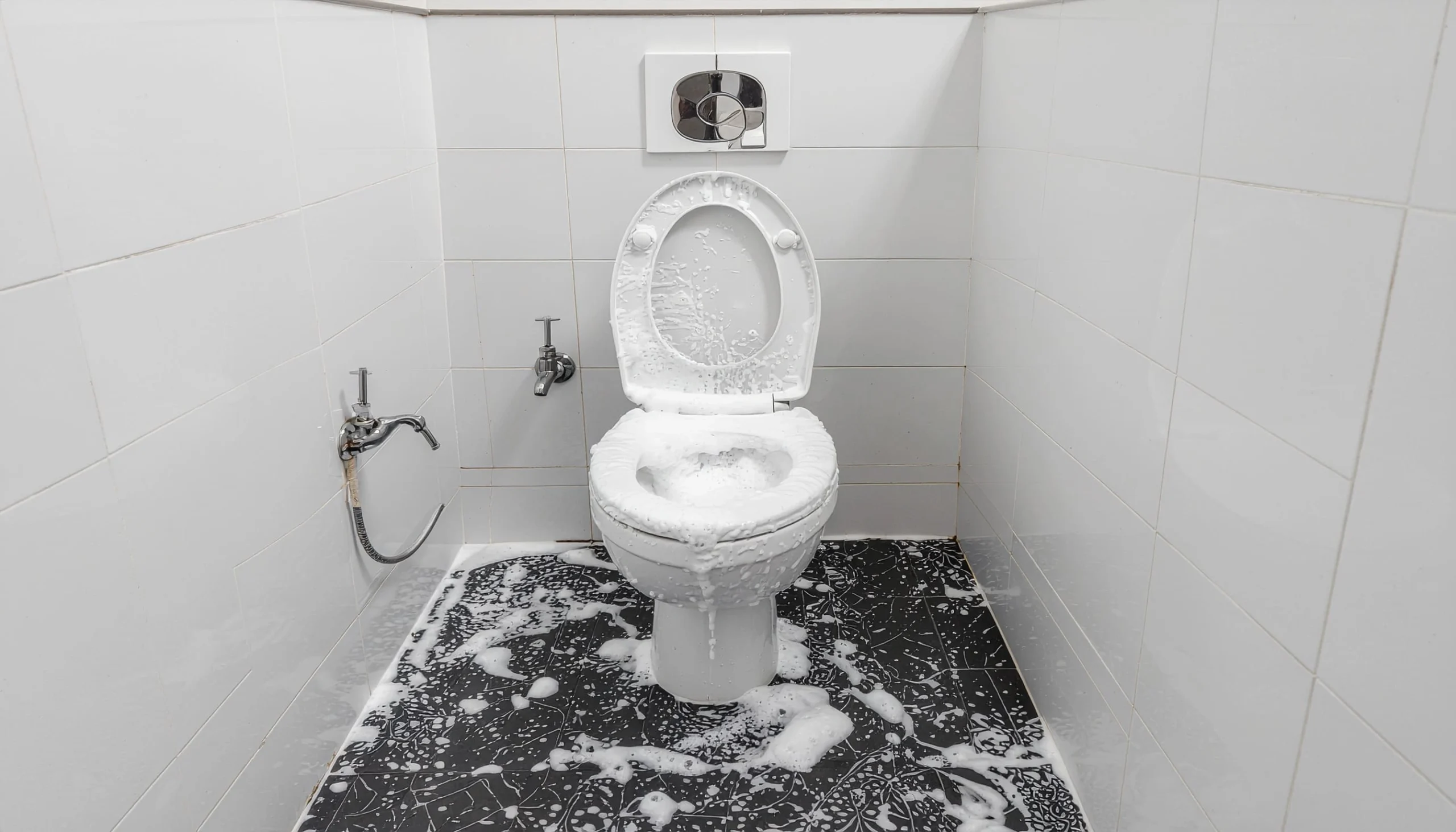
Public restrooms cop a hiding. Between the constant foot traffic, the moisture, and the nature of what happens in there, these spaces demand more than a quick wipe-down. They need a proper, intensive clean; one that tackles bacteria, eliminates odours, and restores surfaces to a genuinely hygienic state.
Foaming sanitisers have become the go-to solution for professional cleaners who understand that effective restroom hygiene is not just about what you can see. The foam clings to vertical surfaces, penetrates grout lines, and gives cleaning agents the contact time they need to actually work. Unlike spray-and-wipe products that run straight down the wall, foam stays put, and that is where the real cleaning happens. For businesses searching for effective commercial cleaning supplies perth, mastering this technique is an operational necessity.
Why Foam Works Better Than Traditional Cleaners
Think about how most people clean a toilet or tiled wall. They spray, they wipe, they move on. But here is the problem: most sanitisers need at least 30 seconds of contact time to kill bacteria effectively. Some require up to five minutes for full efficacy against viruses and fungi.
A standard spray cleaner hits the surface and immediately starts running. By the time you have grabbed your cloth, half the product has pooled at the base of the toilet or disappeared down the drain. You are simply not getting the kill time you need.
A quality foaming toilet cleaner solves this by creating a thick, stable foam that adheres to surfaces. The foam structure increases surface coverage dramatically. You are not just hitting the high points; you are coating every contour, every grout line, and every hidden corner where bacteria thrive.
We have seen this play out in commercial settings time and again. Take Sarah, a cafe owner in Fremantle who was constantly battling toilet bowl stains and that unmistakable restroom smell, despite daily cleaning. The issue was not effort; it was method. Once her team switched to a commercial microfibre system paired with a proper foaming sanitiser, the difference was immediate. The foam gave the active ingredients time to break down organic matter and kill odour-causing bacteria, rather than just masking the problem.
The Science Behind Contact Time
Here is what actually happens when you apply a sanitiser. The active ingredients, typically quaternary ammonium compounds or hydrogen peroxide-based solutions, need to penetrate the cell walls of bacteria and viruses. This is not instant. It is a chemical process that requires time and consistent contact.
When foam sits on a surface, it maintains a wet environment. The tiny bubbles create thousands of contact points across an irregular surface, ensuring the sanitiser reaches into porous materials like grout and aged ceramic. As the foam slowly breaks down, it continues releasing active ingredients rather than evaporating or running off.
Professional-grade commercial cleaning supplies are formulated with surfactants that control foam stability. Too much foam and it doesn’t break down properly. Too little and you have just got a runny liquid. The right balance gives you 3-5 minutes of active contact time, enough to achieve genuine sanitisation, not just surface cleaning.
Application Technique: Toilets
Start with the bowl rim and work systematically. Apply foam generously under the rim where calcium deposits and bacteria accumulate. Do not be stingy; you want complete coverage.
Let the foam work its way down the bowl naturally. While it is doing its job, move to the exterior surfaces: the tank, the seat (both sides), the base, and that often-neglected area where the bowl meets the floor.
Here is a critical point many people miss: sequence matters. Always work from cleanest to dirtiest. That means starting with the tank and working toward the bowl interior. Use separate cloths or disposable wipes for the seat and the base. Cross-contamination defeats the entire purpose of sanitising.
After 3-5 minutes (check your product’s specified contact time), agitate the bowl with a long handled toilet brush that can easily reach under the rim. The foam will have loosened deposits and killed bacteria, but mechanical action is still needed to remove them physically.
Wipe down exterior surfaces with a clean microfibre cloth. The foam should have broken down enough that wiping is easy, but if there is any residue, a quick rinse with clean water sorts it out.
Tackling Tiled Walls and Grout
Bathroom tiles present a different challenge. The glazed surface of the tile itself is relatively non-porous, but grout is another story entirely. Grout is porous, absorbent, and a perfect home for mould, mildew, and bacteria.
Standard spray cleaners hit the tile and roll straight down, barely touching the grout. Foam, however, settles into the slightly recessed grout lines and stays there. This is where foaming sanitisers truly shine.
Apply foam to tiled walls in sections, working from top to bottom. Do not try to do an entire wall at once; you want to maintain that critical contact time. A 2-3 square metre section is manageable and ensures you are not rushing. If working on high tiled areas, an extension pole attached to a compatible grout brush allows you to agitate the foam safely from the ground.
For heavily soiled grout, apply a second layer of foam after the first application. The first pass breaks down surface contamination and begins killing bacteria. The second pass penetrates deeper into the porous grout structure.
Stubborn staining in grout often indicates deep-set mould or mineral deposits. In these cases, mechanical action helps. A grout brush with stiff nylon bristles works the foam into the grout while the sanitiser is still active. You are combining chemical and physical cleaning for maximum effect.
After the appropriate contact time, rinse with clean water. A hand-held shower head makes this easier, but a bucket and sponge work fine. The goal is to remove loosened soil and residual product without leaving streaks.
Dealing With Hard Water and Mineral Buildup
Perth water is notoriously hard. Calcium and mineral deposits build up quickly on toilet bowls, shower screens, and tiled surfaces. These deposits are not just unsightly; they create rough surfaces where bacteria can anchor more easily.
Foaming sanitisers with acidic formulations handle light mineral deposits, but for heavy buildup, you need a targeted approach. Apply the foam, let it work, then follow with a descaling product if necessary. Never mix chemicals. Complete one application, rinse thoroughly, then apply the second product.
For ongoing maintenance, weekly use of a foaming toilet cleaner prevents deposits from becoming entrenched. It is far easier to maintain a clean surface than to restore one that has been neglected for months.
Safety Considerations and PPE
Professional cleaning products are more concentrated and more effective than consumer-grade alternatives, but they also require proper handling. Always wear gloves when working with foaming sanitisers. Nitrile gloves offer better chemical resistance than standard latex.
Ensure adequate ventilation. Open windows or run exhaust fans. Even products with pleasant fragrances contain active ingredients that shouldn’t be inhaled in enclosed spaces.
Never mix cleaning products. Combining different chemicals can create dangerous reactions. If you are using multiple products in sequence, rinse thoroughly between applications.
Read the technical data sheet, not just the label. Professional commercial cleaning supplies perth come with detailed safety information and usage instructions. Following manufacturer guidelines is not just about effectiveness; it is about workplace safety.
Equipment That Makes the Job Easier
The right tools transform a tedious job into an efficient one. A cleaning hand caddy keeps your sanitiser, secondary long handled toilet brush, cloths, and gloves organised and accessible. You are not making multiple trips to a supply cupboard.
Microfibre cloths outperform cotton rags dramatically. They are more absorbent, they do not leave lint, and they are more effective at trapping bacteria rather than just spreading them around. Conclude on the importance of colour-coding cloths to stop cross-contamination across your facility.
Maintenance Schedules: Daily vs. Deep Clean
Daily cleaning maintains appearance and basic hygiene. It is the quick once-over that keeps things presentable. But daily cleaning isn’t deep bathroom cleaning, and confusing the two leads to problems.
A proper deep clean with foaming sanitisers should happen weekly in high-traffic commercial restrooms, fortnightly in moderate-use facilities, and monthly in low-traffic settings. This intensive process addresses the contamination that daily maintenance doesn’t reach. Integrating a microfibre mop head for the floor component ensures that bacteria isn’t simply spread back onto freshly sanitised baseboards.
During this process, you are not just wiping visible surfaces. You are treating every surface systematically, ensuring proper contact time, and physically removing built-up soil and bacteria. It takes longer, but it is the difference between a restroom that looks clean and one that actually is sanitary.
When Foam Isn’t Enough
Sometimes you encounter problems that require more than sanitiser. Persistent odours despite regular cleaning often indicate issues with plumbing. Sewer gases escaping through dry P-traps or failing wax seals require mechanical fixes. No amount of surface cleaner rectifies that.
Heavy mould growth in grout might require remediation beyond cleaning. If mould has penetrated deeply into porous materials, surface treatment will not eliminate it. Professional assessment and possible regrouting might be necessary.
Damaged surfaces, such as cracked tiles, chipped porcelain, or failing sealant, compromise hygiene no matter how well you clean. These issues create harbourage points for bacteria and make effective cleaning impossible. Address structural problems before investing time in deep bathroom cleaning.
Choosing the Right Product
Not all foaming sanitisers are created equal. Consumer-grade products often prioritise fragrance and convenience over genuine sanitising power. They smell nice, and they foam impressively, but they do not deliver the kill rates or contact time that professional products achieve.
When selecting a foaming toilet cleaner or long handled toilet brush for your team, look for products with clear efficacy data. Reputable manufacturers provide information about what organisms their sanitiser kills and at what concentration. If a product doesn’t specify this information, that is a red flag for a facility manager.
pH matters. Acidic foaming cleaners excel at mineral deposits and soap scum. Alkaline formulations handle organic matter and grease better. For general restroom use, a neutral to slightly acidic pH offers the best balance, delivering effective sanitising without damaging surfaces over time.
The Real Cost of Cutting Corners
Cheap cleaning products seem like an easy saving until you calculate the actual cost. Think of it like buying a cheap, gas-guzzling vehicle; the upfront price is low, but the daily running costs slowly bleed your budget. You use more product per application because it is less concentrated. You clean more frequently because it is less effective. You replace surfaces sooner because harsh formulations or inadequate cleaning accelerate wear.
A facility manager for a chain of Perth medical clinics once told us they had been buying bulk discount bathroom cleaner for years. When they finally switched to professional commercial cleaning supplies from Weskleen Supplies, their cleaning time dropped by 30 percent and their product usage dropped by 40 percent. The per-litre cost was higher, but the per-clean cost was dramatically lower.
More importantly, hygiene audit results improved. That is not just about appearances. In healthcare and hospitality settings, it is about compliance and public safety. Why would you compromise health for the appearance of savings? The right products do not cost more; they cost less where it actually matters.
Conclusion
Effective deep bathroom cleaning isn’t complicated, but it does require the right approach and the right products. Foaming sanitisers deliver what standard cleaners cannot: extended contact time, thorough coverage, and genuine sanitisation rather than just visual surface cleaning.
The technique matters just as much as the product. Systematic application, appropriate contact time, proper mechanical action, and thorough rinsing transform a routine task into genuinely effective hygiene maintenance. Whether you are managing a busy commercial facility or upgrading your corporate maintenance protocols, use tools designed specifically for the rigorous demands of your environment.
If you are ready to upgrade from consumer-grade products to reliable commercial cleaning supplies perth, Weskleen Supplies provides the exact equipment and chemicals that professionals rely on. To discuss your facility’s specific hygiene challenges or get technical advice on the best solutions, contact our team on 1800 728 926 today.