


Blog
Rim Toilet Brush vs Standard: Which is Better for Commercial Restroom Cleaning

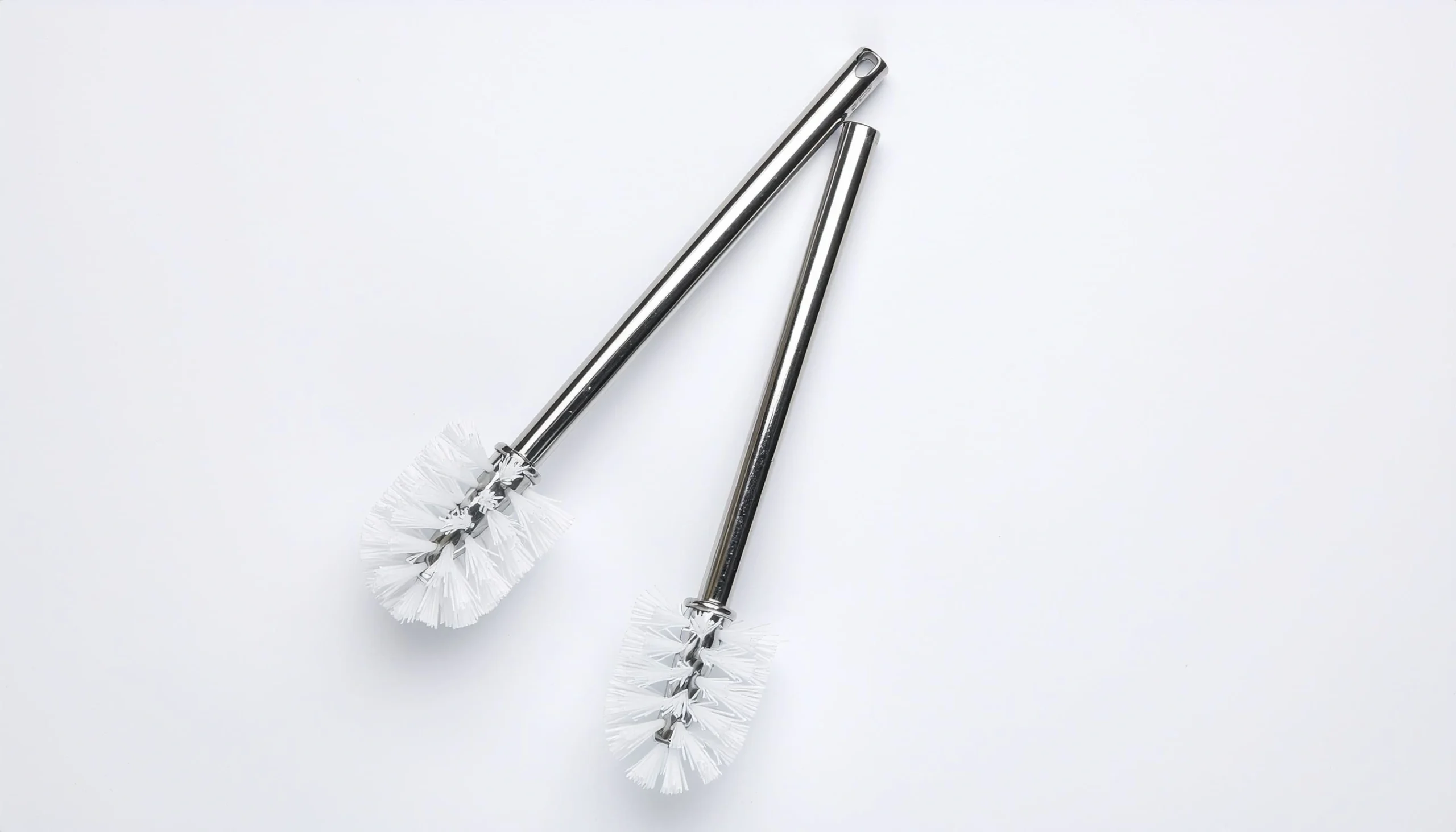
Daily maintenance of public facilities requires a deep understanding of surface hygiene and pathogenic control. Restrooms, in particular, represent the most critical zones for infection control and user satisfaction within commercial, educational, or corporate facilities. While high-frequency touchpoints like door handles and tap mixers receive substantial attention, the baseline sanitation of toilet bowls remains the ultimate benchmark of facility hygiene. Poorly maintained sanitary ware not only compromises public health but also damages the overall reputation of an organisation, making the choice of maintenance tools a key operational decision.
At the heart of daily sanitation routines is a surprisingly complex piece of manual equipment: the toilet brush. For decades, the standard toilet brush has been the default choice for janitorial teams. Its simple design is intended for general scrubbing of the main bowl surface, but it often struggles to address the complex architectural recesses of modern commercial toilets. As public expectations of hygiene continue to rise and regulatory standards for workplace safety become more stringent, the limitations of traditional tools are forcing a reassessment of basic cleaning inventory.
This has led to the widespread introduction of specialised scrubbing tools designed to target hard-to-reach areas of the fixture. The most notable alternative to the traditional design is a brush equipped with a dedicated, angled extension designed to clean the underside of the toilet bowl’s upper lip. Evaluating these two options requires looking beyond the initial purchase price to examine their physical efficacy, biological safety, and impact on labour productivity. Understanding the science of mechanical scrubbing is essential for any professional team seeking to optimise their daily maintenance schedules.
The Design Anatomy of Rim Brushes vs Standard Brushes
To understand why one design performs better than another, it is necessary to examine the physical architecture of both options. A standard toilet brush features a symmetrical, dome-shaped or semi-spherical head covered in stiff synthetic bristles. This uniform configuration is highly effective for cleaning the wide, exposed surface of the bowl where gravity and water flow naturally flush away loose soil. However, because the bristles are arranged in a static radial pattern, the operator must rely entirely on manual angling and physical pressure to force the brush into tighter contours.
For those tasked with managing high-traffic public toilets, partnering with a trusted local supplier like Weskleen Supplies ensures access to the specialised equipment necessary to maintain rigorous hygiene protocols. The rim toilet brush represents a major departure from the standard radial dome design. It incorporates an auxiliary, upward-pointing cluster of extra-stiff bristles positioned on the side of the main brush head. This specialised extension is shaped to hook perfectly into the inverted channel under the rim of the toilet bowl, allowing the user to clean the hidden flush ports and the surrounding porcelain with a single, sweeping motion.
This architectural difference has a direct, measurable impact on how physical force is transferred from the operator’s hand to the target surface. With a standard brush, the user must awkwardly twist their wrist and apply upward leverage to force the top bristles into the rim cavity. This awkward, repetitive motion not only reduces the cleaning pressure but also increases the risk of soapy, chemical-laden water splashing back onto the worker. As a result, workers often experience premature wrist fatigue during long shifts.
The Pathogenic Reality of Commercial Restroom Cleaning
In any high-traffic environment, toilets are primary vectors for the transmission of enteric pathogens, including norovirus, rotavirus, E. coli, and Salmonella. These microorganisms can easily survive on dry surfaces for days or even weeks over long periods if they are not thoroughly disinfected. When a toilet is flushed, the mechanical turbulence of the water creates a microscopic aerosol plume that can carry bacteria and viruses up to several metres, landing on walls, floors, and hand-drying areas. Maintaining a strict sanitation schedule is not just about visual appeal; it is a critical measure for public health.
This makes the process of commercial restroom cleaning a highly technical task that requires the right combination of chemical disinfection and mechanical scrubbing. The areas directly under the rim of the toilet bowl are particularly problematic because they are shielded from the direct mechanical flush of the water. Over time, these recesses collect mineral scale from the water supply, organic soil, and biological films. This mixture provides an ideal breeding ground for pathogens, which are then aerosolised with every flush, creating an ongoing contamination cycle that standard cleaning routines often fail to break.
To combat this biological hazard, professional cleaning crews must use advanced tools that allow them to physically disrupt the dense biofilm and remove the stubborn scale that protects these pathogens from chemical sanitizers. Relying on chemical sprays alone is fundamentally ineffective, as the structural recesses of the bowl prevent the sanitising solution from dwelling on the surface long enough to achieve a complete, high-level kill. This manual physical agitation remains the most critical primary line of defence.
The Physics of Scale and Biofilm Accumulation
The formation of scale under the toilet rim is a continuous process driven by the mineral content of the local water supply. In regions like Western Australia, where groundwater can be hard, calcium carbonate and magnesium deposits build up rapidly on porcelain surfaces. This mineral scale is not just an aesthetic issue; its rough, porous structure acts like a sponge, trapping organic waste and providing a secure anchor point for bacteria. Once a biofilm is established on this scale, it becomes highly resistant to standard neutral detergents.
To remove these stubborn deposits, operators must use a rim toilet brush to apply consistent, localised friction directly to the affected areas. Standard brushes, with their wide, rounded heads, cannot apply the targeted pressure needed to scrape away hardened scale from the narrow rim channel. The auxiliary bristle extension of a specialised brush, however, concentrates the physical force of the scrub onto a much smaller surface area. This increased pressure per square centimetre allows the bristles to break up the mineral crust and expose the underlying bacteria to the cleaning solution.
Furthermore, the flush ports located under the rim are critical for the proper operation of the toilet. When these ports become clogged with scale and biological growth, the water flow is restricted, reducing the mechanical efficiency of the flush. This can lead to incomplete waste removal and a higher accumulation of soil in the lower bowl, requiring more frequent and aggressive cleaning cycles. By establishing a proactive maintenance plan that addresses scale before it hardens, facilities can significantly extend the lifespan of their sanitary fixtures.
Comparing Mechanical Action and Bristle Geometry
The effectiveness of any manual scrubbing tool is determined by the physical properties of its bristles and their spatial arrangement. Bristle thickness, length, flexibility, and density all play a role in how the tool interacts with the soil and the surface. For commercial applications, where tools are used multiple times a day across dozens of fixtures, the durability of the bristles is a primary consideration. Cheap, soft bristles will quickly bend and lose their shape, rendering the brush ineffective and increasing the cost of consumables.
When selecting professional tools, it is beneficial to explore the range of commercial brushware and buckets designed to withstand the rigours of industrial use. A standard round brush typically utilises medium-stiffness bristles that are suitable for broad, sweeping strokes. While this works well for the open curves of the lower bowl, it lacks the rigidity needed to scrape away the tightly bound organic deposits found in the upper recesses. The physical geometry of the round head also means that only a small fraction of the bristles make contact with the surface at any one time, wasting much of the operator’s energy.
In contrast, a rim toilet brush is engineered with a dual-level bristle configuration. The main head handles the general scrubbing of the bowl, while the angled side extension features shorter, thicker bristles with a higher level of stiffness. This specialised geometry ensures that when the brush is inserted into the rim, the specialised bristles are already compressed against the surface, maximising the surface area of the contact zone. This design delivers superior physical performance on every shift.
Maximising Efficiency in High-Traffic Restrooms
In the professional cleaning industry, labour represents the single largest operational expense, often accounting for more than eighty percent of the total maintenance budget. Any tool or protocol that can reduce the time required to complete a task without compromising the quality of the result is highly valuable. For facility managers looking to optimise their operations, improving efficiency during commercial restroom cleaning is a primary metric that directly impacts profitability and resource allocation.
To achieve maximum efficiency, janitorial teams must be equipped with essential washroom products that streamline their daily workflows. When an operator uses a standard round brush to clean a toilet, they must perform multiple movements to cover the entire fixture. They scrub the bowl, then try to angle the brush upward to reach under the rim, and then often have to use a separate small hand tool or cloth to finish the job. This multi-step process is slow, physically taxing, and often yields inconsistent results depending on the dedication of the individual worker.
By utilising a rim toilet brush, the cleaning process is simplified into a single, continuous routine. The specialised bristle extension cleans the hidden recesses while the main head scrubs the lower bowl, allowing the operator to complete a thorough clean in a fraction of the time. This reduction in steps not only speeds up the daily cleaning cycle but also ensures that the hard-to-reach areas are never skipped due to fatigue or time constraints, leading to a consistently higher standard of hygiene across the entire facility. This improves overall service standards and increases public tenant satisfaction.
Ergonomic Benefits and Reducing Operator Strain
The physical strain of daily cleaning tasks is a major contributor to workplace injuries and absenteeism in the commercial janitorial sector. Repetitive movements, awkward postures, and the continuous application of force can lead to musculoskeletal disorders of the wrist, shoulder, and back. Standard toilet brushes, with their short, straight handles, require the operator to bend deeply over the fixture and twist their wrist to achieve the leverage needed to clean under the rim.
Drawing on our years of industry experience as cleaning contractors, we understand that ergonomic tool design is essential for protecting the health of your team while maintaining productivity. Modern professional brushes feature longer, ergonomically curved handles with non-slip grips that allow the operator to maintain a more upright posture during use. When this physical design is paired with an angled bristle head, the physical effort required to apply pressure to the hidden areas of the bowl is reduced by up to forty percent.
This reduction in physical strain is particularly important for workers performing commercial restroom cleaning over long, multi-fixture shifts. When a tool is easy and comfortable to use, the operator is more likely to maintain a high quality of work from the first toilet to the last. Ergonomic tools also reduce the risk of repetitive strain injuries, helping businesses retain experienced staff and reduce the costs associated with injury claims. This simple change in physical equipment design is an effective way to improve the safety profile of your daily janitorial operations, leading to better team morale and lower turnover rates.
Hygiene Control and Preventing Chemical Splashback
The process of cleaning a toilet bowl inevitably involves the use of aggressive chemical formulations designed to dissolve mineral deposits and disinfect organic waste. While these chemicals are highly effective, they also present significant safety risks to the operators using them. Skin irritation, chemical burns, and eye damage are potential hazards if the cleaning solution splashes out of the bowl during the mechanical scrubbing process.
To minimise these risks, operators must pair their tools with professional cleaning chemicals that are designed to cling to the porcelain, reducing the need for aggressive, splashing strokes. The choice of brush also plays a key role in splash control. When using a standard round brush under the rim, the operator must apply upward leverage, which often causes the bristles to bend and then snap back aggressively as they slide out of the channel. This snapping motion acts like a catapult, flinging tiny droplets of contaminated chemical solution out of the bowl and toward the worker.
The design of a rim toilet brush significantly reduces this snapping effect. Because the auxiliary bristle cluster is angled to fit the channel naturally, the bristles slide smoothly along the underside of the rim without catching or bending excessively. This smooth mechanical movement allows for a thorough clean with minimal friction resistance, keeping the chemical solution contained within the bowl. By protecting your workers from direct exposure to harmful chemical droplets, you can maintain a safer working environment and ensure full compliance with occupational health and safety standards for all your staff throughout Western Australia.
Long-Term Equipment Cost and Capital Efficiency
For facility managers, selecting equipment for commercial restroom cleaning is an ongoing expense that must be managed with a focus on long-term value. While it is tempting to purchase the cheapest standard brushes available to minimise initial costs, this approach often leads to higher expenses over time. Cheap plastic brushes degrade rapidly under the influence of harsh chemicals and mechanical stress, requiring frequent replacement and generating unnecessary waste.
When evaluating the financial impact of your supply choices, look at the overall cost-per-use of the equipment. A premium brush constructed from chemically resistant plastics and high-grade nylon bristles will easily outlast multiple cheap alternatives. The bristle wear rate is much lower, meaning the brush maintains its cleaning efficiency for months of daily service. This longevity reduces the administrative overhead of ordering and distributing replacements, while ensuring your team always has the tools they need to perform at their best.
Furthermore, the use of targeted tools prevents costly damage to the fixtures themselves. Using an inappropriate, abrasive pad or a cheap brush with a metal wire core to clean under the rim can scratch the protective glaze of the porcelain. Once this glaze is damaged, the surface becomes porous and stains much faster, leading to a permanent decline in the appearance of the bowl and eventually requiring premature replacement. Investing in durable, professionally engineered scrubbing equipment is therefore a highly effective, proven way to protect your valuable long-term capital investments while maintaining the high standards expected by your building’s tenants.
Conclusion
Establishing professional protocols for commercial restroom cleaning in modern facilities requires a commitment to quality, efficiency, and worker safety. The choice between a standard dome brush and a specialised design is not merely a matter of personal preference; it is a strategic decision that directly impacts the hygiene standards of your restrooms and the productivity of your team. While standard brushes remain useful for basic, flat-surface cleaning, they lack the mechanical capability to address the hidden pathogenic reservoirs that accumulate under the rim of the toilet bowl.
For businesses seeking to elevate their hygiene protocols, incorporating an angled, specialised rim-cleaning brush into their standard cleaning kits is a proven way to achieve a deeper, more consistent clean with less water and effort. By providing targeted mechanical action where it is needed most, these specialised tools ensure that your facilities remain safe, welcoming, and fully compliant with modern workplace health standards. It is an investment in quality that pays immediate dividends in the form of faster cleaning cycles and improved staff satisfaction.
To optimise your restroom maintenance program and discover the ideal tools for your specific facility profile, partner with the experienced team at Weskleen Supplies today. We are dedicated to providing the high-performance solutions, technical advice, and ongoing maintenance support you need to keep your commercial property looking its absolute best. For personalised recommendations or to discuss your customised bulk volume supply requirements, call 1800 728 926 and speak with one of our friendly commercial hygiene specialists today for dedicated, professional assistance in WA.