


Blog
Cleaning Products Safe for Elderly Residents: What to Look For

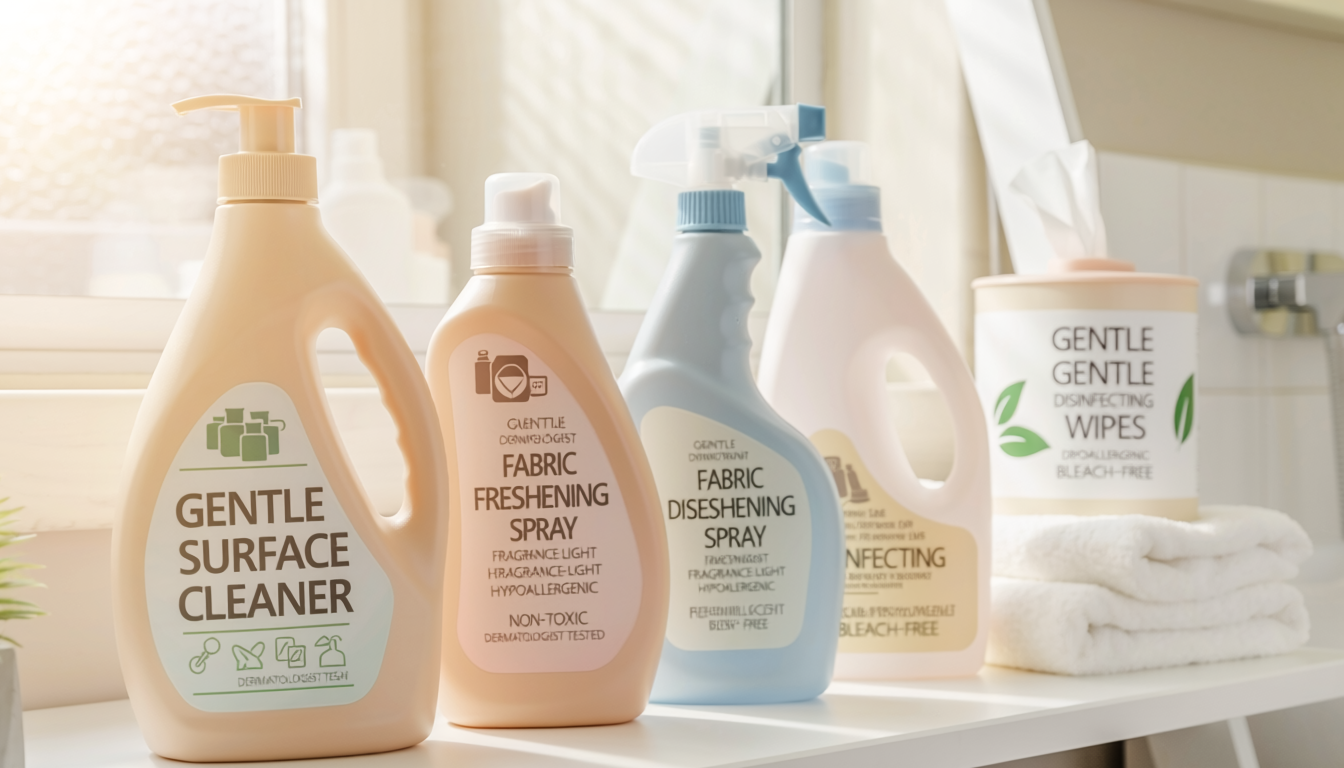
Managing the environment for elderly residents requires a distinct shift in mindset from standard commercial cleaning. As the body ages, its natural defences, skin thickness, lung capacity, and immune response, weaken significantly. A cleaning regime that is perfectly acceptable for a corporate office or a gym can pose serious health risks in an aged care facility or retirement village. Weskleen Supplies advocates for a safety-first approach, where the selection of elderly-safe cleaning products is treated with the same rigour as clinical care decisions.
The goal is to maintain a clinical level of hygiene without creating a sterile, chemically aggressive environment. Facility managers must navigate the intersection of infection control and resident comfort, ensuring that the very products used to protect residents do not become a source of harm.
The Respiratory Reality: Why VOCs Matter
Respiratory distress is a leading cause of hospitalisation among the elderly. Conditions such as Chronic Obstructive Pulmonary Disease (COPD), emphysema, and age-related asthma make residents incredibly sensitive to airborne irritants. Standard commercial cleaning agents often rely on Volatile Organic Compounds (VOCs) to evaporate quickly and leave a streak-free shine. While efficient, these compounds release fumes that can linger at floor and bed height, exactly where less mobile residents breathe.
Understanding Lung Fragility
Think of the lungs like a filtration system. In a young, healthy person, the filter is robust and can handle occasional exposure to strong fumes like bleach or ammonia. In an elderly resident, that filter is often compromised, functioning more like a saturated sponge. It cannot easily process or expel toxins.
Consequently, using a standard window cleaner with high ammonia content in a resident’s room can trigger a coughing fit or respiratory episode that lasts for hours. Switching to an ammonia-free glass cleaner removes this trigger. These formulations use safer surfactants to cut through grease and fingerprints without releasing acrid fumes, preserving indoor air quality and resident comfort.
The “Clean Smell” Myth
There is a dangerous misconception that a room is not clean unless it smells strongly of lemon, pine, or bleach. In aged care, a strong smell often indicates the presence of masking agents, chemicals designed to cover up odours rather than remove them. These artificial fragrances are frequently derived from petrochemicals and are known respiratory irritants.
We recommend enzyme-based cleaners for odour control. These bio-enzymatic products digest the organic matter causing the smell (such as urine or food spills) rather than masking it. The result is a truly neutral-smelling environment that does not assault the senses or the lungs of vulnerable residents.
Skin Integrity and Chemical Burns
One of the most visible signs of ageing is the thinning of the epidermis. Elderly skin loses its elasticity and fatty layer, becoming as fragile as wet tissue paper. This fragility means that contact with harsh surfaces or chemicals can cause tears, rashes, and dermatitis much faster than in younger adults.
The Dangers of High pH
Many industrial degreasers and bathroom cleaners have a high pH (alkaline) to melt away fats and soap scum. If these products are not rinsed perfectly, they leave a microscopic residue on surfaces. When a resident rests their bare arms on a dining table or sits on a toilet seat with this alkaline residue, it slowly attacks the skin’s acid mantle.
Over time, this exposure leads to red, itchy, and inflamed skin, often misdiagnosed as an allergy or eczema. Using pH-neutral cleaning solutions for all high-touch surfaces prevents this chemical erosion. A neutral cleaner lifts soil without altering the chemical balance of the surface, ensuring that handrails, tables, and chairs remain safe to touch.
Fall Prevention Through Chemical Management
Falls are catastrophic in the elderly population, often leading to a decline in independence. While loose rugs and poor lighting are common culprits, the cleaning regime plays a massive, often overlooked role in fall prevention.
The Invisible Hazard of Residue
A major contributor to slip-and-fall incidents is chemical residue. “Polishing” products or floor cleaners containing optical brighteners leave a film on the floor to make it look shiny. While aesthetically pleasing, this film can become incredibly slippery when exposed to even a drop of moisture from a spill or humid weather.
Facilities must prioritise a non-slip floor finish that focuses on traction rather than gloss. This often involves using a “residue-free” floor cleaner that completely evaporates or is fully removed during the mopping process. We recommend using a high-quality microfibre mop head which mechanically lifts dirt and moisture from the floor pores, rather than spreading a chemical solution around.
Mechanical vs Chemical Cleaning
Reducing the volume of liquid on the floor is critical. Traditional wet mopping leaves floors dangerous for 15 to 30 minutes. Switching to damp microfibre mopping or using a Polystar Orbital Floor Scrubber allows for deep cleaning with minimal water usage. The orbital action agitates the dirt out of the floor’s texture, restoring the natural grip of the vinyl or tile, and leaving the floor dry and safe almost immediately.
Bathroom Hygiene: Avoiding the Acid Trap
Ensuites in aged care facilities are critical zones for hygiene, but they are also confined spaces where chemical risks are amplified. The standard approach to removing soap scum and body fats involves harsh acidic descalers. While effective at dissolving mineral deposits, these acids pose two distinct threats in an elderly care setting.
Firstly, harsh phosphoric or hydrochloric acids can etch the surface of anti-slip tiles. Over time, this chemical erosion smoothes out the microscopic texture that provides grip, rendering a “safe” bathroom dangerously slippery when wet. Furthermore, acidic cleaners damage cement-based grout, leading to loose tiles that become tripping hazards.
Secondly, the fumes generated by acidic cleaners in a small, warm shower cubicle are potent respiratory irritants. For a resident entering the bathroom shortly after cleaning, these lingering fumes can induce breathlessness. Implementing an acid-free bathroom cleaner, typically formulated with lactic or citric acid blends, effectively manages calcium buildup without compromising the floor’s slip rating or the resident’s breathing.
Soft Furnishing and Carpet Care
Carpets in aged care provide warmth and noise reduction, but they also act as a sink for allergens, dust mites, and moisture. The cleaning method used here directly impacts respiratory health. Traditional “wet shampooing” injects vast amounts of water into the pile. If this moisture is not extracted almost entirely, it settles into the underlay, creating an ideal breeding ground for mould spores.
For elderly residents with compromised immune systems, inhaling mould spores can lead to fungal pneumonia or severe allergic reactions. We advocate for low-moisture carpet cleaning protocols. This involves using high-performance extraction machines that recover 90% or more of the fluid injected.
Using equipment like the Steamvac HP Auto 2 Carpet Steamer ensures deep disinfection with minimal residual moisture. The powerful vacuum recovery leaves carpets dry enough to walk on within an hour, reducing both the mould risk and the slip hazard of residents transitioning from damp carpet to hard vinyl.
Dining Area Safety and Ingestion Risks
In dementia care and high-support units, the line between a “surface” and a “plate” is often blurred. Residents may place food directly on a table or tray before eating it. If that table has been wiped down with a heavy-duty industrial disinfectant that leaves a toxic residue, the resident is effectively ingesting small amounts of that chemical with every meal.
Kitchen and dining areas require a food-grade surface sanitiser. These products are formulated to be safe even if incidental contact with food occurs. They typically use high-purity alcohol or specific quaternary ammonium compounds that evaporate cleanly.
It is also vital to understand “Quat Binding.” If staff use cotton cloths with quaternary sanitisers, the cotton fibres can absorb the active killing agent, meaning the liquid being wiped onto the table is just water. Using proper microfibre or disposable wipes ensures the sanitiser actually reaches the surface to kill pathogens like Norovirus or Listeria.
Cognitive Safety and Visual Clarity
For residents living with dementia or cognitive decline, the cleaning environment presents specific safety challenges. Brightly coloured liquids can be mistaken for cordial or juice. Leaving a chemical bottle unattended for even thirty seconds can lead to accidental ingestion.
Colour-Coding and Security
Implementing a strict system of colour-coded cleaning equipment serves a dual purpose. Firstly, it prevents cross-contamination (ensuring bathroom germs don’t end up in the kitchen). Secondly, it provides a clear visual cue for staff.
- Blue: General areas (low risk)
- Red: Bathrooms (high risk)
- Green: Kitchens (food safety)
- Yellow: Clinical areas
However, the most critical safety step is secure storage. All chemicals should be kept in locked cupboards or dispensed via lockable dosing units. Never allow staff to “decant” bulk chemicals into unlabelled water bottles, a practice that is both illegal and potentially fatal in a dementia care setting.
Laundry Protocols for High-Care Needs
Laundry is a constant operation in aged care, dealing with linens, personal clothing, and the realities of incontinence. The challenge is to sanitise heavily soiled items without using harsh caustics that remain in the fabric.
Standard laundry powders can leave undissolved crystals or alkaline salts in sheets and clothing. When a resident lies in bed for extended periods, this residue reacts with perspiration to irritate the skin, exacerbating pressure sores. Transitioning to a hypoallergenic laundry detergent or a liquid auto-feed system with a pH-neutralising sour in the final rinse is essential. This ensures that the linen returning to the resident is chemically neutral and soft, reducing friction and irritation risk.
Equipment and Staff Ergonomics
Finally, the safety of the residents depends on the efficiency of the staff. Cleaning in an aged care facility is physically demanding work. If staff are fatigued by heavy equipment, they may cut corners, leading to poor hygiene outcomes.
Investing in ergonomic cleaning tools, such as lightweight extension poles or backpack vacuums with proper harnesses, ensures that staff can clean thoroughly without injury. A cleaner using a Pacvac Superpro 700 Backpack Vacuum can move freely around furniture and obstacles, removing dust and allergens from high and low surfaces more effectively than someone dragging a heavy canister vacuum.
Building a Safe Ecosystem
Safety in an elderly care environment is the sum of a thousand small decisions. It is the choice to use an enzyme cleaner instead of bleach; the decision to strip the wax off a slippery floor; the protocol to lock away a spray bottle.
Take the case of Sunnyvale Care (name changed for privacy), a facility that struggled with recurring respiratory complaints in their high-dependency wing. They assumed it was a ventilation issue. Upon audit, we discovered the cleaners were using a heavy-duty chlorine-based mould remover in the bathrooms daily. By switching them to a mild organic acid wash and implementing better mechanical scrubbing, the chemical fumes vanished. Within two weeks, the night staff reported a dramatic drop in resident coughing episodes.
Review your chemical register today. Look for the hazard symbols. If your cupboard is full of “Corrosive” and “Toxic” labels, it is time to pivot to safer alternatives. If you need assistance selecting elderly-safe cleaning products or setting up a compliant hygiene system, contact us at Weskleen Supplies. We can help you protect the people who built our community.