


Blog
Aged Care Facility Hygiene Checklist for Perth Providers

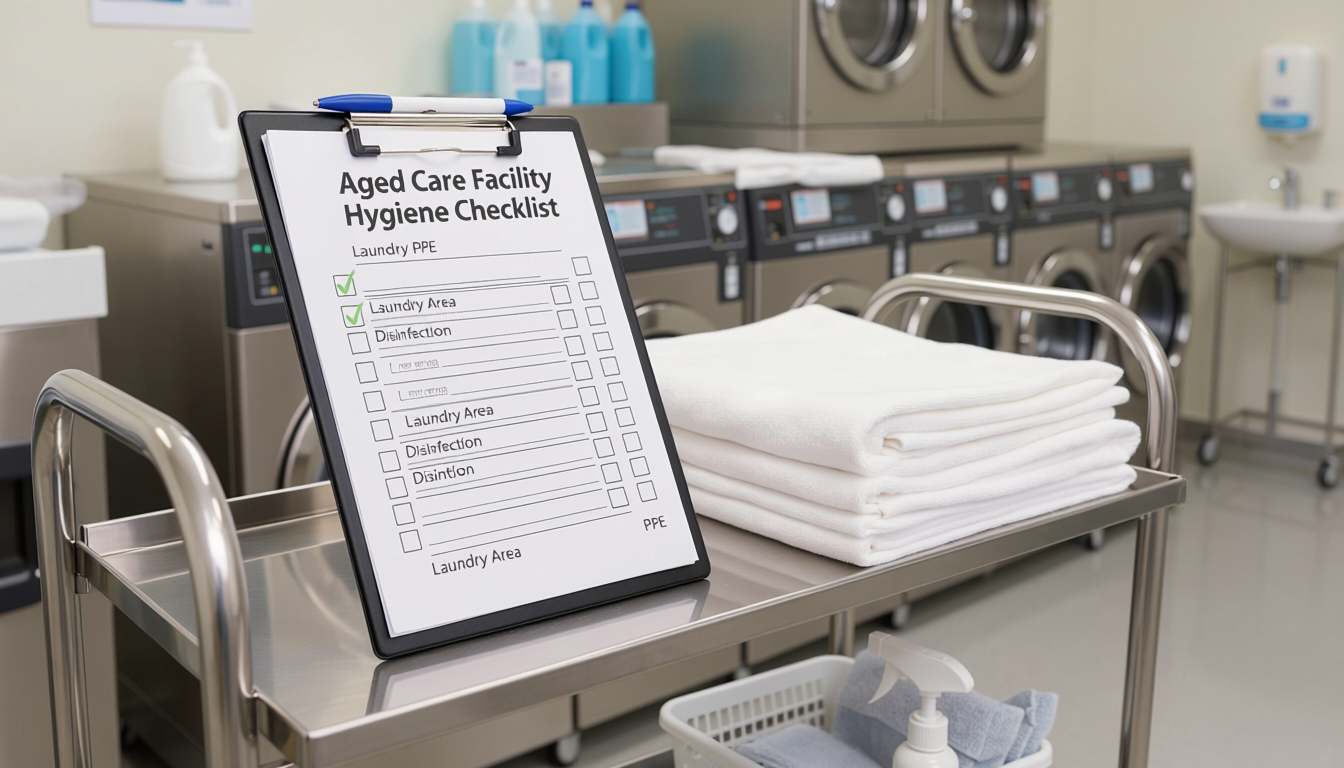
In the aged care sector, cleaning is not merely an aesthetic concern; it is a critical clinical intervention. For facility managers and contract cleaners in Perth, the stakes are incredibly high. Residents often have compromised immune systems, meaning a minor lapse in hygiene that might cause a cold in a healthy adult could lead to severe pneumonia or a life-threatening infection for an elderly resident.
This guide provides a comprehensive framework for maintaining environmental hygiene standards that meet and exceed the Aged Care Quality Standards. Weskleen Supplies partners with providers across Western Australia to ensure they have the knowledge and tools to protect their most vulnerable residents.
The Regulatory Landscape in WA
Aged care providers operate under intense scrutiny, and rightly so. The Aged Care Quality Standards, specifically Standard 3 (Personal Care and Clinical Care), explicitly link the safety of the service environment to resident outcomes.
Auditors do not just look at paperwork; they look at dust on top of wardrobes, stains on carpets, and the condition of cleaning equipment. In Western Australia, where dry heat can exacerbate dust issues and seasonal respiratory viruses travel quickly indoors, your cleaning regime is the first line of defence. Failing to maintain these standards can lead to sanctions, loss of accreditation, and, most devastatingly, harm to residents.
Breaking the Chain of Infection
To understand why we clean, you must understand the chain of infection. Pathogens (germs) need a reservoir (dirty surface), a mode of transmission (hands or equipment), and a susceptible host (the resident).
Think of a resident’s immune system like an old fortress where the walls have thinned over time. In their youth, the walls were high and thick, easily repelling invaders. Now, even a small breach can let the enemy through. Your role as a cleaner is to act as the external guard, neutralizing threats before they ever reach the gates.
Cleaning vs. Disinfection There is a distinct difference that must be understood:
- Cleaning: Removes visible soil and organic matter using detergent and water. This physically removes germs but does not necessarily kill them.
- Disinfection: Kills pathogens on a surface. Crucially, you cannot disinfect a dirty surface. If you spray disinfectant on a table covered in food crumbs, the chemical attacks the crumbs, not the bacteria beneath. You must clean first, then disinfect.
Critical Cleaning Zones
Not all surfaces are created equal. Your aged care hygiene checklist must prioritise areas based on the risk of pathogen transmission.
High-Touch Surfaces
These are the “superhighways” for bacteria. They are touched frequently by residents, staff, and visitors, often without hand hygiene in between.
- Nurse Call Buttons: Often overlooked but handled constantly.
- Bed Rails and Controls: High risk for faecal contamination.
- Door Handles and Push Plates: The primary transfer point for Norovirus.
- Walking Aids: Walking frames and wheel rims on wheelchairs transfer germs from room to room.
These surfaces require friction cleaning with a high-grade disinfectant at least twice daily, or more frequently during an outbreak.
Bathrooms and Ensuites
Ensuites are high-risk biohazard zones. The cleaning process must always flow from “clean to dirty”, starting near the door and finishing at the toilet, to avoid dragging contaminants back into the room. In Perth’s climate, bathrooms can also become hotbeds for mould if ventilation is poor. Regular scrubbing of grout lines and immediate reporting of leaking taps is essential to prevent moisture buildup.
Dining and Common Areas
Communal areas are where social interaction happens, but they are also where viruses spread. Tables must be cleaned and sanitised between every seating. Soft furnishings, such as armchairs in the lounge, require regular vacuuming and steam cleaning to remove dust mites and allergens that can irritate respiratory conditions.
Floor Care: Safety and Hygiene
Flooring in aged care presents a unique challenge: it must be clinically clean but also safe for residents with mobility issues. The balance between hygiene and slip resistance is critical.
Vinyl Maintenance Most modern facilities utilise vinyl in corridors and clinical areas. While durable, vinyl requires specific care to maintain its non-slip rating (typically R10 or higher).
- Stripping and Sealing: Over time, sealer wears down, becoming porous and trapping bacteria. A regular strip and seal programme is essential, but be wary of the finish.
- The Glare Factor: High-gloss finishes might look “clean” to a visitor, but for a resident with dementia, a shiny floor can look like water or a hole. This visual distortion can cause falls or anxiety. Always opt for a satin or matte finish sealer that provides protection without the high-risk glare.
Carpet Hygiene Carpets in resident rooms create a homely feel but act as sinks for odours and bacteria. Standard vacuuming is insufficient for incontinence management.
- Spot Cleaning: Immediate action is required for spills. Enzymatic cleaners are preferred here as they break down the proteins in urine rather than just masking the smell.
- Encapsulation vs Extraction: For maintenance, encapsulation cleaning (low moisture) allows the room to be back in use quickly, reducing trip hazards from wet floors. However, hot water extraction is mandatory for periodic deep cleans to remove embedded soil, provided drying times are managed carefully with air movers.
Laundry and Linen Management
Linen handling is a frequent vector for cross-contamination. Australian Standard AS/NZS 4146 sets the benchmark for laundry practices in health care.
The “Clean to Dirty” Flow Your laundry facility must have a physical separation between the “dirty” (soiled linen sorting) and “clean” (washing, drying, folding) areas. Airflow should move from clean to dirty to prevent airborne pathogens re-contaminating fresh sheets. Staff working in the dirty zone must not enter the clean zone without changing PPE and performing hand hygiene.
Handling Infectious Linen When a resident has a known infection (e.g., VRE, MRSA, or Gastro), their linen must never be sorted on the floor. It should be placed immediately into an alginate bag (dissolvable laundry bag) at the bedside. This bag goes directly into the washing machine without being opened, protecting laundry staff from exposure.
Thermal Disinfection Washing machines must be programmed to achieve thermal disinfection. This usually requires a wash cycle that maintains a temperature of 65°C for at least 10 minutes, or 71°C for 3 minutes. Chemical disinfection (using bleach or specific laundry sours) is an alternative for heat-sensitive fabrics, but thermal disinfection is the gold standard for killing pathogens.
Air Quality and HVAC Maintenance
In Western Australia, we battle two distinct air quality enemies: dry, dusty summers and damp, mould-prone winters. Poor air quality exacerbates respiratory conditions like COPD and asthma, which are common in aged care populations.
Dust Management “High dusting” is often the first thing neglected when staff are rushed. However, ceiling fans, air vents, and the tops of wardrobes accumulate dust laden with dead skin cells and mites. When the air conditioning is turned on, this dust is blasted into the room, and into residents’ lungs. A rigid schedule for high cleaning (e.g., monthly) is non-negotiable.
HVAC Hygiene Split system filters should be cleaned weekly in high-use areas. If you notice a musty smell when a unit is turned on, mould has likely colonised the barrel fan or drip tray. This requires a professional chemical clean. Do not rely on masking agents or air fresheners; if an aged care facility smells like “flowers,” it is often hiding the smell of urine or mould. A truly clean facility smells of nothing.
Outbreak Management Protocols
When gastro outbreak management becomes necessary, your cleaning procedures must shift gears immediately. The goal changes from maintenance to containment.
Step-Up Cleaning During an outbreak, the frequency of cleaning high-touch surfaces typically doubles or triples. You must switch to a disinfectant that is effective against non-enveloped viruses (like Norovirus). A robust foaming cleaner sanitiser is often recommended because the foam adheres to vertical surfaces, ensuring the chemical remains in contact with the pathogen long enough to kill it.
Terminal Cleaning Once an infectious resident has recovered or moved, the room undergoes a terminal clean. This is a forensic-level deep clean. Curtains are removed for laundering, all surfaces (including walls and ceilings) are disinfected, and carpet is steam cleaned. Nothing is left untouched.
Chemical Safety and Dilution
In the rush to get the job done, the “glug-glug” method of mixing chemicals is a dangerous habit. Guessing dilution ratios compromises safety and efficacy.
Under-Dilution vs Over-Dilution
- Too Weak: If you add too much water, the disinfectant won’t reach the required concentration to kill pathogens (Log reduction). You are essentially just wiping the surface with dirty water.
- Too Strong: Excessive chemical concentration leaves a sticky residue that actually attracts more dirt (biofilm). Worse, it releases Volatile Organic Compounds (VOCs) that irritate residents’ airways and can cause chemical burns to staff.
Automated Dosing The safest solution is wall-mounted automated dosing units or “smart” bottles that dispense the exact ratio required. This removes human error and ensures that the pH level remains appropriate for the surface, extending the life of your vinyl and fixtures.
Waste Management Protocols
Proper segregation of waste is a key component of infection control and environmental responsibility. Mixing waste streams is illegal and dangerous.
- General Waste (Dark Green/Black): Non-contaminated items, office paper, food wrappers.
- Clinical Waste (Yellow): Any waste that has the potential to cause infection, such as dressings heavily soiled with blood, or catheter bags. This must be incinerated or chemically treated by a licensed contractor.
- Cytotoxic Waste (Purple): Waste related to chemotherapy treatment. This is highly toxic and requires specialised handling.
- Sharps: Needles and scalpels must go immediately into rigid, puncture-proof containers. Never leave a sharp on a tray or bedside table.
Cleaning staff must be trained to recognise these streams. If a cleaner finds a syringe in a general waste bin, they must know the protocol for reporting this “near miss” incident.
Equipment and Chemical Selection
The tools you use determine the efficacy of your work. Using a dirty mop to clean a floor is simply spreading bacteria around.
Colour-Coding is Mandatory To prevent cross-contamination prevention, you must adhere to a strict colour-coding system, typically:
- Red: Toilets and bathrooms (high risk).
- Blue: General areas (low risk).
- Green: Kitchen and food service.
- Yellow: Infectious areas.
Using a dedicated 16L mop bucket for general areas ensures that the bucket used in a bathroom never enters a dining room.
Noise Sensitivity Aged care residents, particularly those with dementia, can be easily distressed by loud noises. Standard commercial vacuums can trigger anxiety or aggression. Where possible, use equipment designed for quiet operation. A battery-powered sweeper allows for effective debris removal in dining areas while residents are present, without the disruption of a trailing cord or a roaring motor.
Documentation and Audit Readiness
In the eyes of the Aged Care Quality and Safety Commission, “if it isn’t written down, it didn’t happen.” You can have the cleanest floors in Perth, but without documentation, you will fail Standard 3.
Essential Logs
- Cleaning Schedules: Sign-off sheets for daily, weekly, and periodic tasks, initialled by the cleaner and verified by a supervisor.
- Safety Data Sheets (SDS): A current folder (physical or digital) of SDS for every chemical on site.
- Training Registers: Evidence that every staff member has been trained in hand hygiene, chemical handling, and infection control within the last 12 months.
- Outbreak Logs: Specific records of “step-up” cleaning times during an infection event.
Regular internal audits, where a manager walks the floor with a UV light or a white glove, demonstrate to external auditors that you have a system of continuous improvement (Plan, Do, Check, Act).
Practical Example
Consider Gary, a contract cleaner at a facility in Fremantle. During his morning round, he noticed that several residents in the ‘Banksia Wing’ were declining morning tea. While this wasn’t strictly his job to monitor, he noted that the shared bathroom in that wing had been used more frequently than usual.
Gary immediately alerted the Registered Nurse and initiated a precautionary “infectious clean” of that bathroom before being asked. He switched to yellow PPE and used a higher concentration disinfectant. Two hours later, the facility confirmed a Gastro outbreak. Because Gary acted on his observation and implemented terminal cleaning procedures early, the outbreak was contained to just that one wing, rather than spreading to the entire facility. His proactive approach likely saved lives.
Your Daily Hygiene Checklist
Use this checklist as a baseline for your daily operations:
- [ ] Hand Hygiene: Staff washed hands/sanitised before entering the zone.
- [ ] High-Touch Points: Doorknobs, rails, and switches disinfected.
- [ ] Resident Equipment: Walkers and wheelchairs wiped down.
- [ ] Bathrooms: Toilets, sinks, and grab rails sanitised (Red zone).
- [ ] Floors: Vacuumed (HEPA filter) and mopped using correct colour code.
- [ ] Waste: Bins emptied (segregated correctly), liners replaced, bin exterior wiped.
- [ ] Linen: Soiled linen removed in sealed bags; clean linen stored off the floor.
- [ ] consumables: Soap and paper towel dispensers restocked.
- [ ] Verification: Supervisor signed off on the completed schedule.
Consistency is the key to safety. If you need to upgrade your facility’s cleaning capabilities with hospital-grade disinfectants or colour-coded equipment, please contact us to discuss your needs.