


Blog
First Impressions Matter: Entryway Cleaning Tips for Businesses

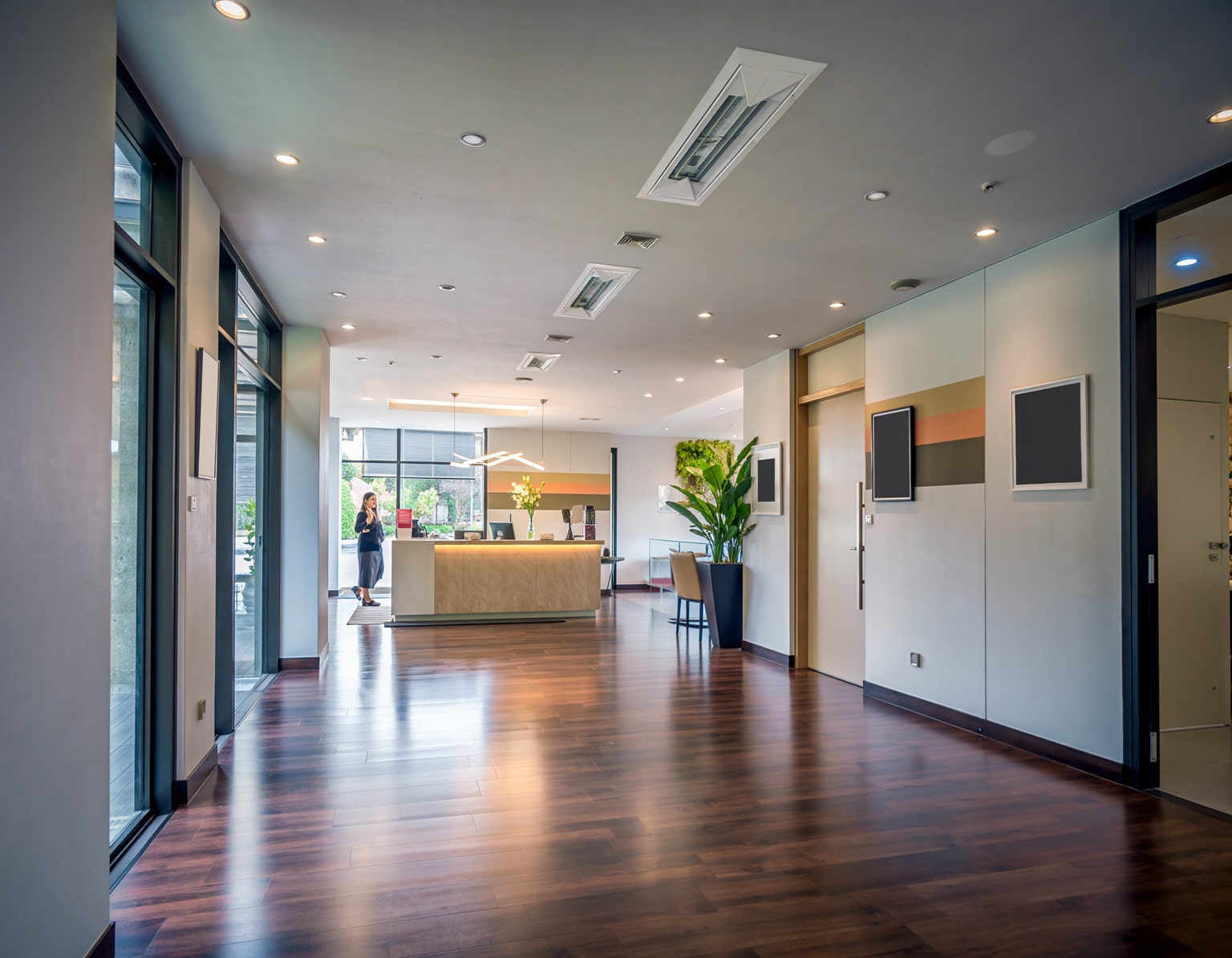
The entrance to your business gets more foot traffic than any other area. Every client, customer, and visitor forms an opinion within seconds of walking through that door. What they see – and sometimes what they smell – sets the tone for everything that follows.
We’ve worked with hundreds of businesses across Perth, from boutique hotels to medical centres, and the pattern is consistent. A spotless entryway signals professionalism and attention to detail. A grimy one, no matter how clean the rest of your facility might be, creates doubt. The challenge isn’t just understanding this principle. It’s maintaining that standard when you’re dealing with wet weather, constant foot traffic, and the reality that your entrance is essentially a dirt collection zone.
The science behind entryway cleaning tips isn’t complicated, but it requires a different approach than maintaining interior spaces. You’re dealing with outdoor contaminants meeting indoor surfaces, moisture management, and the physics of how dirt travels through a building. Get this right, and you’ll reduce cleaning costs throughout your entire facility. Get it wrong, and you’re fighting a losing battle against tracked-in debris.
The 3-Metre Rule
Research from facility management studies shows that approximately 80% of dirt in a building comes through the entrance. More specifically, dirt travels about three metres from the entry point before it stops being tracked further. This isn’t just interesting trivia – it fundamentally changes how you should approach entrance maintenance.
Your matting system needs to cover this critical zone. One thin mat at the threshold does almost nothing. We’ve seen businesses invest thousands in interior cleaning whilst ignoring this basic principle, then wonder why their carpets need replacing every few years.
The solution involves layered defence. Outside the entrance, you need a scraper mat that removes heavy debris and mud from shoe treads. Inside, an absorbent mat system that’s at least three metres deep captures moisture and remaining particles.
Think of it like a car wash: the first stage removes the bulk of the dirt, subsequent stages handle progressively finer cleaning.
Walk-off mats need replacing or professional cleaning every few weeks during high-traffic periods. A saturated mat becomes a dirt distributor rather than a dirt collector. You can test this by lifting the mat and checking the floor beneath. If there’s a dirt outline, your mat has exceeded its capacity.
Weather-Specific Protocols
Perth’s climate might be gentler than Melbourne’s, but we still face seasonal challenges that demand adjusted cleaning protocols. Winter brings rain, and rain brings moisture management problems. Summer creates dust issues, particularly if you’re near construction or have landscaping work nearby.
During wet weather, entryway cleaning shifts from dust control to water management. A facility manager at a busy medical centre once told us they’d been mopping their entrance every hour during winter storms. The floor was constantly wet, creating a slip hazard and making the space feel perpetually grimy.
The problem wasn’t their cleaning frequency – it was their approach.
Wet Weather Solutions
Wet weather requires absorbent matting that can hold significant moisture without becoming saturated. You’ll also need a different cleaning solution. Standard pH-neutral cleaners work well for general maintenance, but they don’t cut through the muddy residue that wet shoes deposit.
A slightly alkaline cleaner, properly diluted, handles this better without damaging floor surfaces.
We recommend keeping a dedicated wet weather kit near your entrance: extra absorbent mats you can rotate, a mop bucket with the appropriate cleaning solution, and proper signage. The Enduro Microfibre Mop Head paired with a 16L Mop Bucket gives you the capacity to handle high-traffic periods without constant trips to refill.
During dry periods, focus shifts to dust control. Dust control mops with treated fibres attract and hold particles rather than just pushing them around. Standard brooms often make the problem worse, launching fine particles into the air where they settle on surfaces throughout the entry area.
Hard Floor Entry Systems
Tile, polished concrete, and stone create impressive entrances, but they’re unforgiving surfaces that show every scuff mark and water spot. The cleaning approach depends entirely on the floor type and its finish. These commercial entrance cleaning solutions require understanding the specific needs of each surface.
Polished concrete looks industrial and modern, but it’s also porous despite its appearance. Once dirt gets ground into the surface, standard mopping won’t remove it. You need mechanical action.
The Polystar Orbital Floor Scrubber uses multi-directional force to lift embedded dirt from these surfaces without damaging the finish. It works smarter.
For daily maintenance, the key is removing dirt before it gets ground in. That means cleaning high-traffic entrances at least twice daily – once mid-morning after the initial rush, and again in the late afternoon. If you’re only cleaning once at the end of the day, you’re allowing hours of foot traffic to grind particles into the floor surface, making your job exponentially harder.
Tile and Grout Challenges
Ceramic tile with grout lines presents a different challenge. The grout acts as a dirt trap, and it’s usually lighter in colour than the surrounding tile, making contamination obvious. Standard mopping pushes dirty water into grout lines, where it dries and darkens the grout over time.
A proper tile cleaning system uses clean water for the scrubbing action and immediately extracts the dirty solution. If you’re working with a mop and bucket, you’re essentially spreading diluted dirt across the floor. The water might look clean in the bucket initially, but after a few passes, you’re just redistributing grime.
Stone floors – particularly marble and limestone – require pH-neutral cleaning solutions. Acidic cleaners, even mildly acidic ones, will etch the surface over time. We’ve seen expensive marble entrances ruined by well-meaning staff using the wrong products.
When in doubt, check with your stone supplier or installer. The cost of proper cleaning solution is minimal compared to resurfacing stone.
Glass Door Maintenance
Your entrance doors are vertical surfaces that everyone looks through, making them highly visible problem areas. Fingerprints, smudges, and water spots accumulate constantly, and standard glass cleaner often leaves streaks that look worse in certain lighting conditions.
Professional window cleaning uses a squeegee system rather than spray-and-wipe methods. It’s faster, more effective, and doesn’t leave chemical residue. The technique takes about ten minutes to learn properly, but once your team understands it, glass cleaning becomes significantly more efficient.
Start with a solution of water and a small amount of dish soap – you don’t need specialised glass cleaner for most applications. Apply it with a sponge or cloth, then use a squeegee in overlapping vertical strokes. Wipe the squeegee blade between each stroke.
For entrance doors, you’ll likely need to do this at least once daily, possibly more during busy periods.
Reaching High Glass Panels
The Ettore 3.6m Extension Pole extends your reach for high glass panels without needing a ladder, making the job safer and faster. For businesses with tall entrance atriums, the Ettore 5.5m Extension Pole handles even the most challenging heights.
Door frames and handles need different attention. These are high-touch surfaces that accumulate oils from hands, creating a grimy film that attracts dust. A mild degreasing cleaner removes this buildup without damaging metal or painted finishes.
We’ve found that Mr. Bean 5L All-Purpose Cleaner works exceptionally well for this application – it cuts through grime whilst leaving a pleasant scent that contributes to that positive first impression.
Carpet Entry Areas
Carpeted entrances offer visual warmth but present unique maintenance challenges. Carpet fibres trap dirt effectively, which is good for preventing tracking, but this means the dirt stays in the carpet until you remove it properly. Vacuuming alone often isn’t enough for high-traffic entrance carpets.
Commercial entrance cleaning for carpeted areas requires more aggressive methods than residential carpet care. The volume of foot traffic and outdoor contaminants demands regular deep cleaning, not just surface vacuuming. Carpet cleaning machines extract embedded dirt and moisture that vacuuming misses.
The Steamvac HP Auto 2 Carpet Steamer provides the deep cleaning action entrance carpets need. Hot water extraction removes ground-in dirt, allergens, and stains that accumulate despite regular vacuuming. For entrance areas, monthly deep cleaning prevents the grimy, matted appearance that develops when maintenance is limited to vacuuming alone.
Daily vacuuming remains essential between deep cleaning sessions. A quality backpack vacuum like the Pacvac Superpro 700 provides the suction power needed for commercial carpets whilst allowing operators to move efficiently through the space. The mobility matters when you’re cleaning multiple times per day.
Dealing With Stubborn Problems
Some entrance issues require specialised solutions. Chewing gum, adhesive residue from temporary signage, and scuff marks from shoes all resist standard cleaning methods. These entryway cleaning tips for stubborn problems save hours of frustration.
Adhesive removal needs a solvent-based product. Goof Off Adhesive Remover handles sticky residues that water-based cleaners can’t touch. Test it on an inconspicuous area first – some floor finishes react poorly to solvents.
Apply it, let it sit for the recommended time, then wipe clean. Don’t rush this process. The solvent needs time to break down the adhesive.
Scuff marks on hard floors often respond to a simple pencil eraser or a melamine foam pad. For stubborn marks on resilient flooring, a small amount of mineral spirits on a cloth usually works. The key is addressing these marks during regular cleaning rounds rather than letting them accumulate.
A few fresh scuff marks take seconds to remove. Dozens of old, set-in marks require significant effort.
Black Heel Marks
Black heel marks on polished floors are particularly frustrating. They’re not actually dirt – they’re rubber deposits from shoe soles. Standard mopping doesn’t remove them because they’re bonded to the floor surface.
You need either mechanical abrasion or a specialised heel mark remover. A tennis ball on the end of a mop handle works surprisingly well for this. The rubber-on-rubber contact lifts the marks without damaging the floor.
Sanitisation Standards
Entrance areas are germ transfer zones. Everyone who enters brings microorganisms from outside, and high-touch surfaces like door handles and push plates become contamination hotspots. This isn’t about creating a sterile environment – that’s impossible and unnecessary. It’s about reducing microbial load to levels that won’t cause health issues.
The difference between cleaning and sanitising matters. Cleaning removes visible dirt and some microorganisms. Sanitising reduces microbial populations to safe levels.
For entrance areas, you need both, performed in the correct order. Sanitising a dirty surface doesn’t work – the organic matter protects microorganisms from the sanitising agent.
Clean first with an appropriate detergent solution. This removes the physical dirt and organic matter. Then apply a sanitiser to the clean surface. Comet Foaming Cleaner & Sanitiser combines both steps, though for heavily soiled areas, a two-step process is more effective.
Contact Time Requirements
Contact time is critical. Most sanitisers need to remain wet on the surface for several minutes to be effective. Spray-and-wipe approaches often don’t allow sufficient contact time. Read the product label.
If it says ten minutes of contact time, that’s not a suggestion – it’s the minimum time required for the sanitiser to work properly.
High-touch surfaces in entrance areas need sanitising multiple times daily. Door handles, push plates, reception counters, and any surfaces people commonly touch should be on a regular sanitising schedule. Research shows high-touch surfaces in public spaces can harbour significant microbial populations that pose health risks, particularly during flu season.
Equipment Organisation
Efficient entryway maintenance requires having the right tools immediately accessible. Storing cleaning equipment in a distant janitor’s closet means your team won’t address small issues as they arise. By the time someone walks to the storage area, collects supplies, and returns, the spill has been tracked throughout the building.
A Cleaning Hand Caddy stationed near the entrance holds essential supplies for quick response. Stock it with microfibre cloths, glass cleaner, all-purpose cleaner, and sanitiser. This allows immediate attention to spills, smudges, or other issues without disrupting workflow.
For businesses with larger entrances, consider a dedicated cleaning station – a small closet or alcove near the entry that holds full-size equipment. This should include your primary vacuum, mop and bucket system, extra matting, and cleaning solutions.
The goal is reducing response time. A spill that gets addressed within seconds doesn’t become a slip hazard or a tracked mess. One that waits for scheduled cleaning rounds creates problems.
Equipment maintenance matters as much as having the right tools. A vacuum with a full bag or clogged filter loses suction, making it ineffective. Mop heads that aren’t properly cleaned between uses spread dirt rather than removing it. Schedule regular equipment checks – weekly at minimum – to ensure everything functions properly.
Seasonal Deep Cleaning
Beyond daily and weekly maintenance, entrance areas benefit from quarterly deep cleaning that addresses issues standard protocols don’t reach. This involves moving furniture, cleaning behind and under fixtures, and addressing areas that regular cleaning skips.
Wall surfaces near entrances collect airborne dust and occasional splashes from wet weather. These need periodic washing, not just dusting. Use a mild all-purpose cleaner and work from top to bottom, allowing dirty water to run down into areas you haven’t cleaned yet rather than over already-clean surfaces.
Light fixtures and ceiling areas accumulate dust that becomes visible when sunlight streams through entrance glass. A telescopic duster or the extension poles mentioned earlier make this task manageable without scaffolding or ladders.
Floor Finish Renewal
Floor finish renewal depends on your floor type. Polished concrete might need re-sealing annually. Tile floors benefit from professional grout cleaning and sealing. Vinyl and linoleum floors need stripping and re-waxing on a schedule determined by traffic levels.
Weskleen Supplies can help you determine the appropriate maintenance schedule for your specific flooring.
For timber floors in entrance areas – less common but present in some boutique businesses – proper maintenance preserves the wood and its finish. Quality timber floor polish provides protection whilst enhancing the natural beauty of the wood. Apply it after thorough cleaning, following the manufacturer’s instructions for drying time and buffing.
Training Your Team
The best equipment and products won’t deliver results if your team doesn’t understand proper techniques. We’ve seen facilities invest in professional-grade machinery only to have staff use it incorrectly, producing mediocre results whilst blaming the equipment.
Effective training covers three areas: technique, product knowledge, and safety. Technique training shows the correct way to use equipment and tools. It’s not intuitive that a squeegee should be pulled at a specific angle, or that a floor scrubber needs overlapping passes to avoid leaving dirty strips.
Demonstrate these techniques, then observe team members performing them to ensure they understand.
Product Knowledge and Safety
Product knowledge prevents damage and improves results. Staff need to know which cleaners work on which surfaces, proper dilution ratios, and what products should never be mixed. A common mistake is assuming stronger concentration means better cleaning.
In reality, using products at higher than recommended concentrations often leaves residue and can damage surfaces.
Safety training protects your team and your business. Wet floor signage isn’t just for show – it’s a legal requirement in most jurisdictions. Proper handling of cleaning chemicals, understanding Safety Data Sheets, and knowing emergency procedures for spills or exposure incidents are all essential components of a professional cleaning programme.
Documentation helps maintain consistency. Create simple, visual guides showing proper techniques for common tasks. Photos or diagrams work better than lengthy written instructions. Keep these guides accessible – posted in your cleaning storage area or included in a mobile device accessible to all staff members.
Cost-Effective Maintenance Strategies
Professional entryway cleaning tips shouldn’t break your budget. The key is balancing preventive maintenance with reactive cleaning. Preventive measures – quality matting systems, regular light cleaning, and proper equipment – cost money upfront but reduce long-term expenses dramatically.
Consider the true cost of neglecting entrance maintenance. Tracked-in dirt spreads throughout your facility, increasing cleaning time and costs everywhere. Damaged flooring from ground-in debris requires expensive repair or replacement. Poor first impressions affect customer perception and potentially revenue.
Investing in proper entrance maintenance is investing in your facility’s overall cleanliness and your business’s reputation.
Bulk purchasing of frequently used supplies reduces costs whilst ensuring you never run short during critical periods. Products like all-purpose cleaners, sanitisers, and microfibre cloths can be purchased in larger quantities for better pricing. Just ensure you have adequate storage and that products won’t exceed their shelf life before use.
Scheduling for Efficiency
Efficient scheduling maximises staff productivity whilst maintaining standards. High-traffic entrance areas need attention during peak periods, not just during traditional cleaning shifts. A quick pass with a dust mop during lunch rush prevents dirt accumulation that would otherwise require intensive cleaning later.
Break large tasks into manageable segments. Deep cleaning an entire entrance area might take three hours, which is difficult to schedule around business operations. Breaking it into 30-minute segments over several days maintains accessibility whilst ensuring thorough cleaning.
Track cleaning outcomes and adjust protocols based on results. If certain areas consistently require extra attention, investigate why. Perhaps the matting system needs expansion, or the cleaning products aren’t appropriate for the soil type. Data-driven adjustments improve efficiency and results.
Maintaining Standards During Busy Periods
Holiday shopping seasons, conference periods, or special events can multiply foot traffic exponentially. Your standard cleaning protocols won’t suffice during these peak times. Planning ahead prevents the entrance from becoming overwhelmed.
Increase cleaning frequency during known busy periods. That might mean adding mid-day cleaning rounds or stationing staff near the entrance during peak hours for immediate response to issues. The additional labour cost is justified by maintaining standards when first impressions matter most.
Extra matting capacity helps manage increased soil load. Have additional mats ready to rotate in when standard matting becomes saturated. This is particularly important during wet weather combined with high traffic – the worst-case scenario for entrance maintenance.
Communication with building occupants helps manage expectations and coordinate cleaning activities. Let tenants or staff know when enhanced cleaning will occur and any temporary access restrictions. Cooperation improves outcomes and reduces complaints.
Professional Support When Needed
Some situations exceed the capability of in-house staff or standard equipment. Recognising when to bring in professional help prevents minor issues from becoming major problems whilst keeping your team focused on their regular duties.
Contact us for guidance on equipment selection, product recommendations, or technique training. We work with businesses throughout Perth to develop entrance maintenance programmes that fit their specific needs, traffic patterns, and budget constraints.
Professional cleaning services make sense for periodic deep cleaning tasks that require specialised equipment or expertise. Annual stone floor sealing, grout restoration, or carpet protection treatments often justify professional service rather than attempting them in-house. The key is maintaining daily standards yourself whilst outsourcing the specialised work that occurs less frequently.
Equipment rental provides access to commercial-grade machinery for occasional deep cleaning without the capital investment of purchase. This works well for businesses with modest budgets or those wanting to trial equipment before committing to purchase. Just ensure you receive proper training on rented equipment – improper use can damage both the equipment and your floors.
The Long-Term Value of Excellence
Maintaining immaculate entrance areas isn’t just about aesthetics or making good impressions, though those certainly matter. It’s about protecting your flooring investment, reducing facility-wide cleaning costs, and creating an environment that reflects your business’s standards.
The entryway sets the tone for your entire facility. When this high-visibility area consistently meets high standards, it influences behaviour throughout the building. Staff take more pride in maintaining cleanliness. Visitors show more respect for the space. Standards that seem difficult to maintain become self-reinforcing as everyone contributes to preservation rather than deterioration.
Calculate the return on investment of proper entrance maintenance. Factor in extended flooring life, reduced interior cleaning costs from prevented dirt tracking, and the intangible but real value of enhanced reputation. The numbers typically justify significantly more investment than most businesses currently allocate to entrance care.
These practical entryway cleaning tips transform entrance maintenance from a frustrating challenge into a manageable system. The key is understanding that your entrance isn’t just another space to clean – it’s a specialised environment requiring specific strategies, appropriate equipment, and consistent attention. Get it right, and everything else becomes easier.