


Blog
Keeping Reception and Common Areas Visitor-Ready Year-Round

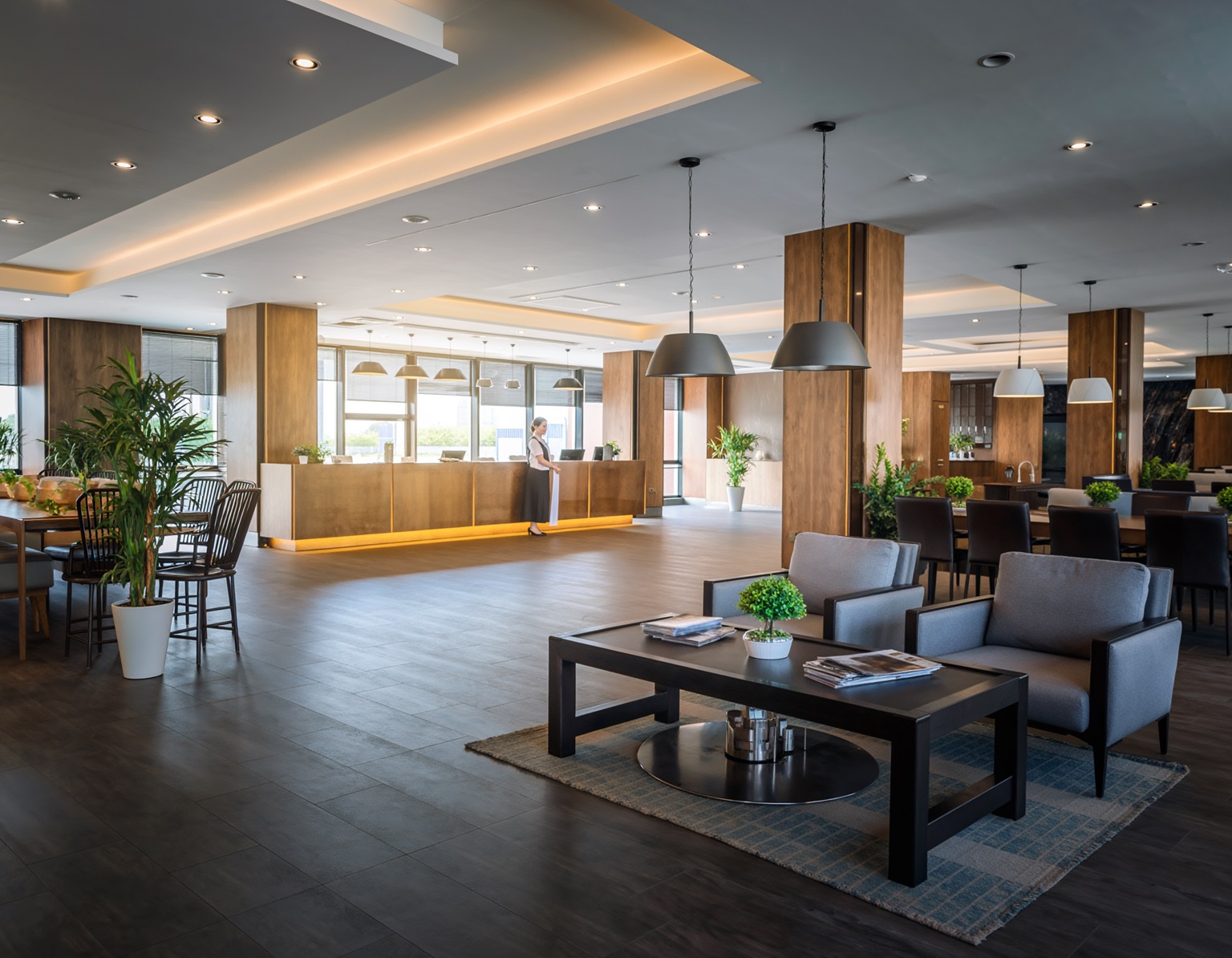
First impressions form within seconds, and your reception area delivers that impression before anyone says a word. A spotless, well-maintained entrance signals professionalism, attention to detail, and respect for visitors. Yet reception area cleaning presents unique challenges that differ from general office maintenance – constant foot traffic, varied surface types, and the need for cleaning that doesn’t disrupt operations.
We’ve worked with facilities managers who’ve watched their reception standards slip despite daily cleaning schedules. The issue isn’t always effort; it’s understanding what these high-traffic zones actually need and how to deliver consistent results without turning your entrance into a wet floor hazard every few hours. The connection between workplace hygiene and productivity becomes immediately apparent in these visitor-facing spaces.
Why Reception Areas Demand Different Standards
Your reception isn’t just another room to tick off a cleaning list. It’s a transitional space where outdoor contaminants meet indoor surfaces, where visitors pause and observe, and where staff move through constantly. This creates a cleaning challenge that combines speed, effectiveness, and discretion.
High-traffic zones accumulate dirt at exponential rates compared to back offices. A single rainy morning can track in mud, grit, and moisture that spreads across floors, carpets, and even onto furniture. Standard weekly deep cleans won’t maintain the appearance these areas require – they need tactical, frequent attention to specific problem points.
The surfaces in reception areas also vary dramatically. You’re managing everything from glass doors and windows to upholstered seating, hard floors, carpeted sections, and reception desks. Each material responds differently to cleaning products and methods.
Using the wrong approach – like an ammonia-based cleaner on certain plastics – can cause permanent damage or dull finishes that make everything look tired.
What Professional-Grade Reception Cleaning Actually Involves
Effective reception area cleaning operates on two levels: maintenance cleaning that happens multiple times daily, and deeper restoration work scheduled strategically. Both matter, and neither works well without the other. This systematic approach to a clean workplace environment directly influences how visitors and employees perceive the organisation.
Maintenance cleaning focuses on immediate visible concerns. This means spot-cleaning glass surfaces, quick passes with appropriate tools on floors, emptying bins before they overflow, and addressing spills or marks as they appear. The goal isn’t perfection in each pass – it’s preventing accumulation that becomes harder to address later.
Balancing Maintenance and Deep Cleaning
Consider how a café owner we know approached their entrance area. They’d scheduled one thorough clean each evening, but by mid-afternoon, the space looked neglected. Switching to brief maintenance passes every two hours – focusing only on floors, glass, and obvious marks – kept the area consistently presentable.
The evening clean then became genuinely restorative rather than just catching up on the day’s mess.
Deeper cleaning targets what maintenance misses: ground-in dirt in carpet fibres, scuff marks on baseboards, dust accumulation on light fittings, and the gradual dulling of floor finishes. This work requires different equipment and products – machines rather than mops, specialised chemicals rather than all-purpose sprays.
Floor Management in High-Traffic Entrances
Floors bear the brunt of reception area wear, and they’re also the most noticeable surface. Get floor care wrong, and everything else looks worse by association. Maintaining professional hygiene standards in these areas prevents contamination from spreading throughout the facility.
Hard floors in reception areas need solutions that clean effectively without leaving slippery residues. A pH-neutral cleaner works like gentle soap for skin – it removes dirt without stripping protective finishes or leaving behind chemicals that attract more grime. Harsh alkaline cleaners might seem more powerful, but they gradually damage floor sealants, creating surfaces that look perpetually dirty even after cleaning.
The Polystar Orbital Floor Scrubber uses multi-directional force to remove ingrained dirt from various floor types without damaging the material. For reception areas with tile, vinyl, or sealed timber, this approach delivers consistent results without the physical effort of traditional mopping.
It works smarter.
Carpet Care in Visitor Areas
Carpet sections in reception areas face a different challenge. They’re designed to trap dirt – that’s partly their function – but this means they hide how dirty they’ve become until they look noticeably soiled. By then, you’re dealing with embedded particles that regular vacuuming can’t extract.
We’ve found that scheduled extraction cleaning – using hot water and appropriate detergents to flush out deep dirt – extends carpet life dramatically whilst maintaining appearance. A facility that waits until carpets look dirty before deep cleaning is already behind. The visible dirt represents only a fraction of what’s embedded in the fibres.
For carpeted reception areas, the Steamvac HP Auto 2 Carpet Steamer removes deep-down dirt that regular vacuuming misses. The combination of heat, water, and extraction pulls contaminants from carpet backing, which improves both appearance and indoor air quality. This attention to detail exemplifies how workplace hygiene and productivity connect through environmental quality.
Glass and Reflective Surfaces That Actually Shine
Glass doors, windows, and decorative panels in reception areas show every fingerprint, smudge, and streak. Cleaning them properly requires understanding why streaks form in the first place.
Streaking occurs when the cleaning solution dries before you’ve removed it completely, or when you’re spreading dirty water rather than removing it. The solution isn’t more cleaning product – it’s better technique and appropriate tools.
Professional window cleaning relies on squeegees, not paper towels. A quality squeegee removes water and cleaning solution in controlled strokes, leaving surfaces genuinely dry rather than spreading moisture around. The Ettore 3.6m Extension Pole allows you to reach high glass panels without ladders, making regular maintenance safer and faster.
Cleaning Solutions and Techniques
For cleaning solution, less is genuinely more. A small amount of proper glass cleaner in water provides enough surfactant action to break down oils and dirt without leaving residue. Over-applying product creates the film you’re trying to avoid.
Mirrors and polished metal fixtures in reception areas need similar care, but they’re often more sensitive to chemical damage. Ammonia-based cleaners can permanently etch certain metal finishes or damage mirror backing. A pH-neutral approach protects these surfaces whilst still delivering clean, streak-free results.
Furniture and Upholstery in Public Spaces
Reception furniture takes punishment. People sit on it, lean against it, place bags on it, and sometimes spill drinks on it. Yet it needs to look inviting and well-maintained constantly.
Upholstered seating in reception areas benefits from regular vacuuming with appropriate attachments. This removes surface dust and crumbs before they work deeper into fabric. For stains and spills, immediate attention matters more than the specific product you use – blot, don’t rub, and work from the outside of the stain inward to prevent spreading.
Different upholstery fabrics respond differently to cleaning methods. Some synthetic fabrics tolerate water-based cleaning well; others water-spot permanently. Natural fibres like wool or cotton might shrink or discolour with certain chemicals.
Testing any cleaning approach on an inconspicuous area first prevents expensive mistakes.
Hard Surface Furniture Care
Hard furniture surfaces – reception desks, coffee tables, side tables – accumulate dust, fingerprints, and the sticky residue from hands and spills. A microfibre cloth dampened with appropriate cleaner removes these contaminants without scratching finishes. Dry dusting just moves particles around; slight moisture captures them.
Reception desks face particular challenges because they’re high-touch surfaces that accumulate oils from hands throughout the day. These oils attract dust and create a grimy film that becomes increasingly difficult to remove if left unaddressed. Daily wiping with appropriate cleaner prevents buildup that requires more aggressive cleaning later. This contributes to maintaining a clean workplace environment that supports both staff wellbeing and visitor impressions.
Dealing With Seasonal Challenges
Weather conditions dramatically affect reception maintenance requirements. Perth’s climate might be relatively mild, but seasonal variations still demand protocol adjustments.
During wet weather, increasing the frequency of floor maintenance becomes essential. This doesn’t mean constant mopping – which creates slip hazards and takes floors out of service – but rather strategic attention to problem areas using appropriate tools. The dust control mops trap moisture and dirt effectively without spreading them across larger areas.
Humidity affects cleaning effectiveness and drying times. High humidity slows evaporation, meaning floors stay wet longer and glass surfaces take more effort to achieve streak-free results.
Adjusting techniques and timing to account for weather conditions delivers better outcomes than rigidly following the same process year-round.
Equipment That Matches Reception Area Demands
The right equipment transforms reception area cleaning from a time-consuming struggle into a manageable process. But “right” doesn’t always mean “most powerful” – it means appropriate for the specific demands of these spaces.
Backpack vacuums offer mobility and efficiency that upright models can’t match in reception areas. The Pacvac Superpro 700 Backpack Vacuum provides commercial-grade suction whilst allowing unrestricted movement around furniture and obstacles. For facilities wanting cordless freedom, the Pacvac Superpro 700 Battery Kit includes four batteries and a charger, eliminating the trip hazards and limitations of corded operation.
For smaller reception areas or quick maintenance between deeper cleans, the Medusa Battery-Powered Sweeper handles both carpets and hard floors. It’s quiet enough for use during business hours without disrupting conversations or phone calls – a crucial consideration for reception environments.
Mopping Systems for Safety and Efficiency
Mopping systems for reception areas need to balance cleaning effectiveness with safety and convenience. Traditional mop and bucket approaches leave floors wet for extended periods, creating slip hazards in exactly the wrong location. Microfibre systems like the Enduro Microfibre Mop Head use less water, clean more effectively, and dry faster.
The 16L Mop Bucket provides adequate capacity for reception area cleaning without becoming too heavy to move safely when full. Colour-coding buckets and mops by area prevents cross-contamination – the equipment used in reception areas shouldn’t be the same equipment used in toilets, regardless of how well you rinse it.
Chemical Selection for Mixed-Surface Environments
Reception areas contain numerous different materials, often in close proximity. This complicates chemical selection because what works perfectly on one surface might damage another nearby.
All-purpose cleaners sound convenient, but they’re compromises by definition. They work adequately on many surfaces but optimally on none. For maintenance cleaning where you’re addressing multiple surface types quickly, a quality all-purpose solution like Mr. Bean 5L All-Purpose Cleaner provides versatility without the harshness that damages finishes over time.
However, specific surfaces benefit from targeted products. Timber furniture or floors need cleaners that protect finishes rather than strip them. Quality timber floor polish cleans whilst adding protective layers that resist wear and maintain appearance between major refinishing work.
Dealing With Stubborn Residues
For removing specific problems – adhesive residue from temporary signage, sticker marks, or tape – general cleaners often fail. The Goof Off Adhesive Remover targets these stubborn contaminants without damaging underlying surfaces when used according to directions.
Chemical concentration matters as much as product selection. Using products at higher concentrations than recommended doesn’t clean better – it wastes product, potentially damages surfaces, and often leaves residues that attract dirt faster. Following manufacturer guidelines delivers optimal results whilst protecting your investment in surfaces and finishes.
Professional standards emphasise that proper product selection and use matters more than simply using the strongest chemicals available. Understanding the chemistry behind cleaning products helps make informed decisions that protect surfaces whilst achieving desired results.
Creating Sustainable Cleaning Schedules
Consistency matters more than intensity for reception area cleaning. A moderate approach applied reliably outperforms sporadic deep cleaning that leaves areas neglected between sessions. Employee productivity benefits when the workplace maintains consistent cleanliness standards rather than cycling between pristine and neglected states.
Task frequency should match actual need, not arbitrary schedules. Glass surfaces in reception areas might need attention three times daily during high-traffic periods but only once daily during quieter times. Floors need constant monitoring and responsive cleaning rather than fixed timing that doesn’t account for weather or visitor volume.
We’ve worked with facilities that scheduled reception cleaning at fixed intervals regardless of actual conditions. This meant cleaning when unnecessary during quiet periods whilst missing crucial maintenance during busy times.
Shifting to condition-based cleaning – where staff assess and respond to actual needs – improved results without increasing labour hours.
Zone-Based Cleaning Approaches
Zoning approaches divide reception areas into sections with different maintenance requirements. The entrance zone within three metres of doors needs the most frequent attention because that’s where outdoor contaminants concentrate. The waiting area requires different focus – furniture and surface maintenance rather than floor care.
The reception desk area needs hygiene-focused attention due to constant hand contact.
Breaking reception cleaning into these zones allows targeted effort where it matters most. Not every section needs the same frequency or intensity of cleaning, and recognising this prevents wasted effort whilst improving overall results.
Training Staff for Reception Standards
Equipment and products only deliver results when used properly. Staff training for reception area cleaning needs to cover not just techniques but also the reasoning behind them.
Understanding why methods work helps staff adapt to changing conditions rather than robotically following procedures that might not suit current circumstances. Explaining that microfibre works through mechanical action – trapping particles in the fabric structure – helps staff understand why proper technique matters and why they can’t substitute paper towels and expect similar results.
Demonstrating proper squeegee technique, appropriate chemical dilution, correct mopping patterns, and effective vacuuming takes time initially but prevents ongoing problems. A staff member who understands how to achieve streak-free glass will maintain that standard consistently.
Someone just told to “clean the windows” will likely struggle and become frustrated with poor results.
Safety and Professional Standards
Safety training matters particularly for reception area cleaning because work happens during business hours around visitors. This means understanding wet floor protocols, proper chemical handling, equipment operation safety, and how to work around people without creating hazards or disruptions.
Documentation of cleaning procedures ensures consistency across different staff members and shifts. Written protocols, visual guides, and checklists help maintain standards even when experienced staff are unavailable. Regular review and updating of these procedures keeps them relevant as conditions or equipment change.
The Impact on Organisational Performance
The quality of reception area cleaning reflects directly on your organisation’s overall standards. Visitors don’t know about your excellent back-office processes or innovative products – they know what they observe in the first space they encounter. The relationship between workplace hygiene and productivity extends beyond visitor impressions to affect employee morale and operational efficiency.
Research consistently demonstrates that clean work environments reduce sick leave, improve concentration, and enhance job satisfaction. Reception areas set the tone for the entire facility. When these high-visibility spaces consistently meet high standards, it influences behaviour throughout the building. Staff take more pride in maintaining cleanliness, and the elevated standards become self-reinforcing.
Long-Term Surface Protection
Maintaining consistently high standards in these areas requires the right approach, appropriate tools, and systematic attention to what actually matters. Preventive maintenance costs less than restoration or replacement. A reception desk finish maintained with appropriate cleaners lasts years longer than one subjected to harsh chemicals that gradually degrade the surface.
Understanding the specific maintenance requirements of different materials in your reception area prevents costly mistakes. Stone surfaces, timber finishes, upholstery fabrics, and decorative elements all have particular needs. Ignoring these specifics leads to premature ageing, costly repairs, or complete replacement.
Cost-Effective Professional Standards
Quality reception area cleaning doesn’t require unlimited budgets, but it does require strategic resource allocation. Investing in appropriate equipment and products pays for itself through efficiency gains and surface protection.
Cheap cleaning products often cost more in the long run. They require higher dilution rates for effectiveness, damage surfaces requiring expensive repair, or simply don’t work well forcing staff to spend more time achieving acceptable results. Professional-grade products designed for specific applications deliver better results more efficiently.
Equipment investment similarly pays returns through improved efficiency and results. A backpack vacuum that allows faster, more thorough cleaning reduces labour costs per square metre cleaned.
A floor scrubber that cleans effectively in one pass eliminates the need for multiple passes with less effective tools.
Return on Investment
The connection between maintaining a clean workplace environment and operational performance becomes clear when measuring the full impact. Reduced surface replacement costs, decreased sick leave, improved client satisfaction, and enhanced staff morale all contribute to positive return on investment that far exceeds the cost of proper cleaning protocols.
Tracking these metrics helps justify the investment in professional cleaning standards. Document surface longevity, monitor employee absence rates, and collect feedback on visitor impressions. The data typically demonstrates that proper cleaning delivers measurable value across multiple dimensions.
Professional Support and Resources
For facilities seeking to elevate their reception standards, Weskleen Supplies provides the professional-grade equipment and products that deliver reliable results in demanding environments. Whether you’re managing a small office entrance or a large corporate reception area, the principles remain consistent: understand the specific challenges, use appropriate tools and products, and maintain systematic attention to both immediate appearance and long-term surface protection.
If you’re uncertain about the best approach for your specific reception environment or need guidance on product selection for particular surfaces, contact us for expert advice tailored to your facility’s unique requirements. Our experience with diverse reception environments across Perth helps identify solutions that work in real-world conditions, not just ideal scenarios.
Successful reception area cleaning combines understanding of the unique demands these spaces face, appropriate equipment and products, well-trained staff, and systematic protocols that maintain standards consistently. The investment in doing it right protects your facility’s value whilst ensuring every visitor’s first impression reflects your organisation’s commitment to excellence. When organisations recognise how workplace hygiene and productivity interconnect, they view cleaning not as an expense but as a strategic investment in operational performance and organisational culture.