


Blog
Reducing Chemical Exposure in Daily Cleaning Routines

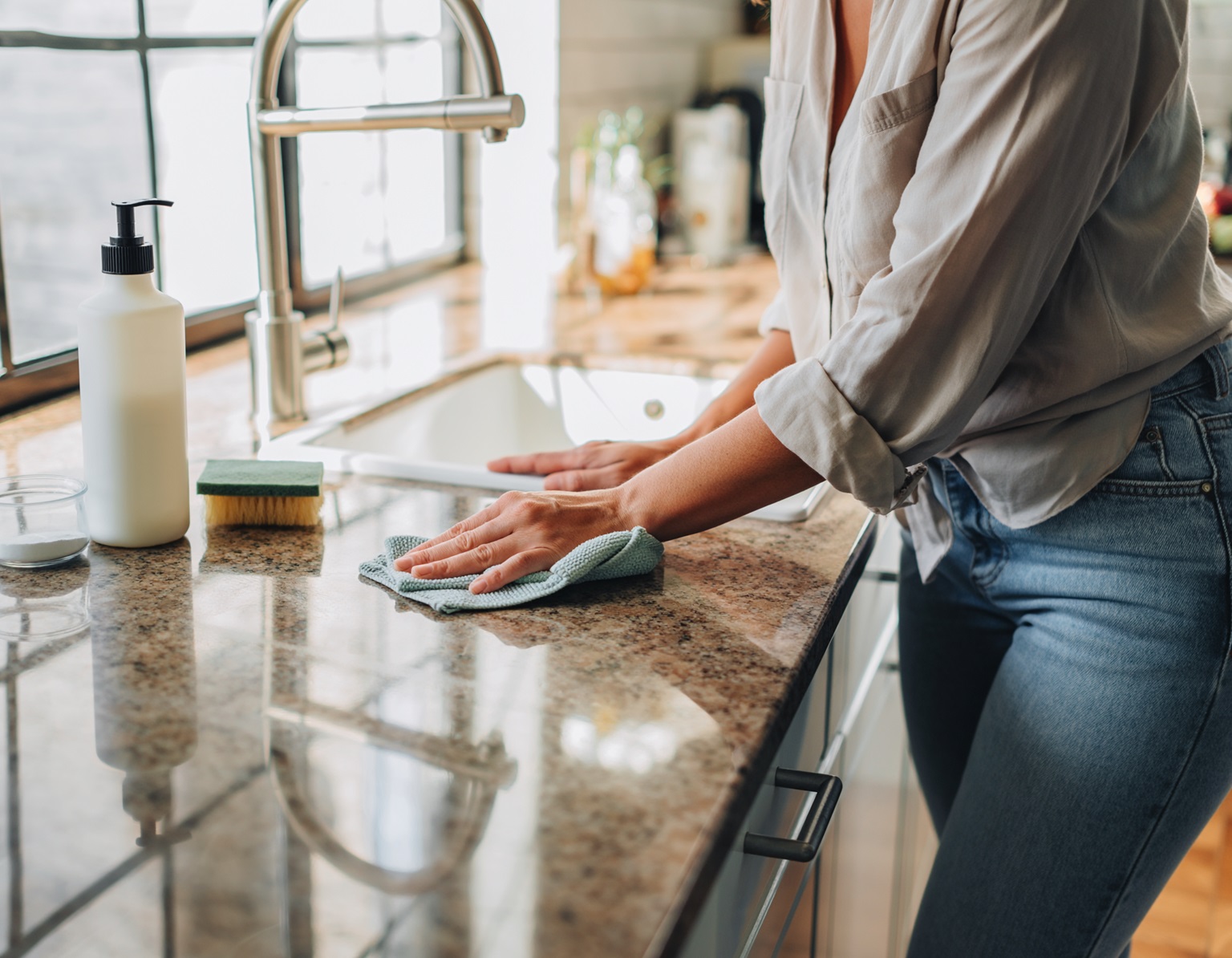
Walk into any commercial kitchen at closing time and you’ll see the same scene: bottles lined up on every surface, spray clouds hanging in the air, and cleaners working through their checklist whilst breathing in a cocktail of vapours they can’t see or smell. Most don’t think twice about it. But the cumulative effect of daily chemical exposure adds up faster than you’d expect, affecting everything from respiratory health to skin integrity.
We’ve spent years watching cleaning teams work through facilities of every type, and the pattern’s consistent. The biggest risks don’t come from dramatic spills or accidents – they come from routine exposure that happens dozens of times each day. A spray here, a wipe there, hands in and out of buckets, chemicals mixing in the air. It’s the mundane repetition that creates the real problem.
Chemical safety cleaning isn’t about eliminating every product from your routine. It’s about understanding what you’re actually exposing yourself to and making smarter choices that protect your health without sacrificing results. Professional-grade doesn’t have to mean hazardous, and effective doesn’t require harsh. But how do you know which products pose which risks, and what changes actually make a difference?
What Actually Happens During Chemical Exposure
Your body encounters cleaning chemicals through three main pathways: inhalation, skin contact, and accidental ingestion. Each route creates different risks, and understanding them changes how you approach daily tasks.
Understanding inhalation exposure pathways is critical for cleaning professionals. Inhalation happens the moment you spray or pour. Aerosol particles and vapours enter your respiratory system through these inhalation exposure pathways, where they can irritate airways, trigger allergic responses, or – with prolonged exposure – cause more serious damage. The challenge with inhalation exposure pathways is that many harmful vapours are odourless, so you can’t rely on smell to warn you.
Skin absorption works differently. Chemicals penetrate through your skin barrier, especially when it’s already compromised by frequent washing or small cuts. Some substances absorb rapidly, whilst others build up over time. Your hands take the worst of it because they’re constantly wet, constantly exposed, and rarely protected properly.
Then there’s the ingestion risk most people ignore. You touch a contaminated surface, then your face, then eat lunch without washing properly. Or you store cleaning products near food prep areas. These seem like minor oversights until you consider how many times per day they happen. Recognising all inhalation exposure pathways and other exposure routes helps you implement targeted protection strategies.
We worked with a café owner in Fremantle who couldn’t figure out why her staff kept developing persistent coughs. Turned out they were using a powerful degreaser in a poorly ventilated kitchen three times daily, never connecting the timing of their symptoms to their cleaning schedule. Once we helped them switch to a less volatile product and improve airflow, the problems stopped within a fortnight.
Reading Beyond the Marketing Claims
Product labels tell you what manufacturers want you to know, which isn’t always what you need to know. Learning to decode them properly is your first line of defence in chemical safety cleaning.
The Safety Data Sheet (SDS) contains the real information. Proper SDS hazard interpretation involves understanding every hazardous ingredient, exposure limits, first aid measures, and handling requirements listed in these documents. If a supplier won’t provide an SDS, that’s your signal to walk away. These documents exist specifically to protect users, and they’re required by law for any product containing hazardous substances.
Look for the GHS pictograms as part of your SDS hazard interpretation – those diamond-shaped symbols that indicate specific hazards. A flame means flammable, a skull means acute toxicity, and the exclamation mark signals irritant properties. These aren’t decorative; they’re warnings based on standardised testing. Developing strong SDS hazard interpretation skills helps you make informed product choices.
Pay attention to pH levels too as part of developing pH level awareness. Extremely acidic (below 2) or alkaline (above 12) products require careful handling regardless of what the front label says. Your skin’s natural pH sits around 5.5, so anything far outside that range will cause damage with repeated exposure. We’ve seen cleaning staff develop chronic dermatitis simply from using highly alkaline floor cleaners without gloves day after day. Building pH level awareness helps you understand why certain products require specific precautions.
The ingredient list matters more than the brand name in effective SDS hazard interpretation. Products marketed as “industrial strength” often contain higher concentrations of harsh chemicals than necessary for most tasks. A 15% acid solution doesn’t clean better than a 5% solution for routine work – it just creates more risk. Understanding pH level awareness and concentration levels protects you from unnecessary exposure.
Choosing Safer Product Alternatives
Professional results don’t require the harshest chemicals on the market. We’ve tested hundreds of products across commercial sites, and the pattern’s clear: strategic selection beats brute force every time when it comes to chemical safety cleaning.
pH-neutral cleaners handle most daily tasks without the risks associated with extreme formulations. They’re gentle enough for frequent use but still effective on common soiling. Think of them like washing your hands with regular soap versus industrial degreaser – both clean, but one doesn’t strip your skin in the process.
For general surface cleaning, the Mr. Bean 5L All-Purpose Cleaner demonstrates how effective a well-formulated neutral product can be. It handles everyday dirt and grime without the respiratory irritation or skin damage associated with harsher alternatives. The coffee scent is a bonus, but the real value is in what it doesn’t contain.
Microfibre technology reduces chemical dependency dramatically. A quality microfibre cloth removes up to 99% of bacteria with just water, according to testing by the Environmental Protection Agency. The Enduro Microfibre Mop Head captures particles mechanically rather than relying on chemical action, which means less product use and less exposure.
When you do need stronger solutions, look for products with reduced volatile organic compounds (VOCs). These formulations minimise airborne chemical release, which protects both the user and building occupants. The difference in air quality is noticeable immediately – no lingering chemical smell, no throat irritation, no headaches.
Concentrated products deserve special mention for chemical safety cleaning. They reduce packaging waste and shipping impact, but they also reduce exposure when used correctly. Diluting a concentrate to proper strength means you’re working with lower chemical concentrations during application. The catch is that many users skip the dilution step or guess at ratios, which defeats the purpose entirely.
For sanitising in high-hygiene areas, the Comet Foaming Cleaner & Sanitiser provides the disinfection power required by health regulations whilst minimising user contact. The foam formulation clings to surfaces rather than creating spray drift, which keeps the product where it belongs instead of in your lungs.
Equipment That Minimises Contact
The right tools create physical barriers between you and chemical exposure. It’s not about buying expensive gadgets – it’s about understanding which equipment genuinely reduces risk.
Extension poles keep you at a safe distance from cleaning solutions, especially when working with overhead surfaces or windows. The Ettore 5.5m Extension Pole allows you to clean high areas without climbing ladders whilst breathing in chemical vapours at close range. Distance matters more than people realise.
Backpack vacuums like the Pacvac Superpro 700 reduce the need for chemical spot treatments by removing dry soil before it becomes embedded. Better initial soil removal means less aggressive cleaning later. The HEPA filtration also prevents you from redistributing dust and allergens into the air you’re breathing.
Mechanical cleaning equipment replaces chemical action with physical force. The Polystar Orbital Floor Scrubber uses multi-directional scrubbing motion to remove ingrained dirt with minimal chemical assistance. You’re relying on the machine’s mechanical action rather than harsh solvents, which means less product in the air and on your skin.
Proper containment matters too. A 16L Mop Bucket with a wringer keeps chemical solution contained and reduces splashing. It sounds basic, but we’ve seen countless cleaning staff working with cracked buckets that leak solution onto floors and shoes, creating constant skin contact throughout their shift.
Battery-powered equipment eliminates the need for some chemical processes entirely. The Medusa Battery-Powered Sweeper picks up debris mechanically, reducing reliance on dust-control treatments that often contain chemicals you’d rather avoid breathing.
Ventilation Strategies That Actually Work
Air movement determines how much chemical vapour you’re breathing in, yet it’s the most overlooked aspect of chemical safety cleaning. Good ventilation isn’t complicated, but it requires deliberate planning.
Cross-ventilation creates airflow that carries vapours away from breathing zones. Opening windows on opposite sides of a room creates a current that moves contaminated air out. It’s simple physics, but most people open one window and wonder why they’re still breathing fumes.
Timing matters as much as airflow. Clean during off-peak hours when you can open doors and windows without security concerns or climate control conflicts. A facility manager we work with schedules all chemical-intensive cleaning for early morning specifically so his team can work with maximum ventilation before staff arrive.
Exhaust fans should run during cleaning and for at least 30 minutes after. The lingering vapours are what create cumulative exposure. We’ve measured air quality in commercial kitchens and found that chemical concentrations remain elevated for hours after cleaning stops if ventilation isn’t maintained.
Be strategic about product placement during use. Don’t set open bottles or buckets near your face level. Keep them on the floor or at waist height so vapours rise away from your breathing zone rather than directly into it. This seems obvious, but watch any cleaning crew and you’ll see bottles perched on counters right at nose level.
For areas where natural ventilation isn’t possible, consider the task itself. Do you really need to use that particular product in that particular space? Sometimes the answer is yes, but often there’s a safer alternative or a different approach that reduces exposure without compromising results.
Personal Protective Equipment Essentials
PPE only works when it’s appropriate for the task, fits properly, and gets used consistently. We see three common failures: wrong equipment, poor fit, and sporadic use.
Gloves are non-negotiable for chemical handling, but not all gloves protect against all chemicals. Latex offers no protection against solvents. Nitrile resists many chemicals but degrades with certain acids. The SDS specifies which glove material is appropriate – follow that guidance, not what’s convenient or cheapest.
Glove fit affects protection. Too loose and chemicals seep inside. Too tight and they tear. Your hands should move naturally without restriction or bunching. We recommend buying several sizes and letting staff choose what fits them properly rather than ordering one size for everyone.
Eye protection becomes critical when working with any product that can splash or create mist. Chemical burns to eyes happen fast and cause permanent damage. Safety glasses with side shields provide basic protection, but goggles offer better coverage when you’re working with particularly hazardous substances or in situations where splashing is likely.
Respiratory protection ranges from simple dust masks to full respirators, depending on the product and ventilation available. A dust mask won’t protect you from chemical vapours – you need a respirator with appropriate cartridges. The National Institute for Occupational Safety and Health provides detailed guidance on respirator selection based on specific chemical exposures.
The reality is that most cleaning staff won’t wear respirators for routine tasks because they’re uncomfortable and impractical. That’s exactly why product selection and ventilation matter so much – they’re your primary protection, with PPE as backup.
Aprons or protective clothing prevent chemical contact with skin and regular clothes. Once your clothing becomes saturated with cleaning solution, you’re wearing that chemical exposure for your entire shift. A waterproof apron stops this completely and costs less than replacing clothes ruined by chemical damage.
Dilution and Mixing Protocols
Concentrated products save money and reduce packaging waste, but they introduce new risks if handled incorrectly. We’ve seen serious chemical burns from undiluted products and respiratory problems from improper mixing. Proper dilution protocol compliance prevents these incidents.
Never mix different products unless the manufacturer explicitly states they’re compatible. The chemical reactions can produce toxic gases, even from products that seem harmless individually. Mixing bleach with acidic cleaners produces chlorine gas. Mixing ammonia with bleach creates chloramine vapours. Both can cause severe respiratory damage or death. This is fundamental to dilution protocol compliance.
Use measuring tools rather than eyeballing dilution ratios as part of dilution protocol compliance. A measuring cup costs a few dollars and ensures consistency. We’ve tested “properly diluted” solutions prepared by experienced cleaners and found concentration variations of 200-300%. That’s the difference between safe and hazardous.
Dilute into water, not the reverse. Add concentrate to water slowly, not water to concentrate. This prevents splashing and reduces the concentration of vapours released during mixing. It’s basic chemistry – always dilute the more hazardous substance into the less hazardous one. Following this dilution protocol compliance practice protects you during the most hazardous part of product preparation.
Mix in well-ventilated areas away from food, people, and enclosed spaces. The dilution process releases concentrated vapours. Do it outdoors or near an open door, not in a storage cupboard or over a sink in a closed room.
Label every diluted solution immediately with the product name, concentration, and date mixed. Mystery bottles lead to misuse. We’ve responded to incidents where cleaning staff used what they thought was one product but was actually something completely different because someone forgot to label a spray bottle.
Storage That Prevents Accidents
How you store cleaning chemicals affects exposure risk as much as how you use them. Poor storage creates opportunities for accidents, spills, and contamination.
Separate storage for cleaning products is essential. Never store them near food, medicine, or personal items. We’ve investigated cases of accidental poisoning where cleaning products were stored in kitchen areas and mistaken for food ingredients. The consequences ranged from mild illness to hospitalisation.
Keep products in original containers with intact labels. Transferring to unmarked bottles or containers that previously held food creates serious risks. If you must transfer products, use containers specifically designed for chemicals and label them completely with product name, hazards, and handling instructions.
Height matters for storage. Heavy containers belong on lower shelves to prevent lifting injuries and reduce the severity of spills. Corrosive or highly toxic products should be stored at or below eye level to prevent facial exposure if containers leak or fall.
Maintain a clean storage area. Spills on shelves create secondary exposure every time you reach for a product. Dust and dirt on containers make labels unreadable and create slip hazards. A quick wipe-down of storage areas should be part of your routine, not something that happens when things get visibly filthy.
Temperature control affects chemical stability. Many products degrade or become more volatile in heat. Storage areas should be cool, dry, and away from direct sunlight. A storage cupboard that backs onto a hot water system or gets afternoon sun can turn stable products into hazards.
Check expiry dates regularly. Expired products don’t just lose effectiveness – some become more corrosive or unstable over time. We recommend a quarterly review of all stored chemicals, removing anything past its use-by date or showing signs of degradation like separation, colour change, or container damage.
Training Your Team Properly
The best products and equipment mean nothing if people don’t understand how to use them safely. Effective training goes beyond a quick demonstration and a signed form.
Hands-on practice beats presentations every time. Show someone how to dilute a product, then watch them do it themselves. Correct mistakes immediately. We’ve found that people need to perform a task correctly at least three times under supervision before they’ll do it correctly when alone.
Explain the why behind safety procedures. “Wear gloves because the SDS says so” creates compliance. “Wear gloves because this product has a pH of 13 and will cause chemical burns” creates understanding. Understanding leads to consistent behaviour; compliance fades when no one’s watching.
Cover emergency procedures thoroughly. What do you do if product splashes in your eyes? Where’s the first aid kit? Who do you call? Where’s the SDS? These aren’t theoretical questions – they’re situations that happen regularly in commercial cleaning. Everyone should know the answers without thinking.
Refresh training regularly, not just when someone new starts. Habits drift over time. Shortcuts develop. Annual refreshers catch these problems before they cause injuries. We recommend quarterly toolbox talks that focus on one specific aspect of chemical safety rather than annual marathons that try to cover everything.
Create a question-friendly culture where asking about safety doesn’t mark you as difficult or overcautious. The cleaning staff who ask questions are the ones preventing accidents. The ones who stay quiet because they don’t want to look ignorant are the ones who end up injured.
Recognising Early Warning Signs
Chemical exposure often starts with subtle symptoms that people ignore or attribute to other causes. Catching problems early prevents serious long-term damage.
Respiratory symptoms like persistent cough, throat irritation, or shortness of breath during or after cleaning indicate exposure levels that are too high. These aren’t normal parts of the job. They’re warning signs that something needs to change – better ventilation, different products, or respiratory protection.
Skin changes progress through stages. First comes dryness and irritation. Then cracking and peeling. Eventually, dermatitis develops – red, inflamed, painful skin that doesn’t heal properly. We’ve worked with cleaners who ignored early symptoms until their hands were so damaged they couldn’t work for months.
Headaches and dizziness during cleaning tasks suggest you’re breathing too much chemical vapour. These symptoms indicate your body’s struggling to process what you’re inhaling. Don’t push through – stop, ventilate the area, and reassess your approach.
Eye irritation, even without direct splash contact, signals airborne chemical exposure affecting your mucous membranes. If your eyes water or burn during routine cleaning, the products or methods you’re using need review.
The key to effective chemical safety cleaning is recognising these warning signs early and taking action before minor irritation becomes chronic health problems. Your body tells you when something’s wrong – the skill is learning to listen.