


Blog
Comet Foaming Sanitiser for High Level Disinfection in Perth Healthcare Facilities

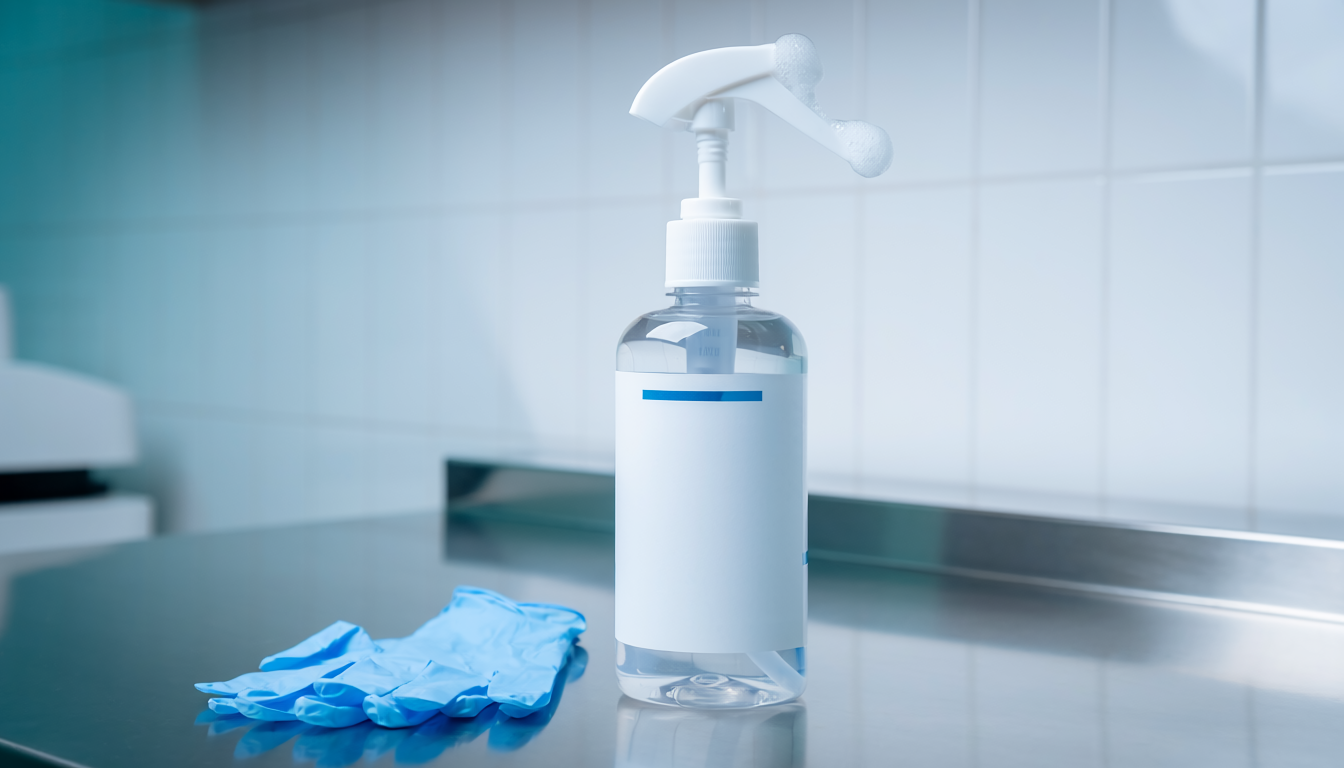
Healthcare facilities in Perth face relentless pressure to maintain sterile environments while managing high patient turnover, limited staff resources, and the constant threat of healthcare-associated infections. Every surface – from surgical theatres to patient bathrooms – requires a level of disinfection that goes beyond basic cleaning. When infection control protocols fail, the consequences ripple through entire hospital systems: extended patient stays, increased antibiotic resistance, and compromised community health outcomes.
Comet chemical disinfection Perth solutions address these challenges with hospital-grade formulations designed for environments where contamination isn’t just inconvenient – it’s dangerous. The foaming action of Comet Foaming Cleaner and Sanitiser transforms vertical surface disinfection from a guessing game into a visible, verifiable process. You see exactly where the product lands, how long it remains in contact, and when it’s time to wipe down.
Why Healthcare Facilities Can’t Rely on Standard Cleaning Products
Think of standard household cleaners as everyday soap – they remove visible dirt and some surface bacteria, but they’re not built for the microbial warfare happening in clinical settings. Healthcare environments harbour pathogens like MRSA, C. difficile, norovirus, and increasingly antibiotic-resistant organisms that conventional cleaning approaches simply cannot eliminate.
High-level healthcare surface disinfection requires products that meet specific Australian standards for pathogen elimination. The Therapeutic Goods Administration (TGA) and the National Health and Medical Research Council (NHMRC) set clear benchmarks for what constitutes effective disinfection in healthcare settings. Products must demonstrate proven efficacy against specific organisms within defined contact times – typically between 30 seconds and 10 minutes depending on the pathogen.
Weskleen Supplies provides access to professional-grade solutions that meet these rigorous standards, including the Comet range specifically formulated for high-risk infection control Perth facility environments.
The Science Behind Foaming Disinfectants
Foaming technology isn’t just about looking impressive – it’s about physics and foaming sanitiser contact time. When you spray a liquid disinfectant on a vertical surface like a bathroom wall or surgical equipment, gravity immediately pulls it downward. Most of the product runs off before it can complete its disinfection work.
Foaming formulations change this dynamic completely. The foam clings to surfaces, creating extended foaming sanitiser contact time without requiring constant reapplication. This matters enormously in healthcare settings where staff can’t stand guard over every surface waiting for disinfection to complete.
The Comet Foaming Cleaner and Sanitiser uses this principle to deliver consistent results across challenging surfaces. The foam provides visual confirmation of coverage – you immediately see bare spots that need additional application. No guesswork, no hoping you’ve covered everything adequately.
Real-World Application in Perth Healthcare Settings
Consider a busy medical centre in Subiaco managing 150 patient consultations daily. Every examination room requires thorough disinfection between patients, but staff have roughly 5-7 minutes maximum for turnover. Traditional spray-and-wipe methods often miss high-touch areas or don’t maintain adequate foaming sanitiser contact time because cleaners are rushing to meet scheduling demands.
Introducing a foaming sanitiser changed their protocol entirely. Staff spray the foam on examination tables, door handles, light switches, and equipment surfaces. The foam’s visibility shows exactly what’s been treated. While it works through the required contact time, staff can attend to other tasks like restocking supplies or preparing the next room. After the appropriate contact time, a simple wipe-down removes both the foam and the neutralised pathogens.
This approach doesn’t just improve infection control Perth facility outcomes – it makes better use of limited staff time. You’re working smarter, not harder.
Understanding Contact Time and Kill Claims
Here’s where many facilities get disinfection wrong: they assume any contact with a disinfectant kills pathogens instantly. The reality involves chemistry, concentration, and time working together – and foaming sanitiser contact time is the variable most often compromised.
Every disinfectant carries specific kill claims – verified data showing which organisms it eliminates and how long contact must be maintained. A product might achieve hospital-grade pathogen elimination for common bacteria in 30 seconds but require 5 minutes for more resistant organisms like norovirus or C. difficile spores.
Comet chemical disinfection Perth products come with detailed technical data sheets specifying exact contact times for different pathogen categories:
- Vegetative bacteria (E. coli, Salmonella, Staphylococcus): Typically 30-60 seconds
- Enveloped viruses (Influenza, Coronavirus): Usually 1-2 minutes
- Fungi and yeasts (Candida species): Often 2-5 minutes
- Non-enveloped viruses (Norovirus): May require 5-10 minutes
- Bacterial spores (C. difficile): Can need 10+ minutes
The foaming action of Comet ensures these contact times are actually achieved, not just theoretically possible. Liquid sprays that immediately run off can’t deliver the promised hospital-grade pathogen elimination no matter how powerful the chemical formulation.
High-Touch Surfaces That Demand Foaming Technology
Healthcare facilities contain dozens of surface types, each presenting unique disinfection challenges. Foaming sanitisers excel particularly on vertical surfaces such as bathroom walls, shower enclosures, equipment panels, and door frames – anywhere gravity works against liquid disinfectants.
Textured anti-slip flooring, textured wall panels, and patterned surfaces where liquid pools inconsistently all benefit from foam that spreads evenly regardless of surface topography. Equipment exteriors including medical devices, monitors, IV poles, and wheelchairs need thorough healthcare surface disinfection without soaking. And hard-to-reach areas behind toilets, under sinks, and in corners where spray bottles can’t effectively reach are accessible through foam directed with extension wands.
A Perth aged care facility managing 80 residents found foaming sanitisers particularly valuable in shared bathroom facilities. Residents with mobility issues often touch walls and grab rails for support, creating countless high-touch points. The foam’s visibility helped staff verify complete coverage of these critical areas, while the extended foaming sanitiser contact time ensured proper disinfection even in the humid bathroom environment where liquid disinfectants evaporate quickly.
pH Balance and Material Compatibility
Not all disinfectants play nicely with all surfaces. Harsh chemicals that effectively kill pathogens can also damage expensive medical equipment, discolour surfaces, or corrode metal fixtures over time.
The pH scale runs from 0 (extremely acidic) to 14 (extremely alkaline), with 7 being neutral. Acidic cleaners (pH 0-6) excel at removing mineral deposits but can damage metals and natural stone. Neutral cleaners (pH 6-8) are gentle on most surfaces but may require longer contact times for tough pathogens. Alkaline cleaners (pH 8-14) are powerful degreasers but can damage aluminium, soft metals, and some plastics.
Comet chemical disinfection Perth formulations are carefully pH-balanced to maximise hospital-grade pathogen elimination while minimising material damage. This matters when you’re disinfecting the same surfaces multiple times daily for years – aggressive chemicals that seem effective initially can cause cumulative damage requiring expensive repairs or replacements.
Integration with Existing Infection Control Protocols
Introducing new disinfection products doesn’t mean abandoning proven protocols – it means enhancing them. Think of it like preparing a surface for painting: you wouldn’t apply fresh paint over dirt and grime and expect a professional result. Pre-cleaning remains essential in exactly the same way. Organic matter (blood, bodily fluids, food residue) shields pathogens from disinfectants. Always remove visible contamination before applying Comet chemical disinfection Perth solutions.
Zone-based approaches improve infection control Perth facility efficiency. Divide facilities into risk categories:
- Critical zones (operating theatres, sterile procedure rooms): Require the highest level disinfection with verified products and strict protocols
- Semi-critical zones (patient rooms, examination areas): Need regular disinfection with hospital-grade products between each patient
- Non-critical zones (offices, waiting areas, corridors): Can use less aggressive but still effective sanitising products
The Comet Foaming Cleaner and Sanitiser fits primarily in semi-critical and non-critical zones where its combination of healthcare surface disinfection effectiveness and ease of use delivers maximum value.
Training Staff for Consistent Application
The best disinfectant in the world fails if staff don’t use it correctly. Effective training transforms products from bottles on shelves into active infection prevention tools.
Visual training works best. Show staff the foam in action. Demonstrate how it clings to vertical surfaces, how long it should remain visible, and what proper coverage looks like. Let them practise application techniques until they’re confident.
Create simple protocols to reduce the risk of steps being skipped under pressure:
- Remove visible contamination
- Apply foam to all surfaces
- Wait for the specified foaming sanitiser contact time
- Wipe clean with a microfibre cloth
- Allow surfaces to air dry
A Perth dental practice reduced their surface contamination rates by 73% simply by implementing structured training around their existing disinfection products. The products hadn’t changed – the consistency of application had.
Cost Analysis: Investment vs. Infection Risk
Healthcare administrators constantly balance infection control needs against budget constraints. Foaming sanitisers appear more expensive per litre than basic disinfectants, but this comparison misses the complete financial picture.
Healthcare-associated infections cost the Australian healthcare system an estimated $1 billion annually. A single surgical site infection can add $30,000-$40,000 to treatment costs. Patient litigation following preventable infections can reach hundreds of thousands of dollars.
Compare these costs against the price difference between basic and professional-grade disinfection:
- Basic disinfectant: $15-$25 per 5L (often requires multiple applications for adequate coverage)
- Comet Foaming Sanitiser: Approximately $40-$50 per 5L (provides better coverage with less product waste)
The cost difference of $20-$25 per container becomes negligible when preventing even a single infection. Additionally, the improved efficiency of foaming products means staff complete healthcare surface disinfection tasks faster, reducing labour costs over time.
Environmental Considerations and Chemical Safety
Healthcare facilities must protect both patients and the environment. Modern Comet chemical disinfection Perth products balance microbial efficacy with environmental responsibility and user safety.
Volatile Organic Compounds (VOCs) in traditional disinfectants contribute to indoor air quality problems, potentially triggering respiratory issues in sensitive patients and staff. Low-VOC formulations reduce these risks while maintaining disinfection effectiveness.
Proper disposal protocols prevent environmental contamination. Foaming sanitisers used in healthcare settings should never be poured directly into stormwater drains. Follow local Perth water authority guidelines for chemical disposal – typically, diluted cleaning solutions can go into sanitary sewers where wastewater treatment processes neutralise them.
Personal Protective Equipment requirements vary by product concentration and application method. Comet products used at recommended dilutions typically require basic PPE – gloves and eye protection. Always consult Safety Data Sheets for specific guidance.
Complementary Products for Complete Hygiene Systems
Effective infection control requires integrated systems, not isolated products. Foaming sanitisers work best alongside complementary tools and supplies.
Colour-coded microfibre cleaning cloths remove both disinfectant residue and dead pathogens more effectively than traditional cotton rags. The microscopic fibres physically trap particles rather than just pushing them around. Keep separate cloths for different zones to prevent cross-contamination between critical and non-critical areas.
Application equipment matters significantly for consistent healthcare surface disinfection. Trigger sprayers, foam guns, and extension wands ensure consistent product delivery. A cleaning hand caddy keeps disinfection supplies accessible and organised. When staff can quickly access everything needed for a disinfection task, protocol compliance improves dramatically.
Think of it like a professional kitchen – you wouldn’t expect a chef to produce consistent results with just one knife and a single pot. Complete systems deliver consistent outcomes.
Verification and Quality Assurance
How do you know your disinfection protocols actually work? Hope isn’t a strategy – verification provides evidence.
ATP (Adenosine Triphosphate) testing measures organic contamination on surfaces. Swab a surface before and after disinfection, then use a luminometer to quantify ATP levels. Significant reduction indicates effective cleaning and disinfection. Many Perth healthcare facilities conduct random ATP testing weekly to verify infection control Perth facility protocol effectiveness.
Environmental cultures provide more specific pathogen data. Laboratory analysis identifies exactly which organisms remain on surfaces after disinfection, revealing protocol weaknesses. This testing is more expensive but provides invaluable data for high-risk areas.
Visual inspection protocols catch obvious failures before they become infection risks. Designate specific staff members to conduct daily spot-checks of recently disinfected areas, looking for missed spots, improper technique, or equipment issues.
Adapting to Emerging Pathogen Threats
Healthcare facilities in Perth must prepare for both current and emerging infectious disease threats. COVID-19 demonstrated how quickly new pathogens can disrupt established infection control Perth facility protocols.
Broad-spectrum disinfectants provide protection against unknown threats. Comet chemical disinfection Perth products effective against multiple pathogen categories – bacteria, viruses, fungi – offer better preparedness than highly specific disinfectants that target only certain organisms. Flexible protocols allow rapid adaptation when new threats emerge, and staff trained in proper disinfection principles can quickly adjust contact times and application frequency based on updated guidance from health authorities.
Supply resilience prevents protocol failures during shortages. Maintaining relationships with reliable suppliers ensures access to critical disinfection products even during high-demand periods.
Regulatory Compliance and Documentation
Perth healthcare facilities operate under strict regulatory oversight from multiple authorities. The National Safety and Quality Health Service (NSQHS) Standards require healthcare facilities to demonstrate effective infection prevention and control systems. This includes documented protocols, staff training records, and evidence of regular disinfection.
Work Health and Safety regulations mandate safe handling and storage of chemical disinfectants. Facilities must maintain current Safety Data Sheets, provide appropriate PPE, and train staff in emergency response procedures.
Accreditation processes scrutinise infection control documentation. Facilities seeking or maintaining accreditation must show systematic approaches to healthcare surface disinfection, not ad-hoc practices. Using professional-grade Comet chemical disinfection Perth solutions with documented efficacy data strengthens accreditation submissions considerably.
Making the Transition to Professional-Grade Disinfection
Upgrading from basic cleaning products to professional-grade disinfection systems requires planning, but the process is straightforward.
Start with high-risk areas. Don’t attempt facility-wide changes immediately. Begin with bathrooms, patient examination rooms, and other critical zones where improved healthcare surface disinfection delivers immediate value.
Run parallel systems initially. Maintain existing protocols while introducing new products and training. This prevents gaps in infection control during the transition period. Measure and document improvements using ATP testing or infection rate tracking to quantify the impact of upgraded disinfection protocols.
Involve frontline staff. The people performing disinfection tasks have valuable insights into practical challenges and workflow improvements. Their buy-in makes implementation smoother and more effective.
A Perth physiotherapy clinic managing 40 patients daily completed their transition to professional-grade foaming disinfectants in just six weeks. They started with treatment rooms, trained staff in small groups, and gradually expanded to waiting areas and bathrooms. Staff reported that the new products actually made their jobs easier – the foam’s visibility eliminated uncertainty about coverage, and the improved efficacy meant fewer callbacks about hygiene concerns.
Conclusion
Healthcare facilities in Perth face unrelenting infection control challenges that demand more than basic cleaning products can deliver. Comet chemical disinfection Perth solutions provide hospital-grade pathogen elimination combined with practical application methods that fit real-world healthcare workflows.
The foaming technology addresses the fundamental challenge of vertical surface disinfection – ensuring adequate foaming sanitiser contact time without constant staff supervision. Visual coverage confirmation eliminates guesswork, while broad-spectrum pathogen elimination provides protection against both current and emerging threats.
Effective infection control isn’t about finding a single perfect product – it’s about building integrated systems where professional-grade disinfectants, proper training, verification protocols, and quality equipment work together. The investment in superior disinfection products pays for itself many times over through reduced infection rates, improved patient outcomes, and enhanced facility reputation.
Weskleen Supplies supports Perth healthcare facilities with expert guidance on building comprehensive infection control systems. 1800 728 926 for detailed product information, application guidance, and support in upgrading your disinfection protocols. Professional-grade disinfection isn’t a luxury – it’s the baseline standard that protects patients, staff, and the broader community from preventable healthcare-associated infections.