


Blog
Microfibre Mop Refill Guide: When to Replace and What to Buy in Perth

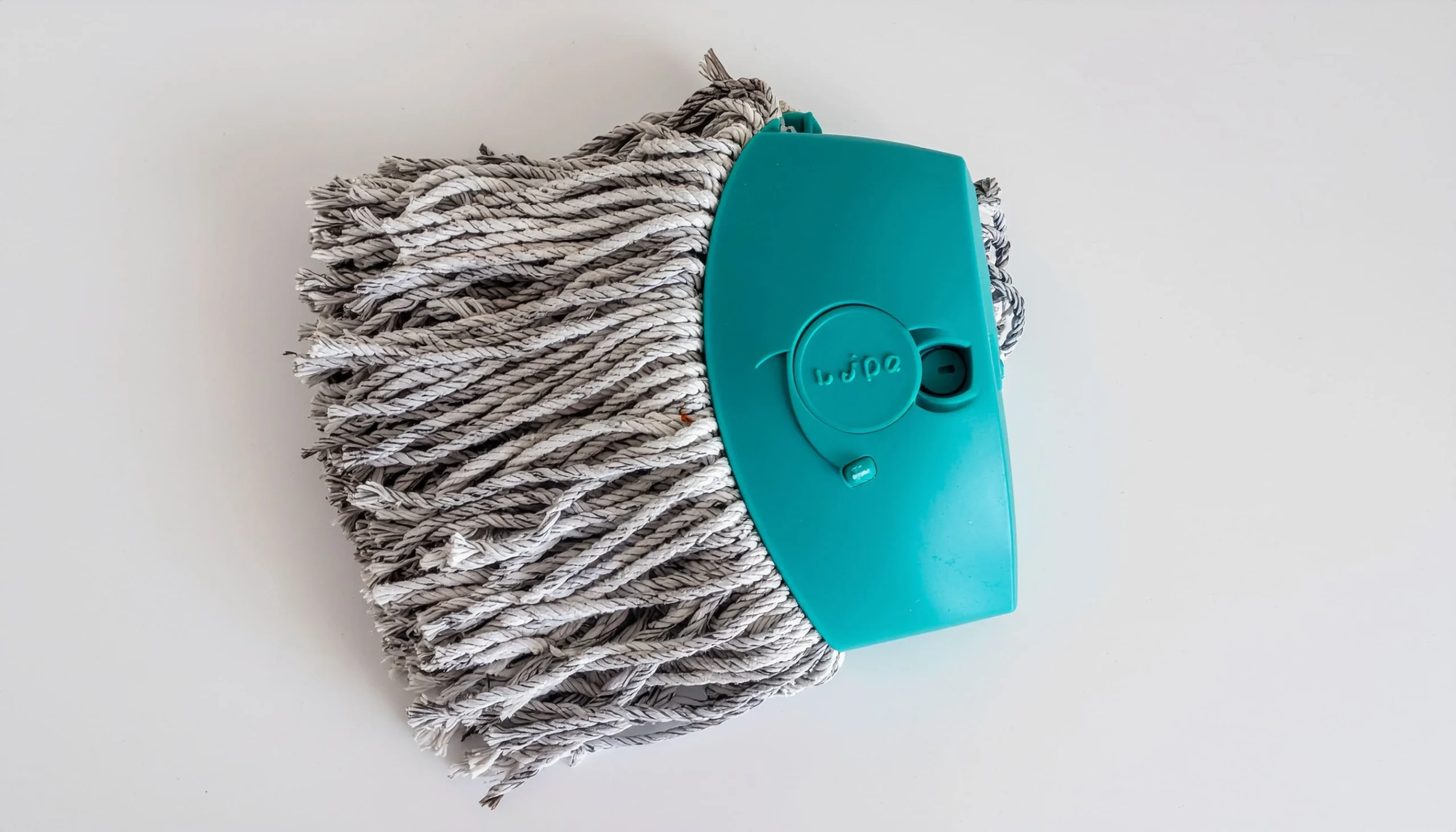
A microfibre mop head does not give you a warning before it stops working properly. It just quietly becomes less effective, leaving streaks instead of shine, pushing dirt around instead of lifting it. By the time you notice the difference, you have already wasted hours re-cleaning surfaces that should have been spotless the first time.
The difference between a fresh microfibre head and a worn-out one is not subtle when you know what to look for. A new head grabs dirt with thousands of tiny fibres that work like microscopic hooks, trapping particles and holding moisture evenly across the surface. A degraded head? It is basically pushing a smooth cloth around your floor, achieving about as much as wiping with a tea towel. But how much is inefficient cleaning really costing your business?
For commercial cleaners in Perth, this is not just about quality; it is about productivity. When you are contracted to clean 15 offices before sunrise or maintain a medical centre where hygiene standards are non-negotiable, your equipment needs to perform consistently. One failing mop head can add 20 minutes to a job, and over a week, that equates to hours of unpaid labour.
Why Microfibre Mop Heads Wear Out Faster Than You Think
Microfibre is not indestructible, despite what some marketing materials suggest. The fibres are typically a blend of polyester and polyamide, split during manufacturing to create those microscopic hooks that make them so effective. But every wash cycle, every chemical exposure, and every abrasive surface gradually breaks down that structure.
Here is what actually happens during normal use. The split fibres begin to fray and lose their shape after repeated contact with rough surfaces like concrete or textured tile. Chemical cleaners, especially those with high alkalinity or bleach, attack the polyamide component, causing fibres to become brittle and snap. Even the mechanical action of washing machines weakens the fibre structure over time, particularly if you are washing at high temperatures or using fabric softener, which you should never do with a microfiber mop head.
A facility manager at a Perth shopping centre learned this the hard way. They had been using the same mop heads for nearly two years, washing them religiously after every shift. The heads looked fine with no obvious tears or damage, but the cleaning team kept reporting that floors needed multiple passes to look clean. When they finally replaced the heads, the difference was immediate. What had been taking 40 minutes per section dropped to 25 minutes, and the floors actually stayed cleaner longer because dirt was being properly removed instead of redistributed.
The Real Signs Your Mop Head Needs Replacing
Visual inspection only tells part of the story. A mop head can look relatively intact but perform terribly because the fibre structure has degraded internally. You need to assess both visible damage and functional performance.
Physical Deterioration Markers
If the fibres feel smooth or slippery instead of slightly rough to the touch, the microscopic hooks have worn away. When the head has become noticeably thinner or more compressed, its holding capacity is compromised. Visible fraying along edges, colour fading from chemical damage, and backing material separating from the fibres all indicate the need for a microfibre mop refill.
Performance Indicators
The clearest signs of failure happen during use. Floors dry unevenly, leaving wet patches or streaks. You find yourself making multiple passes over the same area, or the head does not absorb water as readily as it used to. Dirt seems to spread rather than lift, and you are using more commercial cleaning supplies to achieve the same results.
Think of it like car tyres. The tread might look acceptable at first glance, but if you are sliding on wet roads or your stopping distance has increased, the functional performance has degraded beyond safe levels. The same principle applies here; if your mop isn’t cleaning effectively, it does not matter what it looks like.
How Often Should You Actually Replace Microfibre Mop Heads
The standard industry recommendation is 500 wash cycles, but that is a theoretical maximum under ideal conditions. When mapping out a commercial mop replacement schedule for real-world applications, you are looking at 3-6 months of regular use before performance drops below acceptable levels.
The replacement schedule depends heavily on your specific application. A microfiber mop head used on polished concrete in a retail space might last eight months because it is encountering minimal abrasion and light soiling. A wet mop head used daily in a commercial kitchen, exposed to grease, high-pH degreasers, and frequent washing? You will be lucky to get four months before it needs replacing.
High-Frequency Replacement Scenarios
Healthcare facilities with strict hygiene protocols, food service environments with grease, and high-traffic hospitality spaces cleaned daily need replacements every 2-3 months. Areas using aggressive chemical cleaners regularly degrade fibres rapidly.
Standard Replacement Schedule
For moderate office buildings, educational facilities with regular cleaning schedules, and residential cleaning services with varied client sites, expect a 4-6 month lifespan.
Extended Replacement
Low-traffic residential use, dry dust mopping applications, and controlled environments with minimal soiling might push a microfibre mop refill to 6-8 months, especially for backup heads with infrequent rotation.
We have seen cleaning contractors try to push heads beyond their useful life to save money, and it always backfires. The labour cost of re-cleaning or dealing with client complaints far exceeds the cost of a replacement head.
What Makes a Quality Replacement Head Worth Buying
Not all microfibre mop heads are created equal, and the cheapest option usually costs more in the long run. The difference between a budget microfibre mop replacement head and a quality one comes down to fibre density, construction method, and material composition.
Fibre density determines how much surface area is actually in contact with your floor. Quality heads have 200-300 grams of microfibre per square metre, creating a dense, plush surface that maintains contact even as it moves. Cheap heads might have half that density, which means they are essentially pushing air pockets around instead of making consistent contact.
Construction method affects durability and washing performance. Looped-end mops last longer than cut-end versions because the fibres are secured at both ends, preventing unravelling. Pocket-style attachments, where the mop frame slides into a pocket, distribute stress more evenly than centre-tab designs, extending the head’s lifespan.
Material blend impacts both cleaning performance and chemical resistance. The standard 80/20 polyester-polyamide blend works well for general commercial cleaning equipment, but some applications benefit from different ratios. Higher polyamide content improves absorbency and cleaning power but reduces chemical resistance.
Matching the Right Head to Your Cleaning Application
Using the wrong mop head for your specific application is like using a hammer to drive screws; it might technically work, but you are making life unnecessarily difficult. Different environments require different fibre configurations, sizes, and attachment methods.
For smooth, sealed surfaces like polished concrete, vinyl, or sealed timber, you want a dense, fine-fibre head that maintains even contact without scratching. These heads should be relatively thin to avoid leaving excess moisture and flexible enough to conform to slight surface variations. Keeping everything organised ensures you always have the right head on hand for the specific floor type.
For textured or rough surfaces like non-slip tiles, textured concrete, or grouted floors, you need a thicker head with more aggressive fibres that can reach into surface irregularities. The increased thickness also provides better absorbency for surfaces that hold more water.
For large, open areas, wider mop heads increase productivity by covering more surface area per pass. But in spaces with lots of furniture or tight corners, a narrower head provides better manoeuvrability without sacrificing too much coverage.
A Perth office cleaning company we work with keeps three different head types in rotation: heavy-duty heads for the ground-floor entrance, standard heads for the office floors, and fine-fibre heads for the executive boardroom. They use the same 16L mop bucket and frame system, but matched heads for each application. Their cleaning times dropped by 30 percent once they stopped trying to use one head for everything.
The Hidden Cost of Delaying Replacement
Every extra week you use a degraded mop head costs you in ways that do not show up on a purchase order. The most obvious cost is labour; you are paying cleaners to make multiple passes over surfaces that should be clean in one go. But the hidden costs add up faster.
Increased chemical usage happens when degraded fibres cannot hold solution properly, so cleaners compensate by applying more product. A worn head might use 50 percent more solution to achieve inferior results compared to a fresh microfiber mop head.
Surface damage occurs when fibres lose their softness and begin acting like abrasive pads. We have seen worn mop heads leave fine scratches on polished concrete and strip protective coatings from vinyl flooring, requiring expensive restoration work using floor scrubbers in perth.
Cross-contamination risks increase as fibres lose their ability to trap and hold particles. Instead of lifting dirt, worn heads push contamination around, potentially spreading bacteria in healthcare settings or allergens in food service environments.
Client complaints and contract risks emerge when visible cleaning quality drops. For commercial cleaners, one client complaint about streaky floors or sticky residue can jeopardise a contract worth thousands of dollars. The few dollars saved by stretching a microfibre mop refill becomes meaningless when you lose a major monthly contract. The preventive maintenance is always cheaper than the emergency repair.
How to Extend Mop Head Life Without Compromising Performance
Proper care will not make a mop head last forever, but it will help you reach that theoretical 500-wash maximum instead of failing at 200. The key is protecting the fibre structure from unnecessary damage while maintaining hygiene standards.
Washing Guidelines That Actually Matter
Use warm water (40-60°C), not hot, as high heat breaks down polyamide fibres. Choose a pH-neutral detergent like the Mr. Bean 5L All-Purpose Cleaner formulated specifically for sensitive materials. Never use fabric softener, bleach, or dryer sheets because they coat fibres and destroy absorbency. Wash mop heads separately from other laundry to avoid lint transfer, and air dry when possible.
Between-Use Care
Rinse heads thoroughly after each use to remove chemical residue. Hang to dry completely before storage; damp fibres breed bacteria and develop odours. Store in a well-ventilated area, never in a sealed bucket or bag, and rotate multiple heads to reduce wear on any single unit.
Chemical Compatibility
Avoid high-pH cleaners (above pH 11) for extended contact. Do not soak heads in bleach solutions, and rinse immediately after using solvent-based cleaners. Use the minimum effective concentration of commercial cleaning supplies perth to prevent chemical degradation.
A commercial cleaner in Perth’s northern suburbs implemented a simple rotation system with colour-coded heads for different areas. Blue for general office spaces, red for bathrooms, green for kitchens. Each colour had three heads in rotation, so no single head was used more than twice per week. Their average head lifespan increased from four months to seven months, and they reduced commercial mop replacement costs by 40 percent annually.
Where to Source Quality Replacement Heads in Perth
Securing a microfibre mop replacement head locally means you are not waiting two weeks for interstate shipping when you need supplies urgently. It also means you can physically inspect products before buying and get advice from people who understand Perth’s specific cleaning challenges, like our hard water that affects chemical performance, or the red dust that infiltrates everything during summer.
Weskleen Supplies stocks a comprehensive range of professional-grade commercial cleaning supplies designed for intense applications. These aren’t the consumer-grade heads you will find at hardware chains; they are built for daily use in demanding environments, with proper fibre density and construction methods that justify their slightly higher upfront cost through extended service life.
When you are evaluating suppliers, look beyond price. Ask about fibre composition, washing durability, and whether they stock replacement heads that fit your existing mop frames. A cheap head that only fits a proprietary frame system locks you into a single supplier. A quality head with a standard pocket design gives you flexibility and often lasts twice as long.
Consider buying in bulk if you are running a commercial operation. A six-pack of quality heads purchased together costs less per unit than buying individually, and you will always have fresh replacements on hand when performance starts declining.
Making the Switch: What to Expect From Fresh Mop Heads
The performance difference between a worn head and a fresh replacement is immediately noticeable. You will realise how much extra effort you had been putting in to compensate for degraded equipment.
Fresh microfibre feels slightly rough to the touch, and that is the split fibres ready to grab and hold particles. It absorbs water eagerly instead of repelling it. When you make a pass across a floor, you will see the commercial cleaning supplies perth distribute evenly rather than pooling in patches. Dirt lifts on the first pass instead of requiring multiple attempts.
Your cleaning times will drop, sometimes dramatically. What took three passes might now take one. Areas that needed re-mopping after drying might stay clean the first time. You will use less chemical because the fibres hold and distribute solution efficiently. How often should you replace your heads to ensure you are maximizing performance and efficiency? The data clearly shows proactive changes boost overall speed.
For commercial operations, this translates directly to labour savings. If a cleaner can complete their route 20 percent faster with fresh dust control fringe mops and wet heads, you can either reduce labour hours or take on additional clients with the same team. Over a year, the productivity gain from simply maintaining fresh mop heads can exceed several thousand dollars.
The Bottom Line on Microfibre Mop Replacement
Microfibre mop heads are consumables, not permanent equipment. Treating them as disposable items with a defined commercial mop replacement schedule, rather than trying to squeeze every possible use from degraded heads, improves cleaning outcomes and reduces total operational costs.
For most commercial applications in Perth, plan on replacing heads every 4-6 months with regular use. Mark the installation date on each head with a permanent marker on the backing so you can track actual lifespan and adjust your replacement schedule based on real performance data rather than guesswork.
Stock at least one spare microfibre mop replacement head for every mop in regular rotation. When performance starts declining, you can swap immediately instead of limping along with degraded equipment while waiting for a replacement order. This costs perhaps $50-100 upfront for a small operation but eliminates the productivity losses from using worn-out heads.
Buy quality from suppliers who understand commercial cleaning equipment requirements. The cheapest option rarely delivers the best value when you factor in lifespan, performance, and the labour costs of working with inferior equipment.
If you are unsure about what your operation needs or want to discuss specific applications, contact us on 1800 728 926 for advice based on your actual cleaning requirements. Weskleen Supplies has equipped everyone from single-person residential cleaners to facilities management teams responsible for Perth’s largest commercial properties, and we can help you identify the most cost-effective solution for your situation.