


Blog
Dusting Mops for Commercial Use: Best Options for Perth Facility Managers

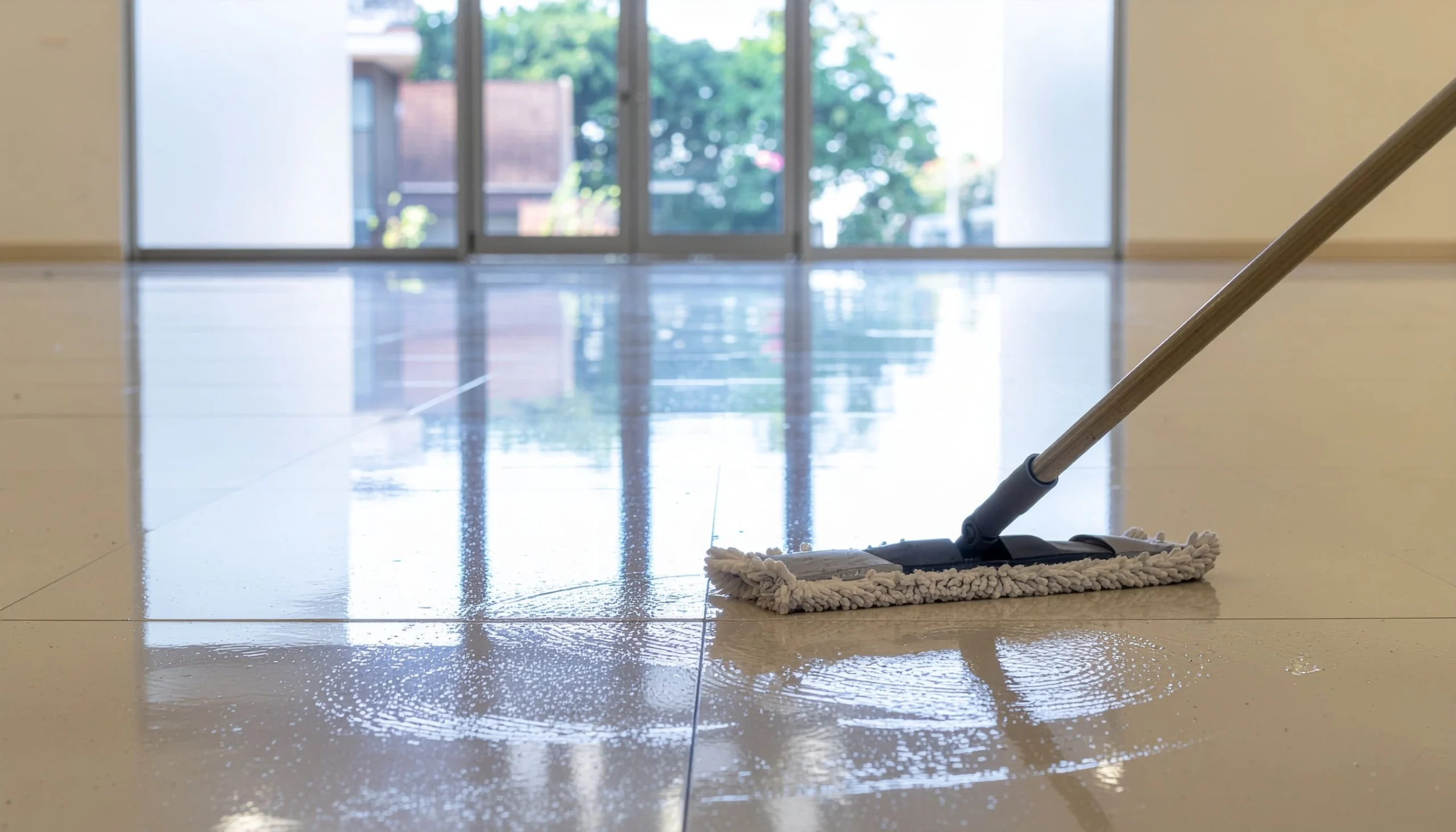
Dust does not just settle; it accumulates, migrates, and becomes a persistent operational challenge for Perth facility managers. In commercial environments, from healthcare centres to educational institutions, dust control directly impacts air quality, surface hygiene, and the professional appearance of your space. A proper commercial dusting mop is not just a cleaning tool; it is a preventative measure that reduces allergens, protects equipment, and maintains the standards your clients and occupants expect.
The difference between residential and commercial dust control comes down to efficiency and durability. Domestic dust tools handle occasional use across small areas. Commercial operations demand equipment that withstands daily use across hundreds or thousands of square metres whilst maintaining consistent performance. But what happens when domestic tools are used in heavy-duty environments? They fail rapidly, costing more in replacement and lost labour time than if professional equipment had been purchased initially.
What Makes a Commercial Dusting Mop Different
Walk into any hardware store and you will find budget dusting tools designed for home use. They work fine for a lounge room. But they will fail within weeks in a commercial setting.
An industrial dust mop features robust, commercial-grade construction. The frames use reinforced aluminium or steel, not lightweight plastic that snaps under repeated stress. The mop heads utilise high-density microfibre or treated cotton specifically engineered to attract and hold dust particles through electrostatic action, not just push them around.
Here is a practical example: A facility manager at a Perth secondary school switched from domestic-grade dust mops to professional dust control systems from Weskleen Supplies. Within the first month, they reduced dust-related cleaning time by 35 percent and extended the intervals between deep cleans. The equipment cost more upfront, but the labour savings paid back the investment in under three months.
The Science Behind Effective Dust Capture
Not all fibres trap dust equally. Understanding the mechanics helps you choose the right tool for your commercial cleaning supplies perth inventory.
Microfibre technology works through two mechanisms. The split-fibre structure creates thousands of tiny hooks that physically capture particles, whilst the material’s composition generates a mild static charge that attracts dust. Quality microfibre can hold up to seven times its weight in particles before requiring cleaning.
Traditional cotton dust mops rely on treatment solutions that create tackiness. They work well for specific applications, particularly on polished concrete or sealed timber, but require regular re-treatment to maintain effectiveness. The treated fibres attract dust but can leave a slight residue on some surfaces.
Consider your floor types when selecting between these technologies. Microfibre excels on vinyl, laminate, and most hard surfaces. Treated cotton performs better on unsealed or textured surfaces where microfibre might snag.
Key Features Perth Facility Managers Should Prioritise
Your operational requirements dictate which features matter most. Here is what we have found makes the biggest difference in commercial cleaning equipment settings:
Frame Width and Manoeuvrability
Larger facilities need wider frames (60-90cm) to cover ground quickly. Tighter spaces require compact designs (40-50cm) that navigate around furniture and equipment. Adjustable handles accommodate different operator heights, reducing fatigue during extended use.
Head Attachment Systems
Quick-release mechanisms let staff swap dirty heads for clean ones in seconds, not minutes. Velcro systems work but collect lint over time. Hook-and-loop industrial fasteners maintain grip through hundreds of washes.
Washability and Longevity
Commercial mop heads should withstand at least 500 wash cycles without significant performance degradation. Quality microfibre maintains its structure and static properties through proper laundering. Budget options shed fibres and lose effectiveness after 50-100 washes.
Dust Control Mops for Different Commercial Environments
The best commercial dusting mop for a medical centre differs from the optimal choice for a warehouse. Let us break down specific applications:
Healthcare and Aged Care Facilities
These environments demand strict infection control compliance. Dust control systems designed for healthcare use colour-coded backing to prevent cross-contamination between areas. Blue for general areas, red for high-risk zones, and yellow for isolation rooms. The mop heads must withstand high-temperature laundering (minimum 70°C) to meet hygiene standards.
Educational Institutions
Schools and universities need robust equipment that handles high traffic and diverse floor surfaces. A heavy-duty industrial dust mop covers corridors and halls efficiently during limited cleaning windows. Durability matters more here than in almost any other setting. Equipment gets knocked about, stored roughly, and used by multiple staff members with varying care levels.
Retail and Hospitality
These sectors need visible cleanliness. Dust control happens continuously, not just during closed hours. Compact, manoeuvrable tools allow staff to work around customers without disruption. Quick-change head systems let staff maintain a pristine appearance by swapping heads frequently. A restaurant manager in Northbridge told us they change dust mop heads three times during service; once before opening, once during the afternoon lull, and once after closing.
Comparing Popular Commercial Dust Mop Systems
Several systems dominate Perth’s commercial market when selecting commercial cleaning supplies. Here is how they stack up:
Traditional fringe mops use looped cotton or synthetic yarn treated with dust-attracting solutions. They are economical and effective on textured surfaces. The downsides are that they require regular treatment, work less effectively on smooth surfaces, and need more frequent replacement than microfibre alternatives.
Flat microfibre systems feature rectangular heads with high-density microfibre pads. They cost more upfront but last significantly longer. They work brilliantly on smooth surfaces and require no chemical treatments. The limitation is that they are less effective on heavily textured floors where the flat profile cannot reach into crevices.
Fringe designs combined with microfibre offer the best of both approaches. The fringe design reaches into textured surfaces whilst microfibre technology provides superior particle capture. These represent the premium option but deliver the most versatile performance across varied floor types.
Maintenance Practices That Extend Equipment Life
Proper care multiplies your equipment investment. We have seen identical commercial cleaning equipment last three months or three years depending entirely on maintenance practices.
Daily maintenance takes minimal time but makes a substantial difference. After each use, shake out the mop head outdoors or into a bin to remove loose particles. This simple step prevents particle buildup that degrades fibre effectiveness.
Store mops hanging or laid flat, never compressed in corners or under equipment. Compressed fibres develop permanent bends that reduce surface contact and cleaning efficiency.
Weekly washing maintains performance. Use standard washing machines with mild detergent. Avoid fabric softeners; they coat fibres and eliminate the static properties that attract dust. Hot water cleans thoroughly without damaging quality microfibre.
Monthly inspection catches problems early. Check frame joints for looseness, handle connections for stability, and head attachments for wear. A loose frame wastes operator energy and reduces cleaning effectiveness.
Integration With Broader Cleaning Systems
Dust control works best as part of a comprehensive approach, not an isolated task. Here is how effective facility managers structure their systems:
Sequence matters immensely. Dust control comes before wet cleaning, always. Attempting to mop before removing dust is like trying to wash a car covered in mud without rinsing it first; you create a muddy residue that is harder to remove and leaves streaks on hard surfaces.
In multi-surface facilities, clean from high to low and dry to wet. Dust high surfaces first, then use dust mops on floors, followed by spot cleaning with damp methods only where necessary. If maintaining carpets in the same facility, using a commercial carpet cleaning machine extracts embedded dirt that dry methods cannot capture.
A Perth office building manager implemented zone-based scheduling: reception and corridors get dust mopped twice daily, office areas once daily, and storage zones twice weekly. This targeted approach reduced overall cleaning time by 20 percent whilst improving visible cleanliness in public areas.
Equipment pairing is also crucial. Dust mops work alongside other tools. Pair them with a quality microfibre mop head for wet cleaning, keeping the systems separate to prevent cross-contamination. Use a cleaning hand caddy to transport small supplies efficiently between zones.
Cost Analysis: Investment vs. Performance
Budget constraints affect every facility decision. Let us examine the real costs over a 12-month period.
A basic residential-grade dust mop costs around $15. It will last approximately 2-3 months in commercial use before the head deteriorates and the frame loosens. Annual cost runs at $60-90 in equipment, plus increased labour time due to reduced efficiency as the equipment degrades.
A quality commercial dusting mop system costs $80-120 initially. The frame lasts 3-5 years with proper care. Replacement heads cost $25-45 but last 12-18 months. Annual cost averages $40-60 in replacement heads after the first year, with consistent performance throughout the equipment’s life.
The commercial system costs more upfront but less annually after year one. More importantly, it maintains consistent efficiency. The residential option loses effectiveness as it wears, requiring operators to make multiple passes over the same area. That hidden labour cost often exceeds the initial equipment savings.
Perth-Specific Considerations
Our local environment creates unique challenges. Perth’s dry climate generates more airborne dust than humid regions, particularly during summer months. Coastal facilities deal with salt-laden dust that is more abrasive and corrosive to equipment, which demands a reliable industrial dust mop to prevent premature wear.
Seasonal adjustment matters here. Increase dust control frequency during Perth’s dry season when dust generation peaks. Facilities near construction sites or unpaved areas need even more frequent attention. By removing fine grit early, you protect hard floors from scratches and delay the need for heavy-duty restoration using floor scrubbers in perth.
Equipment storage requires climate consideration. Perth’s temperature extremes can affect some synthetic materials. Store commercial cleaning supplies perth in climate-controlled areas when possible, or choose materials rated for temperature variation if storage occurs in unconditioned spaces.
Making the Selection Decision
You have reviewed the options and considerations. Here is a practical framework for choosing your system:
Assess your floor surfaces. Predominantly smooth hard surfaces? Microfibre flat mops deliver the best results. Mixed surfaces or textured floors? Fringe-style dust control mops offer better versatility.
Calculate your coverage area. Facilities over 1,000 square metres benefit from wider frames that reduce cleaning time. Smaller spaces or areas with dense furniture work better with compact designs. Evaluate your cleaning team, as experienced staff can maintain more sophisticated systems effectively, while high-turnover teams need simpler, more forgiving equipment.
Budget realistically and factor in total cost of ownership, not just the purchase price. Include replacement heads, laundering costs, and expected lifespan. The cheapest option rarely proves most economical over time when managing commercial cleaning supplies perth operations.
Conclusion
Effective dust control in commercial facilities requires more than just any mop; it demands purpose-built equipment designed for the unique challenges of professional environments. The right commercial dusting mop reduces labour costs, improves air quality, and maintains the professional appearance your facility requires.
Perth facility managers face specific challenges from our dry climate and diverse commercial environments. Selecting equipment that matches your floor surfaces, traffic patterns, and operational requirements ensures you are investing in solutions that deliver lasting value, not just meeting immediate needs with inadequate tools.
Quality equipment costs more initially but proves more economical over time through extended lifespan, consistent performance, and reduced labour requirements. When you factor in the total cost of ownership, including replacement frequency, cleaning efficiency, and staff time, professional-grade dust control systems consistently outperform budget alternatives.
The difference between adequate and excellent facility maintenance often comes down to using the right tools for the job. Securing a premium industrial dust mop represents one of those foundational decisions that affects everything else in your cleaning operation. If you need assistance selecting the appropriate dust control setup for your specific facility challenges, contact us directly. Choose wisely with Weskleen Supplies, maintain properly, and you will see the benefits in both immediate cleanliness and long-term operational efficiency.