


Blog
Blue Mop and Bucket Sets: The Standard Choice for Perth Cleaning Contractors

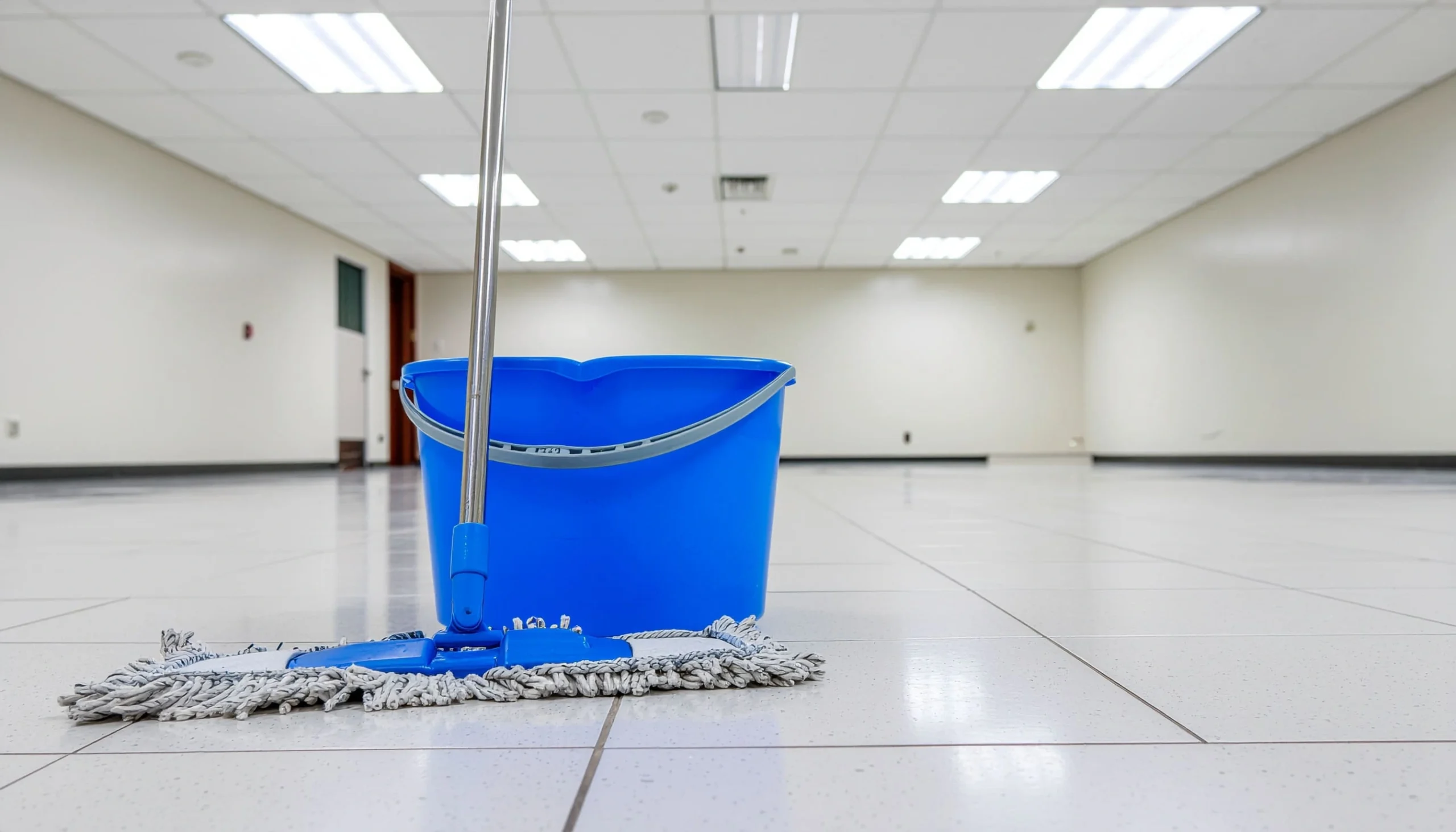
Choosing the right mop and bucket system can make day-to-day cleaning work easier to organise. For commercial cleaning teams, the decision is not simply about picking a bucket colour. Factors such as the cleaning plan, mop-head compatibility, wringer design, mobility, storage and staff training can all affect how useful the equipment is in practice.
Many commercial teams use colour-coded equipment to separate tasks and reduce cross-use. The colour system should be established in your site’s cleaning plan, communicated to staff and supported with clearly labelled equipment and storage.
For Perth cleaning contractors, a suitable mop and bucket setup should match the type of facility being cleaned, the flooring involved and the team’s cleaning procedures.
Why Colour-Coded Equipment Matters
Colour-coded cleaning equipment can provide a simple visual way to separate equipment between different tasks or areas.
However, there is no universal colour system that applies to every organisation. Individual facilities may use different colours for different tasks, so staff should follow the colour system established in their site’s cleaning plan.
A practical colour-coding system should include:
- Clearly defined colours for specific cleaning tasks or zones
- Staff training on what each colour represents
- Clearly labelled storage areas
- Separate equipment where the cleaning plan requires it
- Regular checks to ensure equipment is being used according to the site’s procedures
The aim is to make the system easy for staff to understand and apply consistently rather than relying on assumptions about what a particular colour means.
For businesses looking for cleaning equipment and supplies in Perth, WesKleen Supplies provides a range of products for commercial cleaning applications.
What to Consider When Choosing a Commercial Mop and Bucket
A commercial mop and bucket system should be selected according to the requirements of the cleaning operation.
Rather than focusing on a single specification, consider how the equipment will be used during a typical shift.
Bucket and Wringer Design
The wringer is one of the most important parts of a mop and bucket system because it controls how the mop is prepared for use.
When comparing options, consider:
- How the wringer operates
- Whether it is suitable for the mop heads being used
- Whether staff can operate it comfortably
- How easy the bucket is to empty and clean
- Whether the base provides the mobility required for the site
The equipment should be practical for the cleaning team and compatible with the site’s established procedures.
Capacity and Mobility
Bucket capacity should be considered alongside the size and layout of the facility.
A larger capacity may be useful where the team needs to cover larger areas, while a smaller setup may be more practical in confined spaces.
Mobility is another consideration. If the equipment needs to be moved regularly across a large facility, a suitable wheel or caster system can make transportation more practical.
Consider the distance cleaners need to travel, the floor surfaces involved and where the bucket will be stored between tasks.
Choosing the Right Mop Head
The mop head should be compatible with the bucket and wringer system and appropriate for the cleaning tasks being performed.
Microfibre is one option for commercial cleaning applications. The Enduro blue microfibre mop head is a blue professional microfibre mop head with loop construction and a 350g product specification.
The right mop head depends on the cleaning environment, flooring, cleaning procedure and equipment already in use.
When selecting a mop head, check:
- Compatibility with the mop handle and wringer
- The intended cleaning application
- The manufacturer’s care instructions
- The laundering requirements
- Whether the colour fits the site’s cleaning system
Choose the mop type and laundering routine specified by the manufacturer and your site’s cleaning plan rather than relying on generic performance or lifespan figures.
Chemical Compatibility and Cleaning Products
The cleaning chemical used with a mop and bucket should always be selected according to the surface, cleaning task and product instructions.
Do not assume that a bucket or mop system is compatible with every cleaning chemical. Check the manufacturer’s instructions for the equipment and follow the chemical label for dilution, handling and application.
For facilities looking for a water-based floor-cleaning option, Mr Bean Floor Cleaner 5L is one product available from WesKleen Supplies.
Chemical selection should remain separate from equipment selection. The fact that a product is suitable for a particular cleaning task does not automatically establish compatibility with every bucket, mop head or surface.
Building a Practical Cleaning System
A mop and bucket is one part of a wider cleaning operation. The equipment needs to work alongside the site’s cleaning plan, chemicals, mop-head rotation, storage procedures and staff training.
The number of buckets and mop changes required will depend on factors such as:
- Floor type
- Soil load
- Traffic levels
- Cleaning frequency
- Colour-coding requirements
- Chemical instructions
- Available laundering facilities
- The size and layout of the facility
There is no single bucket-to-floor-area ratio that applies to every commercial facility.
Set the number of buckets, mop changes and machine/manual split according to the floor type, soil load, traffic, chemical label and documented cleaning plan.
For keeping cleaning products and tools organised, an Edco Cleaning Caddy can provide a useful accessory pathway for cleaning teams.
Training Staff on Proper Equipment Use
Even suitable equipment needs to be used correctly.
Cleaning staff should understand:
- Which equipment is assigned to each task or area
- How to operate the wringer
- How to prepare and use the mop head
- How cleaning chemicals should be diluted and handled
- How and where equipment should be stored
- When mop heads should be changed or laundered
- What to do if equipment becomes damaged
Training should follow the site’s documented cleaning procedures and the manufacturer’s instructions for the equipment and products being used.
This approach also makes it easier for supervisors to identify when equipment is being used outside the intended cleaning process.
Cleaning and Maintaining the Equipment
Mop buckets and wringers should be kept clean and checked regularly as part of normal site maintenance.
Rather than applying a universal inspection or lubrication schedule, follow the manufacturer’s care instructions for the specific product.
After use, consider the site’s cleaning procedure for:
- Emptying the bucket
- Cleaning the bucket and wringer
- Allowing equipment to dry appropriately
- Storing equipment correctly
- Checking for visible damage
- Removing damaged equipment from service where necessary
If a bucket, wringer, mop handle or other component becomes damaged, assess whether it remains suitable for use and follow the manufacturer’s replacement or maintenance guidance.
Manual Mopping and Floor Scrubbers
Commercial cleaning operations may use both manual and mechanical cleaning methods.
The appropriate balance depends on the facility and the areas being cleaned. A floor scrubber may be useful for large open areas, while manual equipment can be more practical for areas that are difficult for a machine to access.
WesKleen Supplies’ floor scrubbers in Perth provide an option for businesses considering mechanical floor-cleaning equipment.
The decision should be based on the floor layout, surface type, access, cleaning requirements, equipment availability and the site’s documented cleaning procedures.
Selecting the Right Setup for Your Facility
There is no single mop and bucket configuration that suits every commercial operation.
A small office may prioritise compact equipment and straightforward storage, while a larger facility may require multiple cleaning stations, additional mop heads, mobile equipment or a combination of manual and mechanical cleaning.
When selecting equipment, consider:
- Facility size and layout
- Number of cleaning staff
- Floor surfaces
- Cleaning frequency
- Colour-coding requirements
- Mop-head compatibility
- Wringer operation
- Bucket mobility
- Storage space
- Chemical compatibility
- Replacement parts and consumables
- Staff training requirements
- Supplier support
The initial purchase price is only one part of the procurement decision. Consider the ongoing availability of compatible mop heads, replacement components and other consumables, as well as how easily the equipment can be stored, moved and maintained.
A Practical Procurement Checklist
Before purchasing a commercial mop and bucket system, confirm that:
- The bucket is suitable for the intended cleaning tasks
- The mop head is compatible with the wringer and handle
- The colour fits the site’s cleaning plan
- The wringer is practical for the cleaning team
- The equipment can be moved around the facility as required
- Chemical compatibility has been checked
- Manufacturer care instructions are available
- Replacement mop heads and components can be sourced
- Staff can be trained to use the system correctly
- Storage arrangements are suitable
This gives cleaning contractors a more useful basis for comparison than relying on a single capacity, price or performance claim.
Frequently Asked Questions
Is blue always used for washroom cleaning?
No. Colour systems are organisation-specific. Many commercial teams use colour coding to separate cleaning tasks, but each facility should define its own system, train staff on it and label storage clearly.
Which mop head should I use with a commercial bucket?
Choose a mop head that is compatible with the bucket and wringer and suitable for the cleaning task. Follow the mop-head manufacturer’s instructions for use and laundering.
Does a larger bucket always provide better performance?
Not necessarily. Capacity should match the facility, cleaning workflow, storage arrangements and mobility requirements. A larger bucket may not be practical in smaller or restricted areas.
Should I choose manual mopping or a floor scrubber?
It depends on the facility. Manual equipment can be useful for areas that are difficult to access with machines, while floor scrubbers can be considered for suitable larger floor areas. The cleaning plan should determine which method is appropriate.
What should I consider besides the purchase price?
Consider mop-head compatibility, replacement parts, consumables, storage, mobility, chemical compatibility, maintenance requirements and supplier support.
Conclusion
A blue mop and bucket can form part of an organised commercial cleaning system, but the colour itself does not determine the correct cleaning procedure.
Start with the site’s cleaning plan, then choose equipment that matches the facility, cleaning tasks and staff workflow. Check mop-head compatibility, wringer operation, mobility, chemical instructions and storage requirements before purchasing.
WesKleen Supplies offers commercial cleaning equipment and supplies for businesses looking to build or update their cleaning setup. If you need help selecting products for your operation, contact our team or call 1800 728 926 to discuss your requirements.