


Blog
Safety Briefings Every Cleaner Should Attend

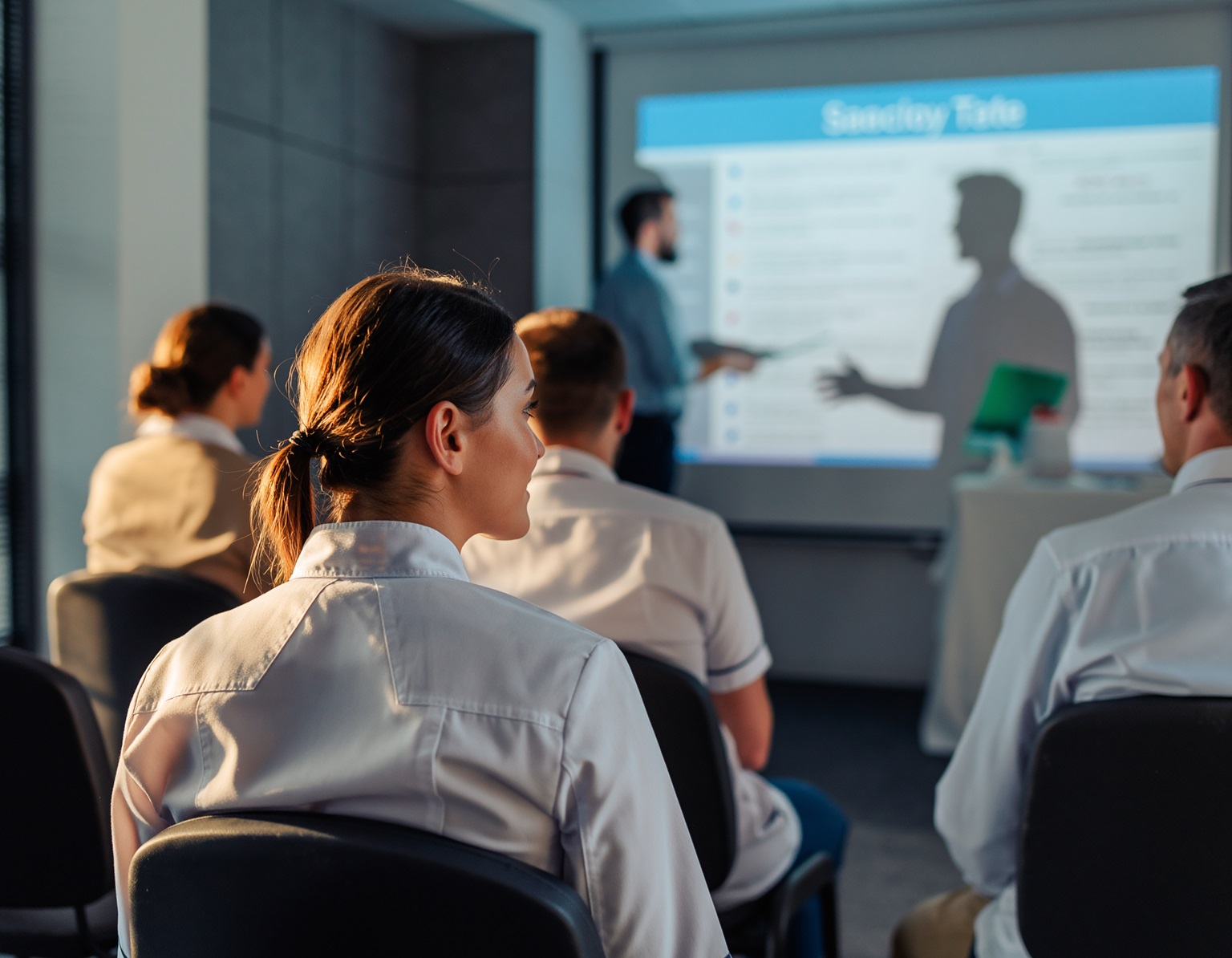
Professional cleaning isn’t just about removing dirt – it’s about managing risk. Every chemical you mix, every machine you operate, and every surface you treat comes with potential hazards that can cause injury, illness, or property damage if handled incorrectly. That’s why structured cleaning safety briefings aren’t optional extras for dedicated teams; they’re the foundation of competent, confident work.
At Weskleen Supplies, we’ve seen the difference proper training makes. A cleaner who understands the science behind dilution ratios won’t accidentally create a toxic gas by mixing incompatible products. Someone who’s been briefed on ergonomic techniques can work an entire shift without developing chronic back pain. These aren’t theoretical benefits – they’re practical outcomes that protect both workers and the businesses they serve.
The cleaning industry faces unique challenges because the work environment constantly changes. One day you’re maintaining a medical centre with strict infection control procedures, the next you’re stripping floors in a retail space after hours. Each setting demands different knowledge, and that’s precisely why ongoing cleaning safety briefings matter more than a single induction session ever could.
Chemical Handling and Hazard Recognition
Every professional cleaner works with substances that can harm them if used incorrectly. But how do you know which products pose which risks, and what precautions actually matter? The difference between a safe, effective clean and a dangerous situation often comes down to understanding what you’re actually using.
A proper chemical safety briefing starts with teaching cleaners how to read Safety Data Sheets (SDS). These documents aren’t bureaucratic paperwork – they’re survival guides for each product. We train our teams to identify the critical sections: the hazard statements that explain what can go wrong, the first aid measures that could save someone’s eyesight, and the handling precautions that prevent accidents before they happen.
Chemical pH hazard recognition is essential for every cleaning professional. pH levels determine how a chemical behaves, and understanding this spectrum prevents serious mistakes. Alkaline cleaners with high pH values excel at cutting through grease and organic matter, which makes them perfect for kitchen floors. Acidic cleaners with low pH values dissolve mineral deposits and soap scum, ideal for bathroom maintenance. But here’s what matters for chemical pH hazard recognition: mixing a strong acid with a strong alkali doesn’t give you a neutral cleaner – it creates a violent chemical reaction that can splash, burn, and release heat.
Think of it like this: you wouldn’t pour petrol on a barbecue because you understand fuel behaves differently than lighter fluid. The same logic applies to cleaning chemicals through proper chemical pH hazard recognition, yet without proper briefings, people make dangerous assumptions based on how products look or smell.
Chlorine-based sanitisers represent another critical training area for chemical pH hazard recognition. Products like Comet Foaming Cleaner & Sanitiser deliver powerful disinfection for high-hygiene areas, but only when used according to instructions. We’ve encountered cleaners who thought “more is better” and created hazardous concentrations, or who mixed bleach-based products with acidic toilet cleaners and produced chlorine gas. A fifteen-minute briefing on chlorine chemistry prevents these life-threatening errors.
The hierarchy of chemical storage also requires specific training. Concentrated products must be stored separately from diluted ready-to-use solutions. Acids and alkalis need physical separation. Flammable products require cool, ventilated storage away from ignition sources. These aren’t suggestions – they’re requirements under workplace health and safety legislation, and cleaners need to understand why each rule exists.
Personal Protective Equipment Selection
PPE isn’t about ticking compliance boxes – it’s about matching protection to actual risk. We’ve found that cleaners who understand why they’re wearing specific equipment are far more likely to use it correctly and consistently through proper PPE selection protocols.
Gloves seem straightforward until you realise that different materials protect against different hazards. Latex gloves might be fine for light dusting work, but they’ll degrade rapidly when exposed to petroleum-based solvents. Nitrile gloves offer better chemical resistance for general cleaning tasks. Heavy-duty rubber gloves become necessary when working with concentrated acids or alkalis. PPE selection protocols teach cleaners to assess the task and select appropriate hand protection, rather than grabbing whatever’s nearest.
Eye protection becomes non-negotiable when working with spray chemicals, particularly above shoulder height. We train teams through PPE selection protocols to wear safety glasses or goggles whenever they’re diluting concentrated products, using trigger sprayers, or cleaning overhead surfaces. It takes one splash incident to cause permanent vision damage, and it’s entirely preventable.
Respiratory protection deserves more attention than it typically receives in PPE selection protocols. Cleaning in poorly ventilated spaces – like small bathrooms or storage rooms – can expose workers to harmful vapour concentrations even from products that seem mild. We brief cleaners on recognising situations that require masks: working with aerosol products, cleaning in confined spaces, or using anything that produces visible fumes or strong odours.
Here’s a scenario we use in training: a cleaner needs to remove stubborn adhesive residue from glass doors using Goof Off Adhesive Remover. The briefing covers using it in a well-ventilated area, wearing nitrile gloves because it’s solvent-based, and keeping it away from skin and eyes. This specific, practical guidance proves far more valuable than generic “wear PPE” instructions.
Footwear often gets overlooked in cleaning safety discussions, yet slips represent one of the most common workplace injuries. Non-slip, closed-toe shoes aren’t about appearance – they’re about maintaining stability on wet floors and protecting feet from dropped equipment or chemical spills.
Equipment Operation and Maintenance Safety
Professional cleaning equipment ranges from simple squeegees and mops to complex machinery that can cause serious injury if operated incorrectly. We’ve learned that equipment safety briefings need to be hands-on, not theoretical.
Floor scrubbers like the Polystar Orbital Floor Scrubber use rotating brushes or pads under significant pressure to clean surfaces. Before anyone operates this equipment, they need to understand the start-up sequence, how to maintain control on different floor types, and the emergency stop procedure. We’ve seen operators lose control because they didn’t understand how the machine behaves on wet tile versus dry concrete – the learning curve shouldn’t happen during actual cleaning jobs.
Carpet cleaning equipment presents different risks. Machines like the Steamvac HP Auto 2 Carpet Steamer operate with hot water and steam, creating burn risks if operators don’t follow proper procedures. The briefing covers safe filling and emptying, managing the power cord to prevent trips, and understanding pressure relief before opening any component.
Battery-powered equipment like the Medusa Battery-Powered Sweeper requires specific charging safety protocols. Lithium batteries need proper storage conditions and charging procedures to prevent fire risks. We train cleaners to inspect batteries for damage, use only approved chargers, and never leave batteries charging unattended overnight.
Backpack vacuums such as the Pacvac Superpro 700 Backpack Vacuum offer excellent manoeuvrability but create ergonomic challenges if worn incorrectly. The briefing demonstrates proper fitting, weight distribution, and posture to prevent back and shoulder strain. A poorly adjusted backpack vacuum worn for hours creates cumulative damage that might not appear until months later.
Maintenance safety deserves equal attention to operation. Cleaners need to know that you never service equipment whilst it’s still connected to power, that you must allow hot components to cool before touching them, and that worn or damaged parts require immediate replacement rather than makeshift repairs. We’ve encountered teams using equipment with frayed power cords or damaged guards because no one briefed them on inspection protocols.
Ergonomics and Manual Handling Techniques
Cleaning involves repetitive movements, awkward postures, and manual handling that can cause musculoskeletal injuries if performed incorrectly. We prioritise ergonomic manual handling briefings because the damage accumulates gradually – by the time someone feels chronic pain, the injury’s already established.
Mopping technique affects every cleaner who works with traditional mops, making ergonomic manual handling training essential. The instinct is to bend from the waist and push hard, but this creates enormous strain on the lower back. We demonstrate the correct technique: maintaining an upright posture, using leg muscles rather than back muscles, and letting the mop do the work through proper technique rather than force. The Enduro Microfibre Mop Head captures dirt efficiently with minimal pressure, which reduces the physical effort required.
Reaching overhead – whether you’re cleaning high windows or dusting ceiling vents – creates shoulder and neck strain if done repeatedly without proper equipment. Extension poles like the Ettore 5.5m Extension Pole eliminate the need for overreaching or working from unstable positions. The ergonomic manual handling briefing covers selecting the right pole length for the task and maintaining balance whilst using extended tools.
Manual handling of supplies and equipment requires specific training on lifting techniques as part of ergonomic manual handling. A 16L mop bucket filled with water weighs over 16 kilograms – lifting it incorrectly can cause immediate back injury. We teach the fundamentals: assess the load first, keep it close to your body, lift with your legs whilst keeping your back straight, and never twist whilst holding weight.
Repetitive strain injuries develop from performing the same motion hundreds of times daily. Trigger finger from constant spray bottle use, tennis elbow from repetitive scrubbing, and carpal tunnel syndrome from gripping tools too tightly – all of these are preventable through technique modification and regular breaks. We brief cleaners on varying their tasks, stretching between activities, and recognising early warning signs of strain.
Here’s an analogy that resonates: your body is like professional equipment. A floor scrubber gets regular maintenance because running it incorrectly causes expensive damage. Your joints and muscles deserve the same consideration, and proper technique is the maintenance protocol that keeps them working reliably.
Slip, Trip and Fall Prevention
Falls represent the leading cause of workplace injuries across all industries, and cleaning work creates unique fall risks. We’ve developed cleaning safety briefings that address both preventing falls and avoiding liability for creating hazards.
Wet floor management requires systematic protocols. It’s not enough to mop and hope people notice – cleaners must use highly visible warning signs, block access to wet areas where possible, and work in patterns that don’t trap people in wet zones. We train teams to start mopping from the furthest point and work backwards towards the exit, ensuring they don’t create isolated wet patches that catch people unaware.
The timing of cleaning operations matters enormously for slip prevention. Mopping a busy corridor during peak traffic creates unnecessary risk. We brief cleaners on scheduling high-risk tasks during low-traffic periods, communicating with building occupants about cleaning schedules, and adjusting techniques based on foot traffic patterns.
Trailing power cords from vacuum cleaners and floor machines create trip hazards that injure both cleaners and others. The briefing covers cord management: using equipment with adequate cord length for the space, securing cords along walls rather than across walkways, and using clearly visible cord covers when crossing pathways is unavoidable. Battery-powered options like the Pacvac Superpro 700 Battery Kit eliminate cord hazards entirely in many situations.
Cleaning supplies left unattended create obstacles. We’ve investigated incidents where someone tripped over a cleaning hand caddy left in a walkway or a bucket positioned near a doorway. The training emphasises maintaining awareness of surroundings, positioning supplies out of traffic flow, and never leaving equipment unattended in public areas.
Working at height introduces fall risks that require specific control measures. Cleaners should never stand on office chairs, boxes, or other improvised platforms. Proper step stools or ladders with non-slip feet provide stable working platforms. We brief teams on the three-point contact rule, assessing ladder stability before climbing, and recognising tasks that require professional height access equipment rather than standard ladders.
Infection Control and Cross-Contamination Prevention
Professional cleaning directly impacts public health, particularly in medical facilities, food service areas, and high-traffic public spaces. Infection control procedures teach cleaners that they’re not just removing visible dirt – they’re managing invisible microbial threats.
Colour-coded cleaning systems prevent cross-contamination as part of proper infection control procedures. We implement strict protocols: red equipment for toilets and urinals, yellow for washbasins and bathroom surfaces, green for food preparation areas, and blue for general areas. A cleaner who uses the same cloth in a toilet and then in a kitchen creates serious health risks. The briefing makes this visceral: would you want someone wiping your dining table with a cloth that just cleaned a public toilet? That’s why the system exists.
Microfibre technology has revolutionised infection control procedures in cleaning. Products like dust control mops trap and hold particles rather than spreading them around, but only if used correctly. We train cleaners on proper microfibre care: washing separately from other laundry, avoiding fabric softener that clogs fibres, and replacing worn microfibre that’s lost its effectiveness.
High-touch surface protocols deserve special attention. Door handles, light switches, handrails, and lift buttons harbour concentrated microbial contamination because hundreds of hands contact them daily. We brief teams on identifying these critical points and ensuring they receive appropriate attention with suitable disinfectants, not just general-purpose cleaners.
Toilet cleaning procedures require specific sequencing to prevent spreading contamination. We teach the top-to-bottom, clean-to-dirty approach: start with external surfaces, move to the seat and lid, and finish with the bowl interior using dedicated tools like the Oates Ergo Extra-Long Toilet Brush. The extended handle design keeps hands further from contaminated surfaces, reducing exposure risk.
Blood and bodily fluid protocols follow strict guidelines. Any cleaner might encounter these substances, and the briefing covers treating all bodily fluids as potentially infectious, using appropriate PPE, containing and removing contamination properly, and disinfecting affected areas thoroughly. This isn’t about creating fear – it’s about providing the knowledge and tools to handle these situations safely and professionally.
Emergency Response and First Aid Basics
Accidents happen despite precautions, and how cleaners respond in the first minutes often determines the severity of outcomes. We include emergency response training in our cleaning safety briefings programme because cleaners frequently work alone or in small teams without immediate supervision.
Chemical exposure requires immediate action. For skin contact, the priority is removing contaminated clothing and flushing the affected area with copious water for at least fifteen minutes. Eye exposure demands even more urgent response – immediate flushing with clean water or eyewash solution for at least twenty minutes whilst someone calls for medical help. We drill these procedures until they become automatic because panic and confusion waste critical seconds.
The briefing covers the location and use of emergency equipment in each facility: eyewash stations, safety showers, first aid kits, and spill containment materials. A cleaner who doesn’t know where the eyewash station is can’t use it when their vision is compromised by chemical splash.
Spill management protocols depend on the substance involved. Minor spills of diluted cleaning solutions require different responses than concentrated chemical spills or unknown substances. We train cleaners to assess spills quickly: can you clean it safely with available equipment and knowledge, or does it require specialist response? Knowing when to escalate rather than attempting cleanup prevents exposure to hazards beyond your training.
Electrical hazards in cleaning work often involve water and electricity in proximity – a dangerous combination. The briefing emphasises never using electrical equipment with wet hands, inspecting cords and plugs before each use, and immediately disconnecting and tagging any equipment that shows signs of damage. If someone receives an electric shock, the response is to disconnect the power source before touching them, then provide first aid and call emergency services.
Fire safety awareness includes understanding that some cleaning chemicals are flammable, knowing evacuation routes from every area you clean, and recognising that you should never use water on chemical or electrical fires. We brief cleaners on fire extinguisher locations and basic operation, though the primary message is always evacuate first, fight fires only if safe to do so.
Site-Specific Hazard Briefings
Generic safety training provides a foundation, but each cleaning site presents unique hazards that require specific briefings. We’ve learned that assuming cleaners will figure out site-specific risks leads to preventable incidents.
Medical and healthcare facilities demand heightened infection control awareness. Cleaners working in these environments receive additional briefing on sharps disposal (never reaching into bins or bags), isolation room procedures, and the increased importance of hand hygiene. These sites often use specialised disinfectants with specific contact times – the surface must remain wet with the product for the required duration to achieve proper disinfection.
Industrial and manufacturing facilities introduce mechanical hazards, chemical exposures, and environmental conditions that differ significantly from office or retail cleaning. Cleaners need specific briefings on lockout/tagout procedures, hazardous material identification, and coordination with production staff to ensure safe access to cleaning areas.
Retail environments present different challenges, including working around customers, after-hours security protocols, and managing cleaning in areas with electrical displays or fragile merchandise. The briefing addresses communication with store management, emergency procedures during business hours, and protecting both merchandise and cleaning equipment.
Office buildings may seem lower-risk, but they present their own hazards: computer equipment sensitivity to moisture, confidential documents that must not be disturbed, and the need to coordinate with security systems. We train cleaners to recognise and respect these site-specific requirements.