


Blog
Winter Cleaning Priorities: Managing Mud, Moisture and Indoor Air Quality

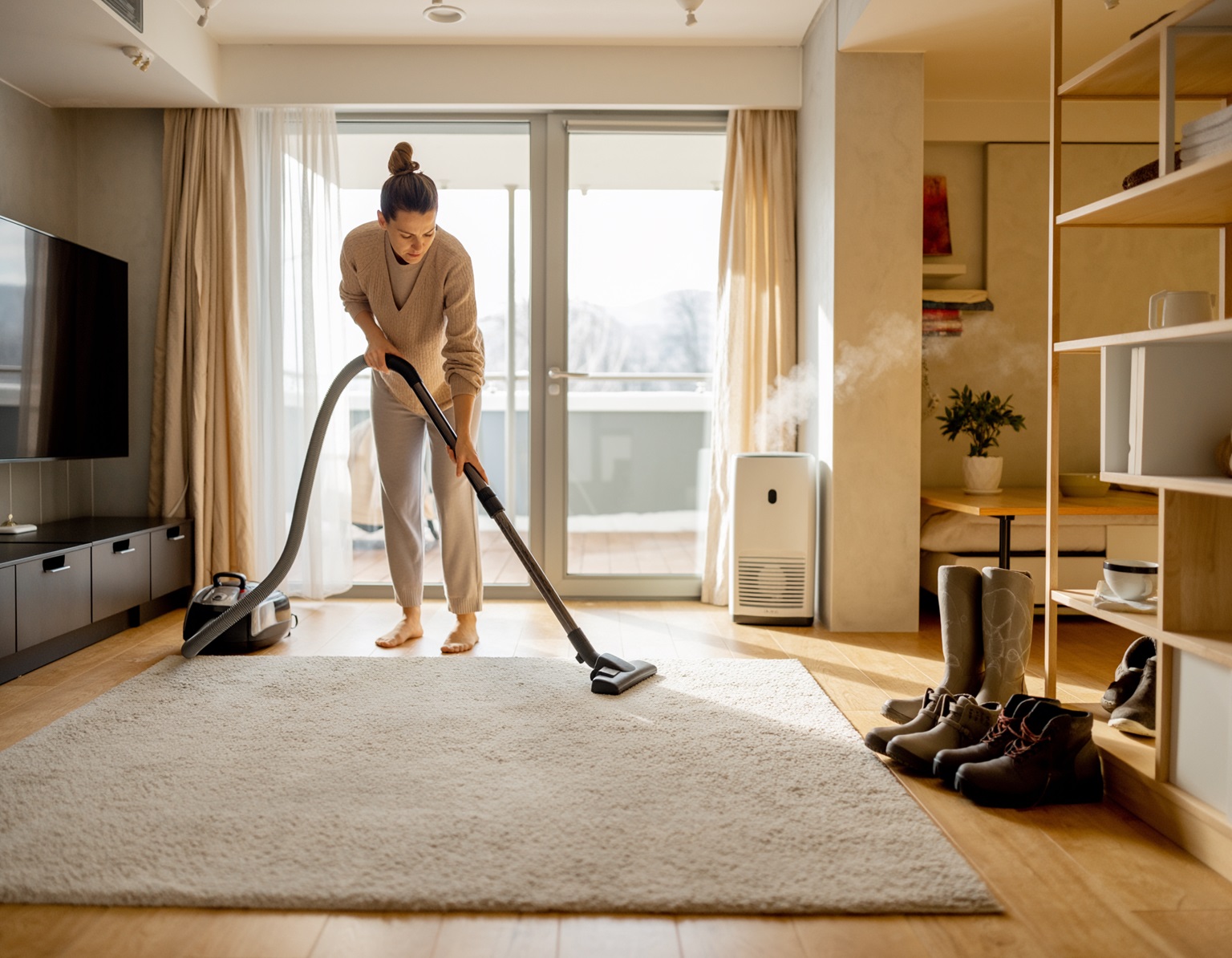
When the temperature drops and the rain sets in, cleaning challenges multiply in ways that catch many facility managers off guard. The combination of wet weather, reduced daylight, and occupants tracking debris through every entrance creates a perfect storm of maintenance headaches. Understanding your winter cleaning priorities isn’t just about keeping spaces looking presentable – it’s about protecting floors from permanent damage, preventing slip hazards, and maintaining the health of everyone who uses the building.
Australian winters might be milder than those in the Northern Hemisphere, but they bring their own distinct challenges. From Perth’s wet season to Melbourne’s grey drizzle and Sydney’s cold snaps, each region experiences conditions that demand a thoughtful, adapted approach to facility maintenance. The good news? With proper planning and the right strategies, you can transform winter from a cleaning nightmare into a manageable routine that protects your investment and keeps occupants safe.
But what exactly changes when winter arrives, and why do the cleaning methods that work perfectly in summer suddenly seem inadequate? The answer lies in understanding the fundamental shifts that occur in how dirt, moisture, and air quality interact within your building.
Understanding Winter’s Impact on Facility Cleanliness
The Seasonal Shift in Cleaning Demands
Winter fundamentally changes the cleaning equation in ways that go far beyond simply dealing with more water. The reduced evaporation rates mean that moisture lingers longer on surfaces, giving dirt more time to bond with flooring materials and create stubborn stains. Shorter daylight hours mean that artificial lighting often masks the true condition of floors and surfaces until damage has already set its hold.
The nature of winter debris differs significantly from summer dust and dirt. Mud contains organic matter that continues to break down even after it’s tracked indoors, releasing particles and odours over time. This organic component also provides nutrients for mould and bacteria, making prompt removal essential rather than optional. Weskleen Supplies has observed that facilities which maintain their summer cleaning schedules through winter typically see a 40% increase in floor restoration costs compared to those that adapt their approach.
Occupant behaviour shifts dramatically during winter as well. People spend less time outside, meaning they track in concentrated loads of debris during their limited outdoor excursions. They’re also more likely to enter quickly without properly cleaning footwear, eager to escape the cold and wet conditions. This behavioural change can double or triple the soil load at primary entrances within just a few weeks of winter’s onset.
Temperature differentials between indoor and outdoor environments create additional challenges. When warm, humid indoor air meets cold surfaces near windows, doors, and exterior walls, condensation forms. This moisture accumulation occurs silently and often goes unnoticed until mould appears or materials begin to deteriorate. Understanding these dynamics is the first step toward effective winter cleaning priorities that actually address the root causes of seasonal challenges.
Why Standard Cleaning Routines Fall Short
Think of your standard cleaning routine like a car designed for highway driving. It performs beautifully under ideal conditions, covering ground efficiently and delivering consistent results. But take that same car off-road into muddy terrain, and suddenly its strengths become limitations. Winter transforms your facility into that muddy terrain, and your cleaning approach needs to adapt accordingly.
The fundamental problem with applying summer cleaning schedules to winter conditions is timing. A floor that stays clean for eight hours during dry summer weather might show visible soiling within two hours on a rainy winter day. Cleaning at the same intervals means occupants spend most of their day walking on dirty surfaces, spreading contamination further into the building with every step.
Moisture changes how dirt behaves on surfaces. Dry dust sits on top of flooring materials and lifts away relatively easily with proper equipment. Wet mud, however, works its way into pores, grout lines, and texture patterns where it bonds chemically with the substrate. Once this bonding occurs, simple sweeping or mopping redistributes the stain rather than removing it. Effective winter cleaning requires more aggressive extraction methods and often specialised chemicals to break these bonds.
The equipment that handles summer maintenance admirably may prove inadequate for winter demands. Standard dust mops push wet debris around rather than capturing it. Entry mats designed for dry conditions become saturated quickly, transforming from dirt-catchers into dirt-spreaders. Even vacuum cleaners can struggle with the higher moisture content of winter debris, potentially damaging motors not designed for wet pickup.
Equipment maintenance also intensifies during winter. Tools used in wet conditions require more frequent cleaning, drying, and inspection to prevent rust, mould growth, and premature wear. Facilities that don’t adjust their equipment care routines often find themselves replacing tools mid-season at premium prices, adding unexpected costs to already stretched maintenance budgets.
Managing Mud and Tracked-In Debris
The Science of Mud Accumulation
Understanding how mud forms and behaves helps explain why it’s such a persistent cleaning challenge. Mud isn’t simply wet dirt – it’s a complex mixture of soil particles, organic matter, water, and often additional contaminants like petroleum residues from car parks or fertiliser runoff from landscaping. This combination creates a substance that’s simultaneously sticky when wet and abrasive when dry.
When mud dries on flooring surfaces, the water evaporates but leaves behind all the solid components. These particles settle into every available crevice, and the organic binders in the mud act like glue, cementing debris in place. This is why dried mud is often harder to remove than fresh mud – you’re not just lifting particles but breaking chemical bonds that have formed during the drying process.
Traffic patterns play a crucial role in mud distribution throughout facilities. Research into pedestrian movement shows that contamination from a single entrance can spread throughout an entire building within 15 minutes of normal traffic flow. The first few steps inside carry the heaviest soil load, but lighter amounts travel much further on shoe soles. Without intervention, this creates a gradient of contamination that extends dozens of metres from each entry point.
The type of flooring material significantly affects mud accumulation and removal difficulty. Hard, smooth surfaces like polished concrete or vinyl allow mud to sit on top initially, but traffic quickly grinds particles into any surface texture. Carpet traps debris immediately but holds it below the surface where it’s harder to see and remove. Tile grout lines act as reservoirs that fill with contamination over time, creating discoloured patterns that require intensive treatment to restore.
Entrance Management Strategies
Effective entrance management follows what professionals call the three-zone approach. The first zone, located outside the building, handles the heaviest soil removal. This typically includes scraper mats or grates that dislodge large debris from shoe soles, ideally combined with a covered area that allows occupants to pause without getting wetter.
The second zone, immediately inside the door, captures moisture and finer particles that made it past the first zone. This area needs absorbent matting with sufficient depth to hold water without becoming saturated too quickly. During heavy traffic periods in wet weather, this matting may need replacement or rotation multiple times daily to maintain effectiveness.
The third zone extends the protection further into the building, catching any remaining debris before occupants reach main circulation areas. This zone often uses dust control mops as a transition to normal flooring, giving shoes one final cleaning opportunity.
Mat maintenance becomes critical during winter. Saturated mats don’t just stop working – they actively contribute to the problem by releasing captured debris back onto shoes. A wet mat at a busy entrance can spread more dirt than no mat at all. Establishing rotation schedules that keep dry, clean mats in service requires sufficient inventory and dedicated space for drying used mats between deployments.
Take Marcus, who manages a busy medical centre in Brisbane. For three winters, he struggled with complaints about dirty floors despite his cleaning team working overtime. The breakthrough came when he invested in a proper three-zone entrance system and implemented twice-daily mat rotation during wet weather. Within a month, complaints dropped to zero, and his team actually reduced their total cleaning hours because they were no longer chasing contamination throughout the building. What seemed like an expensive investment paid for itself within a single season through reduced labour costs and eliminated floor restoration expenses.
Floor Protection and Restoration
Prevention always costs less than restoration, making floor protection a smart investment during winter months. The first line of defence after entrance management is applying appropriate sealants and finishes that prevent moisture and contaminants from penetrating flooring materials. For hard floors, this might mean additional coats of floor finish before winter begins. For carpet, protectant treatments create barriers that make spills and soil easier to remove.
Daily maintenance during winter requires adjustment from other seasons. Dry mopping or sweeping should occur more frequently to capture debris before foot traffic grinds it into surfaces. Wet mopping needs to follow dry processes to lift the soil that sweeping loosens. The sequence matters – wet mopping a floor covered in gritty debris creates a slurry that scratches surfaces rather than cleaning them.
Extraction cleaning becomes more important during winter months. Where surface mopping might suffice during dry seasons, winter floor maintenance often requires equipment that actually removes contamination rather than just redistributing it. Auto scrubbers that simultaneously apply cleaning solution, agitate surfaces, and vacuum up dirty water deliver superior results on hard floors. For carpet, hot water extraction pulls deeply embedded soil that surface cleaning misses.
Weekly deep cleaning should focus on high-traffic areas where contamination concentrates. These zones may need treatment that other areas only require monthly. Adjusting your cleaning zones based on actual soil patterns rather than arbitrary floor plans ensures resources go where they’re needed most.
When floors show signs of winter damage – embedded staining, finish wear, or texture changes – don’t wait until spring for restoration. Continuing to clean damaged surfaces wastes effort and often worsens the problem. A mid-winter restoration of high-traffic areas maintains appearance, protects underlying materials, and makes ongoing maintenance more effective.
Moisture Control Throughout the Facility
Understanding Winter Moisture Sources
Moisture enters buildings through multiple pathways during winter, and effective control requires addressing each source appropriately. The most obvious source is precipitation – rain, drizzle, and occasional hail that occupants carry in on clothing, umbrellas, and footwear. This direct water intrusion concentrates at entrances but spreads throughout buildings via foot traffic and air movement.
Less obvious but often more problematic is condensation. When warm, humid indoor air contacts cold surfaces, water vapour condenses into liquid. During winter, exterior walls, windows, and any surfaces connected to outdoor temperatures become condensation sites. This moisture accumulation happens silently and often in hidden locations like wall cavities, above ceiling tiles, and behind furniture positioned against exterior walls.
Building systems contribute their own moisture loads. Cooking facilities release substantial water vapour, as do bathrooms, cleaning activities, and even the breath of occupants. In summer, higher ventilation rates and air conditioning remove much of this moisture. Winter’s sealed buildings and heating systems that don’t dehumidify allow indoor humidity to climb unchecked.
Ground moisture also increases during winter as water tables rise and soil becomes saturated. Buildings with below-grade spaces or slab-on-grade construction may experience moisture migration through concrete, even in areas that stay dry during other seasons. This capillary action brings not just water but dissolved minerals that leave white, powdery deposits on surfaces as moisture evaporates.
Identifying moisture problem areas before damage becomes visible requires systematic monitoring. Simple tools like humidity meters and surface thermometers help predict where condensation will occur. Regular inspection of vulnerable areas – behind furniture, inside closets on exterior walls, around windows, and in corner areas where air circulation is limited – catches problems early when solutions are simple and inexpensive.
Preventing Moisture-Related Damage
Moisture control cleaning requires a comprehensive approach that addresses sources, pathways, and accumulation points. Ventilation serves as the foundation of any moisture management strategy. Even during cold weather, brief periods of increased air exchange help remove excess humidity. Exhaust fans in bathrooms, kitchens, and other moisture-generating areas need to run longer and more frequently during winter.
Strategic use of heating can prevent condensation on cold surfaces. Maintaining consistent temperatures reduces the temperature differentials that cause moisture to condense. This doesn’t mean overheating spaces – small increases in temperature along exterior walls and around windows can prevent condensation while having minimal impact on energy costs.
Material selection and placement influence moisture accumulation significantly. Furniture and storage placed against exterior walls traps air and prevents heat from reaching wall surfaces. This creates perfect conditions for condensation and mould growth in hidden locations. Maintaining air gaps or using breathable materials in these locations allows moisture to evaporate rather than accumulate.
Immediate cleanup of any water intrusion prevents moisture from migrating into materials. Every minute that water sits on flooring or other surfaces increases the depth of penetration. Having proper equipment readily available – wet vacuums, extractors, and absorbent materials – enables rapid response that prevents minor spills from becoming major problems.
HVAC maintenance plays a crucial role in moisture control. Filters clogged with debris restrict airflow, reducing the system’s ability to remove humidity. Drain pans and lines that become blocked cause water to back up and potentially overflow. Including HVAC inspection in winter preparation ensures these systems can handle the increased moisture management demands of the season.
Dealing with Existing Moisture Issues
When moisture problems have already developed, accurate assessment determines the appropriate response. Surface moisture that hasn’t penetrated materials needs only drying with appropriate air movement and dehumidification. Moisture that has soaked into porous materials requires more intensive treatment and longer drying times. Situations involving contaminated water – sewage backups, groundwater intrusion, or water that has contacted chemicals – require specialised handling and often professional intervention.
Proper drying technique matters as much as drying speed. Rapid drying with excessive heat can damage materials, cause warping, and actually drive moisture deeper into substrates. Controlled drying that gradually reduces moisture content while maintaining material temperatures within safe ranges produces better outcomes. Professional-grade dehumidifiers and air movers, properly positioned, remove moisture efficiently without the risks of improvised approaches.
The 48-hour rule provides guidance for mould prevention following water intrusion. Most mould species require at least 48 hours of elevated moisture to establish growth. Achieving thorough drying within this window prevents mould problems that complicate restoration and create health concerns. When this timeline can’t be met, antimicrobial treatments during the drying process reduce mould risk.
Documentation of moisture events serves multiple purposes. Insurance claims often require evidence of the event, response actions, and outcomes. Compliance obligations in some facilities mandate reporting of water intrusion incidents. Perhaps most valuable, documentation creates institutional memory that supports better preparation and faster response to future events.
Indoor Air Quality During Winter
Why Winter Worsens Indoor Air Quality
Winter creates what building scientists call the sealed building effect. During warmer months, windows open regularly, doors stay propped open longer, and HVAC systems draw in substantial fresh air. Winter closes buildings tightly, dramatically reducing the air exchange that dilutes indoor pollutants. The same air circulates repeatedly, accumulating contaminants with each pass.
Indoor air quality cleaning becomes essential during winter because pollutant sources continue operating while removal mechanisms decrease. Occupants shed skin cells, hair, and fibres from clothing. Cooking and cleaning release chemical vapours. Building materials off-gas volatile organic compounds. Dust mites, mould spores, and bacteria multiply in accumulated dust. Without adequate ventilation, concentrations of these pollutants climb to levels that affect health and comfort.
The health implications of poor indoor air quality are well documented. Respiratory issues, allergic reactions, headaches, fatigue, and difficulty concentrating all correlate with degraded air quality. During winter, when people already face increased illness from cold and flu viruses, poor air quality compounds health challenges. Facilities that maintain air quality see reduced absenteeism and improved occupant satisfaction.
Heating systems can worsen air quality in several ways. Forced air systems circulate dust and allergens throughout buildings. Combustion heating releases carbon dioxide and, if not properly vented, more dangerous combustion byproducts. Even electric heating affects air quality by reducing relative humidity to levels that dry respiratory membranes and make people more susceptible to infection.
Cleaning practices themselves influence air quality, for better or worse. Sweeping and dusting release particles into the air where they can remain suspended for hours. Chemical cleaning products contribute volatile organic compounds that add to pollutant loads. However, proper indoor air quality cleaning using appropriate techniques and equipment can significantly improve conditions rather than degrading them.
HVAC System Maintenance for Cleaner Air
Heating, ventilation, and air conditioning systems serve as the lungs of modern buildings, and their condition directly determines indoor air quality. Filter maintenance stands as the single most important HVAC task for air quality. Filters capture particles before they circulate throughout buildings, but only when they’re clean enough to allow adequate airflow and appropriately rated to capture relevant particle sizes.
Filter selection requires balancing capture efficiency against airflow restriction. High-efficiency filters capture smaller particles but create more resistance that can strain fan motors and reduce air exchange rates. The optimal choice depends on your system’s design and capacity, the specific air quality concerns in your facility, and the frequency at which filters can be changed.
During winter, filter change intervals should decrease from other seasons. Higher particle loads from reduced ventilation, combined with extended HVAC run times for heating, cause filters to reach capacity faster. Monthly inspection with immediate replacement when filters show significant loading prevents the performance degradation that occurs when filters become too restricted.
Duct cleaning addresses accumulated contamination that filters can’t prevent. Dust, debris, and biological growth inside ductwork releases particles into airstream with every system cycle. While comprehensive duct cleaning isn’t typically needed annually, visual inspection of accessible duct sections reveals when cleaning has become necessary. Pay particular attention to areas near supply registers and at air handler connections where contamination tends to concentrate.
Humidity control through HVAC systems affects both comfort and health, making it a crucial aspect of indoor air quality cleaning. Winter air tends toward excessive dryness, which damages respiratory tissues and increases susceptibility to infection. Humidification systems can help, but improperly maintained humidifiers become contamination sources themselves. If your system includes humidification, maintenance of water reservoirs, wicks, and distribution systems is essential.
Surface Cleaning for Better Air Quality
So why does cleaning surfaces matter for air quality when we’re talking about what people breathe? The answer lies in understanding how pollutants move between surfaces and air. Dust that settles on surfaces doesn’t stay there permanently. Foot traffic, air currents, cleaning activities, and even the vibrations from closing doors lift settled particles back into the air, where occupants inhale them.
Surface contamination acts as a reservoir that continuously recharges airborne pollutant levels. Even if you somehow removed all particles from the air, surface contamination would replenish airborne levels within hours. This makes thorough surface cleaning essential for achieving and maintaining good air quality – you can’t address the air without addressing the surfaces.
Cleaning technique determines whether your efforts improve or degrade air quality. Dry dusting and sweeping that don’t capture particles simply relocate contamination from surfaces to air. The improvement in visible cleanliness comes at the cost of invisible air quality degradation. Effective indoor air quality cleaning requires methods that actually remove and contain particles rather than dispersing them.
HEPA-filtered vacuum cleaners represent the gold standard for surface cleaning that supports air quality. These machines capture particles down to 0.3 microns – small enough to include most allergens, mould spores, and bacteria – and retain them rather than exhausting them back into the room. The Pacvac Superpro 700 backpack vacuum offers HEPA filtration in a format that allows efficient cleaning of large areas, making thorough vacuuming practical even for facilities with limited staff time.
Damp wiping outperforms dry dusting for similar reasons. A damp cloth captures and holds particles rather than launching them into the air. For routine surface maintenance, microfibre cloths dampened with plain water or mild cleaning solution remove contamination effectively while minimising airborne release. Reserve chemical cleaners for situations requiring disinfection or soil removal that water alone can’t accomplish.
High-touch surface cleaning deserves particular attention during winter when illness transmission concerns are elevated. Door handles, light switches, handrails, and shared equipment concentrate pathogens from multiple occupants. Frequent cleaning of these surfaces using appropriate disinfectants reduces transmission risk. However, proper surface cleaning – removing soil before disinfection – is essential for disinfectants to work effectively. Disinfectants can’t penetrate layers of contamination to reach underlying pathogens.
Equipment and Product Selection for Winter
Essential Winter Cleaning Equipment
The equipment that handles routine cleaning may prove inadequate for winter demands. Evaluating your current inventory against winter requirements reveals gaps that should be filled before the season creates urgent needs. Starting the season with proper equipment prevents both compromised cleaning outcomes and emergency purchases at premium prices.
Wet pickup capability becomes essential during winter months. Whether integrated into auto scrubbers or available as standalone wet vacuums, the ability to extract water from floors prevents the tracking and spreading that occurs when moisture is merely pushed around. Wet vacuums should be sized appropriately for your facility – undersized equipment means constant emptying, while oversized machines prove unwieldy for operators.
Carpet cleaning machines earn their keep during winter when carpeted areas face increased soil loads. Hot water extraction delivers deep cleaning that surface methods can’t match. For facilities with substantial carpeted areas, owning extraction equipment rather than relying on rental improves both response time and cost economics over a season.
Floor finish equipment enables the protective treatments that reduce winter damage. Burnishers and polishers restore shine and build protective layers. Stripping equipment removes old, contaminated finish so fresh coats can bond properly. If your winter maintenance plan includes finish work, ensure equipment is operational and staff are trained before the need arises.
Entrance matting represents equipment too often overlooked. Having sufficient mats to maintain rotation schedules keeps dry, effective mats in service throughout the day. Matting that matches your entrance dimensions and traffic patterns delivers better results than undersized or generic options. The most effective entrance systems combine different mat types in sequence, each handling a specific stage of soil removal.
Equipment maintenance intensifies during winter. Tools used in wet conditions require more frequent cleaning to prevent rust, more thorough drying to prevent mould, and more careful inspection to catch wear before failure. Establishing winter maintenance routines for equipment extends life and prevents mid-season breakdowns that disrupt cleaning operations.
Chemical Selection for Winter Conditions
Temperature affects cleaning chemical performance in ways that matter during winter. Most cleaning products are formulated for use at room temperature, but winter cleaning often involves cold surfaces, unheated spaces, and products stored in cold conditions. Understanding how temperature impacts your products prevents disappointing results and wasted effort.
Enzymatic cleaners that break down organic matter slow dramatically in cold conditions. The biological processes that power these products require warmth to function effectively. Using enzymatic cleaners on cold floors or mixing them with cold water significantly reduces their effectiveness. When these products are appropriate for the soil you’re treating, take steps to warm both the surface and the solution.
Solvent-based products typically tolerate cold better than water-based alternatives. For situations requiring cleaning in unheated spaces, solvent-based options may deliver more consistent results. However, these products often carry higher VOC loads that impact indoor air quality. Their use should be minimised in occupied spaces and accompanied by appropriate ventilation.
Disinfectants require attention to contact time, which may need extension in cold conditions. The kill times specified on product labels assume specific temperature ranges. Cold surfaces require longer exposure to achieve the same microbial reduction. When disinfection is the goal, verify that surfaces remain wet with disinfectant solution for the full required contact time.
Floor finish products have specific temperature requirements for application. Both the product and the floor surface typically need to be within specified ranges for proper film formation. Applying finish in cold conditions can result in poor adhesion, cloudy appearance, and reduced durability. Schedule finish work when building temperatures can be appropriately controlled.
Safety considerations shift during winter as well. Cold, wet conditions increase slip risk from normal cleaning activities. Products that improve slip resistance become more valuable during winter. Conversely, residues that contribute to slipperiness require more attention. Rinsing procedures and product selection should account for elevated slip hazard conditions.
Creating a Winter Cleaning Schedule
Frequency Adjustments for Winter
Winter demands increased frequency for certain cleaning tasks while others can maintain their year-round schedules. Understanding which tasks need adjustment prevents both insufficient cleaning that allows problems to develop and excessive cleaning that wastes resources without improving outcomes.
Entrance areas require the most dramatic frequency increase. During wet weather, entrance cleaning that happens three times daily during dry seasons may need to occur every hour or more frequently. This doesn’t necessarily mean intensive cleaning each time – quick moisture removal and mat rotation can happen quickly when proper systems are in place. The goal is preventing contamination from spreading beyond entrance zones where it’s manageable.
Hard floor maintenance throughout traffic areas needs moderate frequency increase. Daily mopping that suffices during dry seasons may need to occur twice daily when weather tracks additional soil inside. Focus increased frequency on circulation paths while maintaining normal schedules for low-traffic areas that don’t see the same winter impact.
Restroom cleaning frequency should increase to match elevated hand washing during cold and flu season. More frequent use means more frequent soil accumulation. It also means more frequent supply depletion, making restocking checks part of increased service rotations.
Air quality cleaning tasks may actually decrease in frequency while increasing in intensity. Rather than more frequent surface cleaning, winter may warrant deeper cleaning less often. Thorough vacuuming with HEPA filtration twice weekly can outperform light daily vacuuming for air quality outcomes.
Window and glass cleaning frequency can decrease during winter when smudges and fingerprints accumulate more slowly. However, condensation on windows requires specific attention that summer schedules don’t include. Daily wiping of condensation prevents water damage to frames and sills while reducing mould risk.
Staffing implications follow from frequency adjustments. Simply asking the same team to do more work isn’t sustainable or effective. Options include seasonal staff additions, shifted hours to cover peak need periods, contracted services for specific tasks, or reallocation from lower-priority activities. Whichever approach you choose, communicate plans clearly so staff understand winter expectations.
Emergency Response Protocols
Winter brings weather events that exceed normal cleaning capabilities. Preparing for these emergencies before they occur enables faster response that limits damage and speeds recovery. Waiting until emergencies happen to develop protocols means improvised responses that rarely achieve optimal outcomes.
Flooding represents the most damaging potential emergency. Whether from burst pipes, roof leaks, or external water intrusion, water that enters buildings in volume causes damage that escalates with every passing hour. Emergency response protocols should specify who has authority to initiate response, how to contact emergency services and contractors, where shut-off valves are located, and what immediate containment steps staff should take before professional help arrives.
Equipment and supply staging supports rapid response. Wet vacuums, pumps, fans, dehumidifiers, and absorbent materials should be inventoried, inspected, and positioned for quick deployment before winter begins. Knowing where equipment is located and that it’s functional eliminates scrambling during emergencies when time matters most.
Extreme weather preparation goes beyond response to include prevention. Before forecast storms, address known vulnerabilities. Clear drains and gutters that might overflow. Inspect roofs for damage that could admit water. Verify that heating systems are operational to prevent frozen pipes. These steps take minimal time but prevent problems that consume enormous resources to resolve.
Communication protocols ensure appropriate stakeholders receive timely notification of emergencies. Building owners, tenants, insurance carriers, and relevant authorities may all need information depending on the nature and severity of events. Establishing who contacts whom, through what channels, and with what information prevents confusion during stressful situations.
Recovery planning extends beyond the immediate emergency to returning facilities to normal operation. How will displaced occupants be accommodated? What temporary measures will maintain safety and function during restoration? Who has authority to approve expenditures? What documentation will support insurance claims? Answering these questions before emergencies ensures smoother recovery when events occur.
Measuring Success and Continuous Improvement
Key Performance Indicators for Winter Cleaning
Measuring cleaning effectiveness enables data-driven improvement rather than guesswork. The metrics that matter for winter cleaning differ somewhat from year-round measures, reflecting the season’s specific challenges and priorities.
Floor appearance scores provide immediate feedback on daily cleaning effectiveness. Regular inspections using standardised rating scales quantify what subjective observation might miss. Tracking scores over time reveals trends that indicate whether your winter approach is maintaining standards, improving outcomes, or falling behind.
Slip incident rates measure a critical safety outcome. Every slip, trip, and fall should be documented regardless of whether injury results. Tracking these events reveals patterns that identify problem areas and evaluate whether intervention strategies are working. During winter, this metric deserves weekly or even daily attention at facilities with elevated risk.
Occupant complaints offer another performance indicator. While not every complaint reflects actual cleaning deficiency, complaint patterns reveal perceived problems that affect satisfaction. Tracking complaints by category – odour, appearance, safety concerns – helps prioritise improvement efforts.
Equipment availability measures operational readiness. When equipment is down for repair during peak demand, cleaning suffers regardless of staff effort. Tracking equipment status and response time for repairs reveals whether your maintenance approach supports or undermines cleaning objectives.
Staff productivity metrics should be interpreted carefully during winter. Increased time per task may reflect appropriate response to harder conditions rather than declining performance. Compare productivity against outcomes rather than against dry-season baselines that don’t reflect current challenges.
Air quality measurements provide objective assessment of indoor air quality cleaning effectiveness. Simple particle counters have become affordable enough for routine monitoring. More comprehensive air quality monitors measure additional parameters including volatile organic compounds, carbon dioxide, and humidity. Baseline measurements before winter begins enable meaningful comparisons as the season progresses.
Planning for Future Winters
End-of-season evaluation converts experience into improvement. Before winter’s lessons fade from memory, document what worked, what didn’t, and what you’d do differently. This review should involve everyone who participates in winter cleaning, as frontline staff often have insights that management misses.
Equipment assessment identifies repair, replacement, and addition needs for the following year. Equipment that made it through the season but showed signs of wear should be serviced or replaced before next winter’s demands. Gaps in capability that became apparent should guide purchasing decisions while budgets are being set.
Supply consumption data supports better planning. Comparing actual use against predictions reveals where estimates were accurate and where they missed. This information improves forecasting for the following year, preventing both stockouts that disrupt operations and excess inventory that ties up capital.
Training needs emerge from winter performance observation. Where staff struggled with new techniques or equipment, additional training should be scheduled before the next winter. Where performance excelled, those practices should be documented and shared across the team.
Contractor and vendor performance deserves evaluation as well. Did suppliers deliver products reliably? Did service contractors respond quickly and perform quality work? Winter may not be the time to change vendors, but end-of-season evaluation informs decisions about maintaining or changing relationships.
Budget review compares actual winter costs against plans. Variance analysis reveals where estimates were accurate and where surprises occurred. Understanding the sources of budget variance – were they foreseeable, preventable, or inherent to winter conditions? – improves next year’s planning and potentially identifies opportunities for cost reduction.
Implementing Your Winter Cleaning Strategy
Getting Started with Improved Practices
Transitioning from recognising winter cleaning priorities to implementing improved practices requires systematic action. Begin with assessment – honestly evaluate current performance against the standards and practices discussed throughout this guide. Identify the gaps between where you are and where you need to be.
Prioritise improvements based on impact and feasibility. Not every enhancement can happen simultaneously, and attempting too much at once often achieves less than focusing resources on the most critical improvements. Entrance management typically offers the highest impact for initial investment, as controlling contamination at entry points reduces cleaning burden throughout facilities.
Engage your team in improvement planning. The people who perform cleaning daily understand current challenges and practical constraints better than anyone. Their input improves plans, and their involvement builds commitment to implementation. Present winter preparation as professional development rather than criticism of current performance.
Consider seeking expert guidance for significant changes. Equipment vendors, cleaning chemical suppliers, and industry consultants can provide insights that accelerate improvement and prevent costly mistakes. The investment in professional consultation often pays back many times over in avoided errors and optimised results.
If you’re ready to upgrade your winter cleaning capabilities, contact us for expert advice on equipment selection and cleaning strategies tailored to your specific facility challenges.
Building Long-Term Excellence
Winter cleaning excellence doesn’t happen in a single season. The facilities that maintain outstanding conditions year after year commit to continuous improvement, learning from each winter’s experience and systematically addressing opportunities.
Documentation creates institutional knowledge that survives staff turnover. Written procedures, training materials, and performance records ensure that insights gained through experience transfer to new team members. Without documentation, each personnel change means rediscovering lessons that were already learned.
Investment in people produces lasting returns. Staff who understand not just what to do but why it matters perform better and contribute ideas for improvement. Training that covers the principles behind practices – why moisture control matters, how air quality affects health, what makes cleaning products effective – develops cleaning professionals rather than task performers.
Technology adoption should be strategic rather than reactive. New equipment and products appear constantly, each promising better results. Evaluate innovations against your specific needs and challenges rather than adopting novelty for its own sake. The best tool is often the proven one that your team already knows how to use effectively, while emerging solutions warrant consideration when they address genuine limitations in current capabilities.
The path to winter cleaning priorities excellence is iterative. Each season presents opportunities to test improvements, measure results, and refine approaches. Facilities that embrace this continuous improvement mindset consistently outperform those that treat winter cleaning as an annual ordeal to survive rather than an ongoing practice to master.
Winter will always bring mud, moisture, and air quality challenges. But with thoughtful preparation, appropriate resources, and systematic execution, these challenges become manageable problems rather than overwhelming crises. The investment in winter cleaning priorities pays dividends in protected facilities, satisfied occupants, and confident cleaning teams who know they’re prepared for whatever the season brings.