


Blog
Attaching Brushes to Extension Poles: A Guide to High-Level Dusting

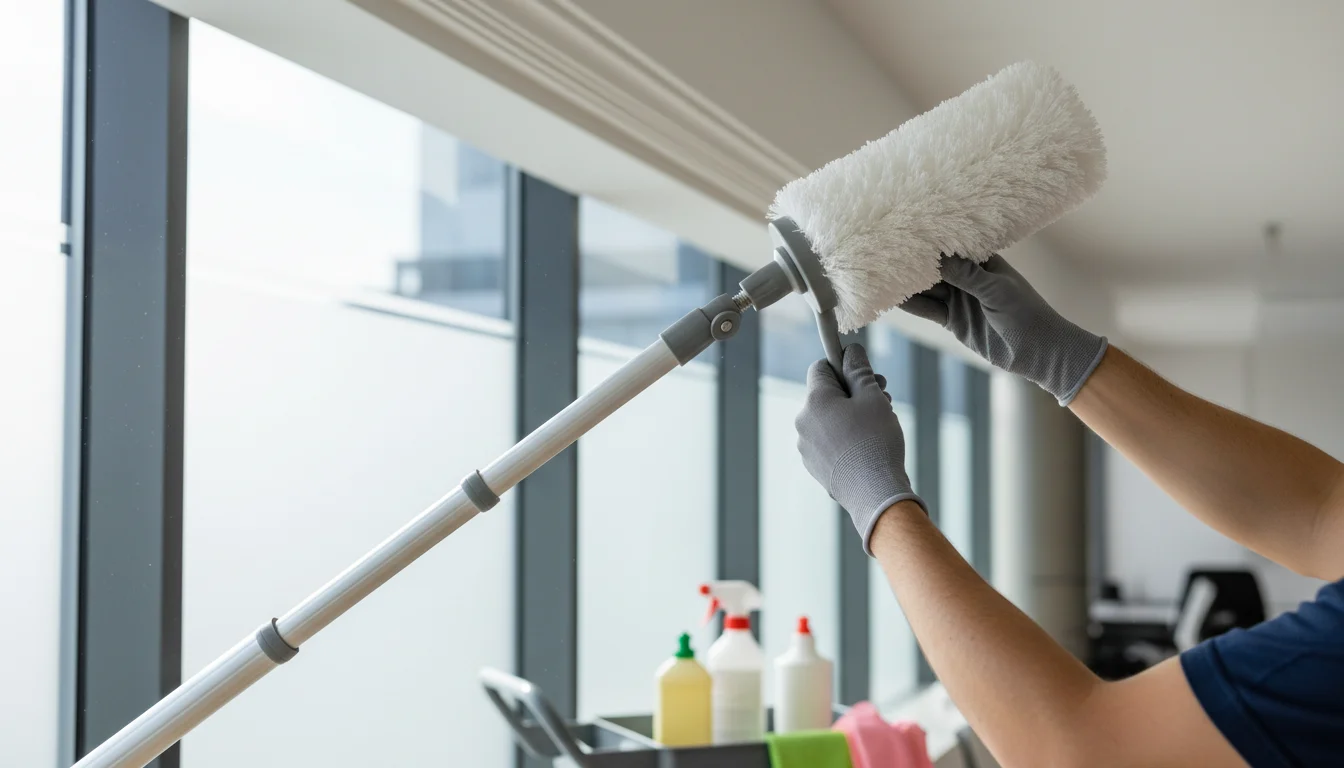
High-level dusting fails quickly when the brush does not suit the pole. The head may wobble, spin, or miss the edge entirely.
An extension pole brush should attach firmly and match the surface being cleaned. A cobweb removal tool needs different movement from a wet window head.
Measure The Reach Before Buying
The first check is the fitting. Do not assume every brush will connect to every extension pole in the storeroom.
Bring the pole or fitting detail when buying a new head. That small step prevents wasted orders and loose attachments.
Check The Working Angle
A brush used above shoulder height needs predictable movement. If the head shifts under light pressure, the cleaner will overcorrect.
Overcorrection leaves streaks, missed corners, and tired arms. It can also push dust into areas that were already cleaned.
We stock reach tools and cleaning heads that Perth buyers can match to the job, height and surface.
Match The Head To The Surface
The Ettore 18 extension pole gives buyers a practical pole option for reach work. Brush compatibility should still be checked before ordering.
Choose the brush by soil type first. Cobwebs, dry dust, greasy film, and lint need different contact and pressure.
A cobweb removal tool should catch strands without smearing dirt across painted edges. Soft bristles usually suit that task better.
Use Local Product Advice
For dry ledges, a wider dusting head can be faster. For corners, a smaller angled brush may control the detail better.
An extension pole brush should also suit the user’s strength. A heavy head at full reach becomes tiring long before the job is done.
Work from clean to dirty zones. Start with higher, drier sections before moving to lower trims that may need damp wiping.
Build A Safer Cleaning Sequence
Do not clean directly above open desks or displays without protection. Dust needs somewhere safe to land.
The dust control fringe mops category helps teams tidy the floor after overhead dusting. Floor cleanup should be planned before the first pass.
A sequence map helps large sites. Mark high vents, exposed beams, corners, and reception ledges in the order they should be cleaned.
Control Dust Below The Work
The brush angle matters. A flat pass can work on ledges, while corners may need a small rotation to lift cobwebs properly.
Avoid stabbing motions. Light repeated passes usually remove dust better than one hard push.
If the brush head becomes loaded, stop and clean it. A dirty head moves dust rather than collecting it.
Keep The Kit Easy To Repeat
For food or healthcare-adjacent spaces, keep dusting heads separate from chemical tools. Colour coding can help avoid mix-ups.
The squeegees and mops range can support a complete pole kit. Buyers can match heads to wet, dry, and floor follow-up tasks.
Storage should protect bristles. Crushed brush heads lose shape and become poor detail tools.
Store And Inspect The Gear
Use a labelled container or wall rack for pole heads. Keep them away from chemical caps and sharp equipment.
Training should include how to attach the head, test the lock, and remove it without forcing the fitting. Rushed removal can damage threads.
Inspection is simple. Check the pole lock, brush fitting, bristle condition, and any cracks before starting work.
Buying Notes For Perth Teams
A cobweb removal tool is also useful for seasonal maintenance. Spring and summer can increase webbing around lights, awnings, and entry points.
For warehouses, dusting may need to happen outside picking times. Falling dust and moving stock are a poor combination.
For offices, schedule high dusting before vacuuming or mopping. That order keeps the final floor clean meaningful.
Brush Selection By Surface
Brush choice should start with the surface, not the pole. The wrong head can turn a simple dusting pass into a finishing problem.
Painted Ledges
Painted ledges need a soft touch. Bristles should lift dust without scuffing the edge or dragging grit along the paint.
If dirt is bonded to the surface, dry brushing may not be enough. Use a separate method rather than forcing pressure.
Corners And Light Fittings
Corners need a head that can reach into angles. Light fittings need gentler contact and careful movement.
Staff should never push hard around fittings. The aim is dust removal, not dislodging parts.
Vents And Grilles
Vents collect lint around edges and slots. A narrow brush can lift dust without packing it deeper into the grille.
Clean the head often during this work. Loaded bristles can push dust into the vent instead of removing it.
Attachment Checks Before Work
The attachment should be tested at floor level before the cleaner extends the pole. Keep the fitting notes from WesKleen Supplies with that check.
Twist And Pull Test
Attach the head, then apply a light twist and pull. It should not wobble or loosen under normal movement.
If it moves at floor level, it will be worse overhead. Change the head or fitting before starting.
Check Bristle Direction
Some heads work better in one direction. Brush direction can affect how dust is lifted and held.
Mark the preferred direction if staff change often. A small note can improve repeatability.
Keep A Clean Spare
A spare head helps when the first one becomes dirty. Swapping heads is better than smearing dust across clean ledges.
Store the spare in a bag or clean container. A Polystar Orbital Floor Scrubber is still a floor machine, not a dusting head.
High Dusting Method
A good method is calm and steady. Fast overhead movement spreads dust and makes missed spots harder to see.
Work In Short Runs
Clean one section at a time and inspect it from the floor. Long runs make it hard to see where the head skipped.
Short runs also reduce arm fatigue. Tired cleaners press harder and lose control.
Drop Dust Into Planned Zones
Dust will fall somewhere. Plan that landing zone before work begins.
Move light items, cover sensitive surfaces, or clean after hours. The floor follow-up should be ready.
Finish With Tool Cleaning
Brushes should be cleaned before storage. Dust left in bristles becomes the next job’s first problem.
A clean head is also easier to inspect. Bent bristles, cracked fittings, and trapped grit become visible.
Common Brush Mistakes
Most brush problems come from poor fit or rushed technique. Both can be corrected with a simple pre-start routine.
Using A Dirty Head
A dusty brush is not ready for high work. It will drop old debris before it collects new dust.
Choosing Too Stiff A Brush
Stiff bristles can scratch delicate trims and push dust into corners. Softer heads suit many overhead detail tasks.
Forgetting The Floor Below
High dusting always affects the space below. Plan floor cleaning, desk protection, or stock movement before starting.
A careful method takes less time than repairing a messy result. Floor follow-up can sit with the floor scrubber range in Perth.
Building A Small Head Kit
A small head kit is often better than a crowded storage shelf. Each head should have a clear purpose and a known fitting.
Soft Dusting Head
Use this for dry ledges, beams, and painted trims. An Ettore 12 extension pole can cover lower trims without the longer pole.
Corner Brush
Use this for cobwebs around lights, signs, and upper corners. A cleaning hand caddy keeps spare heads bagged and labelled.
Detail Cloth Holder
Use this where a light wipe is needed after dusting. An Enduro Microfibre Mop Head can finish low hard edges after the overhead pass.
A labelled kit reduces guessing. Keep the fitting notes from WesKleen Supplies with the head kit.
When To Replace A Brush Head
Brush heads wear slowly, so poor performance can be missed. Replacement should happen before the head becomes frustrating to use.
Watch For Shape Loss
Flattened or bent bristles cannot reach corners cleanly. A 16L Mop Bucket belongs with wet follow-up, not the dry-head kit.
Watch For Dirty Residue
If a head stays grey after cleaning, retire it from presentation work. The Pacvac Superpro 700 Vacuum Cleaner can take fallen dust off floors.
Label Wet And Dry Heads
Dry heads should not be used after damp wiping or chemical contact. A Pacvac Superpro Go Battery helps when a cord would cross a reception floor.sting work across different building zones and cleaning shifts.
FAQ
How Should A Brush Head Be Tested?
Attach it at floor level, then twist and pull lightly. If it wobbles, do not use it overhead.
Which Brush Works For Cobwebs?
Use a clean, soft head that reaches corners without scraping painted trims or edges. Replace it when bristles flatten or stay dirty.
Should High Dusting Happen Before Floor Cleaning?
Yes. Dust falls during overhead work, so the floor and nearby surfaces should be cleaned afterwards.
Conclusion
A photo of the existing pole end makes fitting advice faster.
A good brush and pole setup should feel steady, simple, and easy to repeat. Test the lock at floor level, then work in short overhead runs. Contact us if you need that shortlist checked against current stock.