


Blog
What Mop for Timber Floors? A Practical Guide

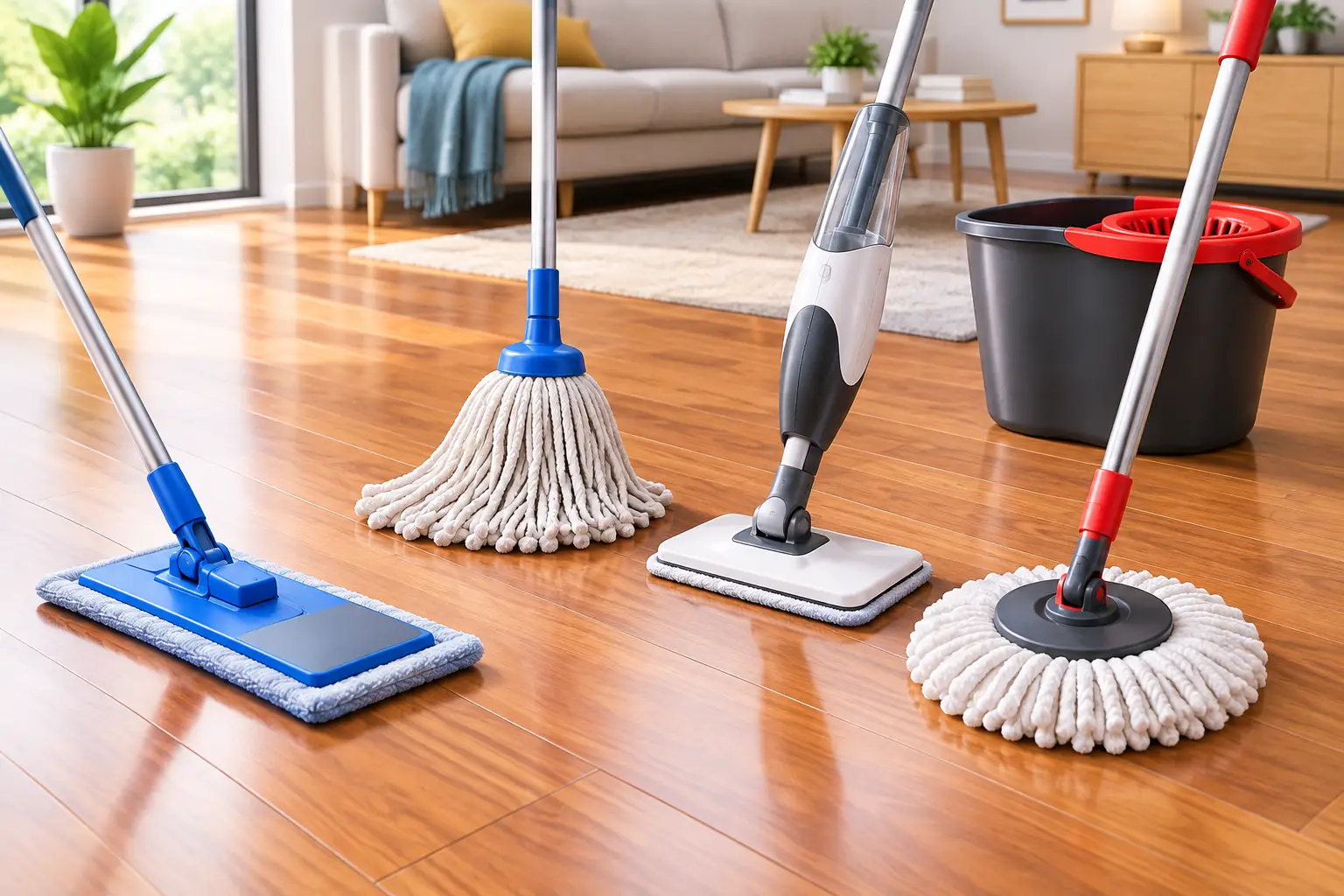
A timber floor can look freshly finished for years, or start showing cloudy patches, swelling at the joins and dull traffic lanes far too soon. The difference is often not the floor cleaner – it is the amount of water left behind. If you are asking what mop for timber floors is the right choice, start with one rule: use a mop that cleans effectively while keeping moisture to an absolute minimum.
For most sealed timber, engineered timber and timber-look floors, a quality flat microfibre mop is the safest, most practical option. It picks up fine dust and grime without flooding the surface, is easy to control around furniture and works well in homes, offices, hospitality venues and common areas. The best setup still depends on the floor’s finish, its condition and how heavily it is used.
What mop for timber floors is best?
A flat-head microfibre mop with removable, washable pads is the best all-round mop for timber floors. Look for a low-profile head, a sturdy handle and pads that can be used dry for dust removal or only lightly damp for routine washing.
Microfibre matters because its fine fibres capture dust, hair and small abrasive particles that can scratch a timber coating underfoot. Unlike a traditional string mop, it does not need to hold a large volume of water to clean well. That is exactly what timber needs.
For larger commercial areas, a wider microfibre flat mop can reduce cleaning time and give operators consistent coverage. For homes, smaller offices or rooms with plenty of furniture, a compact swivel-head mop is easier to manoeuvre along skirting boards, under tables and around chair legs.
The goal is not a visibly wet floor. The pad should feel damp, not saturated. After a pass with the mop, the floor should dry within a short time rather than sitting wet while people walk through it.
Why too much water damages timber
Timber naturally responds to moisture. Even when boards have a protective coating, water can work its way into joins, gaps, worn edges and small scratches. Over time, this may lead to cupping, raised grain, dark staining or movement between boards.
Engineered timber is not immune either. Its layered construction can make it more stable than solid timber, but repeated excess moisture may still affect the surface and edges. Laminate and hybrid floors have their own care requirements, yet they face a similar risk when water reaches board joins.
This is why a bucket-and-string mop is usually a poor choice for timber. It can leave too much solution behind, particularly when the mop head is old, overly thick or not thoroughly wrung out. It may seem quicker to use plenty of water on a dirty floor, but that shortcut can create a far more expensive maintenance problem.
Choose the mop to suit the floor finish
Before selecting equipment or chemicals, identify the floor finish if possible. A floor that looks like timber may be solid hardwood, engineered timber, laminate, bamboo, vinyl planks or hybrid flooring. Each manufacturer may also specify approved cleaning methods, so those instructions should take priority.
Sealed polyurethane or lacquered timber
Most modern timber floors are protected by a polyurethane or lacquer coating. These surfaces generally respond well to regular dry microfibre dusting and occasional damp mopping with a pH-neutral timber floor cleaner. Use a clean, well-wrung microfibre pad and avoid leaving puddles along board edges.
Oiled or waxed timber floors
Oiled and waxed floors need more care. Their finish is designed to be maintained differently from a hard surface coating, and the wrong cleaner can strip protective oils or leave a slippery residue. Use the cleaning product recommended for that finish, apply it sparingly and keep the mop pad only lightly damp.
An oiled floor may also need periodic re-oiling in high-traffic areas. Mopping alone will not restore a worn protective finish.
Older or worn timber
If a timber floor has visible gaps, lifting boards, deep scratches or areas where the coating has worn through, treat it as more vulnerable. A dry microfibre mop and vacuum with a suitable hard-floor setting may be the safest routine. Spot-clean marks with minimal moisture until the floor can be assessed, repaired or recoated.
The right cleaning method matters as much as the mop
A good mop cannot compensate for poor technique. Start by removing loose grit with a dry microfibre mop, soft broom or vacuum designed for hard floors. Sand, soil and small stones are the real enemies of a timber finish, particularly near entrances and in busy commercial premises.
Then use a neutral cleaner diluted exactly as directed. More chemical does not mean a cleaner floor. Too much product can leave a film that attracts dust, makes the floor look streaky and creates a dull appearance that staff may try to fix by mopping again. That starts a cycle of residue build-up.
Spray the solution lightly onto the microfibre pad or apply it in a controlled amount to a small section of floor. Work with the grain where practical, turning or changing the pad once it becomes visibly soiled. In a café, office foyer or rental property, using several clean pads during a shift is often more effective than pushing dirt around with one dirty mop head.
Always deal with spills promptly. A drink spill, wet shoes at an entry or water from a pot plant should be blotted rather than spread across the floor. For commercial sites, entrance matting and clear spill-response procedures will protect timber far better than extra mopping.
Mops and tools to avoid on timber
Steam mops are the main tool to approach with caution. Heat and steam can force moisture into joins and may weaken some adhesives or coatings. While some flooring brands allow specific steam products on particular sealed surfaces, many do not. Unless the flooring manufacturer clearly approves steam cleaning, it is safer to avoid it.
Also avoid abrasive scrub pads, stiff brush heads and heavily alkaline degreasers. These can damage or dull the finish, especially where there is a build-up of cleaner residue. Strong disinfectants should not be used as a routine timber-floor wash unless they are compatible with the flooring and required for a particular hygiene procedure.
A spray mop can be convenient, but only if its reservoir contains a suitable cleaner and its trigger gives you control over how much solution is applied. It is a good home option for light maintenance, although a professional flat mop system with multiple pads is usually better for larger areas and heavier daily use.
A practical timber-floor cleaning routine
For most households, dry dusting two or three times a week and damp mopping when needed is enough. Busy homes with pets, children or a high-traffic entry may need more frequent dry cleaning, but they still do not need a wet mop every day.
In commercial spaces, frequency should be based on foot traffic, weather and the amount of grit brought inside. A reception area during a wet Perth winter may need several dry mop passes each day, while damp mopping can be targeted to marks and soil rather than applied heavily across the entire floor.
Keep dedicated pads for timber rather than using the same pad that has cleaned bathrooms, kitchens or greasy hard-floor areas. Wash microfibre pads after use without fabric softener, which coats the fibres and reduces their ability to pick up soil. Replace pads once they lose their texture, absorbency or cleaning performance.
When the floor still looks dull after mopping
A dull timber floor is not always dirty. It may have cleaner residue, surface scratching, a worn coating or damage from past over-wetting. Before trying a stronger chemical, test a small inconspicuous area with a properly diluted pH-neutral cleaner and a clean microfibre pad.
If the appearance does not improve, the floor may need professional maintenance rather than more cleaning. Deep cleaning, recoating, polishing or sanding are separate jobs, and using an aggressive product in the meantime can make restoration harder.
For dependable everyday care, keep it simple: remove grit first, use a quality flat microfibre mop, choose a timber-safe cleaner and use as little moisture as the job allows. WesKleen Supplies can help Perth households and cleaning teams select practical mop pads, handles and floor-care products suited to the work at hand – so your timber floors stay clean without taking unnecessary risks.